Crappie
Search for your favor species here!



About Fishing
Crappie (Speck): The Panfish Favorite of Freshwater
Few freshwater fish inspire as much enthusiasm among weekend anglers and seasoned pros alike as the Crappie (Pomoxis spp.). Known in the South as “Specks” or “Speckled Perch,” crappie have earned a reputation as a beloved sportfish thanks to their cooperative nature, large schools, and outstanding table fare. Whether you’re vertical jigging in a deep reservoir, casting minnows around brush piles, or drifting across open water, crappie fishing is as much about community and tradition as it is about the catch itself.
Crappie Identification
Physical Characteristics
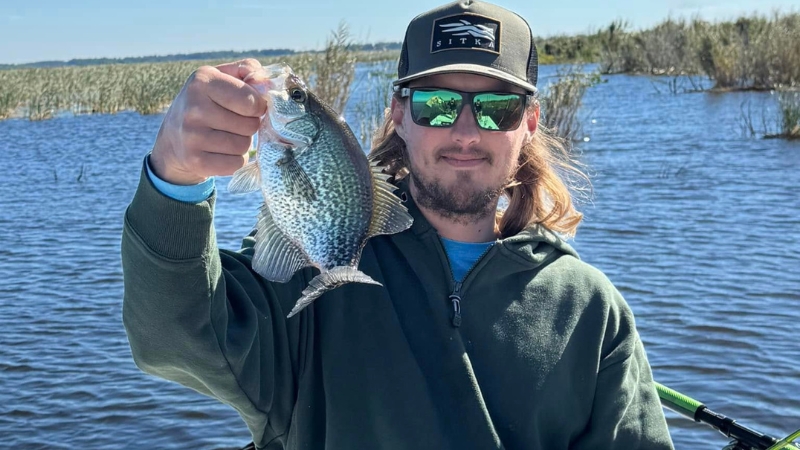
Crappie belong to the sunfish family, like bass and bluegill, but are instantly recognizable by their deep, laterally compressed bodies. They have large mouths for their size and paper-thin mouths that gave rise to the nickname “papermouth.” Two species dominate North America: the Black Crappie (Pomoxis nigromaculatus) and the White Crappie (Pomoxis annularis). Black crappie display irregular dark speckles scattered across their sides, while white crappie show vertical bars and tend to tolerate murkier water.
Average Size
Most crappie range from half a pound to two pounds and measure 8 to 14 inches long. While smaller than many gamefish, trophy-class slabs — crappie over 15 inches and weighing more than two pounds — are the holy grail for panfish anglers.
Where to Find Crappie
Natural Range
Crappie are native to North America and can be found in nearly every state and Canadian province with freshwater lakes or rivers. They are especially abundant in the Midwest, the South, and throughout the Great Lakes region.
Preferred Habitats
Crappie thrive in slow-moving rivers, reservoirs, natural lakes, and oxbow lakes, especially where there is submerged cover such as brush piles, standing timber, docks, or weed beds. During spring, they move shallow into bays and coves to spawn in two to six feet of water. In summer, they school in deeper water around submerged structure, while fall finds them chasing baitfish in mid-depths. Winter crappie often gather in large schools suspended over creek channels or near submerged timber.
Crappie Behavior
Feeding Habits
Crappie are sight feeders and prefer to hunt in low-light conditions, making dawn, dusk, and cloudy days prime times to target them. Their diet consists mainly of small minnows, shad, and insects, though they’ll also take worms and tiny crustaceans. Because they often suspend in schools, once you find one crappie, chances are good that many more are nearby.
Schooling Nature
Unlike solitary predators, crappie rarely travel alone. They often group tightly together, sometimes by size class, which means anglers may catch a dozen smaller fish in one spot before stumbling into a school of heavy slabs. This schooling behavior makes them a high-reward species once you crack the code on their location.
How to Catch Crappie
Best Techniques
Crappie are most often caught on live minnows, small jigs, and tiny spinners. Jigging is one of the most popular methods, whether vertically dropped around cover or cast and retrieved slowly. Live minnows fished under a float are nearly unbeatable in the spring spawning season. In deeper water, trolling with spider-rig setups or long-line trolling small jigs can be incredibly productive, especially on big reservoirs.
Seasonal Strategies
In spring, crappie move shallow and are aggressive, making this the best time to fill a cooler. Casting small jigs or fishing minnows under floats near shoreline brush or docks is highly effective. During summer, when they retreat to deeper, cooler water, slow trolling or vertical jigging becomes the go-to method. Fall crappie feed heavily on schools of shad, making crankbaits, swimbaits, and small spinners good options. Winter demands patience, with subtle jigging techniques and slow presentations often necessary to coax bites from lethargic fish.
Tips and Tricks for Catching More Crappie
1. Light Tackle is Key – Use ultralight rods paired with 4–6 pound test line. Crappie have soft mouths, so a gentle touch prevents lost fish.
2. Match the Hatch – Pay attention to the size of local forage. If baitfish are tiny, downsize your jig to one or two inches for better success.
3. Vertical Approach – When fishing brush piles or submerged timber, drop your bait straight down rather than casting across. This keeps you in the strike zone longer.
4. Use Electronics – Modern fish finders make locating suspended schools much easier. Look for clouds of baitfish with arcs of larger fish holding nearby.
5. Vary Colors – Crappie can be picky about color, especially in clear water. Keep a variety of jig colors on hand — chartreuse, white, pink, and natural shad patterns are consistent producers.
6. Stay Mobile – If you’re not catching fish within 10–15 minutes, move to another spot. Crappie fishing is about finding the school, not waiting for it to come to you.
Conservation and Responsible Fishing
Because crappie are a favorite food fish, they are heavily harvested across the country. Many states impose size and bag limits to protect spawning stocks and maintain healthy populations. Practicing selective harvest — keeping a few for the fryer but releasing the largest breeding-size slabs — helps ensure the sustainability of this beloved species.
Crappie Fishing Destinations
Crappie are widespread, but some fisheries stand out as legendary. Grenada Lake in Mississippi consistently produces some of the biggest crappie in the world. Reelfoot Lake in Tennessee is another iconic destination, with standing timber and fertile waters perfect for slabs. The Lake of the Ozarks in Missouri and Weiss Lake in Alabama are also well-known hotspots for both numbers and size. Meanwhile, countless smaller lakes and reservoirs across the Midwest and South hold excellent crappie populations waiting to be discovered.
Why Anglers Love Crappie
Crappie fishing is as much about the experience as it is the catch. Whether it’s a springtime trip with the family to a local lake or a winter outing with spider-rig poles across a big reservoir, crappie bring people together. They’re cooperative biters, abundant across North America, and delicious on the table. Add in the thrill of chasing down a school of slab crappie, and it’s easy to see why so many anglers call them their favorite fish.