Bass Fishing, iOutdoors Blog
Deep-sea fishing is going out on a boat, spending the day on the water. Trying to catch fish that you would not be able to catch offshore or closer to land.
Offshore fishing or Deep-sea fishing when done right can be a fantastic experience. It’s for the whole family and can help you to organize a perfect weekend outing. It is a sport that requires skill, concentration, and dedication and that can be done with kids and the entire family all year round.
Things to Remember When Taking Kids for Deep-sea Fishing Trip?
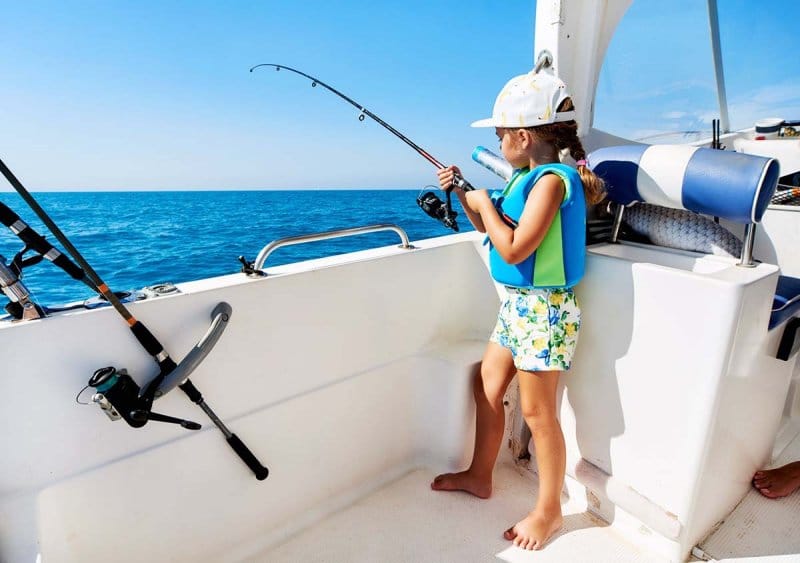
The first thing you need to remember is that young kids are always very high on energy. Which means they may have a hard time sitting down on the boat. They will be running around and moving things here and there a great deal.
So, you would need to take the time to go over the rules with your kids. Make it fun so that they know what they should be doing and what they can and cannot do when they are on the boat.
Kids should always be wearing a lifejacket. When on the water or around water to help ensure that if there is an accident, they will be safe and secure. Kids should be wearing slip-resistant footwear so that if there is water on the deck, they can keep their footing and don’t fall off.
You also need to go over the basics of what to do when they catch a fish, how to work their fishing poles, how they handle the hooks, and so on. Taking the time to go over safety precautions with your kids is the best way to make sure that your child knows what to do and how to act.
What to Bring for Deep-sea Fishing?
• Sun protection
• Snacks
• Games or small toys
• Rods
• Reels
• Bait or lures
• Hooks
• Extra line
• Cooler for storing fish
• Life Jacket
Related Blog: Offshore – Deep-sea Fishing – What to Bring
Tips and Techniques – Fishing Charters Guide
If you are going out with your kids, you must take some snacks with you. This is going to help keep them occupied, and make sure that they are not going to create chaos out of hunger.
You might also want to keep your kids busy when the action dies down and they are not as enthralled. You can take their favorite board game or small toys that they can play with while going fishing.
You can even share your fishing experiences from your college days or childhood. Your kids will be thrilled to hear your stories and maybe learn a lesson or two.
When out in the water, sun protection is a must. Things like sunscreen, hats, sunglasses, and more are going to protect the little ones on the water from harsh sun rays.
When you do go on a Deep-sea fishing charter, you should take the time to make sure that you have all the right lures, all the right hooks, fishing rods, and other equipment. The best way to know what you need is to get a deep-sea fishing charter guide.
The guides at iOutdoor are aware of the waters and are resourceful who can help you to find the right items and get the right overall equipment so that you can catch the fish that you want.
What Bait Works Best in Deep-Sea Fishing?
Different lures work for different types of fish and the right lures can help you get the fish you have been looking for. Bass are attracted to moving lures, while larger fish are going to be most likely to go for live bait like smaller fish. Fish like bass are going to be more likely to hide in trees and other sunken debris as they like to hide in shady areas.
If you are going on a fishing charter for the first time and you are just not sure what you need. A fishing guide is going to be a fantastic resource that helps you to find what you need to bring. How to go about catching some impressive Deep-sea fish. He/She will also take you to the areas that are best for the big catch.
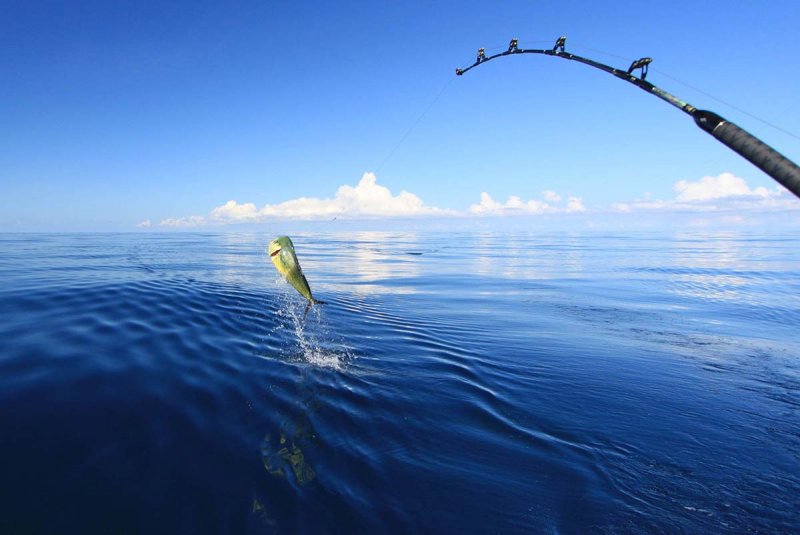
Checking The Facilities of Your Charter
You should check on with your charter company what kind of fishing charter is it- enclosed or T-top. On sunny days, a T-top will work fine while for rainy weather. An enclosed charter will keep you safe from getting wet.
Check if your charter has a bed, which can be helpful in seasickness, or a refrigerator or oven to enjoy some coolers or reheat your snacks.
When it comes to public places, hygiene is the first thing that a parent finds out. The same applies to your fishing charter, as you are going to spend the major part of your day. Cross-check with your service provider how clean and kid-friendly the boat is. You can read reviews online as well.
How To Keep Your Kid Away From Seasickness?
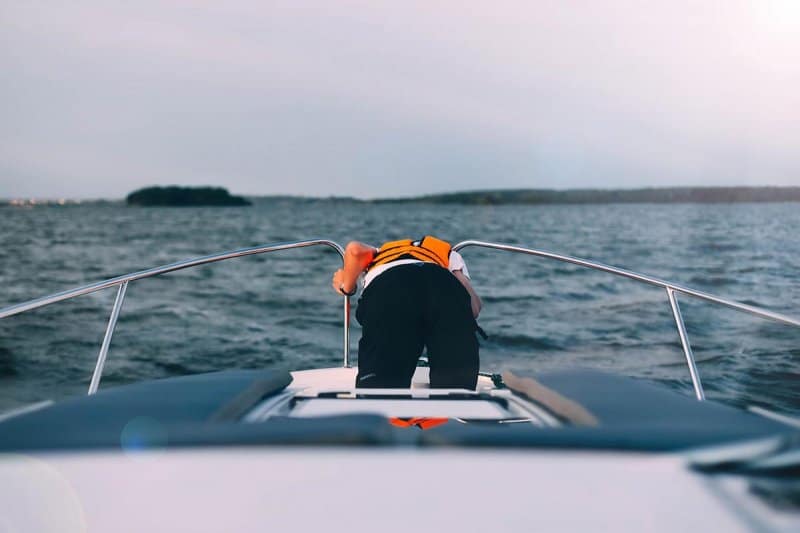
Nothing can be more disappointing than getting seasick while going fishing. Though it can happen with anyone, the least we can do is take steps to avoid it. There are some remedies that work for everyone, be it kids or adults, so that you can make the most out of your fishing trip. These tips are more like a life jacket, that will protect you from any kind of nausea.
It is not necessary that going fishing for the first time will make you seasick. So, don’t let panic ruin your day out while fishing.
Feed your kids healthy food at least 24 hours prior and have a light meal the night before.
Don’t disturb your cycle and get plenty of sleep so that you are fresh and free from any kind of nausea while fishing.
Wake up on time so that you have at least 1 hour between your breakfast and heading out.
Have a non-oily/spicy and easily digestible breakfast in the morning.
Kid fishing is a fun activity and with the right fishing tips and resources. You can get a great fishing trip and the fish that you want every time.
Related Blog: Why Deep-Sea Fishing Should Be In Your 2021 Fishing Next Trip List
Don’t forget to follow us on Facebook, YouTube, Twitter, and Instagram.
iOutdoors Blog, Sea Trout
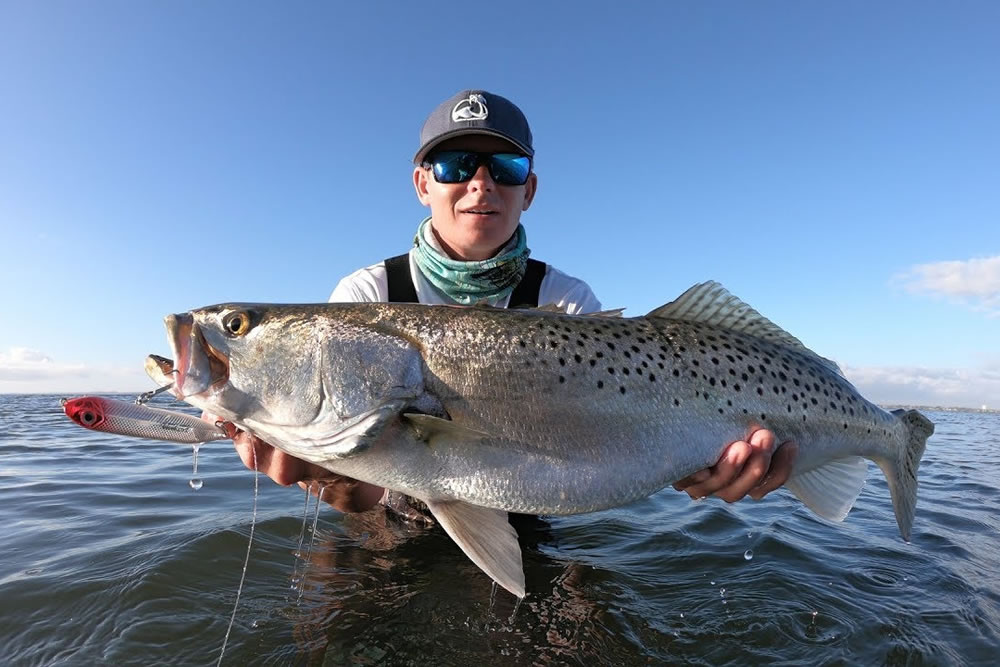
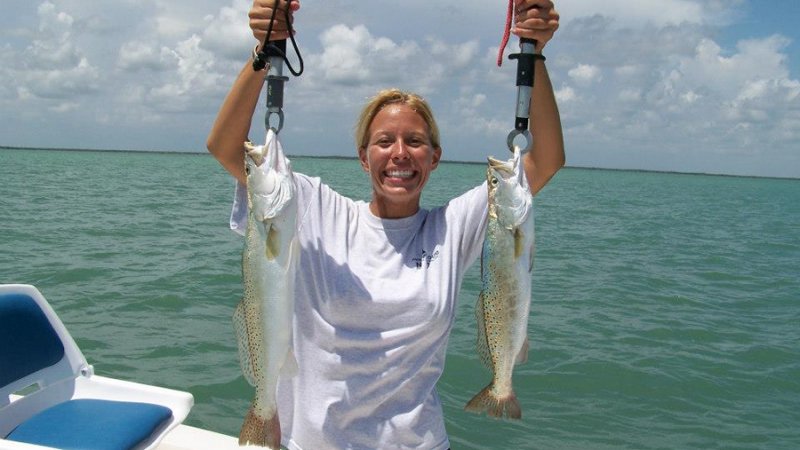
Trout is a truly amazing fish. They are large, fun to catch, and offer a ton of meat for those who are lucky enough to catch them. This muscular fish gives great chase and fight when you catch them. The speckled sea variety is also stunning to look at and makes a fantastic mount.
Where do You Catch Sea Trout in Florida?
Sea trout are basically sea fish, and to find the best fishing spot, you may need to take saltwater fishing charters to Florida for a great area to fish. Trout tend to hang out around oyster shelves, very low under deep holes and caves, and they are rather reclusive. These fish also come closer to the shore when the currents are heavier, as heavy currents also bring the smaller baitfish to the shore.
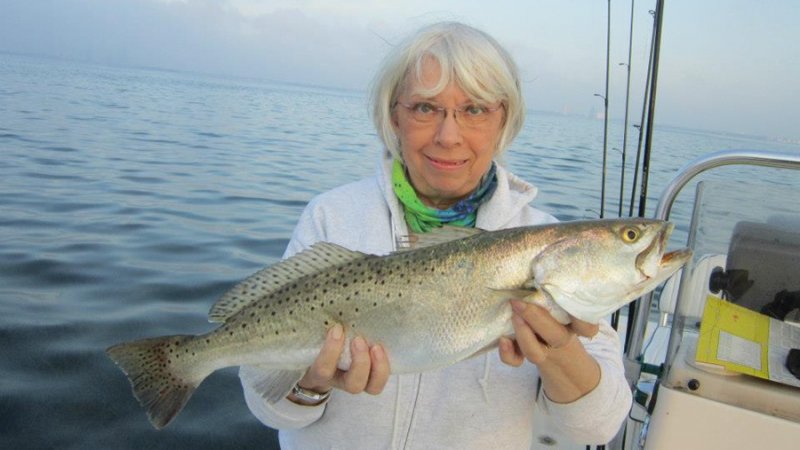
Trouts are fun to fish. They put up a fight when you get one on the line. A full-grown speckled sea trout can measure up to 40 inches long and about 18lbs. So they can be quite large fish and even be the biggest one of your fishing trip.
What is the Best Time To Catch Sea Trout?
The best time of day to catch sea trout is late at night or very early in the morning. Sea Trouts are the most active between 10 pm-2 am, so plan your trip in these hours to catch’em in abundance. These fish are not out and about during the general hours when you otherwise catch fish. If you are looking to catch a big sea trout, a night fishing trip is what you should go on. It is both fun and a great option for catching this type of moon-loving fish.
What is the difference between Trout and Sea Trout?
The main difference between normal trout and seatrout is their coloring and natural patterns. Normal trout keep themselves to the rivers and migrate every year, as we have all seen with the bears sitting by the side of the water to catch them as they leap. Seatrout is a bit more sedentary and is bigger as well. Sea trout are very big as they have more water and can evade capture longer.
Another difference is the way that you eat both. You can eat an entire fillet off of a rainbow trout easily, but with trimming of seatrout, you need to be a bit more careful. Sea trout are also less oily in overall texture when you do eat them.
What Gear do You Need?
Trouts are deep-sea fish, so you’d require a bit heavier equipment to catch them. You’ll need deep sea fishing rods with yellow bait or live bait. They are attracted to yellow baits or moving ones.
For catching a trout, if you are inexperienced with deep-sea fishing, you should get a fishing partner or a charter boat that will help you find the trout you are looking for. An experienced fishing partner can help you catch and reel in your fish, and they can help you find that trophy trout as well.
Best Lures for Speckled Sea Trout?
For artificial lures, the best options are the brightly colored Spinnerbaits or those that mimic the movement of a live fish.
You can even try with live bait to catch them as well. Live bait works best with this seatrout. It grabs their attention and lures them easily.
This doesn’t mean you cannot catch them with artificial lures, but they are most attracted to live bait. Shrimp, pinfish, and greenbacks are all great choices for live bait to get the fish you want.
An experienced fishing partner or a charter with a professional guide can help you outfit your pole with the right baits to catch the fish you want. Using the right bait makes sure you will get that trophy trout that you have been dreaming about.
Trout are a fun fish to go after, and with the right tools and the right information, anyone can catch the trout of their dreams. iOutdoor has perfect fishing charters and guides to make catching trout a memorable experience.

iOutdoors Blog, Bass Fishing, Florida Fishing
Catching Largemouth Bass is like an addiction. They may not be the biggest fish in the water, but certainly, they are the most fun to catch. They can make you look like a fool and a hero on the same fishing trip. Largemouth Bass are apex predators and astonishing aquatic animals. It’s because of fishes like Largemouth Bass that fishing in Florida is such an exciting game. Every fishing enthusiast wants to catch more and more Largemouth Bass in Florida, and without learning about their nature, this cannot happen. Otherwise, you miss the game.
Here’s Compete Guide on How to Catch More Largemouth Bass in Florida
Why Largemouth Bass?
Largemouth bass are some of the most popular fish to catch, not just in Florida but all over the US, for very prominent reasons. To start with, they give good chase. They offer enough challenges to enjoy the game yet simple enough that even young anglers can catch them.
The largemouth bass is also beautiful. If you are fishing for a trophy fish, this is a beautiful trophy to mount and look great in any home. Lastly, largemouth bass has a good amount of meat on them. If you are fishing for fish to eat, bass will provide you with a good amount of meat for the challenge.
Best Time of Day to Catch Largemouth Bass
Largemouth are most active when the sun is low with little glare off the water. This means that they are most active in the morning. Generally, before 8 am, and then they settle for the day until the sun starts to go down. They are active again around 6:30 pm. The largemouth is often not going to be active during the heat of the day and during times when the sun is high and super-hot.
You should go at times when the water is calm as well. They will get alert if they hear you or see excessive movement in the water. So make sure you are taking the time to be very still. Go at times of day when there are not a ton of people around and much activity on the water. iOutdoor saltwater fishing charters in Florida can help you find the best fishing spots and the best time of day to catch Largemouth Bass in abundance.
Best Baits to Catch Largemouth Bass
Bass are carnivorous fish, so you should choose baits that resemble small fish, crawfish, or worms. Bass like shiners or baits that catch their eye and draw their attention at once. If you are using live bait, small shad are a great option. Bass would normally eat shad, so getting small shad to use as bait is a brilliant choice. That will get you the right outcome.
For baits that are not live or are artificial, those that resemble crawfish are a good option since they look like what a fish would eat anyway. The best baits tend to be those that mimic the movement of the look of another animal. Rather than those baits like spinnerbaits that do not look like animals.
The Best Spots to Catch Largemouth Bass
Largemouth bass generally sticks to warm, shallow water rather than the deepwater of deep lakes. They often hang out in the shallows of ponds or bodies of water. Bass will always gravitate toward areas with a lot of vegetation or brush under the surface of the water.
They might be hiding in fallen trees, sunken logs, underwater vegetation, and more. They don’t like much open water, but you can lure them with food and baits. Look for shallow areas with a lot of vegetation around and is shaded as well to catch a good size largemouth.
Bass fishing allows you to get out, to get some sun, enjoy a great time, and if you can catch more Largemouth Bass, it’s like the cherry on the cake. Right fishing spot, the right bait, and right tactics can help you land the biggest Largemouth you have ever seen and give something to flaunt on social media.
Largemouth Bass, like other fishes, are creatures of habit, and they are easy to catch if you know what to look for, and you can find that perfect Largemouth Bass. Fishing charters in Orlando are a great way to catch more Largemouth Bass in Florida. Book your fishing trip with iOutdoor for the most adventurous trip with your pals.

Florida Fishing, Daytona Beach Fishing, Fishing Destinations, iOutdoors Blog, Miami Beach Fishing
[fusion_builder_container type=”flex” hundred_percent=”no” equal_height_columns=”no” menu_anchor=”” hide_on_mobile=”small-visibility,medium-visibility,large-visibility” class=”” id=”” background_color=”” background_image=”” background_position=”center center” background_repeat=”no-repeat” fade=”no” background_parallax=”none” parallax_speed=”0.3″ video_mp4=”” video_webm=”” video_ogv=”” video_url=”” video_aspect_ratio=”16:9″ video_loop=”yes” video_mute=”yes” overlay_color=”” video_preview_image=”” border_color=”” border_style=”solid” padding_top=”” padding_bottom=”” padding_left=”” padding_right=””][fusion_builder_row][fusion_builder_column type=”1_1″ layout=”1_1″ background_position=”left top” background_color=”” border_color=”” border_style=”solid” border_position=”all” spacing=”yes” background_image=”” background_repeat=”no-repeat” padding_top=”” padding_right=”” padding_bottom=”” padding_left=”” margin_top=”0px” margin_bottom=”0px” class=”” id=”” animation_type=”” animation_speed=”0.3″ animation_direction=”left” hide_on_mobile=”small-visibility,medium-visibility,large-visibility” center_content=”no” last=”true” min_height=”” hover_type=”none” link=”” border_sizes_top=”” border_sizes_bottom=”” border_sizes_left=”” border_sizes_right=”” first=”true”][fusion_text]
Florida Fishing Seasons Calendar 2022
Fishing is a fantastic sport, and Florida is a delightful place to get out on the water and find some truly great fish species. From Orlando to the Florida Keys, with the right fishing charter and the right fishing spot, you can find nearly anything in the waters of Florida. And knowing what fish you might catch in what month can help you decide when you want to go on a fishing trip.
January
For those who are looking to fish in Naples in January from the bay, trout, reds, flounder, sheepshead, and black drum are common. Fishing off the pier in a place like Cocoa Beach can get you winter Bonita which is a great meaty fish. If you are looking to surf further out, pompano and whiting are easy to catch.
February
In February, the fishing forecast does change up a bit, with speckled trout, flounder, and pigfish being more common. In a place like Port Canaveral, you can expect redfish as well. Of course, there are always other fish like a drum that is relatively year-round.
March
On Daytona Beach, in March you might see redfish and tarpon. In March in areas like Panama City, you may also see largemouth bass, bluegill, and brown bullhead.
April
Moving into spring, these are some of the best times for deep-sea fishing and great charter trips. Mahi-Mahi is prevalent, tuna of other species and even Wahoo are prevalent deep in the water so this is a great time to get out in a boat.
May
In May, at a place like Miami, trout and reds are going to be present in the flats or further onshore. Amberjack and red grouper are better for further out fishing, and triggerfish are also present. If you want something a bit different, vermilion snapper is also active during this warmer month.
June
When the warmer months get here, the numbers and varieties of fish do get better and larger. Yellowtail, mutton, grouper, kingfish, sailfish, tuna, and even red snapper are all active and ready to catch. Making June a great month if you are looking for unique varieties and not really into typical fish.
July
In July, when summer is in full swing, you can catch some truly spectacular fish on beaches like Marathon and Destin. Tarpon, a great sport fish, is going to present you with plenty of challenges to catch. Snook and largemouth bass are all present and active in July.
August
In August the activity does slow down a little, but Snook is still out and ready to be caught. The fish this time of year are bigger than they are in the spring and would be a great catch.
September
In September, the activity does pick back up with tons of bottom fish ready to be reeled in. During this month, you can find king mackerel, sailfish, blackfin tuna, scamp grouper, and a ton of other great fish. These fishes are going to present you with just the right amount of challenge to catch and enjoy a super fun fishing trip.
October
In October, it is getting a bit cooler, so there might not be as much activity. But there is still plenty of fishing that can be done in the warm Florida waters. Redfish, snook, bluefish, and pompano are all out and active, making for a great catch.
November
November is nearly winter, so the fish activity may slow down based on the drop in temperature. But there are still plenty of great flounder, redfish, trout, and mullet to be caught and ready to be eaten. This is a great season that is temperate and great for those that are not looking for tons of heat or traffic.
December
You can catch a ton of great fish during December too. Blackfin tuna, little tunny, and kingfish are all great to catch during this time of year. This is a great time for fishing as the water is warm enough for fish to still be active, but you are not going to have to deal with the heat of summer.
No matter what month you visit, Florida is a great place to fish. It has a ton of fantastic species that you can get either out in the water on fishing charters or from the pier and beach.
[/fusion_text][/fusion_builder_column][/fusion_builder_row][/fusion_builder_container]

iOutdoors Blog, Florida Fishing
Fishing Capital of the World
Fishing is a beloved sport around the world simply because of its easy access to everyone. Thankfully, fishing is not something that requires a ton of physical prowess. It is fun and can be done nearly anywhere. Fishing is also a great pastime that gets you out and about and into the great outdoors. Florida is considered to be the fishing capital of the world, let’s discuss the reasons here.
Bodies of Water
Florida is a panhandle, which means it is fully surrounded by water from three sides. It is surrounded by both the Atlantic Ocean, as well as the warm waters of the Gulf of Mexico, through an inlet. These two major water bodies provide the coast of Florida with a unique makeup. And makes fishing off the coast and taking fishing charters in the state an exceptionally fun and interesting activity.
The fantastic nature of Florida is not limited to it though. It also has tons of lakes, ponds, rivers, and other inlets from the ocean and works. These are enough to make Florida a state that is practically overrun with waterways and with ways that you can fish.
Weather
Everyone loves to be outside when the weather is nice. Florida has a temperate climate, and it never gets particularly cold. It means that even if you visit in the dead of winter. You are still likely to be able to enjoy outside without being freezing. Seldom does the temperature in Florida dip below freezing.
It is also particularly sunny most of the time, save for hurricane season or when there is a great deal of rain. With weather that is mild and rather constant, Florida is a great place no matter the time of the year.
Related Blog : How Timing And Weather Can Impact Your Fishing Experience
Extensive Fish Species
Not only is the weather great, but there are plenty of waterways here. But Florida is also home to tons of different fish and different species. Florida is home to literally so many different types of fishes that you can fish from the shore, from the lakes and rivers, and even on fishing charters that you can take out off the coast. There are red drums, sailfish, sea trout, grouper, snapper panfish, and so many more.
With thousands of different fish species in Florida, you can fish all year round and make your trip something special. You’ll find tons of fish from all over the world that come to Florida and native fish species to make a great time fishing and enjoying what you might catch when you go out to sea.
When to Visit
Florida is a tourist destination for tons of different reasons, so you must time your trip accordingly. The best time of year to visit the sunshine state is during the spring months of April-May or during the fall months of October or November. During both spring and fall, the rainfall in the area is down, and the humidity is down as well. Florida gets very hot during the summer months, so if you are looking to be comfortable, not too hot, not too cold, the spring and fall are perfect times.
Also, Florida is a tourist destination, so during the summer months, there are going to be far more crowds. Which might make your trip less than desirable. If you are looking for the perfect temperature, the perfect weather, and the perfect number of people, spring and fall are the best times to visit.
Florida has rightly earned its title as the fishing capital of the world. A proven fantastic place to visit if you love fishing and you want to be able to do it in a gorgeous state that offers plenty to do. The state of Florida also has plenty of fishing charters, plenty of places where you can fish on your own, and plenty of places where you can unwind when you are not fishing. Florida is a great state all around but if you love fishing, it is even better and even more enticing.

iOutdoors Blog, Bass Fishing, Fishing Destinations, Fly Fishing
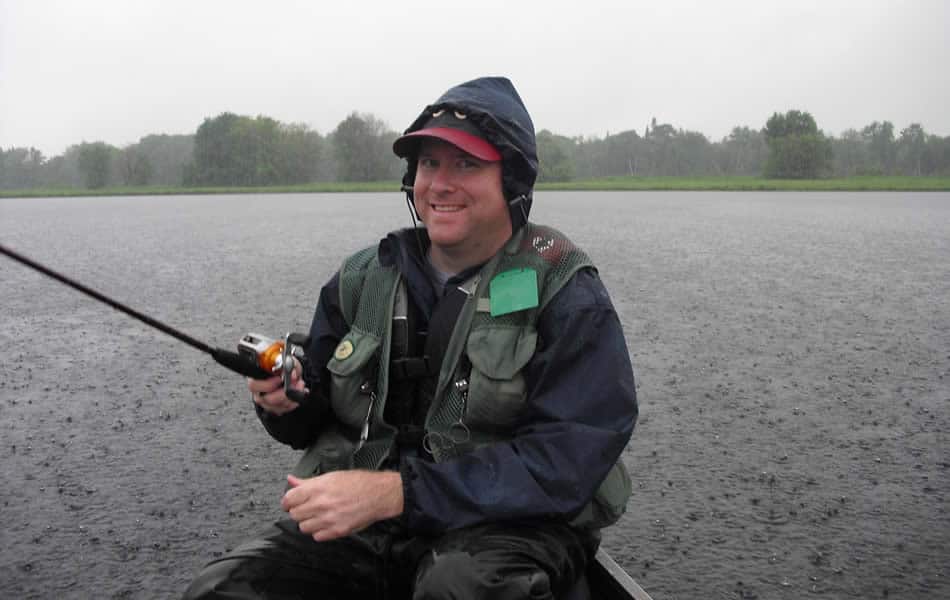
One mistake that a lot of anglers make is assuming that they need to hang up their rod when it starts to rain, this couldn’t be further from the truth. Obviously, it’s not the most ideal time to fish and you want to beware of thunder and lightning but fishing in the rain brings about a unique set of advantages.
In this quick guide, we’re going through some of my top bass fishing in the rain tips so next time you can plan a trip about the rainstorm rather than avoiding it.
1. Go for the Runoff
Runoff is an interesting thing because it brings a lot of nutrients and vitamins into the water. When it rains, the surface runoff draws out the soil, and with that comes an assortment of things that the bass want. Not only does it bring food into the water but it also brings oxygen and minerals.
Bass will hang around wherever there is surface runoff because they want all of these elements and this is where you come in and take advantage of the situation. Now you have a direct tell as to where the bass will be when it’s raining. Look for overhanging ground where it has eroded beneath. Chances are the bass will be hanging out there.
Best of all, the runoff will cloud up the water which will make it easier to disguise yourself so they won’t get spooked by the boat or motor.
There’s another benefit here as well. Since it’s raining and you have an overcast sky, there are no shadows which will allow the bass to feel even more comfortable with the situation which could increase the chances of them taking your lure.
2. Bass Are Actually More Active
The initial thought is that fish operate like we do but it’s quite the opposite. When it’s raining is when the bass are most active. Let me give you a quick science lesson.
A lot of bass activity is based on barometric pressure. During periods of high pressure, bass are slow, sluggish, and uninterested. This would be when the air is very dry which is typical during cold weather and that’s why most people don’t fish for bass during the winter. If you do, you’ll have a much harder time catching anything.
During periods of low pressure, bass are highly active, aggressive, and hungry. This is when the air is humid and the highest level of humidity occurs right before it rains.
As a result, high humidity and low barometric pressure result in the best fishing opportunities for bass. When do you have this combination?
When it’s raining!
Fishing in the rain brings on some of the most active fish on the water but you’ll want to cater to this now that you know it. Speed up your presentation, use a fast action lure, and cover a lot of water in a short amount of time.
3. Be Aggressive with Your Lure Choice
Throwing a topwater when it’s raining is the way to go. Bass are attracted to the surface during periods of low barometric pressure. Let’s go back to science real quick and learn why.
There’s less light penetration when you have an overcast sky which means you have a larger strike zone. Since the sun is creating reflections on the water and your lure, throwing something really aggressive into the water will attract a lot more attention.
So, when you’re bass fishing in the rain you want to choose something like a buzz bait, spinnerbait, or spoon because what little light refraction you create will draw a lot of attention and get the energetic bass to strike.
4. Go With Frogs
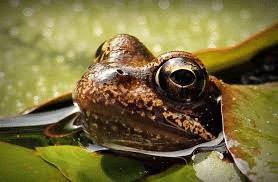 Frogs are another great lure choice for fishing bass in the rain. Using a topwater frog around a weedy location is a solid strategy. Troll the shoreline and look for tall grass or overhanging trees where you think frogs might hang out. You’ll want to pitch your frog right into the grass so make sure you have a weedless presentation otherwise you’ll get hung up.
Create movement on the frog by slowing retrieving with brief pauses in between. If possible, the best strategy here would be to cast parallel to the shoreline so shore anglers actually have an advantage here. If you can maneuver your boat properly, that’s what I recommend doing.
5. Look for Openings on the Water
One of my favorite things about fishing during and after a rainstorm is seeing what areas of the water have opened up. I fished a place pretty frequently a few years ago that had this one inlet where you could only reach it if the water levels were really high. We’d be able to get in there in the late in Spring/ early Summer before everything started to dry up.
I used to drop a wacky worm anywhere within 50 feet around my boat and pull in bass like you wouldn’t believe. Rain storms create these opportunities and it’s great to see how the rain changes the structure of the water.
If it’s been raining for a bit or perhaps you’re fishing the day after a big storm, hit the water and look for places that are deep enough for boat access. These could be money spots if the bass are still hiding there. This strategy is especially powerful in the Spring when bass are spawning. The higher water levels could push them out of their nesting location. It’s even better if you’re fishing with a kayak.
Fishing After The Rain
What happens if you’ve just hit the water and you have a slight drizzle but it’s mostly stopped? You’ll want to apply a lot of the same principles.
If it was a heavy rain storm you’ll likely still have areas where runoff is present and the water clarity might have cleared up. You could see a little better and use a larger variety of lures without creating a shadow if it’s still cloudy.
Moving water is another factor you want to pay attention to because movement means oxygen is flowing and bass are attracted to that because that’s where they get their energy. Highly oxygenated water creates aggressive and active bass so if you can find an area where two bodies of water meet you’re likely to create great fishing opportunities.
Rainy Day FAQs
Here are some of the most commonly asked questions we get about fishing in the rain.
Is fishing better in the rain?
Yes and no, it depends on what you mean by “better.” Fishing is always good and you can have a great day when it’s 95 degrees, zero humidity, and no clouds. On the flip side, you could go out when it’s raining and have a horrible day fishing. There’s no way to know for sure what’s going to happen and there are so many factors that come into play.
The ultimate goal we all have is to learn as much as we can about the habits of fish so we can try to track them down and present lures in a way that will draw their attention. If you’re doing everything right, yes, fishing is better in the rain.
What about saltwater fishing in the rain?
Many of the same rules apply to saltwater especially if you’re fishing for peacock bass in canals. They’re still attracted to surface runoff, they’ll hit topwaters more, and you’ll want to look for openings where they might be hiding and you couldn’t get to before. Whether the water is fresh, brackish, or salty, it doesn’t really matter.
Is it better to fish before or after rain?
Fishing is better before the rain because this is when the humidity is the highest and the barometric pressure is the lowest. You’ll also have decreasing water and air temperatures at this time which will trigger the bass to feed more aggressively because they’ll know that rain is coming.
