iOutdoors Blog, Deer Hunting Fl, Hunting Fl
[fusion_builder_container type=”flex” hundred_percent=”no” equal_height_columns=”no” menu_anchor=”” hide_on_mobile=”small-visibility,medium-visibility,large-visibility” class=”” id=”” background_color=”” background_image=”” background_position=”center center” background_repeat=”no-repeat” fade=”no” background_parallax=”none” parallax_speed=”0.3″ video_mp4=”” video_webm=”” video_ogv=”” video_url=”” video_aspect_ratio=”16:9″ video_loop=”yes” video_mute=”yes” overlay_color=”” video_preview_image=”” border_color=”” border_style=”solid” padding_top=”” padding_bottom=”” padding_left=”” padding_right=””][fusion_builder_row][fusion_builder_column type=”1_1″ layout=”1_1″ background_position=”left top” background_color=”” border_color=”” border_style=”solid” border_position=”all” spacing=”yes” background_image=”” background_repeat=”no-repeat” padding_top=”” padding_right=”” padding_bottom=”” padding_left=”” margin_top=”0px” margin_bottom=”0px” class=”” id=”” animation_type=”” animation_speed=”0.3″ animation_direction=”left” hide_on_mobile=”small-visibility,medium-visibility,large-visibility” center_content=”no” last=”true” min_height=”” hover_type=”none” link=”” border_sizes_top=”” border_sizes_bottom=”” border_sizes_left=”” border_sizes_right=”” first=”true”][fusion_text]
Whitetail deer are some of the most sought-after quarries in North America. Ranging as far south as the Texan border, and as far north as portions of Montana. Hunting for Whitetail deer predates America itself.
Outdoorsmen love to hunt whitetails because of their delicious meat and wild demeanor. Making them excellent quarry in the great outdoors. In feeding areas across the US, these deer can be found from big woods to creek bottoms, and from high desert plains to brushed-up bedding areas.
Whitetail deer description:
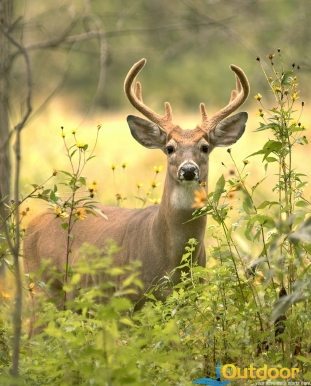
The coat of a Whitetail deer ranges from reddish brown during the spring and summer months. To gray-brown during the fall and winter. With a stark white underside that makes its way from its lower abdomen to its tail. This Deers age can be distinguished by both the color of the coat and the length of the snout.
(The older the deer, the longer the snow and higher concentration of gray in the coat.)
Whitetail deer vary in size based on location, gender, and season. The males of the species known as the box can weigh anywhere from 150 pounds to 400 pounds. The heavier deer are usually found further from the equator. Similarly, they range from 88 pounds to 200 pounds, I guess depending on geographic location.
Seasonally, the deer will reach their peak weights during the summer and early fall months. As they stock up for the oncoming winter. The deer will reach their lowest weights during the rut and tail end of winter. This is when food is scarcest, and the hunting season is coming to a close.
The males of the species have antlers with a few exceptions. Bucks with single antlers that do not branch off are referred to as spikes. While older bucks without branching horns/tines are often assumed to have genetic defects. Much of the Deers antler size is dependent on nutritional availability in the environment. For instance, environments, where a black food source is rich in calcium and protein, tend to have bucks with smaller, less prominent, or defective horns.
Many hunters associate the rack, a number of times, and the size of horns with age, assuming that the larger the rack, the older the buck. however, this is often untrue as previously referenced, the nutritional availability in the environment plays a massive factor in the size of a rack.
However, for the most part, healthy deer increase in both size and antler number as they grow older. Genetics plays a smaller role in Whitetail Deers antlers.
Habitat:
Whitetail deer can be found in a variety of habitats, from grasslands to northern woodlands, and high deserts to southern temperate forests.
Usually a forest-dwelling creature, Whitetail deer have been found throughout the United States ranging from the Florida Keys to the Canadian Rocky Mountains.
Whitetail deer prefer a combination of oak and coniferous forest. Though they have been found in a variety of other terrains such as prairies, mountainous regions, and swamps.
Usually avoiding wide open spaces. The Whitetail deer is much more cautious than many other four-legged herbivores hunted throughout the United States. Preferring small gaps in the wood line, meadows, and forests. These creatures are far shyer than many species they share a habitat with including elk, mule deer, and the occasional moose.
Food:
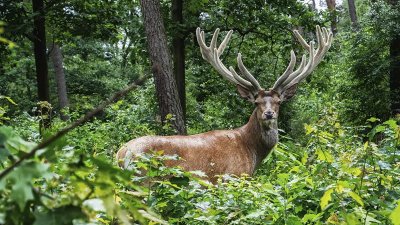
Whitetail deer have a variety of food sources. Plants including grass, leaves, cactus and legumes, clover, and even hay make up most of their diet.
They have been observed to eat some species of plants and fungi that humans cannot including poison ivy and mushrooms.
Though rare, Whitetail deer have been observed consuming field mice and baby birds, and will even cannibalize the bones of their own dead to consume the necessary calcium they are not receiving in their usual diet.
Hunting Season:
for the vast majority of the United States, hunting season with a bow for Whitetail deer begins sometime in mid-September and will run through late January to early February.
Rifle season usually begins sometime in October (primitive weapons) and runs through early to mid-January with modern rifles beginning sometime in November.
The Rut:
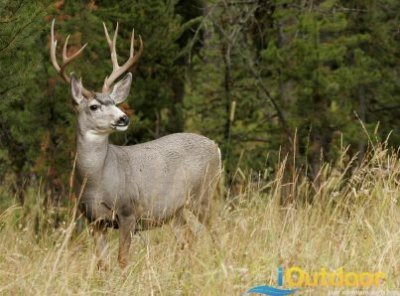
Throughout the deer hunting season, the most talked about time is referred to as the rut. During this time, female deer go into heat (estrous doe) meaning they are ready to mate. Hot doe urine will attract a mature buck Via the hormones in it, signaling to other deer she is ready to mate.
Most Whitetail hunters will use either a synthetic or harvested version of this estrous on rags or other cloth to lure a big buck in during the peak rut. Other hunters will spot and stalk females, using the female deer activity as a lure while waiting for a whitetail buck to come out.
Female deer can reach sexual maturity at ages as young as six months, however much of this is dependent upon nutritional availability in the habitat as well as a population of deer.
The Whitetail rut can start as early as September, however, it usually begins somewhere between October and November and can run as long as the entirety of hunting season.
Before the rut, bucks will shed the velvet on their antlers. Caused by sparring with other bucks, clashing over territory, does, and food. A buck will mark its territory by scraping a tree. Using its antlers and creating a gouge in the wood known as a rub.
Additionally, they will often scrape the ground beneath this rub referred to as a scrape, and urinate inside of it, marking their territory.
During the height of the rut, Bucks will begin to battle in a much more aggressive fashion, often resulting in injuries and occasional deaths.
During this time, between chasing does and fighting for dominance, big bucks can lose over 20% of their body weight.
Broken down:
The beginning:
The initial part of any hunting season just after opening day can yield excellent results but does come with its own set of challenges.
Earlier in the year is usually limited to primitive weapons and bow hunting. During this time, the weather conditions have usually not begun to turn cold, and this is usually pre-rut.
Particularly in the southern portions of the United States, hunters will deal with insects, reptiles, and warm weather making time in a tree or box stand or ground blindly uncomfortable.
In northern portions of the United States, the temperate weather and lower insect population often make for betting hunting earlier in the year though all of the annoyances can still be found in thick cover.
though only conjecture, some hunters speculate that during this time, the lack of individuals who exclusively rifle hunt in the woods combined with the lack of gunshots lends itself to the animals being less spooked and providing a higher chance of success.
Whatever the case may be, it doesn’t take long for the deer to recognize that humans are back in the woods and stocking them. This brings us to the middle portion of deer season.
Middle:
During this portion of hunting season, the weather begins to turn cold, the leaves drop from the trees and fall is in full swing, transitioning closer to winter. The rut begins to kick it into high gear, with fighting and breeding activity occurring on a daily basis.
During this time, where Whitetail deer may have often been spotted in daylight, moving through open spaces and often spotted in open fields, they are gone.
It is as if a switch has been flipped, and the deer begin a different cycle, becoming more nocturnal and venturing out in daylight mostly around the dawn and dusk hours.
This is when the bucks begin to lose weight and their feeding schedule takes a back seat to mate.
Late:
Late in the hunting season, the weather is usually coldest, the rut is coming to an end, and food is scarce.
Oftentimes, deer can be found in the earnest parts of the day as opposed to morning or dusk due to the cold temperatures. They will also take a higher level of risk venturing into open spaces due to the lack of food if fields are stocked or bait is placed out for them.
Additionally, salt licks are excellent tools for hunters to use, placing is near crossroads or fields can yield excellent.
Those still hunting should focus on the moon cycle during this time of year. They will have better luck when selecting times to hit the stand or blind.
Moonless nights with low temperatures make it virtually impossible for deer to navigate at night. Forcing them to feed during daylight hours while high Illum and warmer nights mean the deer are probably active at night and bedding down during the day.
Methods of hunting:
Tree stand hunting:
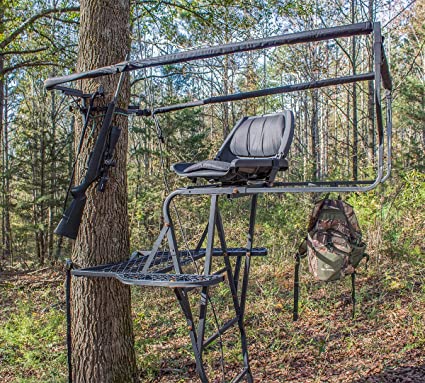
Open, elevated platforms usually involve a metal bench seat secured to a tree that allows hunters an overlook of the designated hunting area.
Styles: Climber, Lockon, Ladder Stand
Ground blind hunting:
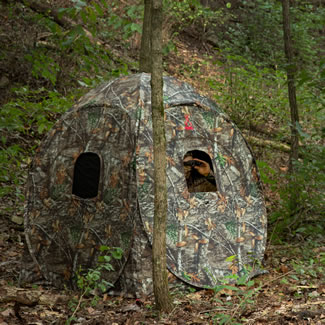
A structure placed on the ground level conceals the hunter with a view of the designated hunting area. Most hunters in the south prefer pop-up blinds, but in some northern and western states where Coues whitetails can be found, fixed ground blinds are used to keep hunters’ feet warm in the cold while ambush hunting white-tailed deer.
Styles: Box Stand, Mesh wrap
Freestanding Stand hunting:
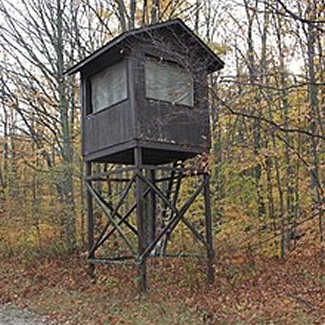
A freestanding structure that elevates the hunter over the hunting area not attached to trees.
Styles: Box Stand, Tripod
Stalking:
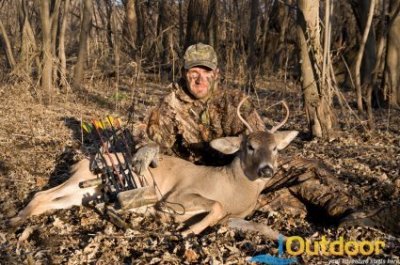
Often done in less wooded terrain, stalking white tail is a viable option in the back or open country. However, due to the skittish and shy nature of Whitetailed deer, hunters must pay close attention to winds and concealment, focusing on the efficiency of movement and line of sight.
If you hear the snort or wheeze of a deer before seeing them or can see their body language change, it probably means they scented to you and are spooked, quickly vacating the premises.
One hunting skill most is fine-tuned when hunting whitetails on foot as the slightest change in wind direction or wrong movement can spook deer.
Deer Drives:
This method has hunters set up along ridges or wood lines with other hunters or dogs heading into the deer’s home range to flush them towards the waiting hunters.
Weapons:
Rifle:
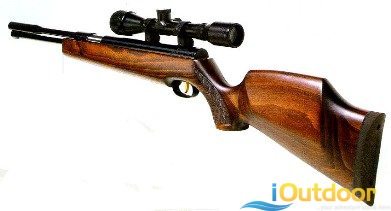
Rifles are probably the most popular method of hunting Whitetail deer. With a variety of calibers out there, it’s important to know which one is best for you.
.30-06 Springfield
Probably the most popular cartridge for deer hunting, the .30-06 uses between a 150-200 grain bullet to safely and humanely take an animal with a good shot inside of 300 yards.
Though effective shots have been taken with this round at further distances. This round is best used inside of 300 yards and is great for any novice Hunter. Has the perfect blend of power and recoil on an ergonomic-friendly platform.
.243 Winchester
Often the introductory gun is for children hunting Whitetail deer. This meets the minimum standards for most state legislation on rounds designed for a big game. An ideal rifle for beginners, this round is recoil friendly. Yet can easily take a deer at 200 yards with an 80-grain round.
6.5 Creedmore:
The 6.5 Creedmoor blends accuracy, distance, and shoot ability into a round that punches well above its sleek design. Capable of knocking down deer at well over 600 yards, the 6.5 Creedmoor is a flat shooting cartridge great for intermediate-level shooters.
.308 Winchester
A perennial favorite of deer hunters. The 308 is a tried and true round that has put more than a few trophy Whitetails in the ground.
A 150 to 180 brain 308 round is perfect to knock down deer in excess of 500 yards. While being heavy enough to handle light foliage and winds that may knock other rounds off trajectory.
7 Remington Magnum
Great for nailing Whitetail out to 500 yards, the 7 mm has little difference in point of aim/ point of impact from 100yds out to 365ds. Another flat shooting cartridge, 175 grain is the sweet spot for knocking down whitetail at distance.
300 Winchester Magnum
Some might call it to overkill, but my personal favorite cartridge is the .300 Win Mag. Pushing past 500yds, this hard-hitting round still brings with it 2,000fps, more than enough to knock down a trophy buck in stiff winds and some brush.
At distance, the 200-grain 300 Win mag can push lethality on a whitetail out to 1,000 yards. Although it takes a skilled marksman with a tough shoulder to take shots like that. An excellent gun for backcountry hunting, the 300 win mag is the perfect gun for experienced hunters looking to take longer shots.
Bow:
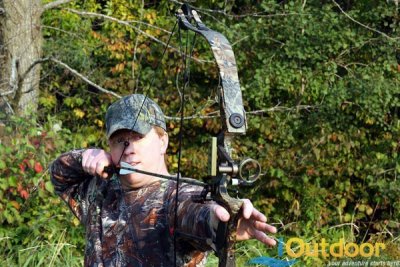
The bow is a traditional method for hunting Whitetail that predates firearms by millennia. Silent with a higher emphasis on the skill of the hunter. Now hunting requires closing the distance with whitetail to inside 50yds for bow range.
The minimum draw weight when bow hunting for Whitetail sits at about 40lbs. Which is a great starting point for novice archers. Many bow hunters I know prefer draw strength between 50-60lbs when hunting Whitetail with longer shots requiring an even heavier draw.
While some hunters may prefer 100-grain heads, it’s recommended to use 125-grain or above.
Two types of heads:
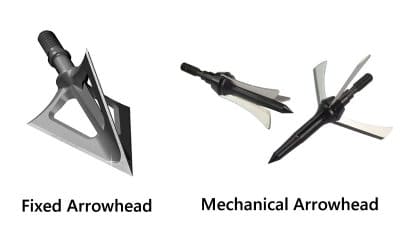
Fixed head
A fixed broadhead with no moving parts, the head screws into the shaft. It remains in the same shape shot through impact.
Pro: Better at punching through bone and tissue.
Downside: Risk of over-penetration.
Mechanical Head
A broadhead with blades that widen on impact, creates a larger entry and exit wound, causing greater damage on impact.
Pro: Creates more tissue damage on impact.
Downside: Can damage the meat and create severe organ damage.
Shotgun:
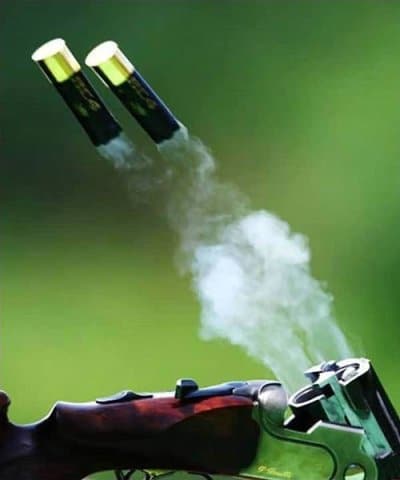
The shotgun is another popular weapon used when hunting whitetail deer. With a limited effective range that tops out around 100yds (slug) and 50 yds (buckshot), it is a great introductory weapon for hunters just getting started.
Popular gauges for shooting Whitetail include 20 Gauge, 12 Gauge, and 10 Gauge.
The two most effective shells for hunting deer are Buckshot which shoots a spread of large pellets. And the Slug which is a large unrifled round.
Target locations:
Whitetailed deer like all other animals require three things.
- Food: A food source can be a grassy field, a feeder filled with corn, or a tree dropping lots of acorns.
- Water: Stagnant water doesn’t count, fresh water easy to access such as a pond, stream, small river, or lake are common watering holes.
- Shelter: Deers need a bedding area, oftentimes this is in thickets and dense brush that provides concealment from predators and some respite from the elements.
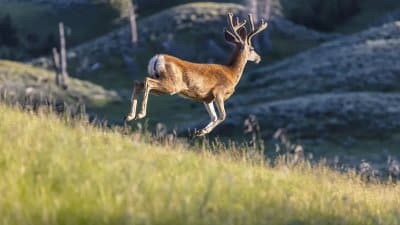
Because these three things are almost never in the same place, there are two methods hunters can go about targeting whitetail using this information.
-
- Target travel routes: Deers are creatures of habit and will often take the same route to and from these three necessities. Using trail cameras, hunters can locate a travel corridor and set up a blind or tree stand location overlooking pinch points to target deer traveling to their next stop.
- Oftentimes, food and water will be in close proximity to one another, and hunters can set up a blind or stand overlooking these necessities and kill a Whitetail as they head to feed or drink from the watering hole.
Note: Each state has its own regulations about hunting over food plots or bait introduced into the environment via feeder or manual placement. Make sure to check your local regulations before setting out any bait.
Best states for hunting Whitetailed Deer
While there are a variety of locations throughout the United States you can hunt Whitetail. Here are 10 of the best states for hunters to visit for this species.
Texas:
with an estimated population of 40 million Whitetail, the deer here hold true to the adage that everything is bigger in Texas. A vast majority of all trophy hunting for Whitetail deer occurs on private ranches in Texas. Expensive and exclusive, these can be difficult for out-of-state hunters or those on a budget to visit.
However, there is a large amount of public land with a solid Whitetail deer population. Readily available for both resident and nonresident hunters in the state of Texas. Make sure to check the local regulations and do research before visiting the great state of Texas to hunt Whitetail deer.
Wisconsin:
With an estimated population of Whitetail deer of 1.2 million. Wisconsin produces the most Cover of magazine-worthy dear, on both public and private land. With a little research, some resident expert guidance, and a healthy dose of patience. Hunters can easily bring home a massive rack of Whitetail deer from Wisconsin public or private land.
Kentucky:
Kentucky has an estimated population of 900,000 Whitetail deer within its borders, but a limit of one buck per year. With that said, some incredible bucks have been logged within this state, with over 345 bucks killed since 2010 making the Boone & Crockett record book.
Indiana:
Within the 55,000 acres of public land available to resident hunters of Indiana. There is an estimated population of 1 million Whitetail deer. With some of the most active deer during the rut throughout the country. Indiana holds three of the top counties in the nation to consistently produce trophy-level Whitetail bucks.
Minnesota:
Thought to have a Whitetail population of 1 million throughout the entire day of the state. The majority of Minnesota’s public hunting land sits in its northern region, remote and more difficult to access. With that said, the majority of the trophy-level box killed within the state can be found in a small quadrant of southeast Minnesota. Hunters to find a solid crop of Whitetail throughout the entire state. However, publicly accessible land is the best bet for out-of-state and non-land holders.
Kansas:
With an estimated population of 650,000 Whitetail deer. The state of Kansas may have a lower number than other states on this list. However, in the past 10 years, it has produced 239 trophy Whitetail that had made it into the Boone and Crocket record book. With miles of publicly available hunting land and land access programs granted by landowners and farmers. There’s no shortage of opportunities to hit tumbleweed central and take down a trophy Whitetail.
Missouri:
The Whitetail population of Missouri is estimated to sit at around 1.3 million deer. And a decent percentage of those are trophy bucks. With an unusually low population of hunters despite the prevalence of Whitetail. This two-buck per-season state has a handful of restrictions including (one buck taken by now and antler specs). It is one of the easiest states for non-residents to hunt as it does not require a lottery or tag drawing process for you to head out in search of a trophy Whitetail.
Illinois:
Illinois has an estimated population of 850,000 Whitetail within its borders. Renowned for its golden triangle, this conglomeration of three counties has produced some of the most beautiful deer ever harvested.
Receiving national recognition for the trophy Whitetail produced from this small area. The remainder of Illinois still produces great Whitetail hunting throughout the entire year, particularly during primitive weapon season.
Iowa:
With an estimated population of 400,000 Whitetail deer. Iowa is often overlooked despite its production of some of the largest bucks throughout the United States. The 300,000 acres of publicly available hunting land make for plenty of chances to track down a trophy. The only downside to hunting in Iowa is the high demand for buck. Tags which take nearly 3 to 4 years for nonresident hunters to acquire.
Ohio:
The Whitetail population of Ohio is estimated to be 800,000, Add hunting has only improved in the past decade. 370 bucks since 2010 have made their way into the Boone and Crocket record book. The state provides a bow hunters paradise, with primitive weapon season beginning early in the year and running through the rut.
Whitetailed deer are a popular species amongst hunters throughout North America. Delicious and wily, they make excellent quarries and provide a great species for anyone starting their big game hunting journey.
Make sure to check your local regulations and complete your hunter safety course. And purchase a hunting license and/or tags before heading out on your Whitetailed deer hunt.
[/fusion_text][/fusion_builder_column][/fusion_builder_row][/fusion_builder_container]

iOutdoors Blog, Backcountry Fishing, Fishing Destinations
[fusion_builder_container type=”flex” hundred_percent=”no” equal_height_columns=”no” menu_anchor=”” hide_on_mobile=”small-visibility,medium-visibility,large-visibility” class=”” id=”” background_color=”” background_image=”” background_position=”center center” background_repeat=”no-repeat” fade=”no” background_parallax=”none” parallax_speed=”0.3″ video_mp4=”” video_webm=”” video_ogv=”” video_url=”” video_aspect_ratio=”16:9″ video_loop=”yes” video_mute=”yes” overlay_color=”” video_preview_image=”” border_color=”” border_style=”solid” padding_top=”” padding_bottom=”” padding_left=”” padding_right=””][fusion_builder_row][fusion_builder_column type=”1_1″ layout=”1_1″ background_position=”left top” background_color=”” border_color=”” border_style=”solid” border_position=”all” spacing=”yes” background_image=”” background_repeat=”no-repeat” padding_top=”” padding_right=”” padding_bottom=”” padding_left=”” margin_top=”0px” margin_bottom=”0px” class=”” id=”” animation_type=”” animation_speed=”0.3″ animation_direction=”left” hide_on_mobile=”small-visibility,medium-visibility,large-visibility” center_content=”no” last=”true” min_height=”” hover_type=”none” link=”” border_sizes_top=”” border_sizes_bottom=”” border_sizes_left=”” border_sizes_right=”” first=”true”][fusion_text]
Catfish are a species of freshwater fish that is native to Louisiana. Prized by consumers and anglers alike, it’s one of the state’s primary protein sources throughout seafood dishes. With three main species, catfish can be caught in a Myriad of freshwater locations.
While Louisiana is home to a wide variety of freshwater species, catfish remains a long-time favorite among anglers and culinary experts.
Catfish make up a large portion of the angling done in Sportsman’s paradise and can be caught in almost every body of water.
Catfish species
Although there are a few other species, Louisiana is home to three major species of catfish. Weighing anywhere from a few ounces to over 100 pounds, each species could be easily discernible to anglers who know what to look for. Thanks to their distinctive feeding patterns, habitats, and distinguishing features.
Blue catfish
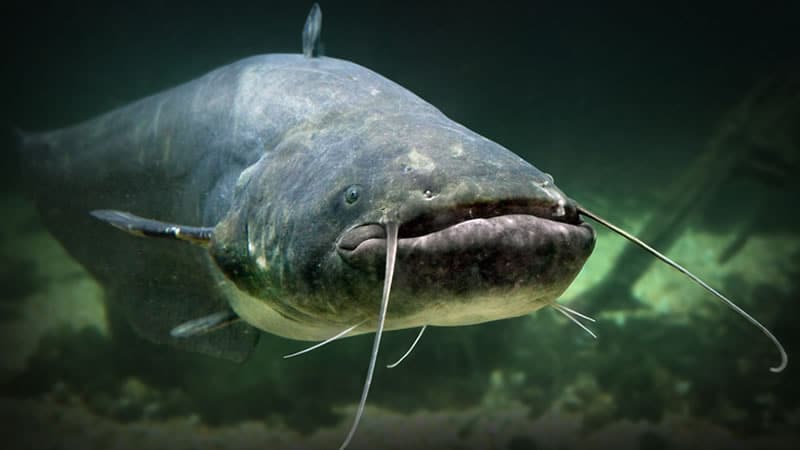
A fork-tailed catfish that earned its name from the slate blue coloration of its back. The blue catfish it’s both a scavenger and a predator. Preferring the cool waters of deep tributaries and channels and rivers. Blue cats can be found enjoying Clearwater over Sandy, Rocky, or gravel bottoms.
Juvenile blue cats have a diet that consists primarily of small fission invertebrates. While mature blue catfish consume mussels, crawfish, and larger fish.
The average size is between 20 to 40 pounds, and both male and female blue cats reach sexual maturity after 24 inches. The average lifespan of a blue catfish since between 20 to 30 years.
Relying primarily on their sense of smell, blue cats prefer bait with a strong odor, preferring life or recently deceased natural bait, although artificial bait has been noted to work.
Channel catfish
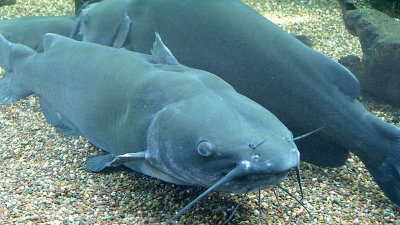
coming in a variety of colors, the channel catfish has a jutting upper jaw and an aggressively forked tail. Coming in every shade between slate to olive, channel catfish have even been spotted to have gray or blue hues. Are often speckled with black or dark gray spots along their back.
Preferring the calmer waters of Louisiana, these white-bellied catfish prefer slower-moving bodies of water such as reservoirs, large rivers, and lakes.
A close second to bass as the most angled fish in the sportsman‘s paradise. Channel catfish are found in nearly every waterway in Louisiana and are delicious on a dinner plate.
Punch baits often work well for channel catfish, although crawfish and nightcrawlers have been known to be effective for these bottom feeders.
Flathead
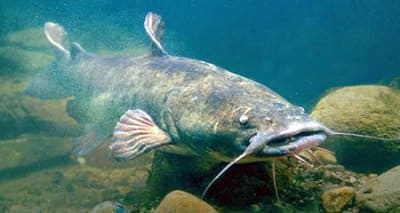
Also referred to as the yellow catfish, shovel head, and Appaloosa catfish, the flat head catfish can often be confused with the other two species. However, with its unique coloration and smooshed head, this yellow and dark olive catfish can be told apart by a few of its unique features.
Reaching lengths of over 4 feet and record weights of over 100 pounds, the flat head catfish orange its name from nasty underbite and upside down the shovel-shaped head.
One of its most distinguishing features, which allows it to be told apart from the other two species, is that its tail is notched, not forked.
Solitary predators, these lone catfish, prefer to lurk beneath the underwater structure in creeks, streams, and river banks.
Often found under submerged logs, trees, and undercut riverbanks, these aggressive catfish are ambush predators that rely solely on live prey as their food.
If you can find slow-moving, murky water with structure, a flathead catfish is likely somewhere close.
Time of Year:
While most would assume that the best time of year to angle for catfish is the summer, the best catfish bite occurs during the spring and fall.
During this time, the catfish replenish from their winter lethargy or story up for the colder months.
Late Spring and early summer is also the spawning season, and many species migrate to nesting grounds upstream, with males remaining there until the eggs hatch to prevent other fish from consuming their young.
The bites are ferocious, and the action is nearly nonstop.
Time of Day:
During the warmer months, anglers can target dawn, dusk, and nighttime. When the fish will be seeking responses from the sun and looking to hunt in the shallow water.
During the cooler months, the warmer portions of the day will yield the most success. As catfish will seek out the warmer, shallower to hunt.
Bait
Natural
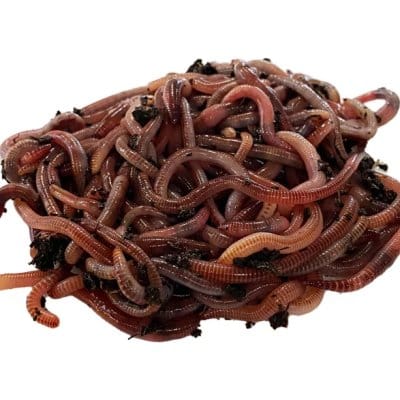
Chicken liver, nightcrawlers, crickets, sausage, and even corn have been observed to hook catfish in Louisiana. Less notable baits include Small perch, minnows, crabs, shrimp, and shad
Artificial
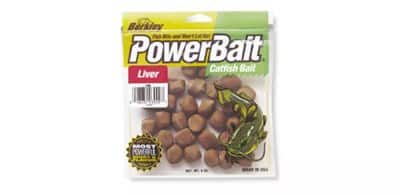
Punch baits, soap baits, and the variety of Gulp products on the market have proven to be quite effective when angling for catfish.
Top 5 Catfish locations in Louisiana
Povert Point
A 2700-acre Reservoir built in 2001 near Epps, Louisiana corners the market on the state’s channel catfish population. Lacking any flathead or blue cats, poverty point produces channel catfish consistently between 4 to 6 pounds. With 15 pounders having been reported by individuals and researchers.
With few natural predators, the area is rich in shad and crappy, both on the channel catfish’s menu. Despite being a popular fishing location, its channel cat population is relatively untouched.
Lake D’arbonne
A Premier catfish habitat, Lake D’Arbonne is located just outside of Farmerville and holds a variety of catfish, including flat heads weighing over 50 pounds.
The blue catfish are scarce in lake D’arbonne, the flat head and channel catfish action is consistent throughout the year. With a strong Shad population, anglers would do well to place these small fish beneath a cork or type line them next to the structure.
Red river locks and dams
Some of the best catfishing in north Louisiana is found on the red river. Home to a sizable population of blue catfish due to the rocky bottoms and deep water.
An excellent fishing location for all species, blue flathead catfish scavenge throughout the basins of each red river lock. Numbers 4 and 5 hold some of the largest catfish caught in the state.
With flat heads and blue cats weighing over 40 pounds recorded in these waters. Dwight Hendrickson’s 2493-pound blue catfish in lock five set a precedent for some of the best big catfish fishing in the entire state.
Black Lake:
A cesspool of leviathan-like catfish, the black lake boasts a regular catch of flatheads. Many are over 60 pounds in its 13,800-acre Lake which connects to the red river through bayous. Rich with prey such as Shad and crappie, the black lake is also full of submerged structures like downed trees and stumps, providing perfect cover for ambush predators such as flathead catfish.
Containing a variety of species, including blue, channel, and flathead catfish. Blacklidge is often claimed to hold some of the best catfish fishing holes in Northern Louisiana, if not the entire state.
Toledo Bend
Known for producing large bass and a staggering number of crappy, Toledo bend also provides a strong catfish populace. Rich with roots, logs, rocks, and undercut banks, Toledo bend provides some of the best catfish habitats in the southeast. Yet is still readily accessible for both shore and boat anglers.
Its 185,000-acre footprint is home to blue, channel, and flathead catfish, with cats in excess of 72 pounds recorded caught there.
Many anglers find success suspending cut bait. Crawfish, shad, or nightcrawlers from a cork in the middle to lower portions of the water column.
Honorable mentions:
- Lake Salvador
- Lake Maurepas
- Grassy Lake
- Lake Ponchartrain
- Mississippi River
- Vernon lake
Conclusion
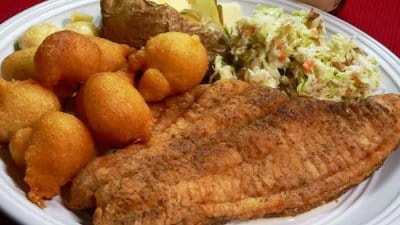
One of the best states to angle for catfish in the US. Louisiana lives up to its name of sportsman‘s paradise with quality catfish at scenic locations. With plenty of locations to angle from, check the local and state regulations before hitting the waters of the sportsman’s paradise in search of monster catfish.
[/fusion_text][/fusion_builder_column][/fusion_builder_row][/fusion_builder_container]

iOutdoors Blog, Bass Fishing, Bass Fishing, Central Florida Fishing, Fishing Destinations, Fly Fishing, Kissimmee Fishing, Lake Okeechobee Reports, Lake Tarpon, Lake Tohopekaliga, Largemouth Bass, Palatka Fishing, Rodman Reservoir Fishing
Crappie fishing is often overshadowed by the state’s reputation for trophy largemouth bass fishing. However, never let that stop you from planning a trip to catch a mess of tasty slabs.
Florida is consistently at the top crappie states in the nation, due in large part to its abundance of lakes and rivers, as well as warm seasonal weather.
This article will share how to catch crappie in Florida and where the seven best places to go fishing are in Fl.
About Speckled Perch fishing in Florida
Crappies are found everywhere in Florida. Crappie can sometimes be called speck. Also, they have been called perch and sometimes called speckled perch. While crappies are often found around fallen trees, they are also well adapted for aquatic habitat, which Florida lake has abundantly.
Crappies spawn during winter in Florida. The same week varies according to the region in which the county you are fishing. It could be as early as January in the southern part, while in Tallassee, Crappie spawns in March near the border.
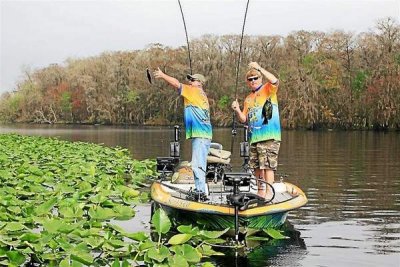
They are so acceptable to be caught that they usually school in larger groups in shallower waters then go near the bank or shallow bottom to spawn. An excellent chance for anglers to catch them!
Top Florida Crappie lakes
Top speckled perch crappie lakes in Florida were the most common popular panfish before introducing Cichlids species. Even though Florida crappies are caught year-round, they’re really at their peak between the end of the summer and early spring.
Great time to bring family and friends to enjoy the most affordable fishing for Crappie in Florida. Florida was once known as the Speckled Perch Capital of the world. This vast state and all the lakes have abundant crappie-producing slab-sized crappies. While states like Texas and others also have great fishing for crappies, Florida has the most variety of fishing styles. Let’s talk about some of the prime areas!
NORTH REGION
Tallahassee, FL
Look no further than the state capital for an excellent crappie experience in a beautiful setting. Lake Talquin is the regional favorite here, and it’s where a state record crappie weighs in at a whopping 3.83 pounds.
Rolling hills, moss-draped oak trees, and a slow pace make the Tallahassee area admired by many. Other famous lakes for crappie include Lake Miccosukee, Lake Seminole, and Lake Jackson.
The north region is an excellent destination for striped bass, catfish, and crappie in the area, especially near the dam. In addition, the Ochlockonee river offers excellent fishing opportunities for all the above!
In Alachua County, Orange Lake is the most significant public lake. The shallow lakes are designated fish management areas about 20 miles southeast of Gainsville, Florida. Orange lake public boat ramps offer quick access to Marjorie Kinnan Rawling Park. The vast open water area is enclosed in shallow, dense vegetation with extensive marshes great for Florida black crappie. As a result, Orange lake has a diverse habitat plentiful, and these fishing activities have been flourishing recently.
NORTHEAST REGION
Palatka, FL
If you are familiar with Crappie USA events and other large crappie tournament circuits, you’ve likely heard of Palatka, FL. Situated on the St. Johns River, this historic town offers river fishing and access to a chain of lakes that are known to produce big specks.
Speck is the term locals often use to refer to Black Crappie in Florida.
Famed trophy bass Rodman reservoir, known for its bass fishing, also has many good crappie fishing opportunities. In addition, St Johns River, Lake George, Crescent Lake, and Dunns Creek are popular areas and hold plenty of hungry fish.
The mighty St. Johns River is the lifeline to this area and makes for a beautiful setting to fish for crappie with no shortage of fish camps and rentals.
For years now, Lake Marian – Osceola County has been known for its crappie populations and crappie size. Anglers usually catch crappie trawling minnows off of Whiskey Point. Jig fishing is excellent on nearby native vegetation, shrubs, and flower beds while the crappie spawns. Most crappies that have been from Marian are more than 10 inches long.
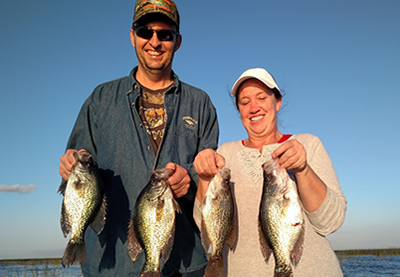
SOUTH REGION – LAKE OKEECHOBEE
Okeechobee, FL
Lake Okeechobee is so giant it made our list twice. First, the small hometown of Okeechobee City is situated in the North part of the lake. It offers a distinctly different atmosphere and environment than the south end of the lake.
It is not uncommon for anglers to get their per-person bag limit of crappie and then transition to largemouth bass or bluegill fishing. So you’d be hard-pressed to find an article about fishing for Crappie in Florida that doesn’t mention The Big O.
Okeechobee has always featured trophy largemouth bass, and Trophy Catch submissions by bass anglers prove that. In addition, the crappie numbers are often recognized nationally and internationally as the most popular tourist attractions. As a result, Okeechobee is among the best waters to qualify for qualifying submission during the nine completed Trophy Catch seasons.
Clewiston, FL
Clewiston is a small town on the world-famous Okeechobee lake situated on the southwest banks. Here you’ll find the Jolly Rogers Marina and no shortage of experienced black crappie anglers going fishing.
The Big lake supports a robust commercial and recreational fishery. The lake has a shallow average depth of 8 feet. Fishing for crappie is commonly in the weeds, channels, or rivers. Bait of choice is small jigs and Missouri minnows.
If you’ve never been, do yourself a favor and check it out!
CENTRAL REGION
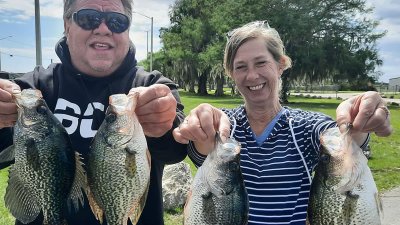 Sanford, FL
Just a stone’s throw away from Orlando and the Spacecoast, this river town is known for Lake Monroe and Lake Jessup. Both lakes are within the Upper St. Johns River system, which offers spectacular scenery.
When planning your trip, pay special attention to water levels- low water levels on the river can concentrate fish and make for phenomenal fishing. Lake Monroe has been a staple black crappie lake for years!
Lakeland, FL
Polk County host, the city of Lakeland, is situated roughly between Orlando and Tampa Bay off I-4. As its namesake suggests, there are plenty of lakes to choose from in this area ranging from small ponds to 2,000+ acres lakes.
Check out the Tenoroc Fish Management Area for a unique spin on fishing for crappie. It’s a series of reclaimed phosphate pits managed and stocked by the state for 20+ years.
Lake Parker, Banana Lake, and the Saddle Creek Recreation area are other famous lakes.
Kissimmee, FL
On the heels of Disney World and other central Florida attractions lies the historic cattle town of Kissimmee, Florida. The Kissimmee river flows through this area, and the chain of lakes along its path are known as Prairie lakes.
These shallow, grassy, and sand-bottom lakes make for excellent crappie habitat. Famous lakes include Lake Kissimmee, Lake Toho, Lake Hatchineha, Lake Cypress, and East Lake Toho. But don’t overlook smaller lakes such as Lake Marian, Alligator Lake, or the Kissimmee River.
Why Fish for Florida Panfish and Crappie
The article is primarily about Florida fish and crappie species. Both crappie fish offer anglers a great sport with light tackle with great food! In addition, freshwater panfish is very popular around the country. The Florida panfish population includes several different species.
Next to crappie, the bluegill, warmouths, and redear are most popular. In recent years many other types of cichlids have become very popular. The crappie is the most populous panfish, and perhaps it’s favorite. All panfish varieties are delicious. In South Florida, the Oscars and Mayan cichlids have become popular with anglers that target crappie because they are tasty panfish.
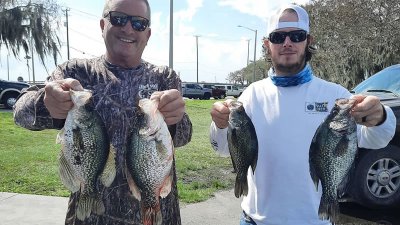 How to Catch Florida Panfish?
Speck anglers who are fishing will usually use floats at least two feet above the water surface. The rig will be fished towards the weed line, over submerged vegetation, and may also be close to an underwater tree stump. In the summer months, your fish without a float and fish deeper, which could consist of 6 to 15 feet of water.
The bait should remain in the water while it’s waited for some time so the fish can see it. The slackline is tightened when the float disappears until the hook is firmly in the fish’s mouth. Artificial lures and flies also can be thrown in similar locations. During your preparation, be sure to research the correct types of fishing hooks, this will land you additional fish. Generally, panfishing is a slow, steady, and efficient retrieval process no matter the lure or bait.
Best Florida crappie fishing lures and baits
Most anglers target crappie with small baitfish. So known as Missouri minnows or baits that resemble them are ideal for the future. Live minnow is a typical breed used for Florida crappies as live bait, most often for commercial use.
These are available for fishing in shallower waters on rigs deep below the surface. We love using jigs to catch crappy. Whether vertically cast or trolling a waterway, it is a versatile bait to use. The 1/8 ounce jig works perfectly. Chartreuse is a color of high intensity on dark-colored waters. However, the crappie lies near the river’s edge in cleaner water during the spawn seasons, so white, silver, and other natural colors will work.
Fishing for all Florida Panfish
Fishing for panfish is easy for most Florida anglers and most anglers in general. Many people grab an 18-foot cane pole with a light line. A certain kind of bait such as worms, Missouri minnow, or crickets is expected, and they head to the fish hole. These types of fishermen have a great relaxation and are still very effective today.
While cane poles can be helpful, spinning tackles can be more versatile. Spinning rods give anglers a reasonable distance for casting very light baits and lures. In addition, a spinning rod can be pretty inexpensive these days. A reliable rod is available for around $70. Below are links to some suitable spinning outfits.
Crappie
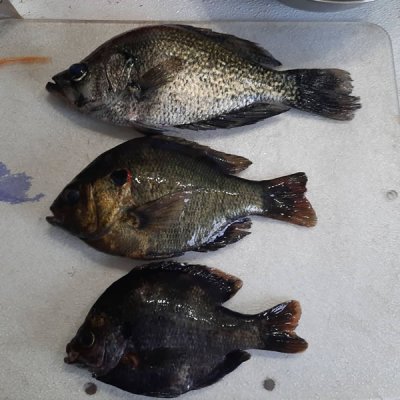 Black Crappie, commonly known as the speckled perch and the speck, is a favorite of the Florida summer. Occasionally crappies can weigh more than three pounds. Florida state record books show Lake Talquin produced 3.82-pound crappie. The following areas listed in this article are considered the high potential for black crappie production during 2022.
Bluegill was the most common and most abundant species of panfish before the cichlid families came to Florida. Usually, southern fishermen call it the “bream.” The name means “brim.” They are very excited to catch and fight for their size, whatever your name. If bluegill weighed 5 pounds, you could never land it!
Bluegills are highly aggressive and easily caught with most bait and fly equipment. These species are like deep weeds in sandy soil, and they love wood. Among others, they like trees and the dock. Depending on location, Florida bluegill spawns during the full moon from May to July.
Spotted Sunfish (stumpknocker)
Sunfish or “Stumpknocker’ is also an incredibly common Florida panfish. This explains their love of woody structures. Spotted Sunfish mainly feed on plant material, and however, their aggressive nature makes them easily captured with any lure. These are smaller than the bluegills and have firm white meat.
Redear Sunfish (shellcrackers)
Redear Sunfish (also called shell crushers) is a prominent family member. They prefer shallower waters than most panfish. Despite hitting artificial lures, anglers aiming at redear Sunfish are more likely to use live minnows or worms as bait.
Warmouth
Warmouths can be highly aggressive and are more isolated than some fish. However, they’re broad and have an excellent fight. The warmouth generally prefers small bodies of water, notably streams or wetlands. They are a distance from their cousins in taste because they are eatable.
 Frequently Asked Questions
Where Is The Best Crappie Fishing in Fl?
Many locations throughout the sunshine state could claim the best crappie location in Florida. The 310 miles along St. Johns river and its numerous lakes are world-renowned for crappie fishing and very popular with residents and non-residents. Overalls would be on the top of the list because of their vast size and variety of waters.
Where To Catch Crappie In Florida?
Crappie can be caught through Florida, as we have written about, from the Everglades in South Florida to the extreme tip of Florida lakes in the panhandle. We have discussed many popular areas, including the Rivers, the Kissimmee River, and countless lakes throughout the state.
Try contacting a local guide, tackle shop, or Florida Fish and Wildlife Conservation Commission regional office in your area to find out about local crappie fishing near you.
How deep should I fish for crappie?
Crappie is known to spawn near shallow waters, usually around two feet in-depth, covered by sand or weeds, and easy access to deeper waters. I often found these near shore in areas where the water was murky and stained.
In the hotter months, anglers troll around deeper holes with spider rigging at varying depths in the water column. Anglers catch with this method is good for the black crappie management plan and white crappie for quality fish.
When Is Crappie Fishing Season In Florida?
Due to the warm climate, crappie can be caught year-round in Florida. Peak season coincides with the spawning cycle of crappie, which typically runs from December to early March.
What’s the best month for crappie fishing?
Crappie’s best seasons are in spring. The weather is good to hunt crappies moving from the deep water to spawning areas. In many Florida lakes like Lake Talquin, Lake Arbuckle, Lake Istokpoga, and Winter haven Chain, the fish move in large groups to feed, spawn and help each other protect the eggs.
Does Florida have size limits on crappie?
All states and fisheries have black crappie and white crappie limits. The limits are the same no matter the technique you use to produce fish, artificial bait, spinnerbaits, Hal flies, or fly fishing.
And sunshine bass (only five are allowed in the total length to be 22 inches); 50 crappies (specked perches must be at least 9 inches; 58 fish.
Do you have a favorite crappie tip you’d like to share? Is there something we missed? Which waterway would you recommend for a productive fishing day?

iOutdoors Blog, Bass Fishing, Cycling, Eco Tours, Fishing Destinations, Florida Fishing, Hiking, Offshore Fishing, Orlando Fishing, Water Sports
The Ultimate Disney World Resort for Outdoorsmen
One of the most popular family bucket list items is planning a trip to Walt Disney World. While “The Most Magical Place on Earth” has a strong princess vibe within the parks, families are ditching Main Street U.S.A. in favor of finding more unique outdoor adventures at the resorts!
Even in the depth of winter, Orlando sports mild weather with afternoons calling for short sleeves before layering up at nightfall. The resulting climate presents countless opportunities to get outside for some fresh air, and of course, get in a little fishing while the rest of the country is still waiting for their season to roll around!
Fort Wilderness Campgrounds, a Favorite of Outdoor Enthusiasts
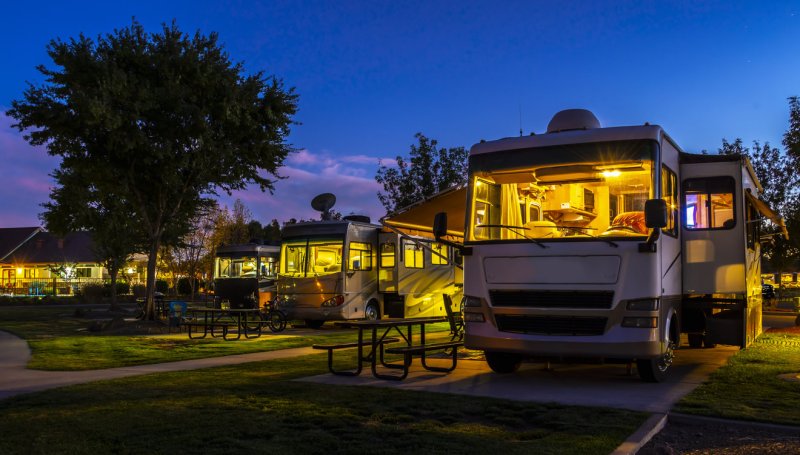
Today, we’re discussing the Fort Wilderness Campground, which has become a favorite Disney World resort among outdoorsmen and their families. With a huge variety of recreational opportunities, Fort Wilderness has become a destination worthy of a trip unto itself.
In fact, RV sites book quickly in winter months due to snowbirds spending sometimes weeks at a time at their luxurious sites. Those in the RV community that book longer stays will sometimes decorate their rig and surrounding site during the holidays. Christmas lights and inflatable lawn decor create a neighborhood vibe within the resort.
Disney’s Fort Wilderness Atmosphere
The Fort Wilderness Resort & Campground is a sprawling campus with several types of accommodations. Stays can include tent camping or more of a “glamping” experience in their cabins. Lobby areas, shops, and recreational buildings are designed to resemble rustic log cabins of the storied American frontier.
The resort is far more secluded than many of its counterparts. Which makes it far more likely to encounter local wildlife. Guests may see deer, armadillos, rabbits, ducks, and other Florida waterfowl.
Navigating the Fort Wilderness Transportation System
Disney World covers over 42 square miles. While bringing or renting your own vehicle can be helpful, it’s not necessary. Disney World has its own elaborate transportation network.
Disney’s Internal Bus System
One of the most reliable- and free- forms of transportation within the Disney World Resort (which includes the theme parks, the hotels, and Disney Springs) is its very own bus system.
Bus stops are scattered throughout Fort Wilderness at walkable intervals, where buses whisk you away to main buildings or to theme parks like Magic Kingdom, EPCOT, Hollywood Studios, and Animal Kingdom.
Boat Transportation to Magic Kingdom
A fun and unique way to travel to Disney’s Magic Kingdom is via a complimentary water taxi from Fort Wilderness. Boats depart every 15 to 30 minutes, hitting a handful of resorts along the edge of the Seven Seas Lagoon and Bay Lake.
Golf Cart Rental
Golf cart transportation is one of the keys to zipping around Fort Wilderness without waiting on bus transportation. You’ll find most attractions within the resort will offer parking for golf carts but not other motorized vehicles.
Electric golf carts are offered to guests for $63 per night and include the charger. Rentals are available to licensed drivers, 16 years and up.
Rideshare Programs
Guests are able to take advantage of ridesharing programs like Uber and Lyft to travel between parks and also to locations off the property. Local excursions like those provided by iOutdoors meet off-site to enjoy private fishing charters across area lakes!
Types of Accommodations Available at Disney’s Fort Wilderness
Fort Wilderness has perhaps the most diverse array of accommodations available to guests. Depending on how you like to camp, you have the luxury to “choose your own adventure” when booking your stay!
Tent Camping
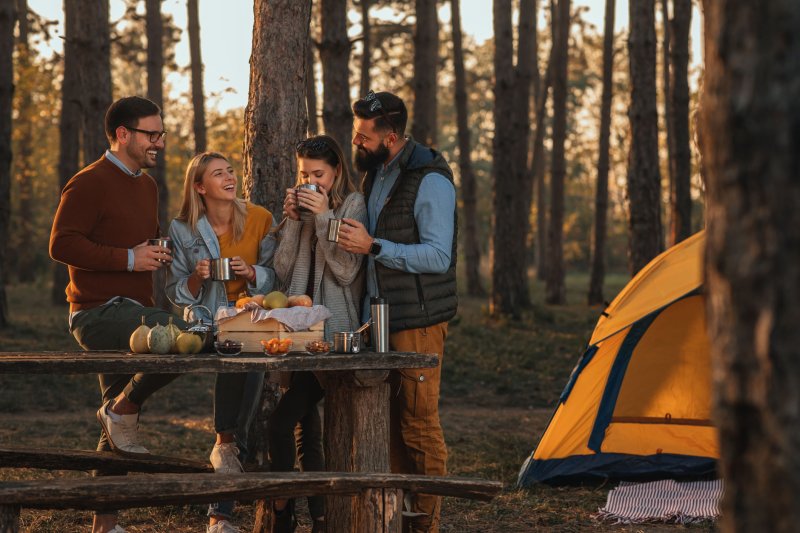
Sites for tents and pop-up campers come with a concrete pad of about 10’ x 25’ with the tent area just beyond. Sites also have potable water and both 30- and 50-amp hookups. If you are bringing a pop-up camper, just make sure both your camper and tow vehicle fit on the concrete pad. For mealtimes, each site also has a charcoal grill and picnic table alongside each pad.
The policy on tent rentals can vary depending on the resort’s occupancy, with rentals usually being reserved for parties of 20 or more. Tent rentals can run $30 per night, so on a longer stay, it may be better to either ship your own or pick up one in town before hitting the campsite.
RV Campsites
Fort Wilderness has some of the most well-manicured sites you’ll ever see. We’d expect nothing less from The Mouse, himself. Full hookups are available, including water, sewer, and access to both 30- and 50-amp hookups.
The pads measure 45, 50, or 60 feet long, with terms like preferred and premium denoting sites in close proximity to different amenities across the resort. We prefer a “Premium Meadow” site that’s close to the main building with access to the hub of bus transportation.
The Cabins at Fort Wilderness Resort
Perhaps you have a glamper in the family that’s happy to be landing at Disney World, yet they’re not all-in on a rustic camping experience. The Cabins at Fort Wilderness Resort offer amenities that you won’t find elsewhere like granite countertops, flat-screen televisions, and full kitchens including a dishwasher.
Each cabin has its own charcoal grill, picnic area, and deck to enjoy your morning coffee. Fort Wilderness is also the only resort with complimentary parking, with dedicated spots directly in front of each unit.
The resort’s sprawl provides a little extra privacy from your neighbors and plenty of room for the entire family to stretch out. Queen beds, bunk beds, and a sleeper couch can accommodate up to 6 adults.
Amenities and Facilities Found at Disney’s Fort Wilderness
Resort guests staying in tent and RV sites have access to clean and safe restrooms and shower areas at 15 different “Comfort Stations” throughout the resort. Many RVers choose to get cleaned up inside their rig, but many may opt for unlimited hot water.
Recreation at Disney’s Fort Wilderness
Disney’s Fort Wilderness Resort is seen as an oasis in the Disney bubble. While there are certainly Disney touches, life seems to move at a slower pace here. People come here to relax, whereas other resorts on property cater to the go-go-go crowd that’s more concerned with park-going and perhaps looking more for a place to rest their heads.
Boat Rentals
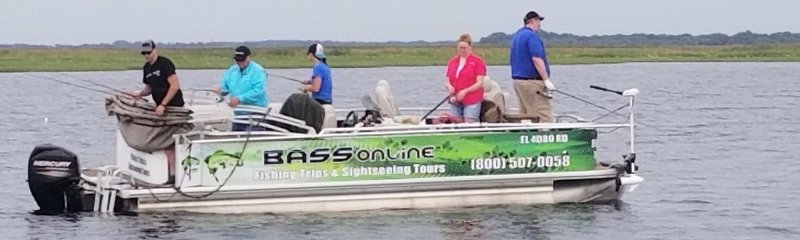
If relaxing to you looks like getting out on the water, Disney’s Fort Wilderness Resorts has several options to enjoy! For some motorized cruising, Disney offers Sun Tracker pontoon boats, which seat up to 10 guests.
If you are looking to explore the inland waterways at a slower pace, you and your family can rent a canoe by the hour, which can accommodate up to 3 people. Kayaks are also available for rent, which can seat up to 2 adults.
Disney does not allow guests to bring personal watercraft for use on their waterways. Rentals are available to those 18 years of age and older, with all guests 12 required to wear a lifejacket.
Fishing
If you’re up before the sun, you can make your way out to the Bike Barn for some dockside fishing. Gear rental is available, as well as bait. Shore fishing is not permitted around the waterways due to safety issues. Dock fishers will usually find catches like breen and decent-sized bass.
If you are intent on sailing Bay Lake, you can also charter a fishing excursion through Disney. Bay Lake is usually stocked with largemouth bass, although it seems catfish have found their way into the area as well.
As a quick reminder, all fishing on Disney property is strictly catch and release.
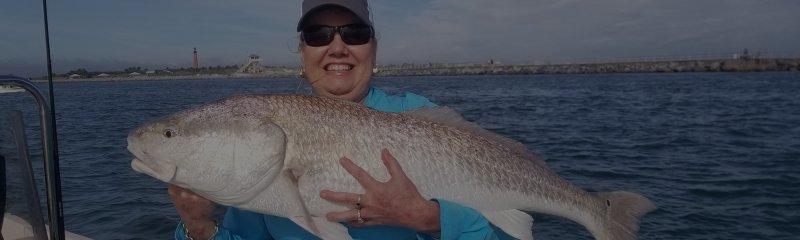
If you don’t mind a trip off property, you can treat yourself to a first-class fishing experience chartered by iOutdoor. Local area lakes are known for trophy largemouth bass. With access to both Atlantic and Gulf coastlines, you can create a truly memorable vacation when fishing for game-like grouper, snapper, mahi-mahi, redfish, and swordfish.
Archery
Families can take their best shot with a bow and arrow during a 75-minute archery experience. Staff trainers provide individualized lessons to guests 7 and older. Classes are small, with only 10 guests allowed at a time. After receiving instruction, resort guests can let their arrows fly during target practice.
All materials for the class are supplied, as Disney does not permit guests to bring their own archery equipment on site.
Bike Rentals
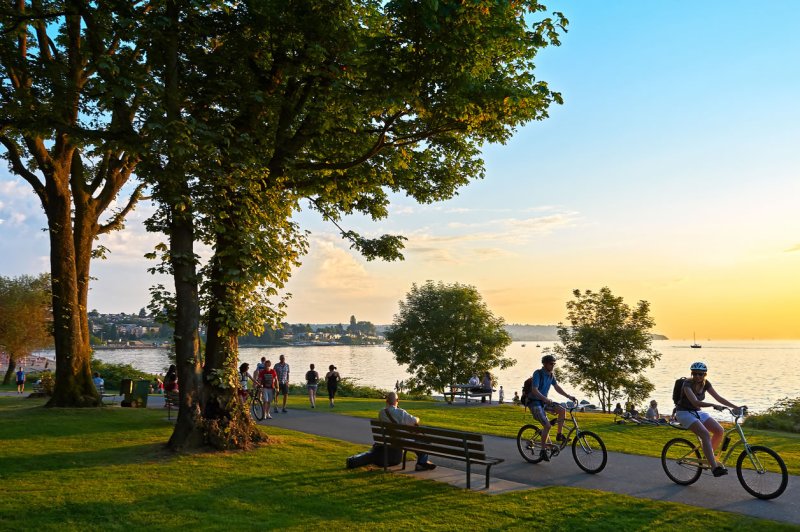
Disney does allow you to bring your own bicycle; however, if you’re arriving by airplane, you may want to visit the Bike Barn for some new wheels! Guests can pedal their way around the resort, taking in the fresh air, local wildlife, and breathtaking scenery. As a quick reminder, Florida law requires the use of a bicycle helmet for anyone under 16 years of age.
Segway X2 Back Trail Adventure
Guests 16 years and older can enjoy a guided tour of Fort Wilderness using an all-terrain Segway! Cast members share information about the resort and the natural surroundings via guest headsets as you traverse paved and off-road surfaces in wooded areas.
The tour lasts about two hours. Guests receive a 30 minutes tutorial on how to maneuver the Segway prior to departure.
Tri-Circle-D Ranch
One of the unique features of Fort Wilderness is Disney’s Tri-Circle-D Ranch. It’s unbelievable, the ranch is where the towering horses from Magic Kingdom’s Main Street parades are stabled. So not only does it offer guest recreation, it’s a behind-the-scenes look at the Disney magic! There’s even an exhibit featuring a historic 1907 calliope that was selected by Walt Disney himself!
For a more hands-on experience, your family can book 45 minutes, guided trail ride. For kids that may not be as experienced in the saddle, parents can lead little ones on a pony ride on an enclosed track.
Tri-Circle-D also offers horse-drawn carriage rides, wagon rides, and seasonally available sleigh rides. A quick tip: It’s strongly recommended to reserve exclusive experiences well in advance!
Pool Areas at Fort Wilderness
Disney’s Fort Wilderness Resort & Campsites offers two pool areas to serve the resort. Splash pad areas are available for the littles looking to cool off in the Florida sun. Parents will also enjoy hot tubs after a long day at play.
Snack bar areas are available nearby for a quick bite, and plenty of lounge chairs surrounding the pool area are a great way to relax. All Disney pools offer complimentary life jackets for swimmers of all ages. Be sure to bring your own towels from the room, as Fort Wilderness is the only Disney resort to not offer them poolside. However, you can, however, request fresh towels from “Mousekeeping” at any time.
More Sport Activities
However, if you’re looking to satisfy your competitive streak. Fort Wilderness also has both basketball and volleyball courts. In addition, it’s easy to keep your steps upon scenic jogging trails that wind throughout the resort.
More Family Fun
For instance, if after a long day in the parks, there might still be a little energy to burn off. All Disney on-site resorts, including Fort Wilderness, have playgrounds available for your little guys. Older kids will enjoy access to two different arcade locations on the property.
Dining at Fort Wilderness
Firstly, if you’re looking for a light bite or a dinner and a show. Disney’s Fort Wilderness has several dining options available without leaving your resort. Restaurants include quick service options like The Chuck Wagon food truck and hearty grub from P&J’s Southern Takeout. For a slower pace, enjoy castiron skillet meals at Trail’s End.
One of the most notorious dinner shows on the property is the long-running Hoop-Dee-Doo Musical Review at Pioneer Hall. After that, buckets of fried chicken and piles of BBQ ribs are followed by their iconic Strawberry Shortcake. If the food wasn’t enough of a draw. Moreover, the live song and dance that’s been performed for over four decades will get your toes tapping!
Final Thoughts
Disney’s Fort Wilderness Resort & Campgrounds is the perfect balance between a camping retreat and an immersive theme park experience. Families from all corners of the country come to unwind after a year at the grindstone, and the unique outdoor experiences of Fort Wilderness treat travelers to a rustic and welcoming stay.
In other words, now that the secret of this hidden gem is out. The event has seen a surge in popularity in recent years. Be sure to book your sites, dining, and experiences up to a year in advance. Up to six months in advance for dining! This gets access to tons of special experiences that your family will remember for a lifetime!
Have you stayed at Fort Wilderness in Florida before? How was your stay? What activities did you use? Got some other tips you’d like to share? Let us know in the comments below!

iOutdoors Blog, Deer Hunting Fl, Dove hunting Fl, Duck Hunting Fl, Hog Hunting Fl, Hunting Fl, Quail Hunting, Turkey Hunting
A Hunter’s Guide to The Best Waterfowl Shotguns
We tested three waterfowl shotguns at different price points and found the Franchi Affinity 3 to be the best overall value.
As a life-long hunter, I know the importance of picking out the right gear. Once you’re in your blind, you want to have confidence in the tools you’ve surrounded yourself with. That’s why I’ve compiled this waterfowl hunting shotgun buyer’s guide.
My favorite – the Affinity 3 – is inertia-operated, helping it shoot clean for more extended periods. The shotgun is a great shooter that’s easy to aim and always ready to go.
Of course, each hunter has their preferences. We’ve considered all these and compiled this waterfowl hunting shotgun buyer’s guide. Keep reading to learn more!
Waterfowl Hunting Shotgun Buyer’s Guide
When choosing the right waterfowl shotgun, a buyer must consider multiple aspects. While some features are simply a preference, some will significantly impact the performance of your shotgun.
Let’s take a look at some of these features.
Gas vs. Inertia: What are the Advantages?
This hotly debated topic has raged in gun circles for years. Let’s start by looking at how the two systems operate.
Gas-operated shotguns bleed off gas after your shot, moving the bolt toward the back of the gun and ejecting the spent shell. The following shell is loaded when the bolt returns forward.
Inertia-driven guns hold their bolt place by a spring. When you pull the trigger, the charge from the shotshell overwhelms that spring, forcing the bolt backward. The shell is then ejected, and the bolt returns forward, loading the next shell.
Gas-operated shotguns can outperform inertia guns at lower temperatures. Bulky winter layers can keep the buttstock of inertia-operated guns from properly recoiling, which is needed to cycle the shell.
Alternatively, inertia-operated guns require less maintenance as they do not give off gas upon firing. In many cases, inertia guns can go a year or longer without cleaning.
How to Choose Your Shotgun Gauge
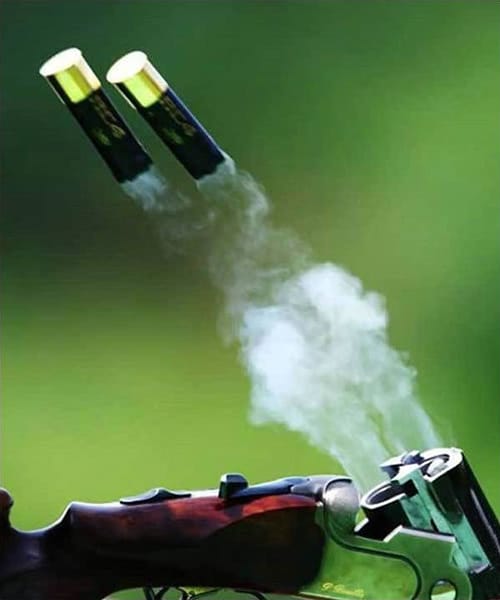
The most common shotgun gauges are 12 and 20-gauge. The smaller the gauge number, the larger the shotgun bore. A 12-gauge shotgun is traditionally for hunting as it gives you the most power from the furthest distance, which is a crucial factor when hunting waterfowl.
There are times when a smaller gauge is desirable. That’s due to their corresponding shotguns being lighter in weight and providing less recoil. If you’re strictly shooting clays, a younger shooter just starting, or an experienced hunter dealing with poor shoulders, a smaller gauge could be your best option.
Gauge sizes are not interchangeable in the same shotgun.
Your Choke Options
Chokes are interchangeable tubes threaded into a shotgun’s barrel. These are popular with fowl hunters and competitive shooters because the size of the choke can improve the range and accuracy of a gun.
The three most common choke sizes are improved cylinder, modified, and full. For waterfowl, a modified choke performs best as an all-around choice, while an improved cylinder is best for closer range, and full is most effective for pass shooting.
The Importance of Weight and Barrel Length
You’ll be shooting at waterfowl from longer distances. Longer barrels, generally 28 inches, will help even your swing. A smooth swing can be the difference between your limit and coming home empty-handed.
Most waterfowl shotguns will have 28 or 30-inch barrels. Some manufactures produce smaller barrels, but 26-inch is as small as you’ll want. Anything less will render your muzzle too light. Additionally, shorter barrels are extremely loud.
Extra weight from your shotgun can help absorb the recoil from the action. Considering that you’ll generally have the shotgun stowed or over your shoulder, the excess weight shouldn’t bog down your hunt. The optimal weight for waterfowl shotguns is between seven and eight pounds.
Function Over Fashion: Consider the Stock and Finish
Synthetic stocks are the best option for waterfowl shotguns. Your gun will be exposed to all the elements, and this will be messy. Between mud, rocks, and all your modes of transportation, you want your shotgun to quickly clean up. Wood isn’t going to hold up to these conditions. Instead, synthetic stocks will always be an easy-to-clean option.
Though the bluing finish has a long tradition in waterfowl shotguns, matte and camo finishes are now easy to find and beneficial to the hunter. You want every edge possible while hunting and nothing should catch the eye of ducks you’re working. Stick to flat, neutral finishes.
Waterfowl Shotgun Reviews
We tried three different models of waterfowl shotguns to find the best guns for any hunter.
This versatile, inertia-operated shotgun shoots well, swings with ease, and feels perfect on your shoulder. With a 50% recoil reduction, you get all the inertia benefits without the sore shoulders because the Franchi Affinity is built with parent company Benelli’s high-performance action.
The Affinity is a 12-gauge and has a 28-inch barrel along with a 3-inch chamber. It comes with three standard chokes and has an oversized bolt handle and bolt release. Stock adjustment shims come with the shotgun to customize your length of pull. Those interested in using slugs will enjoy the gun’s capacity to attach scope mounts.
The lightweight synthetic body and slim frame make for an easy point of aim. Additionally, the gun has a red fiber-optic front bead near the vent rib barrel. Its aluminum receiver is drilled and tapped.
Franchi has been a trusted name in firearms for years, but now that their parent company is high-end gun manufacturer Benelli, the value in craftsmanship makes the Affinity 3 a steal based on the price. Some guns do certain things better, but you’d be hard-pressed to find one that does everything as well as the Affinity.
Pros
- Ideal weight and length of the barrel
- Great fit on the shoulder
- Fifty percent recoil reduction
Cons
- Not the best option for light target loads
- Initially stiff trigger
On the cheaper end of the inertia-operated spectrum is the CZ-USA 1012. This shotgun has been put through its paces and revealed itself to be a sturdy workhorse. The 1012 was put through 5,000 rounds without oil or cleaning during testing and experienced no malfunctions.
All 1012 models come in 12-gauge with 3-inch chambers. The barrel is 28-inch with 8mm flat ribs, and the shotgun has a single white bead and five extended choke tubes. The layout features a bolt release button on the right side, a shell drop lever on the right front of the trigger guard, and cross-bolt safety.
The shotgun also features an hourglass-shaped bolt handle. Unlike inertia guns with a C-shaped bolt handle, the CZ design is lighter and easier to grasp and control. It also pulls free from the bolt easier during disassembly.
From low recoil target rounds to 3-inch magnum loads, the CZ-USA can handle your needs from the shooting range to the blinds. This reliability is made all the more enticing by the agreeable price tag. You won’t find any more bang for your buck than with the CZ-USA 1012.
Pros
- Approachable price point for an inertia-operated shotgun
- Quick, predictable trigger
- Durable and can take a beating
Cons
- Extremely lightweight
- Chokes from a third-party manufacturer
Beretta A400 Xtreme Plus – Best Gas-Operated Shotgun
As the priciest shotgun we tested, the Beretta A400 Xtreme Plus is our “buy once cry once” option. The initial price tag should be tempered by the expectation that this gun will last a lifetime – and might be something you pass down through your family one day.
The A400 is a 3 ½ inch chamber, 12-gauge, gas-operated waterfowl hunter’s dream. Just one shot reveals that this is one of the softest 12-gauges you’ll ever experience. The softness is partly due to their Kick-Off3 system, which offers a spring-loaded steel rod in the grip of the stock, which helps to buffer the bolt movement. That, coupled with rubber recoil pads on the buttstock, helps mitigate the action.
Though gas-operated Beretta’s have taken a hit in the past for being difficult to clean, the A400 line is much easier to maintain. The barrel and gas pistons easily slide out, and the bolt assembly disassembles by depressing the rotating bolt head.
The A400 has a three-spring hydraulic system in its stock that softens its recoil. With a cycling time clocking in 36% faster than competitors and highly accurate patterning, this waterfowl hunting shotgun is a great shooter. With this type of accuracy, there are no holes for fowl to maneuver through. Covering your target all but guarantees a kill.
Pros
- Three-spring hydraulic system softens recoil
- High level of accuracy
- Fast cycling
Cons
- Cycle issues with lighter loads
- High price point
Parting Shot
The Franchi Affinity 3 comes out on top of our waterfowl hunting shotgun shopper’s guide. This Italian-crafted shotgun is a versatile and rugged option that shoots cleanly and accurately.
The Franchi Affinity 3 comes from a company that values quality and craftsmanship. There is no overstating the importance of how a gun feels. You feel that quality the moment it hits your shoulder.
iOutdoors Blog, Amelia Island Fishing, Cape Canaveral Fishing, Cocoa Beach Fishing, Daytona Beach Fishing, Fishing Destinations, Florida Fishing, Fort Pierce Fishing, Ft Lauderdale Fishing, Islamorada Fishing, Jacksonville Fishing, Marathon Fishing, Miami Beach Fishing, New Smyrna Fishing, Offshore Fishing, Pompano Beach Fishing, St Augustine Fishing, Wahoo fishing
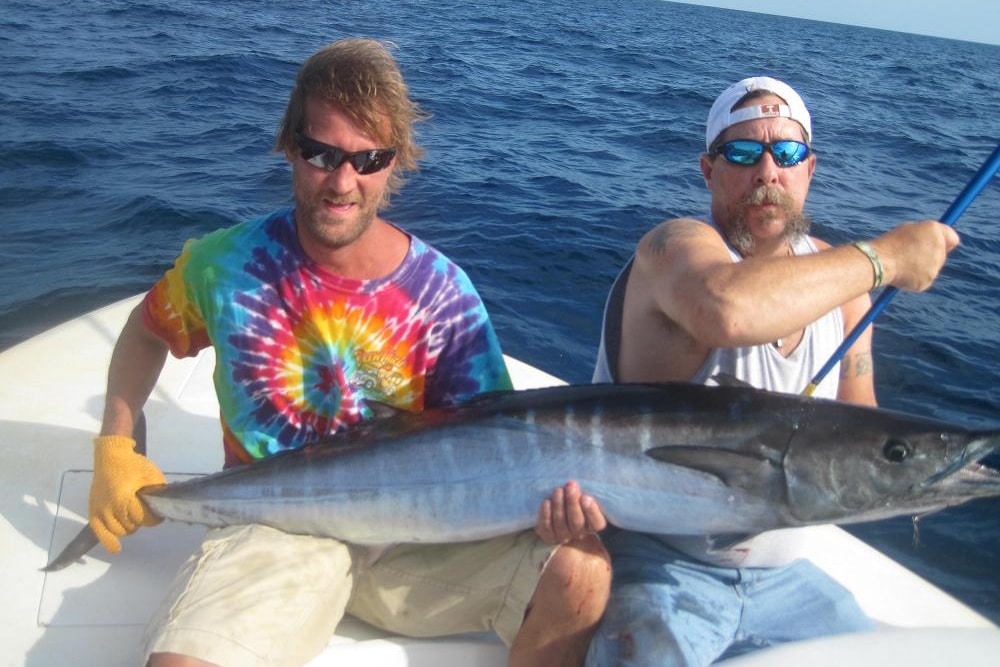
Wahoo can be caught year-round along Florida’s Atlantic coast from Amelia Island to Key West. However, July and August full moons are the best times to target Wahoo in Florida, at least on the east coast of Florida. Like most other fish species, the structure, water movement, and season are important to consider when targeting Wahoo. When all three of these conditions align, it will happen favorably, and you will be sure to load your fish box.
Many anglers are successful in July and August, around the full moon, which is 100% due to water movement. During July and August, the moon is the closest to South Florida. Due to this, the full moon will produce the two most prominent tide swings along the east coast of Florida during the entire year. Large tide swings have very favorable currents, enabling wahoos to feed.
Wahoo Fishing Charters
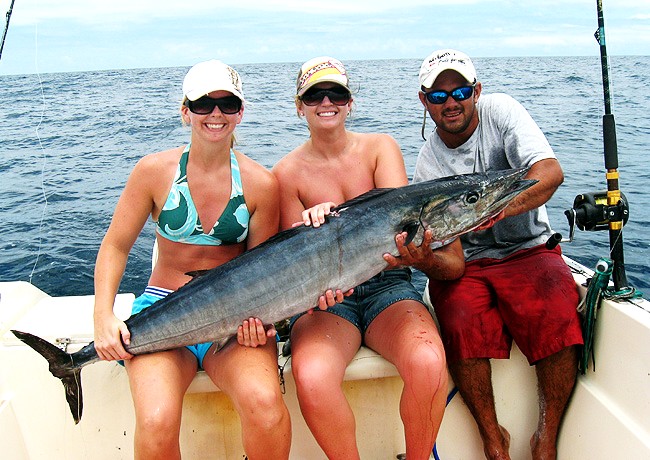
Wahoos are lovely fish that can sometimes be very elusive. They possess excellent eyesight, great camouflage significant talents but are often finicky. Wahoos average around 20-50 lbs on the east coast except for small fish; they usually find underwater debris. They are caught in Kite fishing, trolling, and vertical jigging, among other methods. The varied techniques depend on time and place and the weight and form of the fish.
If you are interested in a specific fishing charter, we highly suggest you plan to book a more extended charter, like an 8 hour, because of the amount of trolling and areas that need to be covered.
Top Wahoo Fishing Locations
Wahoo is an impressive pelagic fish found in a variety of waters. They swim from the coastlines of the Islands in the Caribbean and all around Florida. You can hook these streamlined speedsters in plenty of destinations. They inhabit tropical and subtropical waters, which reach 600 feet from the ocean’s surface.
Below, we’ve listed 5 of the top prolific spots around Florida. Of course, the fish swims in so many others, but here are places we have had great success catching Wahoo. Visiting one of these destinations increases your odds of having a pretty good Wahoo encounter!
1) Wahoo Fishing in Key West
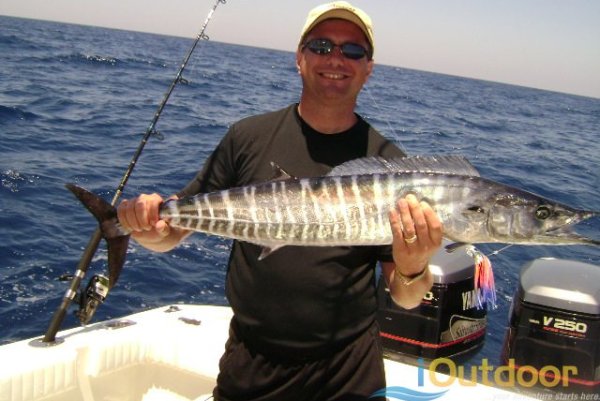
Anglers fish for wahoo in the Florida Keys because the meat has an exquisite taste; at least to most, it seems different. This fish reaches speeds up to 80 mph and is the fastest fish in the ocean, especially when attacking baitfish. Wahoos in the Keys can reach weights pushing 100lbs. But the average caught fish has just over 30 lbs. It spends much of its life within the deeper dark blue waters of the Gulf Stream Ocean.
Wahoo fishing season in Key West
The Wahoo may be caught in the Summer Time at sea in the cooler water of the open ocean. From November until February, the water temperature becomes perfect for this available sea predator in the winter months. It appears to be the most enjoyable on both sides of the full moon during the December months. Wahoo and many other fish species can be caught at Key West anytime throughout the year, but in December, only one week in either direction is the best time to encounter the Wahoo in the Florida Keys. The Winter is the best action for Wahoo because the water is warmer, and fish migrate south.
2) Fishing in Miami for Wahoo
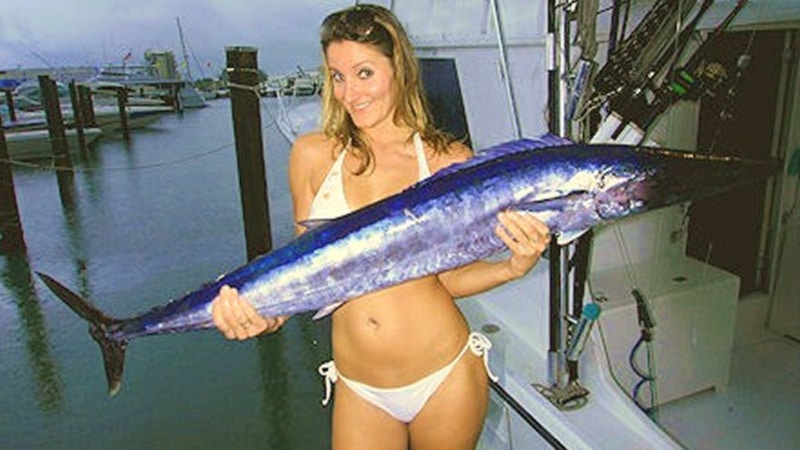
Florida’s Atlantic Coast is at times saturated with Wahoo up and down the coast. The migration travels South to North, and when in Miami, they are plentiful. Miami’s city port provides direct access to the Gulf Stream, a deep water channel less than 3 miles offshore. These warm waters are home to many pelagic fish who call these waters home! Although the species is found all year, the best angling action usually occurs from early spring into late summer.
3) Wahoo Fishing in Biloxi
Not always known for its abundance of deepsea fishing, these deep drops offshore of the coast is home to big Wahoo and have become a hotspot. It provides the structure, current, and oasis these fish love to flock to! Even better, they live here all year, sticking close to deepwater rigs and structures anywhere from 10–30 miles from shore. However, the hottest times to cast your line are January through March.
4) Wahoo Fishing in Stuart
Fishing out of the St. Lucie Inlet in Stuart, Florida, is like all ports; it can sometimes be hit or miss. In Stuart, the season is less consistent but available all year round.
The best time of the year can be argumentative; most people would say the summer months of July, August, and September to target Wahoo. But at times, the Winter, October through February, can be impressive. Most Wahoos during the Winter are a bi-catch of fishing for sailfish. If you desire to catch Wahoo during the Winter months, be sure to specify when booking the charter so the crew and make the proper adjustments to target just Wahoo.
During the summer months, high-speed trolling baits and lures are the most effective targeting the Wahoo because they love to ambush its prey, look for them to be hiding around and structure, are down on ledges so they and quickly surprise its next victim. The average weight of a Wahoo caught in Stuart this time of the year is around 25lbs, but it’s not uncommon to catch a 45lb plus.
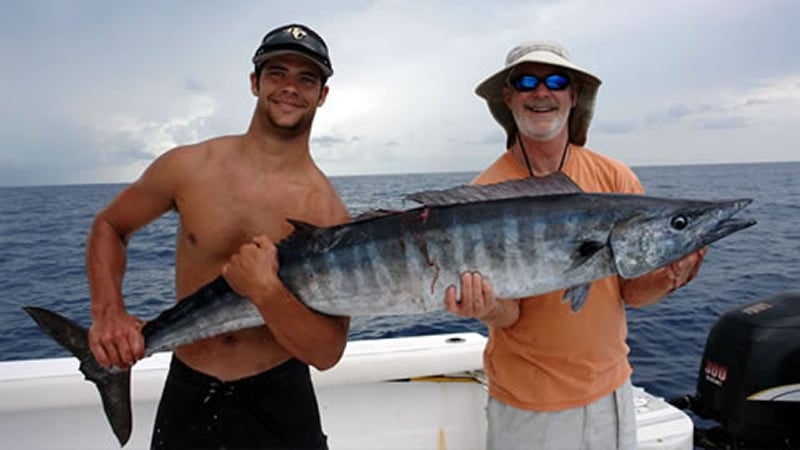
5) Catch Wahoo in St Augustine
Northeast Florida is known for its deepwater ledges off Jacksonville and St. Augustine coast, approxally 70 miles out, and prime hangout for large Wahoo. This migration of big Wahoo seems to show up between February and March and is fishable for Wahoo from January and April.
Generally, the time of the year when high-speed trolling for Wahoo works. Keep trolling once the fish are located, and the first hookup happens. It’s essential to use 50 series reels or larger ones to hold plenty of fishing lines.
The most success comes from rigging your trolling lines with a sinker. You want to try and keep your lines about 25 to 30 feet below the surface. It has proven that Wahoo like bright colors, and for that reason, a combination of purple and silver and red and black work most all year. This area has one of the largest averages of Wahoo, almost all coming from the ledges. The average size is 40 pounds, and it’s common to encounter fish in the 90-pound range during the season regularly.
Although you have an occasional by-catch of dolphin, blackfin tuna, you will know when the Wahoo hits without any dought.
Wahoo in the United States
In general, the Wahoo population is plentiful in the Pacific Ocean, Atlantic, and the Gulf of Mexico. All these waters provide ample Wahoo fishing opportunities throughout the USA, and the about are some of highlighted best destinations.
How do I Target Wahoo in Florida?
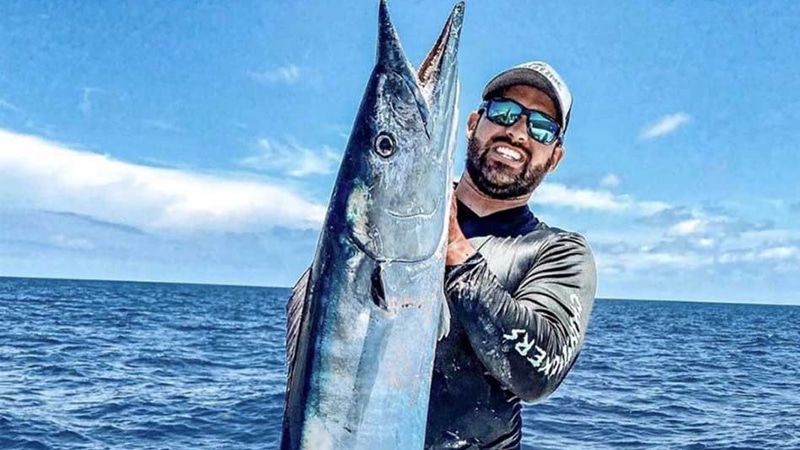
We have discussed lures to this point, but you can also slow troll with live bait, live blue runners, goggle-eye, mullet, and juvenile bonito. Live baits should be set up using a double hook rig, also known as a stinger hook.
If considering this method, be sure to load up on Spanish sardines, pilchards, ballyhoo, threadfins, and head offshore looking for a ledge, weed-line, rip current, anything to create a color change in the water. Generally, start fishing in about 180 to 400 feet of water; when doing this, it also helps to chum the waters. You can chum with dead bait or live baits, consistently placing a hooked similar-sized bait as an additional weapon behind the boat.
When Wahoo sense the chum smell, they will instinctively swim right under the boat to be caught by sight casting to them. When fishing in the mornings, you should expect a line on the water up to 35 minutes before sunrise. The morning bite usually lasts for about 2 hours during the sun rising.
What is the Florida Wahoo Spread?
Start by trolling for Wahoo, using small and medium-sized lures, especially in South Florida. Try using six-lure spread out equally. Try placing the Wahoo lures out 150, 250, and 350 feet on the port side and 200, 300, and 450 feet on starboard. In winds and waves, the farther the lures are fed-out, the slows it sinks, and then it speeds up again after cresting the wave. By using six lures, they cover different parts of the ledge at different speeds and depths.
High Speed Trolling Wahoo Lures
Each lure uses the highest quality materials available. The industry has extensively selected and supplied the best accessories and wood, including shellings and screws. Most Wahoo fishing products intend it to last fishing for the rugged, sharp toothfish species. Unlike some other lures on the market, most Wahoo lure companies use high-quality industrial-grade urethane. As a result, the lures will hold up to species and not turn black or crack in use.
Closing
Free to contact us for additional information or leave a comment below.
