
iOutdoors Blog, Bass Fishing, Bass Fishing, Central Florida Fishing, Fishing Destinations, Fly Fishing, Kissimmee Fishing, Lake Okeechobee Reports, Lake Tarpon, Lake Tohopekaliga, Largemouth Bass, Palatka Fishing, Rodman Reservoir Fishing
Crappie fishing is often overshadowed by the state’s reputation for trophy largemouth bass fishing. However, never let that stop you from planning a trip to catch a mess of tasty slabs.
Florida is consistently at the top crappie states in the nation, due in large part to its abundance of lakes and rivers, as well as warm seasonal weather.
This article will share how to catch crappie in Florida and where the seven best places to go fishing are in Fl.
About Speckled Perch fishing in Florida
Crappies are found everywhere in Florida. Crappie can sometimes be called speck. Also, they have been called perch and sometimes called speckled perch. While crappies are often found around fallen trees, they are also well adapted for aquatic habitat, which Florida lake has abundantly.
Crappies spawn during winter in Florida. The same week varies according to the region in which the county you are fishing. It could be as early as January in the southern part, while in Tallassee, Crappie spawns in March near the border.
They are so acceptable to be caught that they usually school in larger groups in shallower waters then go near the bank or shallow bottom to spawn. An excellent chance for anglers to catch them!
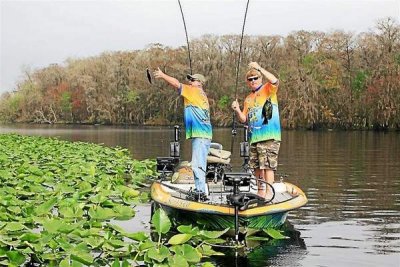
Top Florida Crappie lakes
Top speckled perch crappie lakes in Florida were the most common popular panfish before introducing Cichlids species. Even though Florida crappies are caught year-round, they’re really at their peak between the end of the summer and early spring.
Great time to bring family and friends to enjoy the most affordable fishing for Crappie in Florida. Florida was once known as the Speckled Perch Capital of the world. This vast state and all the lakes have abundant crappie-producing slab-sized crappies. While states like Texas and others also have great fishing for crappies, Florida has the most variety of fishing styles. Let’s talk about some of the prime areas!
NORTH REGION
Tallahassee, FL
Look no further than the state capital for an excellent crappie experience in a beautiful setting. Lake Talquin is the regional favorite here, and it’s where a state record crappie weighs in at a whopping 3.83 pounds.
Rolling hills, moss-draped oak trees, and a slow pace make the Tallahassee area admired by many. Other famous lakes for crappie include Lake Miccosukee, Lake Seminole, and Lake Jackson.
The north region is an excellent destination for striped bass, catfish, and crappie in the area, especially near the dam. In addition, the Ochlockonee river offers excellent fishing opportunities for all the above!
In Alachua County, Orange Lake is the most significant public lake. The shallow lakes are designated fish management areas about 20 miles southeast of Gainsville, Florida. Orange lake public boat ramps offer quick access to Marjorie Kinnan Rawling Park. The vast open water area is enclosed in shallow, dense vegetation with extensive marshes great for Florida black crappie. As a result, Orange lake has a diverse habitat plentiful, and these fishing activities have been flourishing recently.
NORTHEAST REGION
Palatka, FL
If you are familiar with Crappie USA events and other large crappie tournament circuits, you’ve likely heard of Palatka, FL. Situated on the St. Johns River, this historic town offers river fishing and access to a chain of lakes that are known to produce big specks.
Speck is the term locals often use to refer to Black Crappie in Florida.
Famed trophy bass Rodman reservoir, known for its bass fishing, also has many good crappie fishing opportunities. In addition, St Johns River, Lake George, Crescent Lake, and Dunns Creek are popular areas and hold plenty of hungry fish.
The mighty St. Johns River is the lifeline to this area and makes for a beautiful setting to fish for crappie with no shortage of fish camps and rentals.
For years now, Lake Marian – Osceola County has been known for its crappie populations and crappie size. Anglers usually catch crappie trawling minnows off of Whiskey Point. Jig fishing is excellent on nearby native vegetation, shrubs, and flower beds while the crappie spawns. Most crappies that have been from Marian are more than 10 inches long.
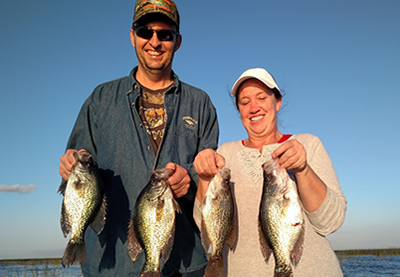
SOUTH REGION – LAKE OKEECHOBEE
Okeechobee, FL
Lake Okeechobee is so giant it made our list twice. First, the small hometown of Okeechobee City is situated in the North part of the lake. It offers a distinctly different atmosphere and environment than the south end of the lake.
It is not uncommon for anglers to get their per-person bag limit of crappie and then transition to largemouth bass or bluegill fishing. So you’d be hard-pressed to find an article about fishing for Crappie in Florida that doesn’t mention The Big O.
Okeechobee has always featured trophy largemouth bass, and Trophy Catch submissions by bass anglers prove that. In addition, the crappie numbers are often recognized nationally and internationally as the most popular tourist attractions. As a result, Okeechobee is among the best waters to qualify for qualifying submission during the nine completed Trophy Catch seasons.
Clewiston, FL
Clewiston is a small town on the world-famous Okeechobee lake situated on the southwest banks. Here you’ll find the Jolly Rogers Marina and no shortage of experienced black crappie anglers going fishing.
The Big lake supports a robust commercial and recreational fishery. The lake has a shallow average depth of 8 feet. Fishing for crappie is commonly in the weeds, channels, or rivers. Bait of choice is small jigs and Missouri minnows.
If you’ve never been, do yourself a favor and check it out!
CENTRAL REGION
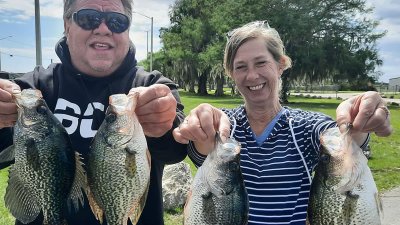 Sanford, FL
Just a stone’s throw away from Orlando and the Spacecoast, this river town is known for Lake Monroe and Lake Jessup. Both lakes are within the Upper St. Johns River system, which offers spectacular scenery.
When planning your trip, pay special attention to water levels- low water levels on the river can concentrate fish and make for phenomenal fishing. Lake Monroe has been a staple black crappie lake for years!
Lakeland, FL
Polk County host, the city of Lakeland, is situated roughly between Orlando and Tampa Bay off I-4. As its namesake suggests, there are plenty of lakes to choose from in this area ranging from small ponds to 2,000+ acres lakes.
Check out the Tenoroc Fish Management Area for a unique spin on fishing for crappie. It’s a series of reclaimed phosphate pits managed and stocked by the state for 20+ years.
Lake Parker, Banana Lake, and the Saddle Creek Recreation area are other famous lakes.
Kissimmee, FL
On the heels of Disney World and other central Florida attractions lies the historic cattle town of Kissimmee, Florida. The Kissimmee river flows through this area, and the chain of lakes along its path are known as Prairie lakes.
These shallow, grassy, and sand-bottom lakes make for excellent crappie habitat. Famous lakes include Lake Kissimmee, Lake Toho, Lake Hatchineha, Lake Cypress, and East Lake Toho. But don’t overlook smaller lakes such as Lake Marian, Alligator Lake, or the Kissimmee River.
Why Fish for Florida Panfish and Crappie
The article is primarily about Florida fish and crappie species. Both crappie fish offer anglers a great sport with light tackle with great food! In addition, freshwater panfish is very popular around the country. The Florida panfish population includes several different species.
Next to crappie, the bluegill, warmouths, and redear are most popular. In recent years many other types of cichlids have become very popular. The crappie is the most populous panfish, and perhaps it’s favorite. All panfish varieties are delicious. In South Florida, the Oscars and Mayan cichlids have become popular with anglers that target crappie because they are tasty panfish.
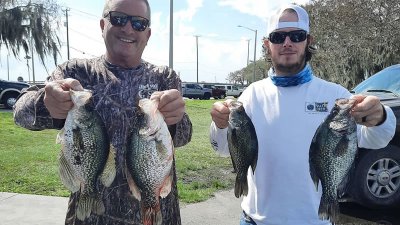 How to Catch Florida Panfish?
Speck anglers who are fishing will usually use floats at least two feet above the water surface. The rig will be fished towards the weed line, over submerged vegetation, and may also be close to an underwater tree stump. In the summer months, your fish without a float and fish deeper, which could consist of 6 to 15 feet of water.
The bait should remain in the water while it’s waited for some time so the fish can see it. The slackline is tightened when the float disappears until the hook is firmly in the fish’s mouth. Artificial lures and flies also can be thrown in similar locations. During your preparation, be sure to research the correct types of fishing hooks, this will land you additional fish. Generally, panfishing is a slow, steady, and efficient retrieval process no matter the lure or bait.
Best Florida crappie fishing lures and baits
Most anglers target crappie with small baitfish. So known as Missouri minnows or baits that resemble them are ideal for the future. Live minnow is a typical breed used for Florida crappies as live bait, most often for commercial use.
These are available for fishing in shallower waters on rigs deep below the surface. We love using jigs to catch crappy. Whether vertically cast or trolling a waterway, it is a versatile bait to use. The 1/8 ounce jig works perfectly. Chartreuse is a color of high intensity on dark-colored waters. However, the crappie lies near the river’s edge in cleaner water during the spawn seasons, so white, silver, and other natural colors will work.
Fishing for all Florida Panfish
Fishing for panfish is easy for most Florida anglers and most anglers in general. Many people grab an 18-foot cane pole with a light line. A certain kind of bait such as worms, Missouri minnow, or crickets is expected, and they head to the fish hole. These types of fishermen have a great relaxation and are still very effective today.
While cane poles can be helpful, spinning tackles can be more versatile. Spinning rods give anglers a reasonable distance for casting very light baits and lures. In addition, a spinning rod can be pretty inexpensive these days. A reliable rod is available for around $70. Below are links to some suitable spinning outfits.
Crappie
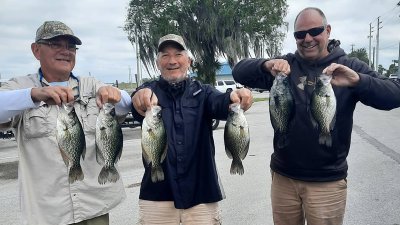
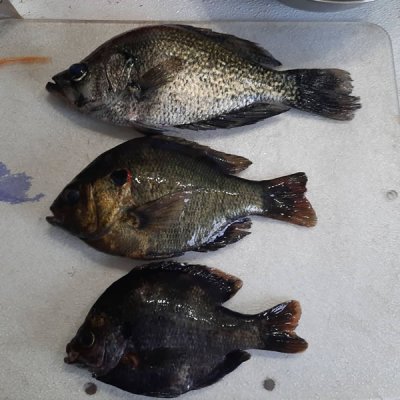 Black Crappie, commonly known as the speckled perch and the speck, is a favorite of the Florida summer. Occasionally crappies can weigh more than three pounds. Florida state record books show Lake Talquin produced 3.82-pound crappie. The following areas listed in this article are considered the high potential for black crappie production during 2022.
Bluegill was the most common and most abundant species of panfish before the cichlid families came to Florida. Usually, southern fishermen call it the “bream.” The name means “brim.” They are very excited to catch and fight for their size, whatever your name. If bluegill weighed 5 pounds, you could never land it!
Bluegills are highly aggressive and easily caught with most bait and fly equipment. These species are like deep weeds in sandy soil, and they love wood. Among others, they like trees and the dock. Depending on location, Florida bluegill spawns during the full moon from May to July.
Spotted Sunfish (stumpknocker)
Sunfish or “Stumpknocker’ is also an incredibly common Florida panfish. This explains their love of woody structures. Spotted Sunfish mainly feed on plant material, and however, their aggressive nature makes them easily captured with any lure. These are smaller than the bluegills and have firm white meat.
Redear Sunfish (shellcrackers)
Redear Sunfish (also called shell crushers) is a prominent family member. They prefer shallower waters than most panfish. Despite hitting artificial lures, anglers aiming at redear Sunfish are more likely to use live minnows or worms as bait.
Warmouth
Warmouths can be highly aggressive and are more isolated than some fish. However, they’re broad and have an excellent fight. The warmouth generally prefers small bodies of water, notably streams or wetlands. They are a distance from their cousins in taste because they are eatable.
 Frequently Asked Questions
Where Is The Best Crappie Fishing in Fl?
Many locations throughout the sunshine state could claim the best crappie location in Florida. The 310 miles along St. Johns river and its numerous lakes are world-renowned for crappie fishing and very popular with residents and non-residents. Overalls would be on the top of the list because of their vast size and variety of waters.
Where To Catch Crappie In Florida?
Crappie can be caught through Florida, as we have written about, from the Everglades in South Florida to the extreme tip of Florida lakes in the panhandle. We have discussed many popular areas, including the Rivers, the Kissimmee River, and countless lakes throughout the state.
Try contacting a local guide, tackle shop, or Florida Fish and Wildlife Conservation Commission regional office in your area to find out about local crappie fishing near you.
How deep should I fish for crappie?
Crappie is known to spawn near shallow waters, usually around two feet in-depth, covered by sand or weeds, and easy access to deeper waters. I often found these near shore in areas where the water was murky and stained.
In the hotter months, anglers troll around deeper holes with spider rigging at varying depths in the water column. Anglers catch with this method is good for the black crappie management plan and white crappie for quality fish.
When Is Crappie Fishing Season In Florida?
Due to the warm climate, crappie can be caught year-round in Florida. Peak season coincides with the spawning cycle of crappie, which typically runs from December to early March.
What’s the best month for crappie fishing?
Crappie’s best seasons are in spring. The weather is good to hunt crappies moving from the deep water to spawning areas. In many Florida lakes like Lake Talquin, Lake Arbuckle, Lake Istokpoga, and Winter haven Chain, the fish move in large groups to feed, spawn and help each other protect the eggs.
Does Florida have size limits on crappie?
All states and fisheries have black crappie and white crappie limits. The limits are the same no matter the technique you use to produce fish, artificial bait, spinnerbaits, Hal flies, or fly fishing.
And sunshine bass (only five are allowed in the total length to be 22 inches); 50 crappies (specked perches must be at least 9 inches; 58 fish.
Do you have a favorite crappie tip you’d like to share? Is there something we missed? Which waterway would you recommend for a productive fishing day?

iOutdoors Blog, Bass Fishing, Cycling, Eco Tours, Fishing Destinations, Florida Fishing, Hiking, Offshore Fishing, Orlando Fishing, Water Sports
The Ultimate Disney World Resort for Outdoorsmen
One of the most popular family bucket list items is planning a trip to Walt Disney World. While “The Most Magical Place on Earth” has a strong princess vibe within the parks, families are ditching Main Street U.S.A. in favor of finding more unique outdoor adventures at the resorts!
Even in the depth of winter, Orlando sports mild weather with afternoons calling for short sleeves before layering up at nightfall. The resulting climate presents countless opportunities to get outside for some fresh air, and of course, get in a little fishing while the rest of the country is still waiting for their season to roll around!
Fort Wilderness Campgrounds, a Favorite of Outdoor Enthusiasts
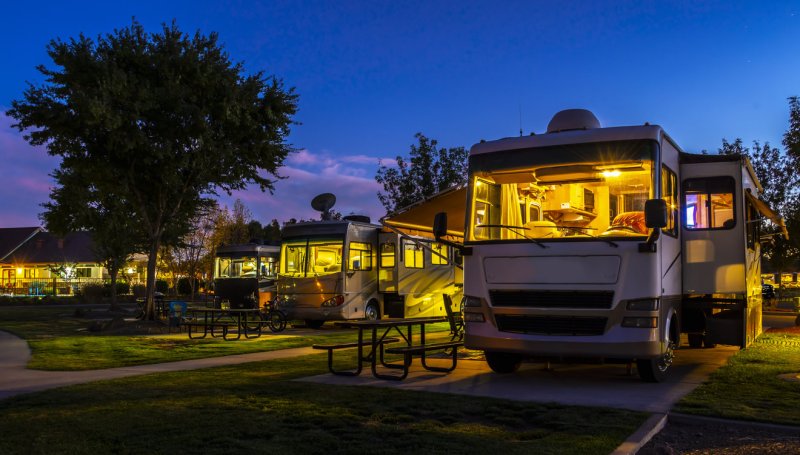
Today, we’re discussing the Fort Wilderness Campground, which has become a favorite Disney World resort among outdoorsmen and their families. With a huge variety of recreational opportunities, Fort Wilderness has become a destination worthy of a trip unto itself.
In fact, RV sites book quickly in winter months due to snowbirds spending sometimes weeks at a time at their luxurious sites. Those in the RV community that book longer stays will sometimes decorate their rig and surrounding site during the holidays. Christmas lights and inflatable lawn decor create a neighborhood vibe within the resort.
Disney’s Fort Wilderness Atmosphere
The Fort Wilderness Resort & Campground is a sprawling campus with several types of accommodations. Stays can include tent camping or more of a “glamping” experience in their cabins. Lobby areas, shops, and recreational buildings are designed to resemble rustic log cabins of the storied American frontier.
The resort is far more secluded than many of its counterparts. Which makes it far more likely to encounter local wildlife. Guests may see deer, armadillos, rabbits, ducks, and other Florida waterfowl.
Navigating the Fort Wilderness Transportation System
Disney World covers over 42 square miles. While bringing or renting your own vehicle can be helpful, it’s not necessary. Disney World has its own elaborate transportation network.
Disney’s Internal Bus System
One of the most reliable- and free- forms of transportation within the Disney World Resort (which includes the theme parks, the hotels, and Disney Springs) is its very own bus system.
Bus stops are scattered throughout Fort Wilderness at walkable intervals, where buses whisk you away to main buildings or to theme parks like Magic Kingdom, EPCOT, Hollywood Studios, and Animal Kingdom.
Boat Transportation to Magic Kingdom
A fun and unique way to travel to Disney’s Magic Kingdom is via a complimentary water taxi from Fort Wilderness. Boats depart every 15 to 30 minutes, hitting a handful of resorts along the edge of the Seven Seas Lagoon and Bay Lake.
Golf Cart Rental
Golf cart transportation is one of the keys to zipping around Fort Wilderness without waiting on bus transportation. You’ll find most attractions within the resort will offer parking for golf carts but not other motorized vehicles.
Electric golf carts are offered to guests for $63 per night and include the charger. Rentals are available to licensed drivers, 16 years and up.
Rideshare Programs
Guests are able to take advantage of ridesharing programs like Uber and Lyft to travel between parks and also to locations off the property. Local excursions like those provided by iOutdoors meet off-site to enjoy private fishing charters across area lakes!
Types of Accommodations Available at Disney’s Fort Wilderness
Fort Wilderness has perhaps the most diverse array of accommodations available to guests. Depending on how you like to camp, you have the luxury to “choose your own adventure” when booking your stay!
Tent Camping
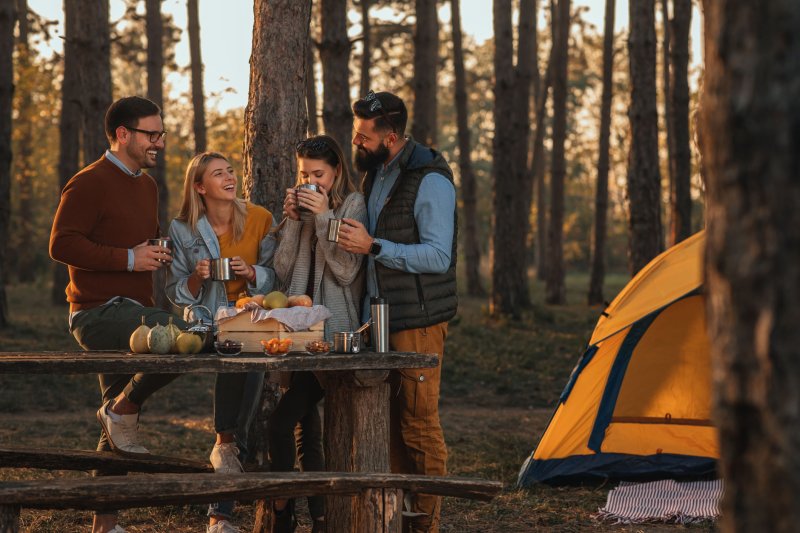
Sites for tents and pop-up campers come with a concrete pad of about 10’ x 25’ with the tent area just beyond. Sites also have potable water and both 30- and 50-amp hookups. If you are bringing a pop-up camper, just make sure both your camper and tow vehicle fit on the concrete pad. For mealtimes, each site also has a charcoal grill and picnic table alongside each pad.
The policy on tent rentals can vary depending on the resort’s occupancy, with rentals usually being reserved for parties of 20 or more. Tent rentals can run $30 per night, so on a longer stay, it may be better to either ship your own or pick up one in town before hitting the campsite.
RV Campsites
Fort Wilderness has some of the most well-manicured sites you’ll ever see. We’d expect nothing less from The Mouse, himself. Full hookups are available, including water, sewer, and access to both 30- and 50-amp hookups.
The pads measure 45, 50, or 60 feet long, with terms like preferred and premium denoting sites in close proximity to different amenities across the resort. We prefer a “Premium Meadow” site that’s close to the main building with access to the hub of bus transportation.
The Cabins at Fort Wilderness Resort
Perhaps you have a glamper in the family that’s happy to be landing at Disney World, yet they’re not all-in on a rustic camping experience. The Cabins at Fort Wilderness Resort offer amenities that you won’t find elsewhere like granite countertops, flat-screen televisions, and full kitchens including a dishwasher.
Each cabin has its own charcoal grill, picnic area, and deck to enjoy your morning coffee. Fort Wilderness is also the only resort with complimentary parking, with dedicated spots directly in front of each unit.
The resort’s sprawl provides a little extra privacy from your neighbors and plenty of room for the entire family to stretch out. Queen beds, bunk beds, and a sleeper couch can accommodate up to 6 adults.
Amenities and Facilities Found at Disney’s Fort Wilderness
Resort guests staying in tent and RV sites have access to clean and safe restrooms and shower areas at 15 different “Comfort Stations” throughout the resort. Many RVers choose to get cleaned up inside their rig, but many may opt for unlimited hot water.
Recreation at Disney’s Fort Wilderness
Disney’s Fort Wilderness Resort is seen as an oasis in the Disney bubble. While there are certainly Disney touches, life seems to move at a slower pace here. People come here to relax, whereas other resorts on property cater to the go-go-go crowd that’s more concerned with park-going and perhaps looking more for a place to rest their heads.
Boat Rentals
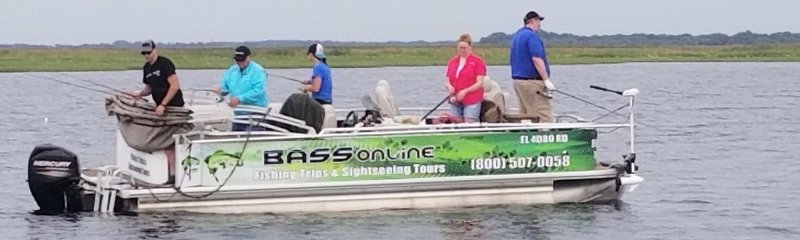
If relaxing to you looks like getting out on the water, Disney’s Fort Wilderness Resorts has several options to enjoy! For some motorized cruising, Disney offers Sun Tracker pontoon boats, which seat up to 10 guests.
If you are looking to explore the inland waterways at a slower pace, you and your family can rent a canoe by the hour, which can accommodate up to 3 people. Kayaks are also available for rent, which can seat up to 2 adults.
Disney does not allow guests to bring personal watercraft for use on their waterways. Rentals are available to those 18 years of age and older, with all guests 12 required to wear a lifejacket.
Fishing
If you’re up before the sun, you can make your way out to the Bike Barn for some dockside fishing. Gear rental is available, as well as bait. Shore fishing is not permitted around the waterways due to safety issues. Dock fishers will usually find catches like breen and decent-sized bass.
If you are intent on sailing Bay Lake, you can also charter a fishing excursion through Disney. Bay Lake is usually stocked with largemouth bass, although it seems catfish have found their way into the area as well.
As a quick reminder, all fishing on Disney property is strictly catch and release.
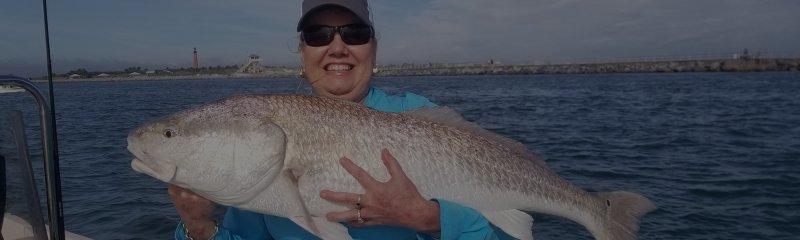
If you don’t mind a trip off property, you can treat yourself to a first-class fishing experience chartered by iOutdoor. Local area lakes are known for trophy largemouth bass. With access to both Atlantic and Gulf coastlines, you can create a truly memorable vacation when fishing for game-like grouper, snapper, mahi-mahi, redfish, and swordfish.
Archery
Families can take their best shot with a bow and arrow during a 75-minute archery experience. Staff trainers provide individualized lessons to guests 7 and older. Classes are small, with only 10 guests allowed at a time. After receiving instruction, resort guests can let their arrows fly during target practice.
All materials for the class are supplied, as Disney does not permit guests to bring their own archery equipment on site.
Bike Rentals
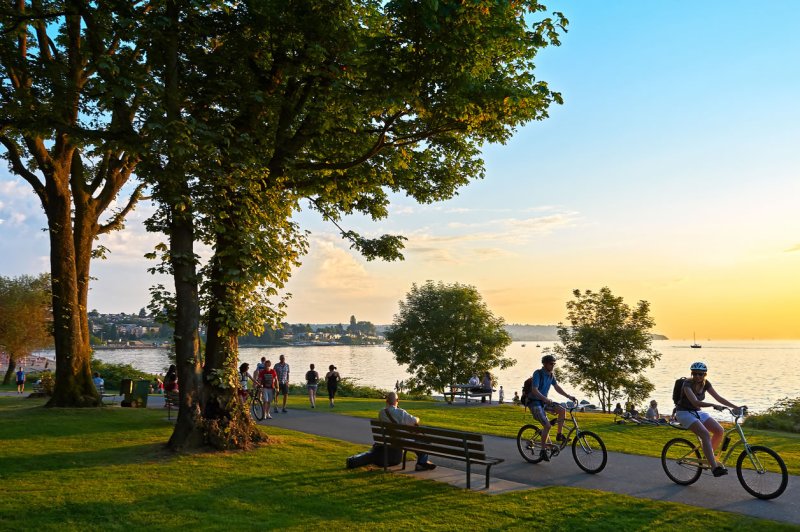
Disney does allow you to bring your own bicycle; however, if you’re arriving by airplane, you may want to visit the Bike Barn for some new wheels! Guests can pedal their way around the resort, taking in the fresh air, local wildlife, and breathtaking scenery. As a quick reminder, Florida law requires the use of a bicycle helmet for anyone under 16 years of age.
Segway X2 Back Trail Adventure
Guests 16 years and older can enjoy a guided tour of Fort Wilderness using an all-terrain Segway! Cast members share information about the resort and the natural surroundings via guest headsets as you traverse paved and off-road surfaces in wooded areas.
The tour lasts about two hours. Guests receive a 30 minutes tutorial on how to maneuver the Segway prior to departure.
Tri-Circle-D Ranch
One of the unique features of Fort Wilderness is Disney’s Tri-Circle-D Ranch. It’s unbelievable, the ranch is where the towering horses from Magic Kingdom’s Main Street parades are stabled. So not only does it offer guest recreation, it’s a behind-the-scenes look at the Disney magic! There’s even an exhibit featuring a historic 1907 calliope that was selected by Walt Disney himself!
For a more hands-on experience, your family can book 45 minutes, guided trail ride. For kids that may not be as experienced in the saddle, parents can lead little ones on a pony ride on an enclosed track.
Tri-Circle-D also offers horse-drawn carriage rides, wagon rides, and seasonally available sleigh rides. A quick tip: It’s strongly recommended to reserve exclusive experiences well in advance!
Pool Areas at Fort Wilderness
Disney’s Fort Wilderness Resort & Campsites offers two pool areas to serve the resort. Splash pad areas are available for the littles looking to cool off in the Florida sun. Parents will also enjoy hot tubs after a long day at play.
Snack bar areas are available nearby for a quick bite, and plenty of lounge chairs surrounding the pool area are a great way to relax. All Disney pools offer complimentary life jackets for swimmers of all ages. Be sure to bring your own towels from the room, as Fort Wilderness is the only Disney resort to not offer them poolside. However, you can, however, request fresh towels from “Mousekeeping” at any time.
More Sport Activities
However, if you’re looking to satisfy your competitive streak. Fort Wilderness also has both basketball and volleyball courts. In addition, it’s easy to keep your steps upon scenic jogging trails that wind throughout the resort.
More Family Fun
For instance, if after a long day in the parks, there might still be a little energy to burn off. All Disney on-site resorts, including Fort Wilderness, have playgrounds available for your little guys. Older kids will enjoy access to two different arcade locations on the property.
Dining at Fort Wilderness
Firstly, if you’re looking for a light bite or a dinner and a show. Disney’s Fort Wilderness has several dining options available without leaving your resort. Restaurants include quick service options like The Chuck Wagon food truck and hearty grub from P&J’s Southern Takeout. For a slower pace, enjoy castiron skillet meals at Trail’s End.
One of the most notorious dinner shows on the property is the long-running Hoop-Dee-Doo Musical Review at Pioneer Hall. After that, buckets of fried chicken and piles of BBQ ribs are followed by their iconic Strawberry Shortcake. If the food wasn’t enough of a draw. Moreover, the live song and dance that’s been performed for over four decades will get your toes tapping!
Final Thoughts
Disney’s Fort Wilderness Resort & Campgrounds is the perfect balance between a camping retreat and an immersive theme park experience. Families from all corners of the country come to unwind after a year at the grindstone, and the unique outdoor experiences of Fort Wilderness treat travelers to a rustic and welcoming stay.
In other words, now that the secret of this hidden gem is out. The event has seen a surge in popularity in recent years. Be sure to book your sites, dining, and experiences up to a year in advance. Up to six months in advance for dining! This gets access to tons of special experiences that your family will remember for a lifetime!
Have you stayed at Fort Wilderness in Florida before? How was your stay? What activities did you use? Got some other tips you’d like to share? Let us know in the comments below!

iOutdoors Blog, Bass Fishing, Bass Fishing, Bottom Fishing, Drift Fishing, Florida Fishing
Give your little ones a kid friendly fishing charter; it can be easy if you do your homework. Why you ask, a child fishing trip demonstrates how fun, friendly and experienced crew can help them enjoy the beautiful outdoors and get to like boating at an early age. Sending your kids on a fishing excursion makes it fun, including a picnic lunch or even a picnic lunch at the dock after the charter. It makes the whole experience that much more.
Kid-Friendly Fishing Charter Options
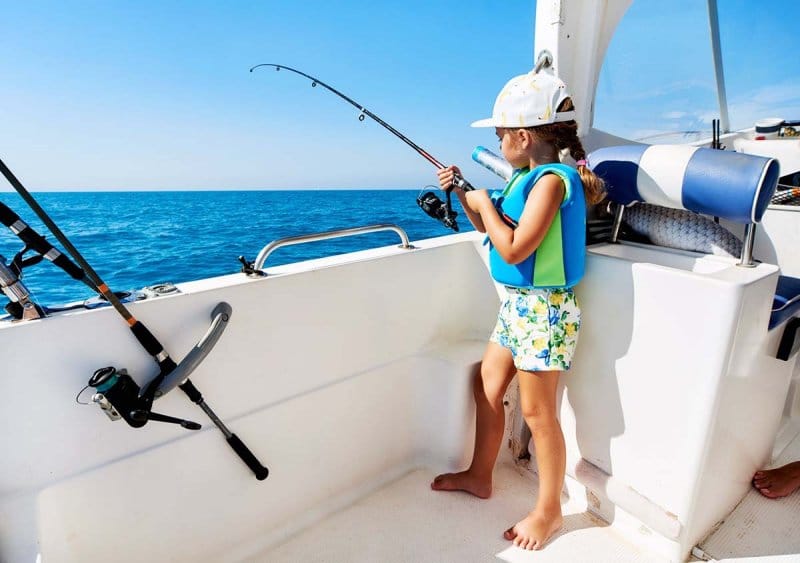
A two or three-hour fishing trip can be customized to your group. These fishing charters are not all deep-sea fishing; they can be done inshore and offshore. The most popular for younger kids in many locations is it go freshwater fishing for bass or crappie. This type of trip gets them used to being a captain, handling fishing equipment around others, and being comfortable on a boat.
Kid-Friendly Fishing Charter Options
A two or three-hour fishing trip can be customized to your group. These fishing charters are not all deep-sea fishing; they can be done inshore and offshore. The most popular for younger kids in many locations is it go freshwater fishing for bass or crappie. This type of trip gets them used to being a captain, handling fishing equipment around others, and being comfortable on a boat.
The perfect trip for kids!
We talked earlier about the freshwater options; this can be done on a conventional bass boat, comfortably handling 2 to 3 kids each, depending on the size. Another option that is commonly overlooked is a pontoon fishing trip. They are great for kids fishing for several reasons. First, depending again on the group size, they can allow a capacity of up to 8 to 10 kids with ample round to fish. The platform is more stable than the bass boat and generally has a covered area to get out of the sun. You can also bring refreshments and prepare food for a snack. The enjoyable experience of calm waters and catching fish is a success.
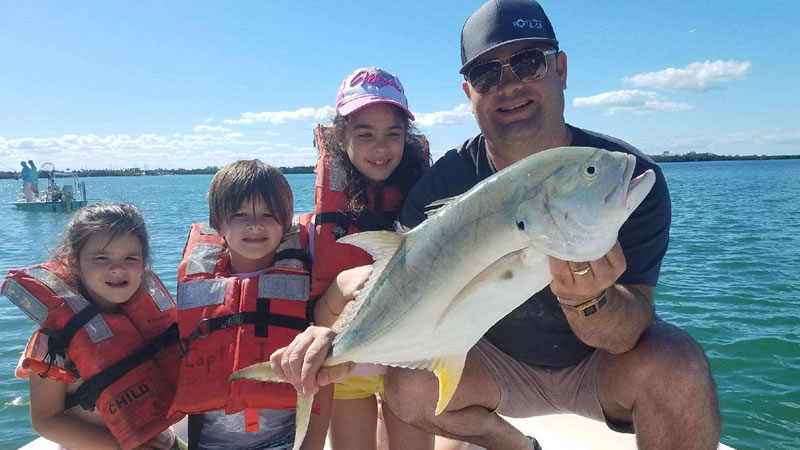
The Action of a Good Charter makes fishing fun for Kids!
Once aboard, charters can fish for virtually everything that lives in the water – but also get to take in natural beauty also. Many kids only remember their most enjoyable experience, but these trips are family memories that they carry as adults. Our kids’ charters should be customized to suit your requirements, expertise levels, and the fish types you intend to target. To help safeguard children, we offer children a wide selection of light jackets, sun screens, and life vests; however, we make sure our little ones remain safe and become their good luck charm.
Types of Fish for kids and where we Fish for Them
The kids’ fishing options are endless and in just about every port or community. Fishing charters produce many different fish species; the deep sea could be grouper, black sea bass and shark, inshore striped bass, snook, and sea trout. While the protected waters of freshwater, largemouth bass, crappie, and bluegill. Don’t count out family trips from the bay, or shoreline which provides many miles of good fishing area, be sure to have an experienced crew. When fishing with bait on trips with kids, try a reel made for bait fishing when using shrimp, drums, salmon, scallops.
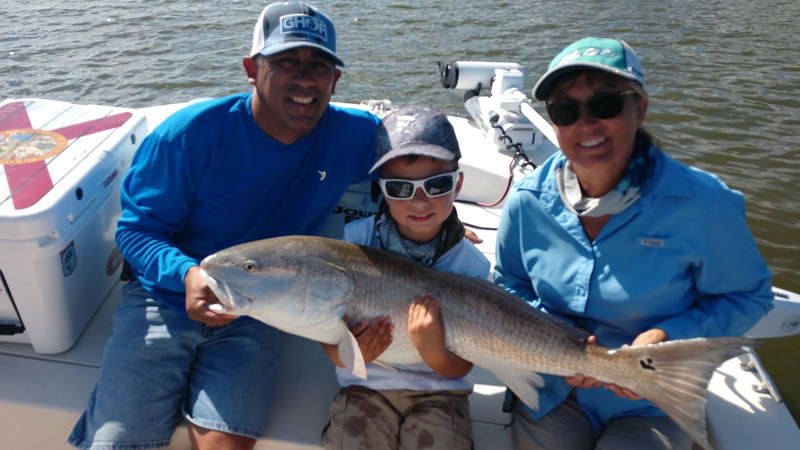
What age do you have to be to go Deep Sea Fishing?
Many fishing charters captain don’t have an age restriction but have a designated requirement to be met; this could be height or weight. Check with the captain if ages aboard are restricted. Most seem to recommend ages 7 to 9 and older, as this is not as easy for young children. Under 17, you need to size release waver issuing temporary guardianship while a board the boat. We strongly recommend the parents travel with the kids.
How safe is Deep Sea Fishing?
Fortunately, deep-sea fishing hasn’t been particularly deadly. However, boats, water, sun, hooks, line, or knives are vulnerable. This is justifiably the same on all fishing charters, so good behavior while on the water is essential.
How much should a fishing charter cost?
Weekends can be different than weekdays, but not always. On the bigger vessel, you can pay per head, which is easier to budget. Other big vessels are like the smaller ones, they charge one price, based on “X” number of kids, and it’s up to you to fill it and divide the cost. It usually comes out cheaper but is more work. Keep in mind the head boats charge per head, also have to charge sales tax on each person. Where the charter boat, set at one price is not taxable.
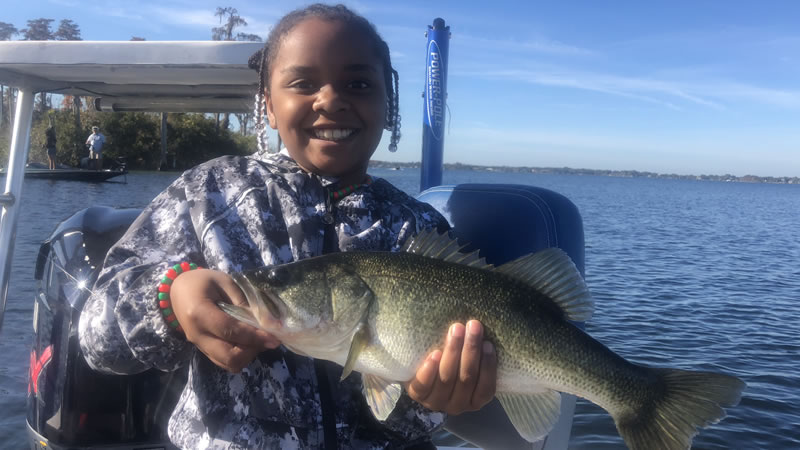
Can Kids keep Fish when Fishing?
All states have different laws to what is considered a minor. For example, California is 18, Florida is 16, and over must obtain a fishing license. Also, each state has laws on fish limits depending on the trips, the big head boat vessels, and all saltwater trips you do not need to purchase a license. While all freshwater trips, if over the minimum age, you’re required. So yes, the kids can keep the fish they catch if all state laws are met. The captain will know these laws and tell you during the trip what can be kept and what needs to be thrown back.
In Conclusion
If you have any questions, leave a comment or hit us up on chat.

Bass Fishing, Dolphin Fishing, iOutdoors Blog, Tuna Fishing, Wahoo fishing
[fusion_builder_container type=”flex” hundred_percent=”no” hundred_percent_height=”no” min_height_medium=”” min_height_small=”” min_height=”” hundred_percent_height_scroll=”no” align_content=”stretch” flex_align_items=”flex-start” flex_justify_content=”flex-start” flex_column_spacing=”” hundred_percent_height_center_content=”yes” equal_height_columns=”no” container_tag=”div” menu_anchor=”” hide_on_mobile=”small-visibility,medium-visibility,large-visibility” status=”published” publish_date=”” class=”” id=”” spacing_medium=”” margin_top_medium=”” margin_bottom_medium=”” spacing_small=”” margin_top_small=”” margin_bottom_small=”” margin_top=”” margin_bottom=”” padding_dimensions_medium=”” padding_top_medium=”” padding_right_medium=”” padding_bottom_medium=”” padding_left_medium=”” padding_dimensions_small=”” padding_top_small=”” padding_right_small=”” padding_bottom_small=”” padding_left_small=”” padding_top=”” padding_right=”” padding_bottom=”” padding_left=”” link_color=”” link_hover_color=”” border_sizes=”” border_sizes_top=”” border_sizes_right=”” border_sizes_bottom=”” border_sizes_left=”” border_color=”” border_style=”solid” box_shadow=”no” box_shadow_vertical=”” box_shadow_horizontal=”” box_shadow_blur=”0″ box_shadow_spread=”0″ box_shadow_color=”” box_shadow_style=”” z_index=”” overflow=”” gradient_start_color=”” gradient_end_color=”” gradient_start_position=”0″ gradient_end_position=”100″ gradient_type=”linear” radial_direction=”center center” linear_angle=”180″ background_color=”” background_image=”” skip_lazy_load=”” background_position=”center center” background_repeat=”no-repeat” fade=”no” background_parallax=”none” enable_mobile=”no” parallax_speed=”0.3″ background_blend_mode=”none” video_mp4=”” video_webm=”” video_ogv=”” video_url=”” video_aspect_ratio=”16:9″ video_loop=”yes” video_mute=”yes” video_preview_image=”” render_logics=”” absolute=”off” absolute_devices=”small,medium,large” sticky=”off” sticky_devices=”small-visibility,medium-visibility,large-visibility” sticky_background_color=”” sticky_height=”” sticky_offset=”” sticky_transition_offset=”0″ scroll_offset=”0″ animation_type=”” animation_direction=”left” animation_speed=”0.3″ animation_offset=”” filter_hue=”0″ filter_saturation=”100″ filter_brightness=”100″ filter_contrast=”100″ filter_invert=”0″ filter_sepia=”0″ filter_opacity=”100″ filter_blur=”0″ filter_hue_hover=”0″ filter_saturation_hover=”100″ filter_brightness_hover=”100″ filter_contrast_hover=”100″ filter_invert_hover=”0″ filter_sepia_hover=”0″ filter_opacity_hover=”100″ filter_blur_hover=”0″][fusion_builder_row][fusion_builder_column type=”1_1″ layout=”1_1″ align_self=”auto” content_layout=”column” align_content=”flex-start” valign_content=”flex-start” content_wrap=”wrap” spacing=”” center_content=”no” link=”” target=”_self” min_height=”” hide_on_mobile=”small-visibility,medium-visibility,large-visibility” sticky_display=”normal,sticky” class=”” id=”” type_medium=”” type_small=”” order_medium=”0″ order_small=”0″ dimension_spacing_medium=”” dimension_spacing_small=”” dimension_spacing=”” dimension_margin_medium=”” dimension_margin_small=”” margin_top=”” margin_bottom=”” padding_medium=”” padding_small=”” padding_top=”” padding_right=”” padding_bottom=”” padding_left=”” hover_type=”none” border_sizes=”” border_color=”” border_style=”solid” border_radius=”” box_shadow=”no” dimension_box_shadow=”” box_shadow_blur=”0″ box_shadow_spread=”0″ box_shadow_color=”” box_shadow_style=”” background_type=”single” gradient_start_color=”” gradient_end_color=”” gradient_start_position=”0″ gradient_end_position=”100″ gradient_type=”linear” radial_direction=”center center” linear_angle=”180″ background_color=”” background_image=”” background_image_id=”” background_position=”left top” background_repeat=”no-repeat” background_blend_mode=”none” render_logics=”” filter_type=”regular” filter_hue=”0″ filter_saturation=”100″ filter_brightness=”100″ filter_contrast=”100″ filter_invert=”0″ filter_sepia=”0″ filter_opacity=”100″ filter_blur=”0″ filter_hue_hover=”0″ filter_saturation_hover=”100″ filter_brightness_hover=”100″ filter_contrast_hover=”100″ filter_invert_hover=”0″ filter_sepia_hover=”0″ filter_opacity_hover=”100″ filter_blur_hover=”0″ animation_type=”” animation_direction=”left” animation_speed=”0.3″ animation_offset=”” last=”true” border_position=”all” first=”true”][fusion_text columns=”” column_min_width=”” column_spacing=”” rule_style=”default” rule_size=”” rule_color=”” content_alignment_medium=”” content_alignment_small=”” content_alignment=”” hide_on_mobile=”small-visibility,medium-visibility,large-visibility” sticky_display=”normal,sticky” class=”” id=”” margin_top=”” margin_right=”” margin_bottom=”” margin_left=”” font_size=”” fusion_font_family_text_font=”” fusion_font_variant_text_font=”” line_height=”” letter_spacing=”” text_color=”” animation_type=”” animation_direction=”left” animation_speed=”0.3″ animation_offset=””]
Fishing is not easy, but some fishes elude even the most talented of sports fishers! Experienced anglers look for species that can make fishing more adventurous for them. They don’t want to just “throw hooks and catch the easiest fish”. These anglers want to catch something for bragging rights. For that adventure head angler here’s the list of some of the most challenging freshwater and saltwater catches.
With a professional angler by your side you might be able to land one without requiring thousand casts or five hours.
[/fusion_text][fusion_text columns=”” column_min_width=”” column_spacing=”” rule_style=”default” rule_size=”” rule_color=”” content_alignment_medium=”” content_alignment_small=”” content_alignment=”” hide_on_mobile=”small-visibility,medium-visibility,large-visibility” sticky_display=”normal,sticky” class=”” id=”” margin_top=”” margin_right=”” margin_bottom=”” margin_left=”” font_size=”” fusion_font_family_text_font=”” fusion_font_variant_text_font=”” line_height=”” letter_spacing=”” text_color=”” animation_type=”” animation_direction=”left” animation_speed=”0.3″ animation_offset=””]
List of Hardest Fighting Fish (Your Next Trophy Fish)
[/fusion_text][fusion_builder_row_inner][fusion_builder_column_inner type=”2_3″ layout=”2_3″ align_self=”auto” content_layout=”column” align_content=”flex-start” valign_content=”flex-start” content_wrap=”wrap” spacing=”” center_content=”no” link=”” target=”_self” min_height=”” hide_on_mobile=”small-visibility,medium-visibility,large-visibility” sticky_display=”normal,sticky” class=”” id=”” type_medium=”” type_small=”” order_medium=”0″ order_small=”0″ dimension_spacing_medium=”” dimension_spacing_small=”” dimension_spacing=”” dimension_margin_medium=”” dimension_margin_small=”” dimension_margin=”” padding_medium=”” padding_small=”” padding_top=”” padding_right=”” padding_bottom=”” padding_left=”” hover_type=”none” border_sizes=”” border_color=”” border_style=”solid” border_radius=”” box_shadow=”no” dimension_box_shadow=”” box_shadow_blur=”0″ box_shadow_spread=”0″ box_shadow_color=”” box_shadow_style=”” background_type=”single” gradient_start_color=”” gradient_end_color=”” gradient_start_position=”0″ gradient_end_position=”100″ gradient_type=”linear” radial_direction=”center center” linear_angle=”180″ background_color=”” background_image=”” background_image_id=”” background_position=”left top” background_repeat=”no-repeat” background_blend_mode=”none” render_logics=”” filter_type=”regular” filter_hue=”0″ filter_saturation=”100″ filter_brightness=”100″ filter_contrast=”100″ filter_invert=”0″ filter_sepia=”0″ filter_opacity=”100″ filter_blur=”0″ filter_hue_hover=”0″ filter_saturation_hover=”100″ filter_brightness_hover=”100″ filter_contrast_hover=”100″ filter_invert_hover=”0″ filter_sepia_hover=”0″ filter_opacity_hover=”100″ filter_blur_hover=”0″ animation_type=”” animation_direction=”left” animation_speed=”0.3″ animation_offset=”” last=”false” border_position=”all” first=”true” spacing_right=””][fusion_text columns=”” column_min_width=”” column_spacing=”” rule_style=”default” rule_size=”” rule_color=”” content_alignment_medium=”” content_alignment_small=”” content_alignment=”” hide_on_mobile=”small-visibility,medium-visibility,large-visibility” sticky_display=”normal,sticky” class=”” id=”” margin_top=”” margin_right=”” margin_bottom=”” margin_left=”” font_size=”” fusion_font_family_text_font=”” fusion_font_variant_text_font=”” line_height=”” letter_spacing=”” text_color=”” animation_type=”” animation_direction=”left” animation_speed=”0.3″ animation_offset=””]
Marlin Fish
Every fisher will tell you that catching a blue marlin is one of his or her greatest fishing accomplishments. There are three species of marlin which are all beauties.
This species prefers to dive deep and warm waters. Troll the bait at a speed of about 8.5 knots. Marlins prefer live baits, but there are tackles made to lure them in.
Marlin also are known to fight particularly hard after they strike! The largest may tip the scales at over 500 kg!
Related Blog : Where is the Best Place in Florida to Catch Marlin?
[/fusion_text][/fusion_builder_column_inner][fusion_builder_column_inner type=”1_3″ layout=”1_3″ align_self=”auto” content_layout=”column” align_content=”flex-start” valign_content=”flex-start” content_wrap=”wrap” spacing=”” center_content=”no” link=”” target=”_self” min_height=”” hide_on_mobile=”small-visibility,medium-visibility,large-visibility” sticky_display=”normal,sticky” class=”” id=”” type_medium=”” type_small=”” order_medium=”0″ order_small=”0″ dimension_spacing_medium=”” dimension_spacing_small=”” dimension_spacing=”” dimension_margin_medium=”” dimension_margin_small=”” dimension_margin=”” padding_medium=”” padding_small=”” padding_top=”” padding_right=”” padding_bottom=”” padding_left=”” hover_type=”none” border_sizes=”” border_color=”” border_style=”solid” border_radius=”” box_shadow=”no” dimension_box_shadow=”” box_shadow_blur=”0″ box_shadow_spread=”0″ box_shadow_color=”” box_shadow_style=”” background_type=”single” gradient_start_color=”” gradient_end_color=”” gradient_start_position=”0″ gradient_end_position=”100″ gradient_type=”linear” radial_direction=”center center” linear_angle=”180″ background_color=”” background_image=”” background_image_id=”” background_position=”left top” background_repeat=”no-repeat” background_blend_mode=”none” render_logics=”” filter_type=”regular” filter_hue=”0″ filter_saturation=”100″ filter_brightness=”100″ filter_contrast=”100″ filter_invert=”0″ filter_sepia=”0″ filter_opacity=”100″ filter_blur=”0″ filter_hue_hover=”0″ filter_saturation_hover=”100″ filter_brightness_hover=”100″ filter_contrast_hover=”100″ filter_invert_hover=”0″ filter_sepia_hover=”0″ filter_opacity_hover=”100″ filter_blur_hover=”0″ animation_type=”” animation_direction=”left” animation_speed=”0.3″ animation_offset=”” last=”true” border_position=”all” first=”false”][fusion_imageframe image_id=”117117|medium” max_width=”” sticky_max_width=”” skip_lazy_load=”” style_type=”” blur=”” stylecolor=”” hover_type=”none” bordersize=”” bordercolor=”” borderradius=”” align_medium=”none” align_small=”none” align=”none” margin_top=”” margin_right=”” margin_bottom=”” margin_left=”” lightbox=”no” gallery_id=”” lightbox_image=”” lightbox_image_id=”” alt=”” link=”” linktarget=”_self” hide_on_mobile=”small-visibility,medium-visibility,large-visibility” sticky_display=”normal,sticky” class=”” id=”” animation_type=”” animation_direction=”left” animation_speed=”0.3″ animation_offset=”” filter_hue=”0″ filter_saturation=”100″ filter_brightness=”100″ filter_contrast=”100″ filter_invert=”0″ filter_sepia=”0″ filter_opacity=”100″ filter_blur=”0″ filter_hue_hover=”0″ filter_saturation_hover=”100″ filter_brightness_hover=”100″ filter_contrast_hover=”100″ filter_invert_hover=”0″ filter_sepia_hover=”0″ filter_opacity_hover=”100″ filter_blur_hover=”0″]https://storage.googleapis.com/cdn-ioutdoor-com/2021/07/4a2699a0-blue-marlin-big-fish-300×450.jpg[/fusion_imageframe][/fusion_builder_column_inner][/fusion_builder_row_inner][fusion_builder_row_inner][fusion_builder_column_inner type=”1_3″ layout=”1_3″ align_self=”auto” content_layout=”column” align_content=”flex-start” valign_content=”flex-start” content_wrap=”wrap” spacing=”” center_content=”no” link=”” target=”_self” min_height=”” hide_on_mobile=”small-visibility,medium-visibility,large-visibility” sticky_display=”normal,sticky” class=”” id=”” type_medium=”” type_small=”” order_medium=”0″ order_small=”0″ dimension_spacing_medium=”” dimension_spacing_small=”” dimension_spacing=”” dimension_margin_medium=”” dimension_margin_small=”” dimension_margin=”” padding_medium=”” padding_small=”” padding_top=”” padding_right=”” padding_bottom=”” padding_left=”” hover_type=”none” border_sizes=”” border_color=”” border_style=”solid” border_radius=”” box_shadow=”no” dimension_box_shadow=”” box_shadow_blur=”0″ box_shadow_spread=”0″ box_shadow_color=”” box_shadow_style=”” background_type=”single” gradient_start_color=”” gradient_end_color=”” gradient_start_position=”0″ gradient_end_position=”100″ gradient_type=”linear” radial_direction=”center center” linear_angle=”180″ background_color=”” background_image=”” background_image_id=”” background_position=”left top” background_repeat=”no-repeat” background_blend_mode=”none” render_logics=”” filter_type=”regular” filter_hue=”0″ filter_saturation=”100″ filter_brightness=”100″ filter_contrast=”100″ filter_invert=”0″ filter_sepia=”0″ filter_opacity=”100″ filter_blur=”0″ filter_hue_hover=”0″ filter_saturation_hover=”100″ filter_brightness_hover=”100″ filter_contrast_hover=”100″ filter_invert_hover=”0″ filter_sepia_hover=”0″ filter_opacity_hover=”100″ filter_blur_hover=”0″ animation_type=”” animation_direction=”left” animation_speed=”0.3″ animation_offset=”” last=”false” border_position=”all” first=”true” spacing_right=””][fusion_imageframe image_id=”117118|medium” max_width=”” sticky_max_width=”” skip_lazy_load=”” style_type=”” blur=”” stylecolor=”” hover_type=”none” bordersize=”” bordercolor=”” borderradius=”” align_medium=”none” align_small=”none” align=”none” margin_top=”” margin_right=”” margin_bottom=”” margin_left=”” lightbox=”no” gallery_id=”” lightbox_image=”” lightbox_image_id=”” alt=”” link=”” linktarget=”_self” hide_on_mobile=”small-visibility,medium-visibility,large-visibility” sticky_display=”normal,sticky” class=”” id=”” animation_type=”” animation_direction=”left” animation_speed=”0.3″ animation_offset=”” filter_hue=”0″ filter_saturation=”100″ filter_brightness=”100″ filter_contrast=”100″ filter_invert=”0″ filter_sepia=”0″ filter_opacity=”100″ filter_blur=”0″ filter_hue_hover=”0″ filter_saturation_hover=”100″ filter_brightness_hover=”100″ filter_contrast_hover=”100″ filter_invert_hover=”0″ filter_sepia_hover=”0″ filter_opacity_hover=”100″ filter_blur_hover=”0″]https://storage.googleapis.com/cdn-ioutdoor-com/2021/07/8829105b-wahoo-fish-northeast-florida-358×450.jpg[/fusion_imageframe][/fusion_builder_column_inner][fusion_builder_column_inner type=”2_3″ layout=”2_3″ align_self=”auto” content_layout=”column” align_content=”flex-start” valign_content=”flex-start” content_wrap=”wrap” spacing=”” center_content=”no” link=”” target=”_self” min_height=”” hide_on_mobile=”small-visibility,medium-visibility,large-visibility” sticky_display=”normal,sticky” class=”” id=”” type_medium=”” type_small=”” order_medium=”0″ order_small=”0″ dimension_spacing_medium=”” dimension_spacing_small=”” dimension_spacing=”” dimension_margin_medium=”” dimension_margin_small=”” dimension_margin=”” padding_medium=”” padding_small=”” padding_top=”” padding_right=”” padding_bottom=”” padding_left=”” hover_type=”none” border_sizes=”” border_color=”” border_style=”solid” border_radius=”” box_shadow=”no” dimension_box_shadow=”” box_shadow_blur=”0″ box_shadow_spread=”0″ box_shadow_color=”” box_shadow_style=”” background_type=”single” gradient_start_color=”” gradient_end_color=”” gradient_start_position=”0″ gradient_end_position=”100″ gradient_type=”linear” radial_direction=”center center” linear_angle=”180″ background_color=”” background_image=”” background_image_id=”” background_position=”left top” background_repeat=”no-repeat” background_blend_mode=”none” render_logics=”” filter_type=”regular” filter_hue=”0″ filter_saturation=”100″ filter_brightness=”100″ filter_contrast=”100″ filter_invert=”0″ filter_sepia=”0″ filter_opacity=”100″ filter_blur=”0″ filter_hue_hover=”0″ filter_saturation_hover=”100″ filter_brightness_hover=”100″ filter_contrast_hover=”100″ filter_invert_hover=”0″ filter_sepia_hover=”0″ filter_opacity_hover=”100″ filter_blur_hover=”0″ animation_type=”” animation_direction=”left” animation_speed=”0.3″ animation_offset=”” last=”true” border_position=”all” first=”false”][fusion_text columns=”” column_min_width=”” column_spacing=”” rule_style=”default” rule_size=”” rule_color=”” content_alignment_medium=”” content_alignment_small=”” content_alignment=”” hide_on_mobile=”small-visibility,medium-visibility,large-visibility” sticky_display=”normal,sticky” class=”” id=”” margin_top=”” margin_right=”” margin_bottom=”” margin_left=”” font_size=”” fusion_font_family_text_font=”” fusion_font_variant_text_font=”” line_height=”” letter_spacing=”” text_color=”” animation_type=”” animation_direction=”left” animation_speed=”0.3″ animation_offset=””]
Wahoo
Wahoo live in the warm waters of Florida and Louisiana. The warmer weather seasons are the best time to fish for them. Part of what makes it the most difficult fish to catch is its speed– they can swim up to 60 miles an hour! Use a planer to troll 12, 14, or up to 16 or 20 knots.
Each expert has their own technique. Some use dead bait, others use live baits, and some swear by dragging multiple lures. During low tide, go for 200 to 400 feet depth. However, during the last part of the incoming tide and the first part of an outgoing tide, the fish will congregate around inlets.
Another challenge in baiting a Wahoo is their strength. Be sure you have a firm grip because these guys may be able to hurl a fisherman off the boat!
Related Blog: Why is a Wahoo Fish Called a Wahoo?
[/fusion_text][/fusion_builder_column_inner][/fusion_builder_row_inner][fusion_builder_row_inner][fusion_builder_column_inner type=”2_3″ layout=”2_3″ align_self=”auto” content_layout=”column” align_content=”flex-start” valign_content=”flex-start” content_wrap=”wrap” spacing=”” center_content=”no” link=”” target=”_self” min_height=”” hide_on_mobile=”small-visibility,medium-visibility,large-visibility” sticky_display=”normal,sticky” class=”” id=”” type_medium=”” type_small=”” order_medium=”0″ order_small=”0″ dimension_spacing_medium=”” dimension_spacing_small=”” dimension_spacing=”” dimension_margin_medium=”” dimension_margin_small=”” dimension_margin=”” padding_medium=”” padding_small=”” padding_top=”” padding_right=”” padding_bottom=”” padding_left=”” hover_type=”none” border_sizes=”” border_color=”” border_style=”solid” border_radius=”” box_shadow=”no” dimension_box_shadow=”” box_shadow_blur=”0″ box_shadow_spread=”0″ box_shadow_color=”” box_shadow_style=”” background_type=”single” gradient_start_color=”” gradient_end_color=”” gradient_start_position=”0″ gradient_end_position=”100″ gradient_type=”linear” radial_direction=”center center” linear_angle=”180″ background_color=”” background_image=”” background_image_id=”” background_position=”left top” background_repeat=”no-repeat” background_blend_mode=”none” render_logics=”” filter_type=”regular” filter_hue=”0″ filter_saturation=”100″ filter_brightness=”100″ filter_contrast=”100″ filter_invert=”0″ filter_sepia=”0″ filter_opacity=”100″ filter_blur=”0″ filter_hue_hover=”0″ filter_saturation_hover=”100″ filter_brightness_hover=”100″ filter_contrast_hover=”100″ filter_invert_hover=”0″ filter_sepia_hover=”0″ filter_opacity_hover=”100″ filter_blur_hover=”0″ animation_type=”” animation_direction=”left” animation_speed=”0.3″ animation_offset=”” last=”false” border_position=”all” first=”true” spacing_right=””][fusion_text columns=”” column_min_width=”” column_spacing=”” rule_style=”default” rule_size=”” rule_color=”” content_alignment_medium=”” content_alignment_small=”” content_alignment=”” hide_on_mobile=”small-visibility,medium-visibility,large-visibility” sticky_display=”normal,sticky” class=”” id=”” margin_top=”” margin_right=”” margin_bottom=”” margin_left=”” font_size=”” fusion_font_family_text_font=”” fusion_font_variant_text_font=”” line_height=”” letter_spacing=”” text_color=”” animation_type=”” animation_direction=”left” animation_speed=”0.3″ animation_offset=””]
Tarpon
Tarpons are one of the trophy list fish, and every serious fisher remembers the first time they caught one! This species is also known as the Silver King. The like warm summer months, particularly June, that’s a great time to try to catch them.
They will fight and jump once you catch one on the line. To hook one, have at least a 30 lb line and crab or fish live bait. Tarpons are caught in piers or shallows many times. Troll the line at slow speeds, from 1.5 miles to 2.5 miles.
[/fusion_text][/fusion_builder_column_inner][fusion_builder_column_inner type=”1_3″ layout=”1_3″ align_self=”auto” content_layout=”column” align_content=”flex-start” valign_content=”flex-start” content_wrap=”wrap” spacing=”” center_content=”no” link=”” target=”_self” min_height=”” hide_on_mobile=”small-visibility,medium-visibility,large-visibility” sticky_display=”normal,sticky” class=”” id=”” type_medium=”” type_small=”” order_medium=”0″ order_small=”0″ dimension_spacing_medium=”” dimension_spacing_small=”” dimension_spacing=”” dimension_margin_medium=”” dimension_margin_small=”” dimension_margin=”” padding_medium=”” padding_small=”” padding_top=”” padding_right=”” padding_bottom=”” padding_left=”” hover_type=”none” border_sizes=”” border_color=”” border_style=”solid” border_radius=”” box_shadow=”no” dimension_box_shadow=”” box_shadow_blur=”0″ box_shadow_spread=”0″ box_shadow_color=”” box_shadow_style=”” background_type=”single” gradient_start_color=”” gradient_end_color=”” gradient_start_position=”0″ gradient_end_position=”100″ gradient_type=”linear” radial_direction=”center center” linear_angle=”180″ background_color=”” background_image=”” background_image_id=”” background_position=”left top” background_repeat=”no-repeat” background_blend_mode=”none” render_logics=”” filter_type=”regular” filter_hue=”0″ filter_saturation=”100″ filter_brightness=”100″ filter_contrast=”100″ filter_invert=”0″ filter_sepia=”0″ filter_opacity=”100″ filter_blur=”0″ filter_hue_hover=”0″ filter_saturation_hover=”100″ filter_brightness_hover=”100″ filter_contrast_hover=”100″ filter_invert_hover=”0″ filter_sepia_hover=”0″ filter_opacity_hover=”100″ filter_blur_hover=”0″ animation_type=”” animation_direction=”left” animation_speed=”0.3″ animation_offset=”” last=”true” border_position=”all” first=”false”][fusion_imageframe image_id=”117119|medium” max_width=”” sticky_max_width=”” skip_lazy_load=”” style_type=”” blur=”” stylecolor=”” hover_type=”none” bordersize=”” bordercolor=”” borderradius=”” align_medium=”none” align_small=”none” align=”none” margin_top=”” margin_right=”” margin_bottom=”” margin_left=”” lightbox=”no” gallery_id=”” lightbox_image=”” lightbox_image_id=”” alt=”” link=”” linktarget=”_self” hide_on_mobile=”small-visibility,medium-visibility,large-visibility” sticky_display=”normal,sticky” class=”” id=”” animation_type=”” animation_direction=”left” animation_speed=”0.3″ animation_offset=”” filter_hue=”0″ filter_saturation=”100″ filter_brightness=”100″ filter_contrast=”100″ filter_invert=”0″ filter_sepia=”0″ filter_opacity=”100″ filter_blur=”0″ filter_hue_hover=”0″ filter_saturation_hover=”100″ filter_brightness_hover=”100″ filter_contrast_hover=”100″ filter_invert_hover=”0″ filter_sepia_hover=”0″ filter_opacity_hover=”100″ filter_blur_hover=”0″]https://storage.googleapis.com/cdn-ioutdoor-com/2021/07/12c269f5-tarpon-338×450.jpg[/fusion_imageframe][/fusion_builder_column_inner][/fusion_builder_row_inner][fusion_builder_row_inner][fusion_builder_column_inner type=”1_3″ layout=”1_3″ align_self=”auto” content_layout=”column” align_content=”flex-start” valign_content=”flex-start” content_wrap=”wrap” spacing=”” center_content=”no” link=”” target=”_self” min_height=”” hide_on_mobile=”small-visibility,medium-visibility,large-visibility” sticky_display=”normal,sticky” class=”” id=”” type_medium=”” type_small=”” order_medium=”0″ order_small=”0″ dimension_spacing_medium=”” dimension_spacing_small=”” dimension_spacing=”” dimension_margin_medium=”” dimension_margin_small=”” dimension_margin=”” padding_medium=”” padding_small=”” padding_top=”” padding_right=”” padding_bottom=”” padding_left=”” hover_type=”none” border_sizes=”” border_color=”” border_style=”solid” border_radius=”” box_shadow=”no” dimension_box_shadow=”” box_shadow_blur=”0″ box_shadow_spread=”0″ box_shadow_color=”” box_shadow_style=”” background_type=”single” gradient_start_color=”” gradient_end_color=”” gradient_start_position=”0″ gradient_end_position=”100″ gradient_type=”linear” radial_direction=”center center” linear_angle=”180″ background_color=”” background_image=”” background_image_id=”” background_position=”left top” background_repeat=”no-repeat” background_blend_mode=”none” render_logics=”” filter_type=”regular” filter_hue=”0″ filter_saturation=”100″ filter_brightness=”100″ filter_contrast=”100″ filter_invert=”0″ filter_sepia=”0″ filter_opacity=”100″ filter_blur=”0″ filter_hue_hover=”0″ filter_saturation_hover=”100″ filter_brightness_hover=”100″ filter_contrast_hover=”100″ filter_invert_hover=”0″ filter_sepia_hover=”0″ filter_opacity_hover=”100″ filter_blur_hover=”0″ animation_type=”” animation_direction=”left” animation_speed=”0.3″ animation_offset=”” last=”false” border_position=”all” first=”true” spacing_right=””][fusion_imageframe image_id=”117120|medium” max_width=”” sticky_max_width=”” skip_lazy_load=”” style_type=”” blur=”” stylecolor=”” hover_type=”none” bordersize=”” bordercolor=”” borderradius=”” align_medium=”none” align_small=”none” align=”none” margin_top=”” margin_right=”” margin_bottom=”” margin_left=”” lightbox=”no” gallery_id=”” lightbox_image=”” lightbox_image_id=”” alt=”” link=”” linktarget=”_self” hide_on_mobile=”small-visibility,medium-visibility,large-visibility” sticky_display=”normal,sticky” class=”” id=”” animation_type=”” animation_direction=”left” animation_speed=”0.3″ animation_offset=”” filter_hue=”0″ filter_saturation=”100″ filter_brightness=”100″ filter_contrast=”100″ filter_invert=”0″ filter_sepia=”0″ filter_opacity=”100″ filter_blur=”0″ filter_hue_hover=”0″ filter_saturation_hover=”100″ filter_brightness_hover=”100″ filter_contrast_hover=”100″ filter_invert_hover=”0″ filter_sepia_hover=”0″ filter_opacity_hover=”100″ filter_blur_hover=”0″]https://storage.googleapis.com/cdn-ioutdoor-com/2021/07/3abce3e3-dolphin-fish-heavy-tackle-fish-in-the-world-360×450.jpg[/fusion_imageframe][/fusion_builder_column_inner][fusion_builder_column_inner type=”2_3″ layout=”2_3″ align_self=”auto” content_layout=”column” align_content=”flex-start” valign_content=”flex-start” content_wrap=”wrap” spacing=”” center_content=”no” link=”” target=”_self” min_height=”” hide_on_mobile=”small-visibility,medium-visibility,large-visibility” sticky_display=”normal,sticky” class=”” id=”” type_medium=”” type_small=”” order_medium=”0″ order_small=”0″ dimension_spacing_medium=”” dimension_spacing_small=”” dimension_spacing=”” dimension_margin_medium=”” dimension_margin_small=”” dimension_margin=”” padding_medium=”” padding_small=”” padding_top=”” padding_right=”” padding_bottom=”” padding_left=”” hover_type=”none” border_sizes=”” border_color=”” border_style=”solid” border_radius=”” box_shadow=”no” dimension_box_shadow=”” box_shadow_blur=”0″ box_shadow_spread=”0″ box_shadow_color=”” box_shadow_style=”” background_type=”single” gradient_start_color=”” gradient_end_color=”” gradient_start_position=”0″ gradient_end_position=”100″ gradient_type=”linear” radial_direction=”center center” linear_angle=”180″ background_color=”” background_image=”” background_image_id=”” background_position=”left top” background_repeat=”no-repeat” background_blend_mode=”none” render_logics=”” filter_type=”regular” filter_hue=”0″ filter_saturation=”100″ filter_brightness=”100″ filter_contrast=”100″ filter_invert=”0″ filter_sepia=”0″ filter_opacity=”100″ filter_blur=”0″ filter_hue_hover=”0″ filter_saturation_hover=”100″ filter_brightness_hover=”100″ filter_contrast_hover=”100″ filter_invert_hover=”0″ filter_sepia_hover=”0″ filter_opacity_hover=”100″ filter_blur_hover=”0″ animation_type=”” animation_direction=”left” animation_speed=”0.3″ animation_offset=”” last=”true” border_position=”all” first=”false”][fusion_text columns=”” column_min_width=”” column_spacing=”” rule_style=”default” rule_size=”” rule_color=”” content_alignment_medium=”” content_alignment_small=”” content_alignment=”” hide_on_mobile=”small-visibility,medium-visibility,large-visibility” sticky_display=”normal,sticky” class=”” id=”” margin_top=”” margin_right=”” margin_bottom=”” margin_left=”” font_size=”” fusion_font_family_text_font=”” fusion_font_variant_text_font=”” line_height=”” letter_spacing=”” text_color=”” animation_type=”” animation_direction=”left” animation_speed=”0.3″ animation_offset=””]
Dolphin Fish
This species goes by a few names, including Mahi-Mahi and Dorado. They are fast swimmers and many know how to avoid a hook. These fish live in subtropical and tropical waters between 68 Fahrenheit and 83 Fahrenheit.
Catching them means you should know they are surface dwellers and may be easier to spot near weed lines or temperature breaks. Cut fish of any kind, squid and ballyhoo make for good mahi-mahi bait. Use 30 to 50 lb line and troll usually no more than 6. Mahi means “strong” in Hawaiian, and you will see where they get their name once they strike! They have a distinct shape and are very popular for eating.
[/fusion_text][/fusion_builder_column_inner][/fusion_builder_row_inner][fusion_builder_row_inner][fusion_builder_column_inner type=”2_3″ layout=”2_3″ align_self=”auto” content_layout=”column” align_content=”flex-start” valign_content=”flex-start” content_wrap=”wrap” spacing=”” center_content=”no” link=”” target=”_self” min_height=”” hide_on_mobile=”small-visibility,medium-visibility,large-visibility” sticky_display=”normal,sticky” class=”” id=”” type_medium=”” type_small=”” order_medium=”0″ order_small=”0″ dimension_spacing_medium=”” dimension_spacing_small=”” dimension_spacing=”” dimension_margin_medium=”” dimension_margin_small=”” dimension_margin=”” padding_medium=”” padding_small=”” padding_top=”” padding_right=”” padding_bottom=”” padding_left=”” hover_type=”none” border_sizes=”” border_color=”” border_style=”solid” border_radius=”” box_shadow=”no” dimension_box_shadow=”” box_shadow_blur=”0″ box_shadow_spread=”0″ box_shadow_color=”” box_shadow_style=”” background_type=”single” gradient_start_color=”” gradient_end_color=”” gradient_start_position=”0″ gradient_end_position=”100″ gradient_type=”linear” radial_direction=”center center” linear_angle=”180″ background_color=”” background_image=”” background_image_id=”” background_position=”left top” background_repeat=”no-repeat” background_blend_mode=”none” render_logics=”” filter_type=”regular” filter_hue=”0″ filter_saturation=”100″ filter_brightness=”100″ filter_contrast=”100″ filter_invert=”0″ filter_sepia=”0″ filter_opacity=”100″ filter_blur=”0″ filter_hue_hover=”0″ filter_saturation_hover=”100″ filter_brightness_hover=”100″ filter_contrast_hover=”100″ filter_invert_hover=”0″ filter_sepia_hover=”0″ filter_opacity_hover=”100″ filter_blur_hover=”0″ animation_type=”” animation_direction=”left” animation_speed=”0.3″ animation_offset=”” last=”false” border_position=”all” first=”true” spacing_right=””][fusion_text columns=”” column_min_width=”” column_spacing=”” rule_style=”default” rule_size=”” rule_color=”” content_alignment_medium=”” content_alignment_small=”” content_alignment=”” hide_on_mobile=”small-visibility,medium-visibility,large-visibility” sticky_display=”normal,sticky” class=”” id=”” margin_top=”” margin_right=”” margin_bottom=”” margin_left=”” font_size=”” fusion_font_family_text_font=”” fusion_font_variant_text_font=”” line_height=”” letter_spacing=”” text_color=”” animation_type=”” animation_direction=”left” animation_speed=”0.3″ animation_offset=””]
Permit
Found in shallow waters and subtropical areas, permits can be the most difficult yet prized catch. These fish can be easy to spot but they are adept at throwing a line or pushing away hooks. While they can grow to approximately 20 lbs many skilled fishers consider them to be a challenge.
Experts recommend using the trolling motor as infrequently as possible. Use bait like live crabs or dead crabs or lobster.
[/fusion_text][/fusion_builder_column_inner][fusion_builder_column_inner type=”1_3″ layout=”1_3″ align_self=”auto” content_layout=”column” align_content=”flex-start” valign_content=”flex-start” content_wrap=”wrap” spacing=”” center_content=”no” link=”” target=”_self” min_height=”” hide_on_mobile=”small-visibility,medium-visibility,large-visibility” sticky_display=”normal,sticky” class=”” id=”” type_medium=”” type_small=”” order_medium=”0″ order_small=”0″ dimension_spacing_medium=”” dimension_spacing_small=”” dimension_spacing=”” dimension_margin_medium=”” dimension_margin_small=”” dimension_margin=”” padding_medium=”” padding_small=”” padding_top=”” padding_right=”” padding_bottom=”” padding_left=”” hover_type=”none” border_sizes=”” border_color=”” border_style=”solid” border_radius=”” box_shadow=”no” dimension_box_shadow=”” box_shadow_blur=”0″ box_shadow_spread=”0″ box_shadow_color=”” box_shadow_style=”” background_type=”single” gradient_start_color=”” gradient_end_color=”” gradient_start_position=”0″ gradient_end_position=”100″ gradient_type=”linear” radial_direction=”center center” linear_angle=”180″ background_color=”” background_image=”” background_image_id=”” background_position=”left top” background_repeat=”no-repeat” background_blend_mode=”none” render_logics=”” filter_type=”regular” filter_hue=”0″ filter_saturation=”100″ filter_brightness=”100″ filter_contrast=”100″ filter_invert=”0″ filter_sepia=”0″ filter_opacity=”100″ filter_blur=”0″ filter_hue_hover=”0″ filter_saturation_hover=”100″ filter_brightness_hover=”100″ filter_contrast_hover=”100″ filter_invert_hover=”0″ filter_sepia_hover=”0″ filter_opacity_hover=”100″ filter_blur_hover=”0″ animation_type=”” animation_direction=”left” animation_speed=”0.3″ animation_offset=”” last=”true” border_position=”all” first=”false”][fusion_imageframe image_id=”117121|medium” max_width=”” sticky_max_width=”” skip_lazy_load=”” style_type=”” blur=”” stylecolor=”” hover_type=”none” bordersize=”” bordercolor=”” borderradius=”” align_medium=”none” align_small=”none” align=”none” margin_top=”” margin_right=”” margin_bottom=”” margin_left=”” lightbox=”no” gallery_id=”” lightbox_image=”” lightbox_image_id=”” alt=”” link=”” linktarget=”_self” hide_on_mobile=”small-visibility,medium-visibility,large-visibility” sticky_display=”normal,sticky” class=”” id=”” animation_type=”” animation_direction=”left” animation_speed=”0.3″ animation_offset=”” filter_hue=”0″ filter_saturation=”100″ filter_brightness=”100″ filter_contrast=”100″ filter_invert=”0″ filter_sepia=”0″ filter_opacity=”100″ filter_blur=”0″ filter_hue_hover=”0″ filter_saturation_hover=”100″ filter_brightness_hover=”100″ filter_contrast_hover=”100″ filter_invert_hover=”0″ filter_sepia_hover=”0″ filter_opacity_hover=”100″ filter_blur_hover=”0″]https://storage.googleapis.com/cdn-ioutdoor-com/2021/07/e448a7db-permit-game-fish-hardest-fighting-fish-600×450.jpg[/fusion_imageframe][/fusion_builder_column_inner][/fusion_builder_row_inner][fusion_builder_row_inner][fusion_builder_column_inner type=”1_3″ layout=”1_3″ align_self=”auto” content_layout=”column” align_content=”flex-start” valign_content=”flex-start” content_wrap=”wrap” spacing=”” center_content=”no” link=”” target=”_self” min_height=”” hide_on_mobile=”small-visibility,medium-visibility,large-visibility” sticky_display=”normal,sticky” class=”” id=”” type_medium=”” type_small=”” order_medium=”0″ order_small=”0″ dimension_spacing_medium=”” dimension_spacing_small=”” dimension_spacing=”” dimension_margin_medium=”” dimension_margin_small=”” dimension_margin=”” padding_medium=”” padding_small=”” padding_top=”” padding_right=”” padding_bottom=”” padding_left=”” hover_type=”none” border_sizes=”” border_color=”” border_style=”solid” border_radius=”” box_shadow=”no” dimension_box_shadow=”” box_shadow_blur=”0″ box_shadow_spread=”0″ box_shadow_color=”” box_shadow_style=”” background_type=”single” gradient_start_color=”” gradient_end_color=”” gradient_start_position=”0″ gradient_end_position=”100″ gradient_type=”linear” radial_direction=”center center” linear_angle=”180″ background_color=”” background_image=”” background_image_id=”” background_position=”left top” background_repeat=”no-repeat” background_blend_mode=”none” render_logics=”” filter_type=”regular” filter_hue=”0″ filter_saturation=”100″ filter_brightness=”100″ filter_contrast=”100″ filter_invert=”0″ filter_sepia=”0″ filter_opacity=”100″ filter_blur=”0″ filter_hue_hover=”0″ filter_saturation_hover=”100″ filter_brightness_hover=”100″ filter_contrast_hover=”100″ filter_invert_hover=”0″ filter_sepia_hover=”0″ filter_opacity_hover=”100″ filter_blur_hover=”0″ animation_type=”” animation_direction=”left” animation_speed=”0.3″ animation_offset=”” last=”false” border_position=”all” first=”true” spacing_right=””][fusion_imageframe image_id=”117122|medium” max_width=”” sticky_max_width=”” skip_lazy_load=”” style_type=”” blur=”” stylecolor=”” hover_type=”none” bordersize=”” bordercolor=”” borderradius=”” align_medium=”none” align_small=”none” align=”none” margin_top=”” margin_right=”” margin_bottom=”” margin_left=”” lightbox=”no” gallery_id=”” lightbox_image=”” lightbox_image_id=”” alt=”” link=”” linktarget=”_self” hide_on_mobile=”small-visibility,medium-visibility,large-visibility” sticky_display=”normal,sticky” class=”” id=”” animation_type=”” animation_direction=”left” animation_speed=”0.3″ animation_offset=”” filter_hue=”0″ filter_saturation=”100″ filter_brightness=”100″ filter_contrast=”100″ filter_invert=”0″ filter_sepia=”0″ filter_opacity=”100″ filter_blur=”0″ filter_hue_hover=”0″ filter_saturation_hover=”100″ filter_brightness_hover=”100″ filter_contrast_hover=”100″ filter_invert_hover=”0″ filter_sepia_hover=”0″ filter_opacity_hover=”100″ filter_blur_hover=”0″]https://storage.googleapis.com/cdn-ioutdoor-com/2021/07/4160c548-tuna-fishing-bluefin-tuna-yellowfin-tuna-fish-in-the-world-340×450.jpg[/fusion_imageframe][/fusion_builder_column_inner][fusion_builder_column_inner type=”2_3″ layout=”2_3″ align_self=”auto” content_layout=”column” align_content=”flex-start” valign_content=”flex-start” content_wrap=”wrap” spacing=”” center_content=”no” link=”” target=”_self” min_height=”” hide_on_mobile=”small-visibility,medium-visibility,large-visibility” sticky_display=”normal,sticky” class=”” id=”” type_medium=”” type_small=”” order_medium=”0″ order_small=”0″ dimension_spacing_medium=”” dimension_spacing_small=”” dimension_spacing=”” dimension_margin_medium=”” dimension_margin_small=”” dimension_margin=”” padding_medium=”” padding_small=”” padding_top=”” padding_right=”” padding_bottom=”” padding_left=”” hover_type=”none” border_sizes=”” border_color=”” border_style=”solid” border_radius=”” box_shadow=”no” dimension_box_shadow=”” box_shadow_blur=”0″ box_shadow_spread=”0″ box_shadow_color=”” box_shadow_style=”” background_type=”single” gradient_start_color=”” gradient_end_color=”” gradient_start_position=”0″ gradient_end_position=”100″ gradient_type=”linear” radial_direction=”center center” linear_angle=”180″ background_color=”” background_image=”” background_image_id=”” background_position=”left top” background_repeat=”no-repeat” background_blend_mode=”none” render_logics=”” filter_type=”regular” filter_hue=”0″ filter_saturation=”100″ filter_brightness=”100″ filter_contrast=”100″ filter_invert=”0″ filter_sepia=”0″ filter_opacity=”100″ filter_blur=”0″ filter_hue_hover=”0″ filter_saturation_hover=”100″ filter_brightness_hover=”100″ filter_contrast_hover=”100″ filter_invert_hover=”0″ filter_sepia_hover=”0″ filter_opacity_hover=”100″ filter_blur_hover=”0″ animation_type=”” animation_direction=”left” animation_speed=”0.3″ animation_offset=”” last=”true” border_position=”all” first=”false”][fusion_text columns=”” column_min_width=”” column_spacing=”” rule_style=”default” rule_size=”” rule_color=”” content_alignment_medium=”” content_alignment_small=”” content_alignment=”” hide_on_mobile=”small-visibility,medium-visibility,large-visibility” sticky_display=”normal,sticky” class=”” id=”” margin_top=”” margin_right=”” margin_bottom=”” margin_left=”” font_size=”” fusion_font_family_text_font=”” fusion_font_variant_text_font=”” line_height=”” letter_spacing=”” text_color=”” animation_type=”” animation_direction=”left” animation_speed=”0.3″ animation_offset=””]
Tuna
Tuna are notoriously difficult to catch. These fish can survive in cold water and can dive to depths from 500 feet to 1000 feet. Troll for tuna between 4.5 knots and 7.5 knots. Live baiting with mullet, herring, blue runners and other fish is often successful.
This fish can be spooked easily and they have good eyesight which makes them a challenge to hook.
[/fusion_text][/fusion_builder_column_inner][/fusion_builder_row_inner][fusion_builder_row_inner][fusion_builder_column_inner type=”2_3″ layout=”2_3″ align_self=”auto” content_layout=”column” align_content=”flex-start” valign_content=”flex-start” content_wrap=”wrap” spacing=”” center_content=”no” link=”” target=”_self” min_height=”” hide_on_mobile=”small-visibility,medium-visibility,large-visibility” sticky_display=”normal,sticky” class=”” id=”” type_medium=”” type_small=”” order_medium=”0″ order_small=”0″ dimension_spacing_medium=”” dimension_spacing_small=”” dimension_spacing=”” dimension_margin_medium=”” dimension_margin_small=”” dimension_margin=”” padding_medium=”” padding_small=”” padding_top=”” padding_right=”” padding_bottom=”” padding_left=”” hover_type=”none” border_sizes=”” border_color=”” border_style=”solid” border_radius=”” box_shadow=”no” dimension_box_shadow=”” box_shadow_blur=”0″ box_shadow_spread=”0″ box_shadow_color=”” box_shadow_style=”” background_type=”single” gradient_start_color=”” gradient_end_color=”” gradient_start_position=”0″ gradient_end_position=”100″ gradient_type=”linear” radial_direction=”center center” linear_angle=”180″ background_color=”” background_image=”” background_image_id=”” background_position=”left top” background_repeat=”no-repeat” background_blend_mode=”none” render_logics=”” filter_type=”regular” filter_hue=”0″ filter_saturation=”100″ filter_brightness=”100″ filter_contrast=”100″ filter_invert=”0″ filter_sepia=”0″ filter_opacity=”100″ filter_blur=”0″ filter_hue_hover=”0″ filter_saturation_hover=”100″ filter_brightness_hover=”100″ filter_contrast_hover=”100″ filter_invert_hover=”0″ filter_sepia_hover=”0″ filter_opacity_hover=”100″ filter_blur_hover=”0″ animation_type=”” animation_direction=”left” animation_speed=”0.3″ animation_offset=”” last=”false” border_position=”all” first=”true” spacing_right=””][fusion_text columns=”” column_min_width=”” column_spacing=”” rule_style=”default” rule_size=”” rule_color=”” content_alignment_medium=”” content_alignment_small=”” content_alignment=”” hide_on_mobile=”small-visibility,medium-visibility,large-visibility” sticky_display=”normal,sticky” class=”” id=”” margin_top=”” margin_right=”” margin_bottom=”” margin_left=”” font_size=”” fusion_font_family_text_font=”” fusion_font_variant_text_font=”” line_height=”” letter_spacing=”” text_color=”” animation_type=”” animation_direction=”left” animation_speed=”0.3″ animation_offset=””]
Goliath Tigerfish
Goliath Tigerfish lives in Africa and is an extremely large predatory hardest freshwater fish. Because its range is limited to the Congo, it is very hard to find. Jeremy Wade hosted a special about it in Animal Planet which documented his journey to catch one.
Their distinctive razor-sharp teeth and strong jaws make them dangerous, and they will shred bait. Experts recommend surface fishing for this unique species. Lures are ideal to catch this fish which puts up quite the fight once they are on the line.
[/fusion_text][/fusion_builder_column_inner][fusion_builder_column_inner type=”1_3″ layout=”1_3″ align_self=”auto” content_layout=”column” align_content=”flex-start” valign_content=”flex-start” content_wrap=”wrap” spacing=”” center_content=”no” link=”” target=”_self” min_height=”” hide_on_mobile=”small-visibility,medium-visibility,large-visibility” sticky_display=”normal,sticky” class=”” id=”” type_medium=”” type_small=”” order_medium=”0″ order_small=”0″ dimension_spacing_medium=”” dimension_spacing_small=”” dimension_spacing=”” dimension_margin_medium=”” dimension_margin_small=”” dimension_margin=”” padding_medium=”” padding_small=”” padding_top=”” padding_right=”” padding_bottom=”” padding_left=”” hover_type=”none” border_sizes=”” border_color=”” border_style=”solid” border_radius=”” box_shadow=”no” dimension_box_shadow=”” box_shadow_blur=”0″ box_shadow_spread=”0″ box_shadow_color=”” box_shadow_style=”” background_type=”single” gradient_start_color=”” gradient_end_color=”” gradient_start_position=”0″ gradient_end_position=”100″ gradient_type=”linear” radial_direction=”center center” linear_angle=”180″ background_color=”” background_image=”” background_image_id=”” background_position=”left top” background_repeat=”no-repeat” background_blend_mode=”none” render_logics=”” filter_type=”regular” filter_hue=”0″ filter_saturation=”100″ filter_brightness=”100″ filter_contrast=”100″ filter_invert=”0″ filter_sepia=”0″ filter_opacity=”100″ filter_blur=”0″ filter_hue_hover=”0″ filter_saturation_hover=”100″ filter_brightness_hover=”100″ filter_contrast_hover=”100″ filter_invert_hover=”0″ filter_sepia_hover=”0″ filter_opacity_hover=”100″ filter_blur_hover=”0″ animation_type=”” animation_direction=”left” animation_speed=”0.3″ animation_offset=”” last=”true” border_position=”all” first=”false”][fusion_imageframe image_id=”117123|medium” max_width=”” sticky_max_width=”” skip_lazy_load=”” style_type=”” blur=”” stylecolor=”” hover_type=”none” bordersize=”” bordercolor=”” borderradius=”” align_medium=”none” align_small=”none” align=”none” margin_top=”” margin_right=”” margin_bottom=”” margin_left=”” lightbox=”no” gallery_id=”” lightbox_image=”” lightbox_image_id=”” alt=”” link=”” linktarget=”_self” hide_on_mobile=”small-visibility,medium-visibility,large-visibility” sticky_display=”normal,sticky” class=”” id=”” animation_type=”” animation_direction=”left” animation_speed=”0.3″ animation_offset=”” filter_hue=”0″ filter_saturation=”100″ filter_brightness=”100″ filter_contrast=”100″ filter_invert=”0″ filter_sepia=”0″ filter_opacity=”100″ filter_blur=”0″ filter_hue_hover=”0″ filter_saturation_hover=”100″ filter_brightness_hover=”100″ filter_contrast_hover=”100″ filter_invert_hover=”0″ filter_sepia_hover=”0″ filter_opacity_hover=”100″ filter_blur_hover=”0″]https://storage.googleapis.com/cdn-ioutdoor-com/2021/07/bc82e77a-goliath-tigerfish-hardest-fighting-fish-311×450.jpg[/fusion_imageframe][/fusion_builder_column_inner][/fusion_builder_row_inner][fusion_builder_row_inner][fusion_builder_column_inner type=”1_3″ layout=”1_3″ align_self=”auto” content_layout=”column” align_content=”flex-start” valign_content=”flex-start” content_wrap=”wrap” spacing=”” center_content=”no” link=”” target=”_self” min_height=”” hide_on_mobile=”small-visibility,medium-visibility,large-visibility” sticky_display=”normal,sticky” class=”” id=”” type_medium=”” type_small=”” order_medium=”0″ order_small=”0″ dimension_spacing_medium=”” dimension_spacing_small=”” dimension_spacing=”” dimension_margin_medium=”” dimension_margin_small=”” dimension_margin=”” padding_medium=”” padding_small=”” padding_top=”” padding_right=”” padding_bottom=”” padding_left=”” hover_type=”none” border_sizes=”” border_color=”” border_style=”solid” border_radius=”” box_shadow=”no” dimension_box_shadow=”” box_shadow_blur=”0″ box_shadow_spread=”0″ box_shadow_color=”” box_shadow_style=”” background_type=”single” gradient_start_color=”” gradient_end_color=”” gradient_start_position=”0″ gradient_end_position=”100″ gradient_type=”linear” radial_direction=”center center” linear_angle=”180″ background_color=”” background_image=”” background_image_id=”” background_position=”left top” background_repeat=”no-repeat” background_blend_mode=”none” render_logics=”” filter_type=”regular” filter_hue=”0″ filter_saturation=”100″ filter_brightness=”100″ filter_contrast=”100″ filter_invert=”0″ filter_sepia=”0″ filter_opacity=”100″ filter_blur=”0″ filter_hue_hover=”0″ filter_saturation_hover=”100″ filter_brightness_hover=”100″ filter_contrast_hover=”100″ filter_invert_hover=”0″ filter_sepia_hover=”0″ filter_opacity_hover=”100″ filter_blur_hover=”0″ animation_type=”” animation_direction=”left” animation_speed=”0.3″ animation_offset=”” last=”false” border_position=”all” first=”true” spacing_right=””][fusion_imageframe image_id=”117124|medium” max_width=”” sticky_max_width=”” skip_lazy_load=”” style_type=”” blur=”” stylecolor=”” hover_type=”none” bordersize=”” bordercolor=”” borderradius=”” align_medium=”none” align_small=”none” align=”none” margin_top=”” margin_right=”” margin_bottom=”” margin_left=”” lightbox=”no” gallery_id=”” lightbox_image=”” lightbox_image_id=”” alt=”” link=”” linktarget=”_self” hide_on_mobile=”small-visibility,medium-visibility,large-visibility” sticky_display=”normal,sticky” class=”” id=”” animation_type=”” animation_direction=”left” animation_speed=”0.3″ animation_offset=”” filter_hue=”0″ filter_saturation=”100″ filter_brightness=”100″ filter_contrast=”100″ filter_invert=”0″ filter_sepia=”0″ filter_opacity=”100″ filter_blur=”0″ filter_hue_hover=”0″ filter_saturation_hover=”100″ filter_brightness_hover=”100″ filter_contrast_hover=”100″ filter_invert_hover=”0″ filter_sepia_hover=”0″ filter_opacity_hover=”100″ filter_blur_hover=”0″]https://storage.googleapis.com/cdn-ioutdoor-com/2021/07/55e53147-bass-trophy-fish-hard-fighting-fish-291×450.jpg[/fusion_imageframe][/fusion_builder_column_inner][fusion_builder_column_inner type=”2_3″ layout=”2_3″ align_self=”auto” content_layout=”column” align_content=”flex-start” valign_content=”flex-start” content_wrap=”wrap” spacing=”” center_content=”no” link=”” target=”_self” min_height=”” hide_on_mobile=”small-visibility,medium-visibility,large-visibility” sticky_display=”normal,sticky” class=”” id=”” type_medium=”” type_small=”” order_medium=”0″ order_small=”0″ dimension_spacing_medium=”” dimension_spacing_small=”” dimension_spacing=”” dimension_margin_medium=”” dimension_margin_small=”” dimension_margin=”” padding_medium=”” padding_small=”” padding_top=”” padding_right=”” padding_bottom=”” padding_left=”” hover_type=”none” border_sizes=”” border_color=”” border_style=”solid” border_radius=”” box_shadow=”no” dimension_box_shadow=”” box_shadow_blur=”0″ box_shadow_spread=”0″ box_shadow_color=”” box_shadow_style=”” background_type=”single” gradient_start_color=”” gradient_end_color=”” gradient_start_position=”0″ gradient_end_position=”100″ gradient_type=”linear” radial_direction=”center center” linear_angle=”180″ background_color=”” background_image=”” background_image_id=”” background_position=”left top” background_repeat=”no-repeat” background_blend_mode=”none” render_logics=”” filter_type=”regular” filter_hue=”0″ filter_saturation=”100″ filter_brightness=”100″ filter_contrast=”100″ filter_invert=”0″ filter_sepia=”0″ filter_opacity=”100″ filter_blur=”0″ filter_hue_hover=”0″ filter_saturation_hover=”100″ filter_brightness_hover=”100″ filter_contrast_hover=”100″ filter_invert_hover=”0″ filter_sepia_hover=”0″ filter_opacity_hover=”100″ filter_blur_hover=”0″ animation_type=”” animation_direction=”left” animation_speed=”0.3″ animation_offset=”” last=”true” border_position=”all” first=”false”][fusion_text columns=”” column_min_width=”” column_spacing=”” rule_style=”default” rule_size=”” rule_color=”” content_alignment_medium=”” content_alignment_small=”” content_alignment=”” hide_on_mobile=”small-visibility,medium-visibility,large-visibility” sticky_display=”normal,sticky” class=”” id=”” margin_top=”” margin_right=”” margin_bottom=”” margin_left=”” font_size=”” fusion_font_family_text_font=”” fusion_font_variant_text_font=”” line_height=”” letter_spacing=”” text_color=”” animation_type=”” animation_direction=”left” animation_speed=”0.3″ animation_offset=””]
Bass
Bass is one of the much-hyped fish out there, for any adventure head angler. Largemouth bass grows bigger and can be fun to search out in cover. Smallmouth bass is much more aerial acrobatics and puts up a better fight pound-for-pound.
Bass is also a sport fish. This doesn’t mean that you cannot catch Bass with beer by your side and line in your hand. What it means is that Bass is so unpredictable that on its day it can put experienced anglers to shame and some days even casual anglers can catch it like a small fish.
Smallmouth is often known as “Brown Bass,” while Largemouth is nicknamed “Green Bass.” In reality, though, both can vary in color depending on their age, location, and a bunch of other factors.
[/fusion_text][/fusion_builder_column_inner][/fusion_builder_row_inner][fusion_text columns=”” column_min_width=”” column_spacing=”” rule_style=”default” rule_size=”” rule_color=”” content_alignment_medium=”” content_alignment_small=”” content_alignment=”” hide_on_mobile=”small-visibility,medium-visibility,large-visibility” sticky_display=”normal,sticky” class=”” id=”” margin_top=”” margin_right=”” margin_bottom=”” margin_left=”” font_size=”” fusion_font_family_text_font=”” fusion_font_variant_text_font=”” line_height=”” letter_spacing=”” text_color=”” animation_type=”” animation_direction=”left” animation_speed=”0.3″ animation_offset=””]
While there are many challenging fishes in the ocean to catch, these are the toughest ones.
Each of these fishes has its own unique qualities that distinguish them as challenging. From their massive size and strength to elusive habitats or evasive behaviors, these all are tough one to hook.
Most anglers are a big fans of these bad boys and all they want is to go out with their fishing rods in the ocean for a valiant fishing trip. Like most seasoned anglers, if you also love fishing, iOutdoor fishing charter is waiting for you.
Fishing is a great outdoor adventure! You can try this adventurous fishing in Orlando FL with an iOutdoor fishing boat and charters.
[/fusion_text][/fusion_builder_column][/fusion_builder_row][/fusion_builder_container]
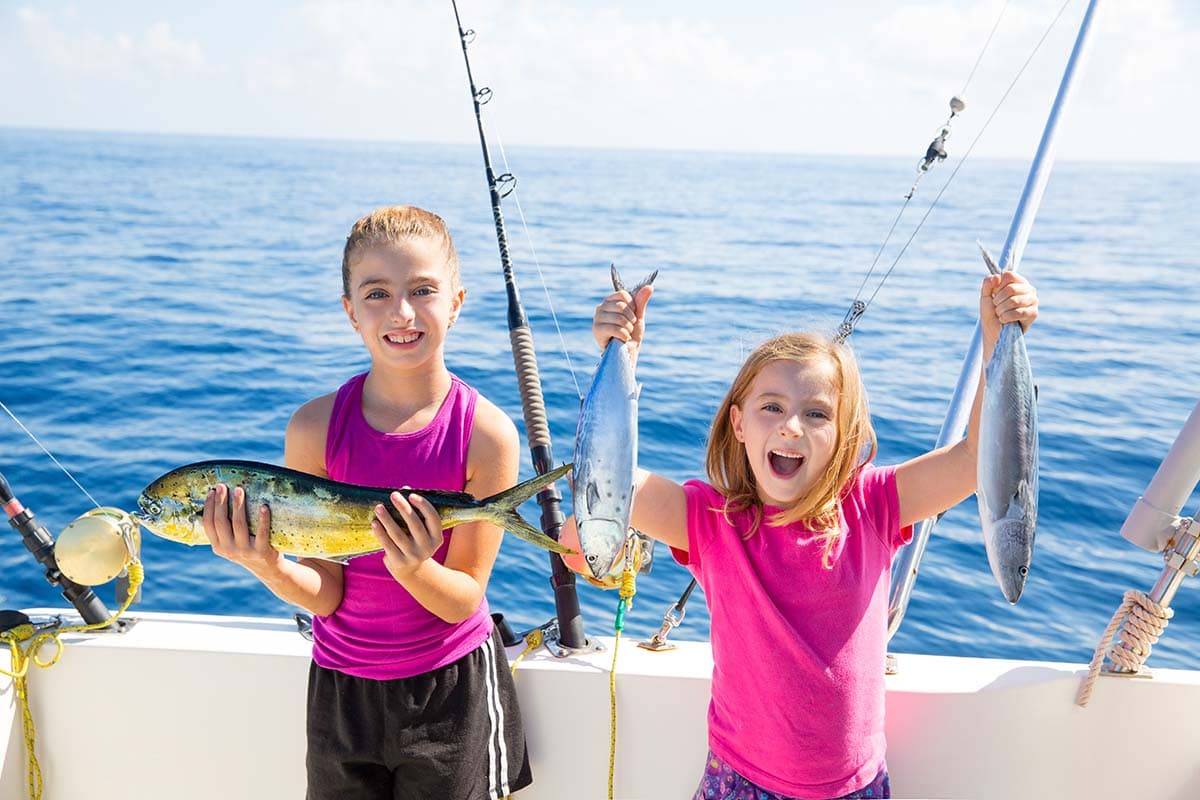
Bass Fishing, iOutdoors Blog
Deep-sea fishing is going out on a boat, spending the day on the water. Trying to catch fish that you would not be able to catch offshore or closer to land.
Offshore fishing or Deep-sea fishing when done right can be a fantastic experience. It’s for the whole family and can help you to organize a perfect weekend outing. It is a sport that requires skill, concentration, and dedication and that can be done with kids and the entire family all year round.
Things to Remember When Taking Kids for Deep-sea Fishing Trip?
The first thing you need to remember is that young kids are always very high on energy. Which means they may have a hard time sitting down on the boat. They will be running around and moving things here and there a great deal.
So, you would need to take the time to go over the rules with your kids. Make it fun so that they know what they should be doing and what they can and cannot do when they are on the boat.
Kids should always be wearing a lifejacket. When on the water or around water to help ensure that if there is an accident, they will be safe and secure. Kids should be wearing slip-resistant footwear so that if there is water on the deck, they can keep their footing and don’t fall off.
You also need to go over the basics of what to do when they catch a fish, how to work their fishing poles, how they handle the hooks, and so on. Taking the time to go over safety precautions with your kids is the best way to make sure that your child knows what to do and how to act.
What to Bring for Deep-sea Fishing?
• Sun protection
• Snacks
• Games or small toys
• Rods
• Reels
• Bait or lures
• Hooks
• Extra line
• Cooler for storing fish
• Life Jacket
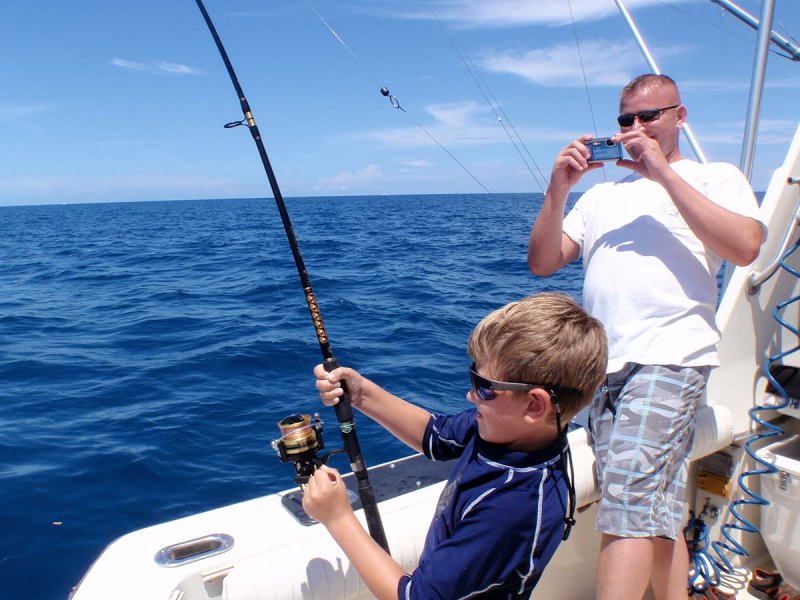
Related Blog: Offshore – Deep-sea Fishing – What to Bring
Tips and Techniques – Fishing Charters Guide
If you are going out with your kids, you must take some snacks with you. This is going to help keep them occupied, and make sure that they are not going to create chaos out of hunger.
You might also want to keep your kids busy when the action dies down and they are not as enthralled. You can take their favorite board game or small toys that they can play with while going fishing.
You can even share your fishing experiences from your college days or childhood. Your kids will be thrilled to hear your stories and maybe learn a lesson or two.
When out in the water, sun protection is a must. Things like sunscreen, hats, sunglasses, and more are going to protect the little ones on the water from harsh sun rays.
When you do go on a Deep-sea fishing charter, you should take the time to make sure that you have all the right lures, all the right hooks, fishing rods, and other equipment. The best way to know what you need is to get a deep-sea fishing charter guide.
The guides at iOutdoor are aware of the waters and are resourceful who can help you to find the right items and get the right overall equipment so that you can catch the fish that you want.
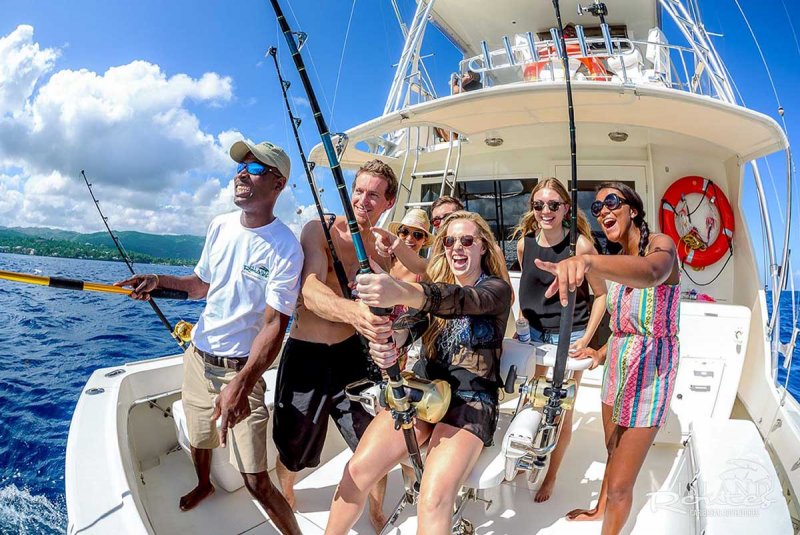
What Bait Works Best in Deep-Sea Fishing?
Different lures work for different types of fish and the right lures can help you get the fish you have been looking for. Bass are attracted to moving lures, while larger fish are going to be most likely to go for live bait like smaller fish. Fish like bass are going to be more likely to hide in trees and other sunken debris as they like to hide in shady areas.
If you are going on a fishing charter for the first time and you are just not sure what you need. A fishing guide is going to be a fantastic resource that helps you to find what you need to bring. How to go about catching some impressive Deep-sea fish. He/She will also take you to the areas that are best for the big catch.
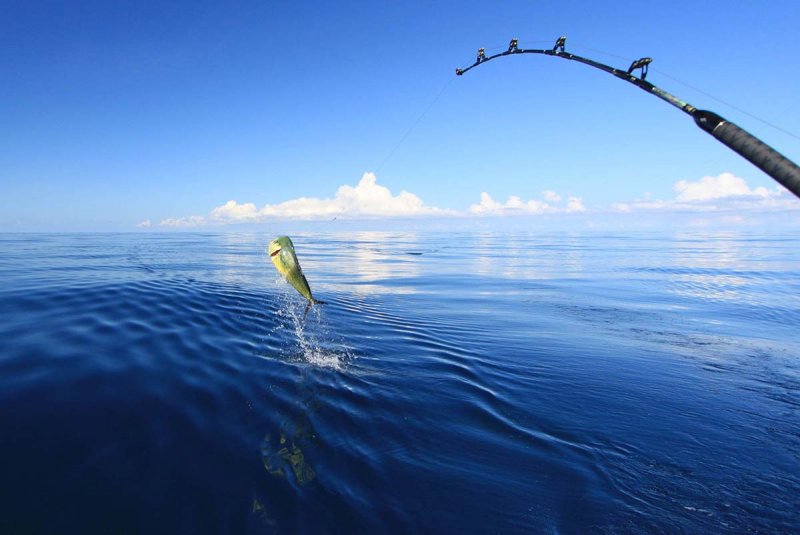
Checking The Facilities of Your Charter
You should check on with your charter company what kind of fishing charter is it- enclosed or T-top. On sunny days, a T-top will work fine while for rainy weather. An enclosed charter will keep you safe from getting wet.
Check if your charter has a bed, which can be helpful in seasickness, or a refrigerator or oven to enjoy some coolers or reheat your snacks.
When it comes to public places, hygiene is the first thing that a parent finds out. The same applies to your fishing charter, as you are going to spend the major part of your day. Cross-check with your service provider how clean and kid-friendly the boat is. You can read reviews online as well.
How To Keep Your Kid Away From Seasickness?
Nothing can be more disappointing than getting seasick while going fishing. Though it can happen with anyone, the least we can do is take steps to avoid it. There are some remedies that work for everyone, be it kids or adults, so that you can make the most out of your fishing trip. These tips are more like a life jacket, that will protect you from any kind of nausea.
It is not necessary that going fishing for the first time will make you seasick. So, don’t let panic ruin your day out while fishing.
Feed your kids healthy food at least 24 hours prior and have a light meal the night before.
Don’t disturb your cycle and get plenty of sleep so that you are fresh and free from any kind of nausea while fishing.
Wake up on time so that you have at least 1 hour between your breakfast and heading out.
Have a non-oily/spicy and easily digestible breakfast in the morning.
Kid fishing is a fun activity and with the right fishing tips and resources. You can get a great fishing trip and the fish that you want every time.
Related Blog: Why Deep-Sea Fishing Should Be In Your 2021 Fishing Next Trip List
Don’t forget to follow us on Facebook, YouTube, Twitter, and Instagram.

iOutdoors Blog, Bass Fishing, Florida Fishing
Catching Largemouth Bass is like an addiction. They may not be the biggest fish in the water, but certainly, they are the most fun to catch. They can make you look like a fool and a hero on the same fishing trip. Largemouth Bass are apex predators and astonishing aquatic animals. It’s because of fishes like Largemouth Bass that fishing in Florida is such an exciting game. Every fishing enthusiast wants to catch more and more Largemouth Bass in Florida, and without learning about their nature, this cannot happen. Otherwise, you miss the game.
Here’s Compete Guide on How to Catch More Largemouth Bass in Florida
Why Largemouth Bass?
Largemouth bass are some of the most popular fish to catch, not just in Florida but all over the US, for very prominent reasons. To start with, they give good chase. They offer enough challenges to enjoy the game yet simple enough that even young anglers can catch them.
The largemouth bass is also beautiful. If you are fishing for a trophy fish, this is a beautiful trophy to mount and look great in any home. Lastly, largemouth bass has a good amount of meat on them. If you are fishing for fish to eat, bass will provide you with a good amount of meat for the challenge.
Best Time of Day to Catch Largemouth Bass
Largemouth are most active when the sun is low with little glare off the water. This means that they are most active in the morning. Generally, before 8 am, and then they settle for the day until the sun starts to go down. They are active again around 6:30 pm. The largemouth is often not going to be active during the heat of the day and during times when the sun is high and super-hot.
You should go at times when the water is calm as well. They will get alert if they hear you or see excessive movement in the water. So make sure you are taking the time to be very still. Go at times of day when there are not a ton of people around and much activity on the water. iOutdoor saltwater fishing charters in Florida can help you find the best fishing spots and the best time of day to catch Largemouth Bass in abundance.
Best Baits to Catch Largemouth Bass
Bass are carnivorous fish, so you should choose baits that resemble small fish, crawfish, or worms. Bass like shiners or baits that catch their eye and draw their attention at once. If you are using live bait, small shad are a great option. Bass would normally eat shad, so getting small shad to use as bait is a brilliant choice. That will get you the right outcome.
For baits that are not live or are artificial, those that resemble crawfish are a good option since they look like what a fish would eat anyway. The best baits tend to be those that mimic the movement of the look of another animal. Rather than those baits like spinnerbaits that do not look like animals.
The Best Spots to Catch Largemouth Bass
Largemouth bass generally sticks to warm, shallow water rather than the deepwater of deep lakes. They often hang out in the shallows of ponds or bodies of water. Bass will always gravitate toward areas with a lot of vegetation or brush under the surface of the water.
They might be hiding in fallen trees, sunken logs, underwater vegetation, and more. They don’t like much open water, but you can lure them with food and baits. Look for shallow areas with a lot of vegetation around and is shaded as well to catch a good size largemouth.
Bass fishing allows you to get out, to get some sun, enjoy a great time, and if you can catch more Largemouth Bass, it’s like the cherry on the cake. Right fishing spot, the right bait, and right tactics can help you land the biggest Largemouth you have ever seen and give something to flaunt on social media.
Largemouth Bass, like other fishes, are creatures of habit, and they are easy to catch if you know what to look for, and you can find that perfect Largemouth Bass. Fishing charters in Orlando are a great way to catch more Largemouth Bass in Florida. Book your fishing trip with iOutdoor for the most adventurous trip with your pals.
