iOutdoors Blog, Bass Fishing, Cycling, Eco Tours, Fishing Destinations, Florida Fishing, Hiking, Offshore Fishing, Orlando Fishing, Water Sports
The Ultimate Disney World Resort for Outdoorsmen
One of the most popular family bucket list items is planning a trip to Walt Disney World. While “The Most Magical Place on Earth” has a strong princess vibe within the parks, families are ditching Main Street U.S.A. in favor of finding more unique outdoor adventures at the resorts!
Even in the depth of winter, Orlando sports mild weather with afternoons calling for short sleeves before layering up at nightfall. The resulting climate presents countless opportunities to get outside for some fresh air, and of course, get in a little fishing while the rest of the country is still waiting for their season to roll around!
Fort Wilderness Campgrounds, a Favorite of Outdoor Enthusiasts
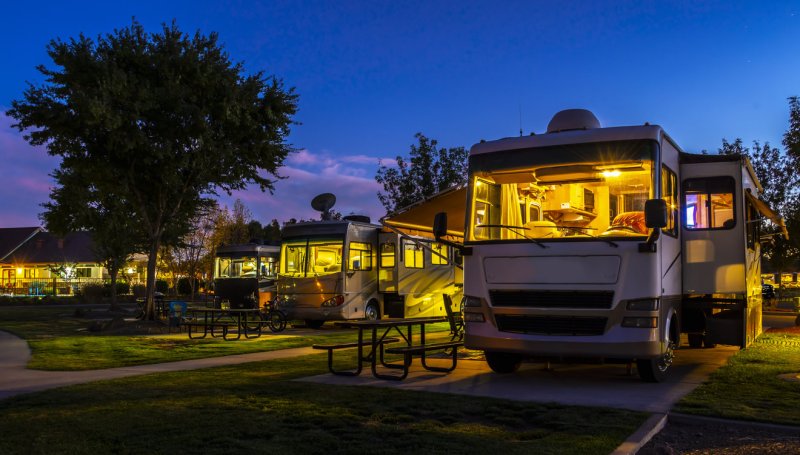
Today, we’re discussing the Fort Wilderness Campground, which has become a favorite Disney World resort among outdoorsmen and their families. With a huge variety of recreational opportunities, Fort Wilderness has become a destination worthy of a trip unto itself.
In fact, RV sites book quickly in winter months due to snowbirds spending sometimes weeks at a time at their luxurious sites. Those in the RV community that book longer stays will sometimes decorate their rig and surrounding site during the holidays. Christmas lights and inflatable lawn decor create a neighborhood vibe within the resort.
Disney’s Fort Wilderness Atmosphere
The Fort Wilderness Resort & Campground is a sprawling campus with several types of accommodations. Stays can include tent camping or more of a “glamping” experience in their cabins. Lobby areas, shops, and recreational buildings are designed to resemble rustic log cabins of the storied American frontier.
The resort is far more secluded than many of its counterparts. Which makes it far more likely to encounter local wildlife. Guests may see deer, armadillos, rabbits, ducks, and other Florida waterfowl.
Navigating the Fort Wilderness Transportation System
Disney World covers over 42 square miles. While bringing or renting your own vehicle can be helpful, it’s not necessary. Disney World has its own elaborate transportation network.
Disney’s Internal Bus System
One of the most reliable- and free- forms of transportation within the Disney World Resort (which includes the theme parks, the hotels, and Disney Springs) is its very own bus system.
Bus stops are scattered throughout Fort Wilderness at walkable intervals, where buses whisk you away to main buildings or to theme parks like Magic Kingdom, EPCOT, Hollywood Studios, and Animal Kingdom.
Boat Transportation to Magic Kingdom
A fun and unique way to travel to Disney’s Magic Kingdom is via a complimentary water taxi from Fort Wilderness. Boats depart every 15 to 30 minutes, hitting a handful of resorts along the edge of the Seven Seas Lagoon and Bay Lake.
Golf Cart Rental
Golf cart transportation is one of the keys to zipping around Fort Wilderness without waiting on bus transportation. You’ll find most attractions within the resort will offer parking for golf carts but not other motorized vehicles.
Electric golf carts are offered to guests for $63 per night and include the charger. Rentals are available to licensed drivers, 16 years and up.
Rideshare Programs
Guests are able to take advantage of ridesharing programs like Uber and Lyft to travel between parks and also to locations off the property. Local excursions like those provided by iOutdoors meet off-site to enjoy private fishing charters across area lakes!
Types of Accommodations Available at Disney’s Fort Wilderness
Fort Wilderness has perhaps the most diverse array of accommodations available to guests. Depending on how you like to camp, you have the luxury to “choose your own adventure” when booking your stay!
Tent Camping
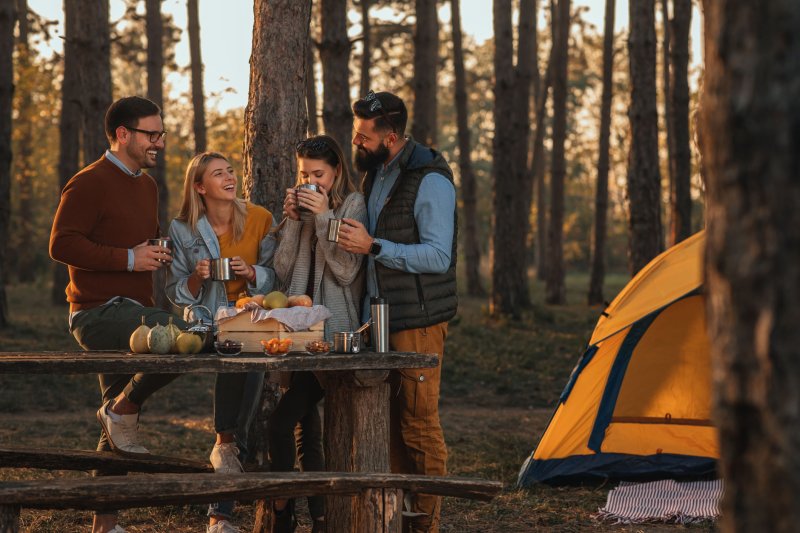
Sites for tents and pop-up campers come with a concrete pad of about 10’ x 25’ with the tent area just beyond. Sites also have potable water and both 30- and 50-amp hookups. If you are bringing a pop-up camper, just make sure both your camper and tow vehicle fit on the concrete pad. For mealtimes, each site also has a charcoal grill and picnic table alongside each pad.
The policy on tent rentals can vary depending on the resort’s occupancy, with rentals usually being reserved for parties of 20 or more. Tent rentals can run $30 per night, so on a longer stay, it may be better to either ship your own or pick up one in town before hitting the campsite.
RV Campsites
Fort Wilderness has some of the most well-manicured sites you’ll ever see. We’d expect nothing less from The Mouse, himself. Full hookups are available, including water, sewer, and access to both 30- and 50-amp hookups.
The pads measure 45, 50, or 60 feet long, with terms like preferred and premium denoting sites in close proximity to different amenities across the resort. We prefer a “Premium Meadow” site that’s close to the main building with access to the hub of bus transportation.
The Cabins at Fort Wilderness Resort
Perhaps you have a glamper in the family that’s happy to be landing at Disney World, yet they’re not all-in on a rustic camping experience. The Cabins at Fort Wilderness Resort offer amenities that you won’t find elsewhere like granite countertops, flat-screen televisions, and full kitchens including a dishwasher.
Each cabin has its own charcoal grill, picnic area, and deck to enjoy your morning coffee. Fort Wilderness is also the only resort with complimentary parking, with dedicated spots directly in front of each unit.
The resort’s sprawl provides a little extra privacy from your neighbors and plenty of room for the entire family to stretch out. Queen beds, bunk beds, and a sleeper couch can accommodate up to 6 adults.
Amenities and Facilities Found at Disney’s Fort Wilderness
Resort guests staying in tent and RV sites have access to clean and safe restrooms and shower areas at 15 different “Comfort Stations” throughout the resort. Many RVers choose to get cleaned up inside their rig, but many may opt for unlimited hot water.
Recreation at Disney’s Fort Wilderness
Disney’s Fort Wilderness Resort is seen as an oasis in the Disney bubble. While there are certainly Disney touches, life seems to move at a slower pace here. People come here to relax, whereas other resorts on property cater to the go-go-go crowd that’s more concerned with park-going and perhaps looking more for a place to rest their heads.
Boat Rentals
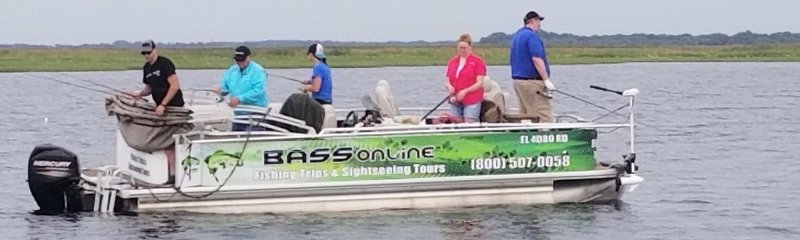
If relaxing to you looks like getting out on the water, Disney’s Fort Wilderness Resorts has several options to enjoy! For some motorized cruising, Disney offers Sun Tracker pontoon boats, which seat up to 10 guests.
If you are looking to explore the inland waterways at a slower pace, you and your family can rent a canoe by the hour, which can accommodate up to 3 people. Kayaks are also available for rent, which can seat up to 2 adults.
Disney does not allow guests to bring personal watercraft for use on their waterways. Rentals are available to those 18 years of age and older, with all guests 12 required to wear a lifejacket.
Fishing
If you’re up before the sun, you can make your way out to the Bike Barn for some dockside fishing. Gear rental is available, as well as bait. Shore fishing is not permitted around the waterways due to safety issues. Dock fishers will usually find catches like breen and decent-sized bass.
If you are intent on sailing Bay Lake, you can also charter a fishing excursion through Disney. Bay Lake is usually stocked with largemouth bass, although it seems catfish have found their way into the area as well.
As a quick reminder, all fishing on Disney property is strictly catch and release.
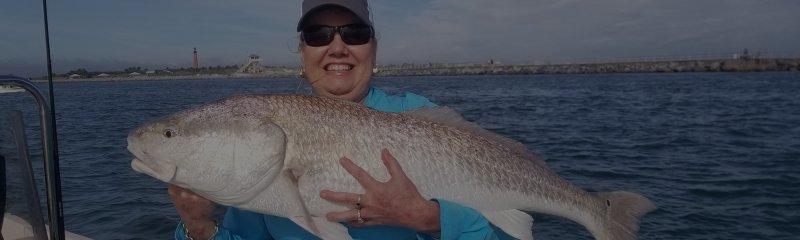
If you don’t mind a trip off property, you can treat yourself to a first-class fishing experience chartered by iOutdoor. Local area lakes are known for trophy largemouth bass. With access to both Atlantic and Gulf coastlines, you can create a truly memorable vacation when fishing for game-like grouper, snapper, mahi-mahi, redfish, and swordfish.
Archery
Families can take their best shot with a bow and arrow during a 75-minute archery experience. Staff trainers provide individualized lessons to guests 7 and older. Classes are small, with only 10 guests allowed at a time. After receiving instruction, resort guests can let their arrows fly during target practice.
All materials for the class are supplied, as Disney does not permit guests to bring their own archery equipment on site.
Bike Rentals
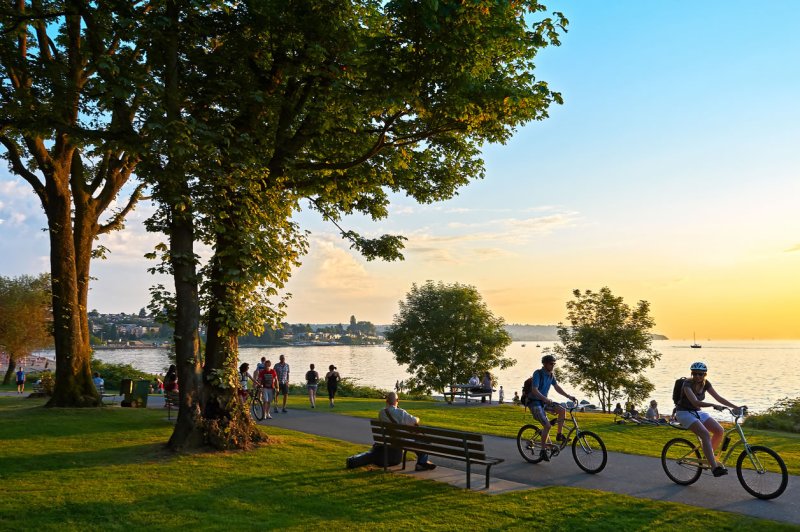
Disney does allow you to bring your own bicycle; however, if you’re arriving by airplane, you may want to visit the Bike Barn for some new wheels! Guests can pedal their way around the resort, taking in the fresh air, local wildlife, and breathtaking scenery. As a quick reminder, Florida law requires the use of a bicycle helmet for anyone under 16 years of age.
Segway X2 Back Trail Adventure
Guests 16 years and older can enjoy a guided tour of Fort Wilderness using an all-terrain Segway! Cast members share information about the resort and the natural surroundings via guest headsets as you traverse paved and off-road surfaces in wooded areas.
The tour lasts about two hours. Guests receive a 30 minutes tutorial on how to maneuver the Segway prior to departure.
Tri-Circle-D Ranch
One of the unique features of Fort Wilderness is Disney’s Tri-Circle-D Ranch. It’s unbelievable, the ranch is where the towering horses from Magic Kingdom’s Main Street parades are stabled. So not only does it offer guest recreation, it’s a behind-the-scenes look at the Disney magic! There’s even an exhibit featuring a historic 1907 calliope that was selected by Walt Disney himself!
For a more hands-on experience, your family can book 45 minutes, guided trail ride. For kids that may not be as experienced in the saddle, parents can lead little ones on a pony ride on an enclosed track.
Tri-Circle-D also offers horse-drawn carriage rides, wagon rides, and seasonally available sleigh rides. A quick tip: It’s strongly recommended to reserve exclusive experiences well in advance!
Pool Areas at Fort Wilderness
Disney’s Fort Wilderness Resort & Campsites offers two pool areas to serve the resort. Splash pad areas are available for the littles looking to cool off in the Florida sun. Parents will also enjoy hot tubs after a long day at play.
Snack bar areas are available nearby for a quick bite, and plenty of lounge chairs surrounding the pool area are a great way to relax. All Disney pools offer complimentary life jackets for swimmers of all ages. Be sure to bring your own towels from the room, as Fort Wilderness is the only Disney resort to not offer them poolside. However, you can, however, request fresh towels from “Mousekeeping” at any time.
More Sport Activities
However, if you’re looking to satisfy your competitive streak. Fort Wilderness also has both basketball and volleyball courts. In addition, it’s easy to keep your steps upon scenic jogging trails that wind throughout the resort.
More Family Fun
For instance, if after a long day in the parks, there might still be a little energy to burn off. All Disney on-site resorts, including Fort Wilderness, have playgrounds available for your little guys. Older kids will enjoy access to two different arcade locations on the property.
Dining at Fort Wilderness
Firstly, if you’re looking for a light bite or a dinner and a show. Disney’s Fort Wilderness has several dining options available without leaving your resort. Restaurants include quick service options like The Chuck Wagon food truck and hearty grub from P&J’s Southern Takeout. For a slower pace, enjoy castiron skillet meals at Trail’s End.
One of the most notorious dinner shows on the property is the long-running Hoop-Dee-Doo Musical Review at Pioneer Hall. After that, buckets of fried chicken and piles of BBQ ribs are followed by their iconic Strawberry Shortcake. If the food wasn’t enough of a draw. Moreover, the live song and dance that’s been performed for over four decades will get your toes tapping!
Final Thoughts
Disney’s Fort Wilderness Resort & Campgrounds is the perfect balance between a camping retreat and an immersive theme park experience. Families from all corners of the country come to unwind after a year at the grindstone, and the unique outdoor experiences of Fort Wilderness treat travelers to a rustic and welcoming stay.
In other words, now that the secret of this hidden gem is out. The event has seen a surge in popularity in recent years. Be sure to book your sites, dining, and experiences up to a year in advance. Up to six months in advance for dining! This gets access to tons of special experiences that your family will remember for a lifetime!
Have you stayed at Fort Wilderness in Florida before? How was your stay? What activities did you use? Got some other tips you’d like to share? Let us know in the comments below!
iOutdoors Blog, Amelia Island Fishing, Cape Canaveral Fishing, Cocoa Beach Fishing, Daytona Beach Fishing, Fishing Destinations, Florida Fishing, Fort Pierce Fishing, Ft Lauderdale Fishing, Islamorada Fishing, Jacksonville Fishing, Marathon Fishing, Miami Beach Fishing, New Smyrna Fishing, Offshore Fishing, Pompano Beach Fishing, St Augustine Fishing, Wahoo fishing
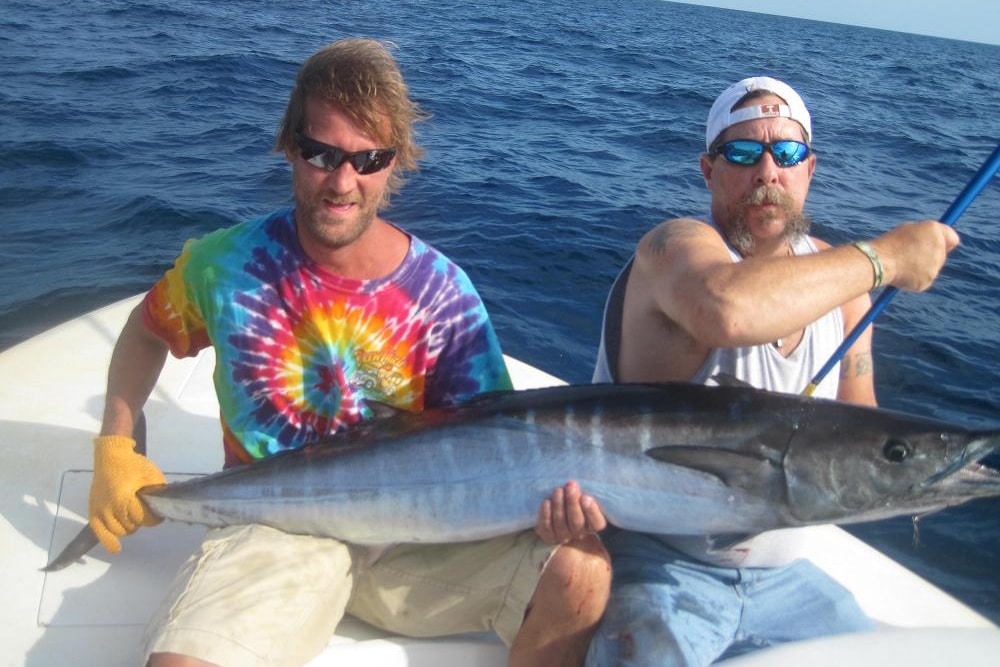
Wahoo can be caught year-round along Florida’s Atlantic coast from Amelia Island to Key West. However, July and August full moons are the best times to target Wahoo in Florida, at least on the east coast of Florida. Like most other fish species, the structure, water movement, and season are important to consider when targeting Wahoo. When all three of these conditions align, it will happen favorably, and you will be sure to load your fish box.
Many anglers are successful in July and August, around the full moon, which is 100% due to water movement. During July and August, the moon is the closest to South Florida. Due to this, the full moon will produce the two most prominent tide swings along the east coast of Florida during the entire year. Large tide swings have very favorable currents, enabling wahoos to feed.
Wahoo Fishing Charters
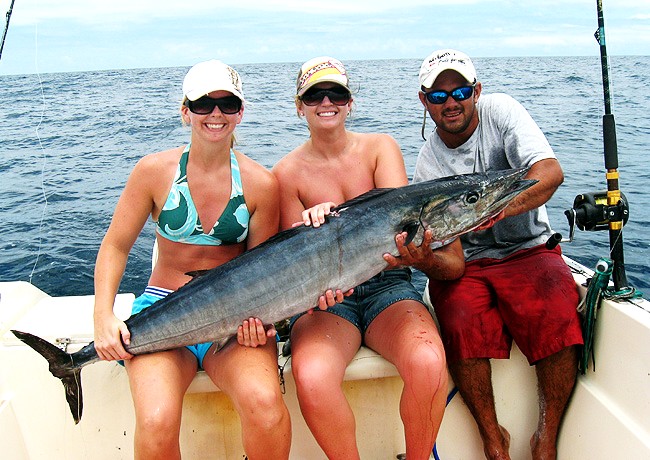
Wahoos are lovely fish that can sometimes be very elusive. They possess excellent eyesight, great camouflage significant talents but are often finicky. Wahoos average around 20-50 lbs on the east coast except for small fish; they usually find underwater debris. They are caught in Kite fishing, trolling, and vertical jigging, among other methods. The varied techniques depend on time and place and the weight and form of the fish.
If you are interested in a specific fishing charter, we highly suggest you plan to book a more extended charter, like an 8 hour, because of the amount of trolling and areas that need to be covered.
Top Wahoo Fishing Locations
Wahoo is an impressive pelagic fish found in a variety of waters. They swim from the coastlines of the Islands in the Caribbean and all around Florida. You can hook these streamlined speedsters in plenty of destinations. They inhabit tropical and subtropical waters, which reach 600 feet from the ocean’s surface.
Below, we’ve listed 5 of the top prolific spots around Florida. Of course, the fish swims in so many others, but here are places we have had great success catching Wahoo. Visiting one of these destinations increases your odds of having a pretty good Wahoo encounter!
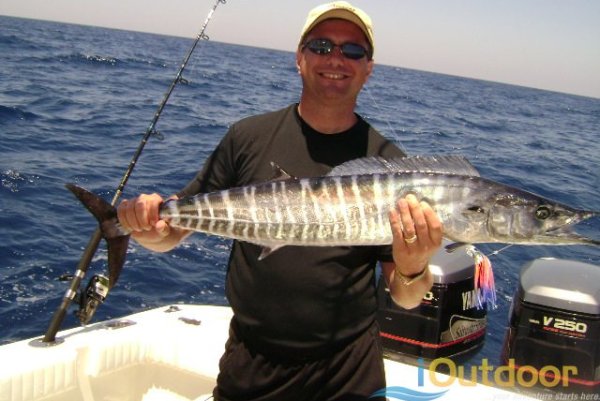
1) Wahoo Fishing in Key West
Anglers fish for wahoo in the Florida Keys because the meat has an exquisite taste; at least to most, it seems different. This fish reaches speeds up to 80 mph and is the fastest fish in the ocean, especially when attacking baitfish. Wahoos in the Keys can reach weights pushing 100lbs. But the average caught fish has just over 30 lbs. It spends much of its life within the deeper dark blue waters of the Gulf Stream Ocean.
Wahoo fishing season in Key West
The Wahoo may be caught in the Summer Time at sea in the cooler water of the open ocean. From November until February, the water temperature becomes perfect for this available sea predator in the winter months. It appears to be the most enjoyable on both sides of the full moon during the December months. Wahoo and many other fish species can be caught at Key West anytime throughout the year, but in December, only one week in either direction is the best time to encounter the Wahoo in the Florida Keys. The Winter is the best action for Wahoo because the water is warmer, and fish migrate south.
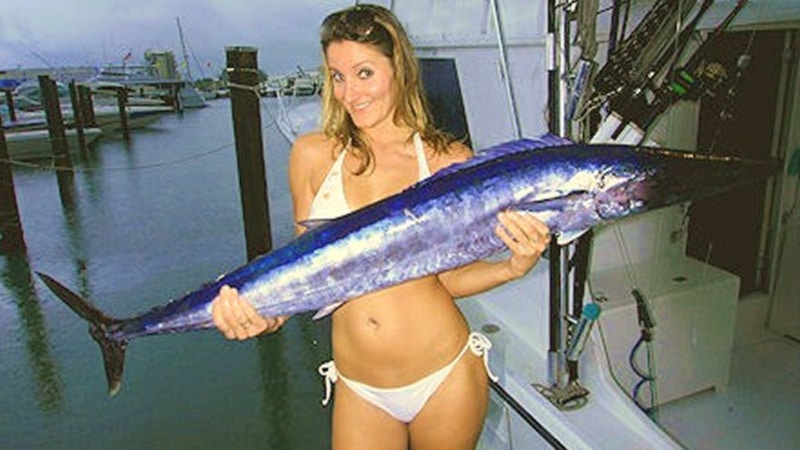
2) Fishing in Miami for Wahoo
Florida’s Atlantic Coast is at times saturated with Wahoo up and down the coast. The migration travels South to North, and when in Miami, they are plentiful. Miami’s city port provides direct access to the Gulf Stream, a deep water channel less than 3 miles offshore. These warm waters are home to many pelagic fish who call these waters home! Although the species is found all year, the best angling action usually occurs from early spring into late summer.
3) Wahoo Fishing in Biloxi
Not always known for its abundance of deepsea fishing, these deep drops offshore of the coast is home to big Wahoo and have become a hotspot. It provides the structure, current, and oasis these fish love to flock to! Even better, they live here all year, sticking close to deepwater rigs and structures anywhere from 10–30 miles from shore. However, the hottest times to cast your line are January through March.
4) Wahoo Fishing in Stuart
Fishing out of the St. Lucie Inlet in Stuart, Florida, is like all ports; it can sometimes be hit or miss. In Stuart, the season is less consistent but available all year round.
The best time of the year can be argumentative; most people would say the summer months of July, August, and September to target Wahoo. But at times, the Winter, October through February, can be impressive. Most Wahoos during the Winter are a bi-catch of fishing for sailfish. If you desire to catch Wahoo during the Winter months, be sure to specify when booking the charter so the crew and make the proper adjustments to target just Wahoo.
During the summer months, high-speed trolling baits and lures are the most effective targeting the Wahoo because they love to ambush its prey, look for them to be hiding around and structure, are down on ledges so they and quickly surprise its next victim. The average weight of a Wahoo caught in Stuart this time of the year is around 25lbs, but it’s not uncommon to catch a 45lb plus.
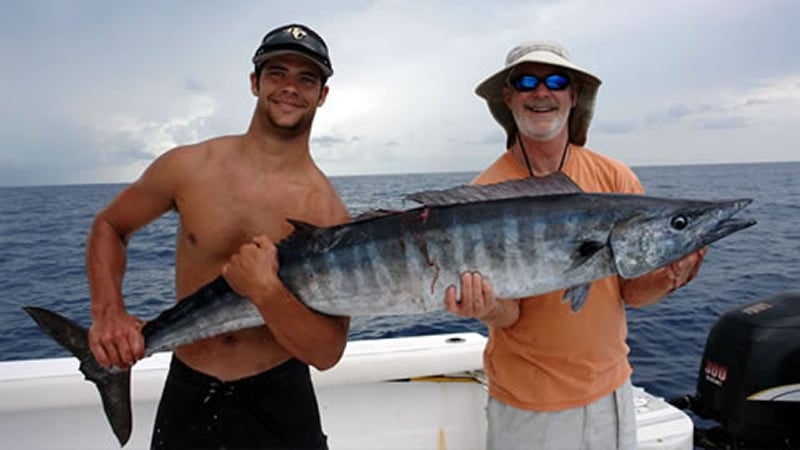
5) Catch Wahoo in St Augustine
Northeast Florida is known for its deepwater ledges off Jacksonville and St. Augustine coast, approxally 70 miles out, and prime hangout for large Wahoo. This migration of big Wahoo seems to show up between February and March and is fishable for Wahoo from January and April.
Generally, the time of the year when high-speed trolling for Wahoo works. Keep trolling once the fish are located, and the first hookup happens. It’s essential to use 50 series reels or larger ones to hold plenty of fishing lines.
The most success comes from rigging your trolling lines with a sinker. You want to try and keep your lines about 25 to 30 feet below the surface. It has proven that Wahoo like bright colors, and for that reason, a combination of purple and silver and red and black work most all year. This area has one of the largest averages of Wahoo, almost all coming from the ledges. The average size is 40 pounds, and it’s common to encounter fish in the 90-pound range during the season regularly.
Although you have an occasional by-catch of dolphin, blackfin tuna, you will know when the Wahoo hits without any dought.
Wahoo in the United States
In general, the Wahoo population is plentiful in the Pacific Ocean, Atlantic, and the Gulf of Mexico. All these waters provide ample Wahoo fishing opportunities throughout the USA, and the about are some of highlighted best destinations.
How do I Target Wahoo in Florida?
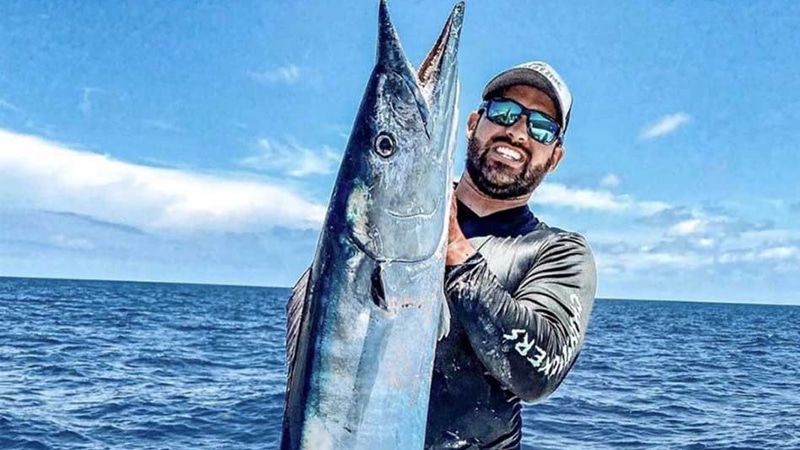
We have discussed lures to this point, but you can also slow troll with live bait, live blue runners, goggle-eye, mullet, and juvenile bonito. Live baits should be set up using a double hook rig, also known as a stinger hook.
If considering this method, be sure to load up on Spanish sardines, pilchards, ballyhoo, threadfins, and head offshore looking for a ledge, weed-line, rip current, anything to create a color change in the water. Generally, start fishing in about 180 to 400 feet of water; when doing this, it also helps to chum the waters. You can chum with dead bait or live baits, consistently placing a hooked similar-sized bait as an additional weapon behind the boat.
When Wahoo sense the chum smell, they will instinctively swim right under the boat to be caught by sight casting to them. When fishing in the mornings, you should expect a line on the water up to 35 minutes before sunrise. The morning bite usually lasts for about 2 hours during the sun rising.
What is the Florida Wahoo Spread?
Start by trolling for Wahoo, using small and medium-sized lures, especially in South Florida. Try using six-lure spread out equally. Try placing the Wahoo lures out 150, 250, and 350 feet on the port side and 200, 300, and 450 feet on starboard. In winds and waves, the farther the lures are fed-out, the slows it sinks, and then it speeds up again after cresting the wave. By using six lures, they cover different parts of the ledge at different speeds and depths.
High Speed Trolling Wahoo Lures
Each lure uses the highest quality materials available. The industry has extensively selected and supplied the best accessories and wood, including shellings and screws. Most Wahoo fishing products intend it to last fishing for the rugged, sharp toothfish species. Unlike some other lures on the market, most Wahoo lure companies use high-quality industrial-grade urethane. As a result, the lures will hold up to species and not turn black or crack in use.
Closing
Free to contact us for additional information or leave a comment below.

iOutdoors Blog, Bass Fishing, Bass Fishing, Bottom Fishing, Drift Fishing, Florida Fishing
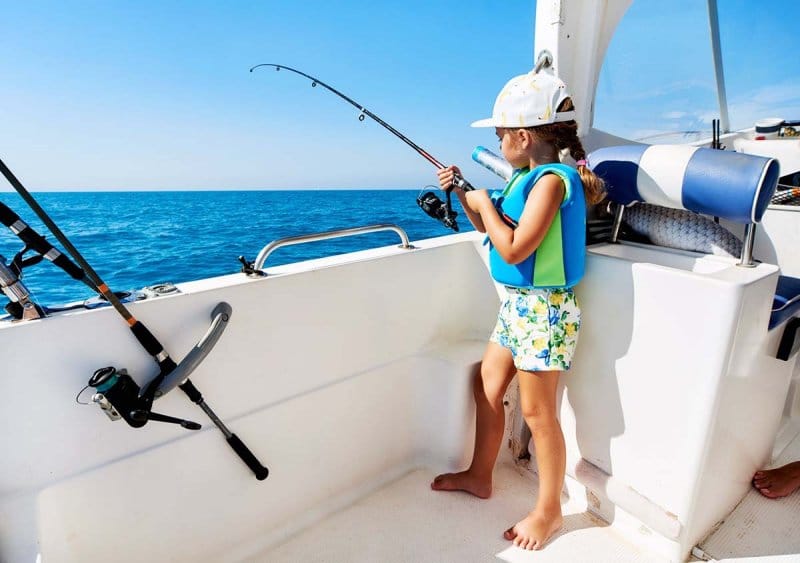
Give your little ones a kid friendly fishing charter; it can be easy if you do your homework. Why you ask, a child fishing trip demonstrates how fun, friendly and experienced crew can help them enjoy the beautiful outdoors and get to like boating at an early age. Sending your kids on a fishing excursion makes it fun, including a picnic lunch or even a picnic lunch at the dock after the charter. It makes the whole experience that much more.
Kid-Friendly Fishing Charter Options
A two or three-hour fishing trip can be customized to your group. These fishing charters are not all deep-sea fishing; they can be done inshore and offshore. The most popular for younger kids in many locations is it go freshwater fishing for bass or crappie. This type of trip gets them used to being a captain, handling fishing equipment around others, and being comfortable on a boat.
Kid-Friendly Fishing Charter Options
A two or three-hour fishing trip can be customized to your group. These fishing charters are not all deep-sea fishing; they can be done inshore and offshore. The most popular for younger kids in many locations is it go freshwater fishing for bass or crappie. This type of trip gets them used to being a captain, handling fishing equipment around others, and being comfortable on a boat.
The perfect trip for kids!
We talked earlier about the freshwater options; this can be done on a conventional bass boat, comfortably handling 2 to 3 kids each, depending on the size. Another option that is commonly overlooked is a pontoon fishing trip. They are great for kids fishing for several reasons. First, depending again on the group size, they can allow a capacity of up to 8 to 10 kids with ample round to fish. The platform is more stable than the bass boat and generally has a covered area to get out of the sun. You can also bring refreshments and prepare food for a snack. The enjoyable experience of calm waters and catching fish is a success.
The Action of a Good Charter makes fishing fun for Kids!
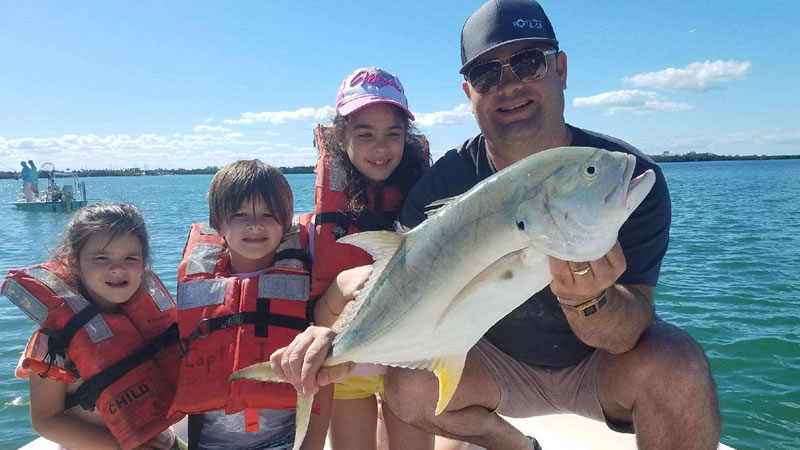
Once aboard, charters can fish for virtually everything that lives in the water – but also get to take in natural beauty also. Many kids only remember their most enjoyable experience, but these trips are family memories that they carry as adults. Our kids’ charters should be customized to suit your requirements, expertise levels, and the fish types you intend to target. To help safeguard children, we offer children a wide selection of light jackets, sun screens, and life vests; however, we make sure our little ones remain safe and become their good luck charm.
Types of Fish for kids and where we Fish for Them
The kids’ fishing options are endless and in just about every port or community. Fishing charters produce many different fish species; the deep sea could be grouper, black sea bass and shark, inshore striped bass, snook, and sea trout. While the protected waters of freshwater, largemouth bass, crappie, and bluegill. Don’t count out family trips from the bay, or shoreline which provides many miles of good fishing area, be sure to have an experienced crew. When fishing with bait on trips with kids, try a reel made for bait fishing when using shrimp, drums, salmon, scallops.
What age do you have to be to go Deep Sea Fishing?
Many fishing charters captain don’t have an age restriction but have a designated requirement to be met; this could be height or weight. Check with the captain if ages aboard are restricted. Most seem to recommend ages 7 to 9 and older, as this is not as easy for young children. Under 17, you need to size release waver issuing temporary guardianship while a board the boat. We strongly recommend the parents travel with the kids.
How safe is Deep Sea Fishing?
Fortunately, deep-sea fishing hasn’t been particularly deadly. However, boats, water, sun, hooks, line, or knives are vulnerable. This is justifiably the same on all fishing charters, so good behavior while on the water is essential.
How much should a fishing charter cost?
Weekends can be different than weekdays, but not always. On the bigger vessel, you can pay per head, which is easier to budget. Other big vessels are like the smaller ones, they charge one price, based on “X” number of kids, and it’s up to you to fill it and divide the cost. It usually comes out cheaper but is more work. Keep in mind the head boats charge per head, also have to charge sales tax on each person. Where the charter boat, set at one price is not taxable.
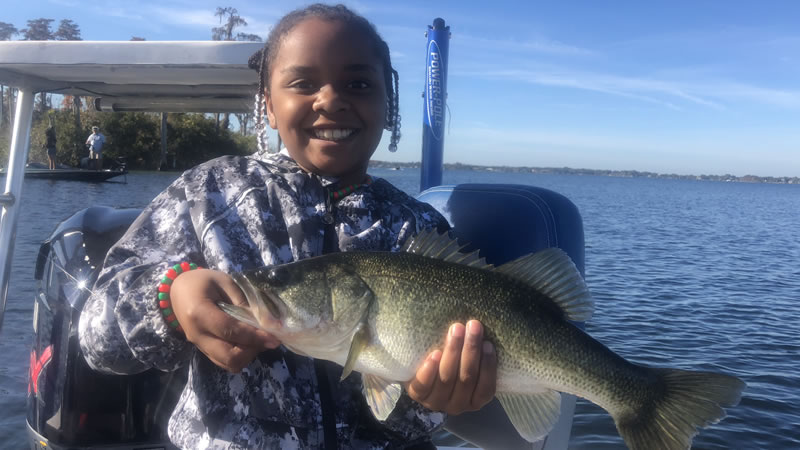
Can Kids keep Fish when Fishing?
All states have different laws to what is considered a minor. For example, California is 18, Florida is 16, and over must obtain a fishing license. Also, each state has laws on fish limits depending on the trips, the big head boat vessels, and all saltwater trips you do not need to purchase a license. While all freshwater trips, if over the minimum age, you’re required. So yes, the kids can keep the fish they catch if all state laws are met. The captain will know these laws and tell you during the trip what can be kept and what needs to be thrown back.
In Conclusion
If you have any questions, leave a comment or hit us up on chat.

iOutdoors Blog, Backcountry Fishing, Bass Fishing, Bottom Fishing, Destin Fishing, Fishing Destinations, Florida Fishing, Ft Lauderdale Fishing, Islamorada Fishing, Key West Fishing, Marathon Fishing, Miami Beach Fishing, Offshore Fishing, Party Boat Fishing, Wreck Fishing
Top Fishing Bachelor Parties
These days, it is widespread when bachelors and bachelorettes are planning destinations for their ‘Last-Hoorah’ parties. The people go somewhere warm and distinct from celebrating the last days of single living. So what makes for a good fishing bachelor party destination? Does it include parties that include scuba trips with fishing trips for boys? Is it the perfect place for your bachelor event? It’s a great way to enjoy your single life with friends and family during your last bachelor moments.
Bachelor Party Fishing Trip
Many clients who book a fishing charter for a bachelor party want a fun activity to be completed without the craziness of managing the entire trip. So they can focus on strip clubs and binge drinking. A good outfitter will handle everything you need to relate to fishing and transportation and your food/drinks. Once on board, the Captain and Mate on your boat are there to support and help you with everything. A good charter will help you get centrally located around the boat, describe the areas, including hooking baits to rigging reels to catch fish.
Including providing fishing instruction if needed, and even cleaning the fish to create the best trip. In your planning, understand the fishing season. It’s not always sailfish mahi-mahi, tarpon, bass, tuna, kingfish, or wahoo season. Know the plan ahead of time!
List the Top 6 Bachelor Party Fishing Destinations to consider and why?
Listen, there are hundreds of locations around the United States. From Texas on the coast of Corpus Christi to an inland location like lake mead in NV. It comes down to five main things. One, the time of the year, which eliminates a lot of places. Two, the type of trip you want to experience. Each location is generally specific to what the local market provides. Three, the destination. Is the activity a tiny bit of what you’re looking for on your trip? Are you looking for great nightlife as well? Four, the angling. Is it good in that location during the time of year you want to go? Five, the outfitter. Is there an outfitter that can accommodate your specific needs during the dates you require?
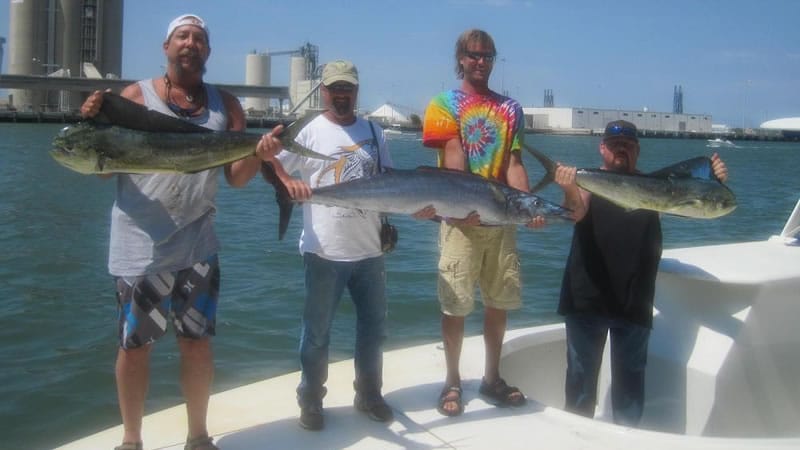
1 – Ft Lauderdale FL
The leading destination for all things, including fishing in Ft Lauderdale. The number one location for every after-hour activity you can imagine, including spectacular angling options. It offers incredible Ft Lauderdale deep sea and inshore charters for the likes of snook and tarpon. Minutes from the beaches also provide access to the everglades with excellent largemouth bass, exotic peacock bass, and the Asian snakehead. So start your bachelor party right with mutable days to battle some of the most sought-after species in the world. Parties of any size are available at this location and have unlimited accommodations. But, of course, alcohol flows through what is known as “Liquardale.” After all, fishing makes you thirsty.
Not to mention, if looking for the Las Vegas casino atmosphere, Ft Lauderdale has mutable area casinos and gets into trouble. But, just in case the girls are attending, you’ll also keep the wives and girlfriends happy with all the casual shopping and beaches.
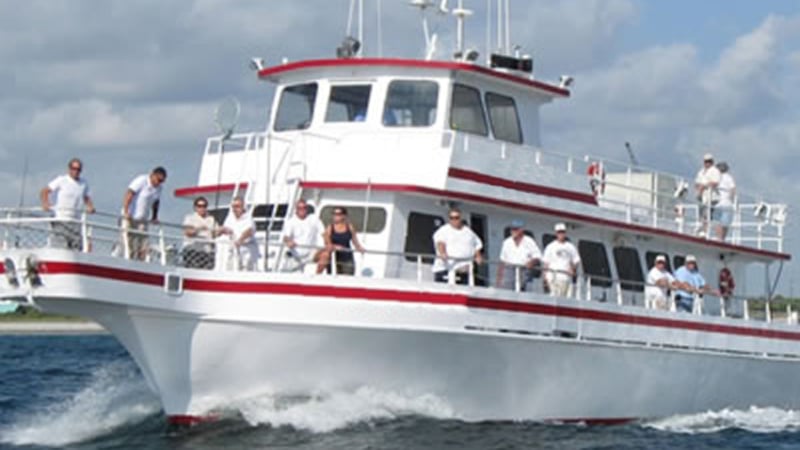
2 – Miami FL
Miami Bachelor Party Fishing charters is another excellent place for a bachelor party event. Miami has plenty to keep you occupied between downtown, South Beach, and Miami Beach. Miami has boats that can take over 20 people together. That right, your entire bachelor party can fish together on the same boat. You can bring the beer, food, and other drinks or have it fully catered. You have the option of a drift fishing boat or a typical sportfishing charter boat. Based on the season, Miami charters offer Swordfish, Sailfish, Marlin, Tarpon, Bonefish, Sharks, Tuna, Mahi Mahi, Wahoo, and Barracuda.
If you prefer to fish more on a bottom, this will benefit everyone so they can fish simultaneously. More fish are caught, you can fish Reefs for snapper and grouper. Miami’s specialty and most famous fish is the stocked peacock bass. Miami provides customers an authentic high-end experience with access to beaches and fun nightlife.
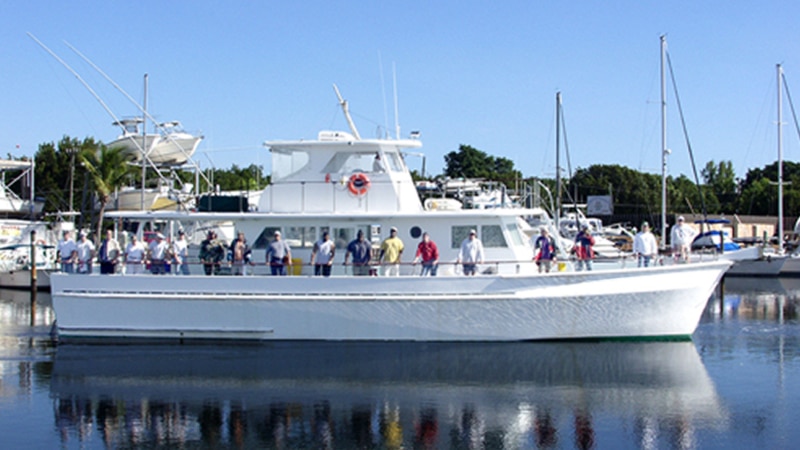
3 – Florida Keys FL
The Florida Keys are 125 miles long chain of islands with many great fishing destinations. They all offer deepwater, offshore experience, inshore, and backcountry experience, which is for Tarpons, bonefish, and permit fishing. Offshore charters are generally in the Gulf Stream, where can catch rapid Mahi Mahi, Grouper, Snapper, Tuna, and more. The time of the year is less important when visiting the Keys. It’s more about the smooth journey than the fish, and there is always something biting. The Florida Keys is considered the sportfishing capital of the world for a reason. Some of the best fish caught in the Florida Keys is in Marathon. Although there are limited options compared to Miami and Fort Lauderdale, there’s nothing wrong with a vacation to Florida Key. Plenty of options for anglers, incredible food, and lots of drinking establishments.
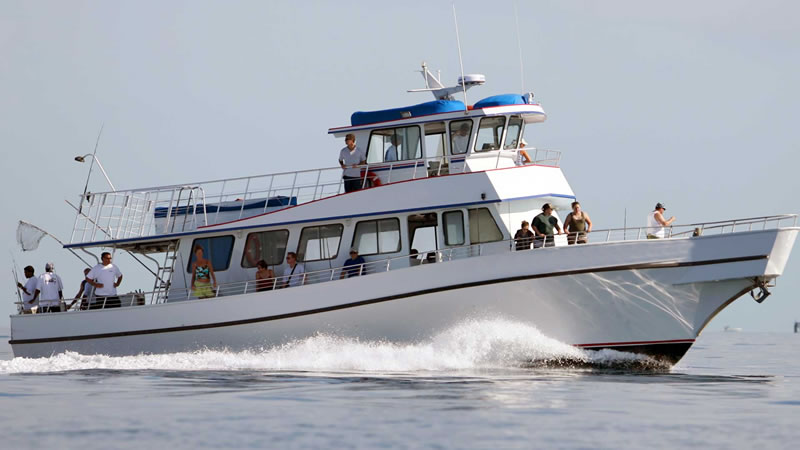
4 – New Smyrna Beach
New Smyrna Beach is not a tourist hotspot for many reasons: it’s small, quaint, fun, and suitable in the middle of some of the best fishing in Florida. Daytona beach to the north and Cape Canaveral to the South will find lots to do after hours. But there is no need to leave New Smyrna and the friendly people. The weather is always beautiful most year-long, and catching is consistent. Offshore charters aimed at Wahoo, Kingfish, Mahi Mahi, and Sailfish are also attractive among bachelor parties. Try out a grand slam, the world-class redfish in the Indian lagoon, the inlets, and the river. Another option is cruising the Intracoastal by boat, enjoying the great food and drinks. This area is surprisingly good for bachelor parties and underlooked by many. Whatever you choose to do during your trip, look at New Smyrna; your group will forever remember it.
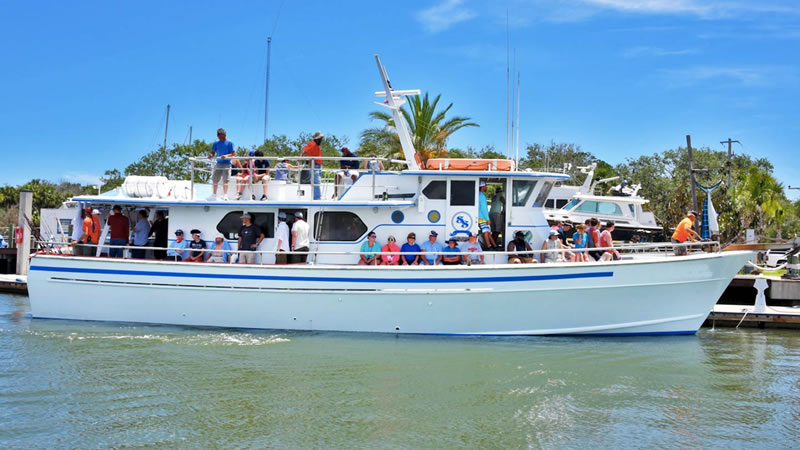
5 – Destin, FL
Destin has quickly become a top destination for bachelorette parties. Suppose you’re a couple planning a joint bachelorette & bachelor party. Destin is the perfect city to consider among the rest. The tremendous coastal bars, live music, and fantastic restaurants make Destin an easy choice for a bachelor weekend of partying.
Common amongst many while in town, plan a fishing charter for the whole group. Destin has several great local watering holes and is more of a seasonal city than the others. So looking at the offseason can provide significant savings on everything. Destin is one of those towns that go from total capacity everywhere to almost no one—known for its spectacular deep sea angling, fantastic snapper season, and consistent inshore activity for redfish, trout, and more. It is an excellent destination if it fits your calendar timing and meets all your needs.
6 – Biloxi, MS –
The city of Biloxi is another favorite for bachelor groups. Pick any bar along the oceanside strip and enjoy a little bit of everything. But that’s for the night adventures; head for a real Biloxi treat during the day. You can choose your experience when it comes to fishing. You can fish inshore and enjoy speckled trout, redfish, flounder, and sheepshead, to name a few. Or travel about twenty to thirty minutes into the ocean to select trolling or bottom fish, which is are both popular in this area.
If your trip is planned right, you can fish both inshore and offshore all in one day when visiting Biloxi. There is no reason to go to Vegas, this Sin City of the South is home to various events and casinos. Can provide every option you need at an affordable price!

All-Inclusive Fishing Bachelor Party Packages
Your more prominent outfitters like iOutdoors, provide all-inclusive packages for large parties. The smaller operations with ala Carte offerings will be more hassle and cost you more. Location is more important to most people, more than angling itself. So we can arrange transportation in the package, no matter where the area. This will provide everyone with a bit of needed downtime.
Inclusion
A good outfitter will accommodate all your needs without you having to ask. So, be sure to research all fishing bachelor charter services. This space is limited to a few providers that do it well; others will try to accommodate and get it half right!

iOutdoors Blog, Florida Fishing
The sunny shores and inland lakes & canals of Miami have long been attracting people from around the globe. The beautiful wildlife and fishing opportunities of this coastal city are unparalleled. For more than 10,000 years, it has been a haven for civilizations, and a wide variety of fish species.
Read on to learn more about the different kinds of fishes in Miami and the types of fishing you can enjoy.
Species of Fish You Can Catch in Miami, FL
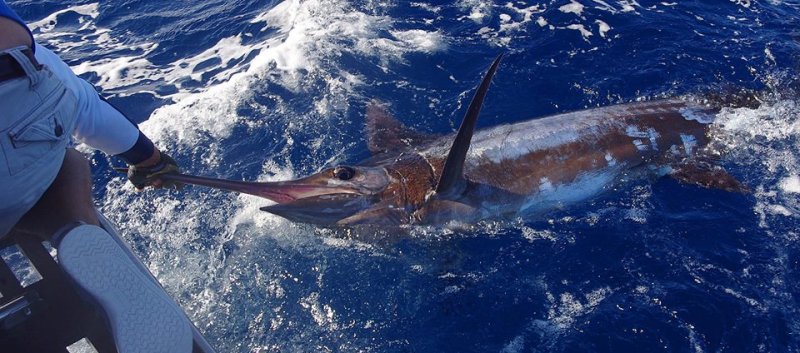
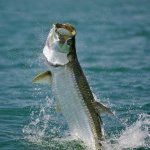
Tarpon
One of the favorites of sports fishermen, you can find tarpons in Miami Biscayne Bay and the Stiltsville flats depending on the time of year.
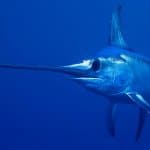
Swordfish
Swordfish are also available in Miami. While they are not very common, they do live in depths from 1,000 to 1,500 feet. You can hire a Miami fishing charter to bait them.

Sailfish
Sailfish is another prize fish, related to swordfish and marlin, found in Miami. They’re found in the drop-off between 90 and 200 feet and are prevalent on the coasts.
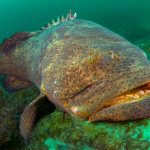
Grouper
There are several species of grouper you can find in Miami. You can find them inshore at the depth of 15 feet.
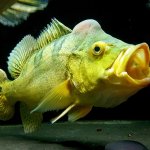
Peacock Bass
Peacock Bass can be found in Dade county lakes and especially Miami airport lakes. Blue Lagoon Lake also has a few access points at the casting distance of Peacock Bass.
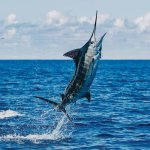
Blue Marlin Fish
The Blue Marlin is another species of the billfish family found in the warm waters of the Atlantic near Miami. Experts suggest to catch them around the full moon in the Gulf Stream.
 Kingfish
Deep-water Kingfish are hard to find even by experienced anglers. Big Kingfish are pinnacle in shallow water. Deep-sea fishing is the best way for catching them. They are also found while reef fishing.
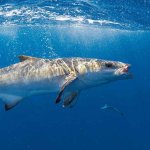
Cobia
Cobia are found both inshore and offshore in deep or shallow waters. In Winters they move inshore.
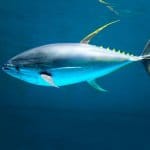 Blackfin Tuna
It can be found trolling offshore at depths from 150′ to 500′. Blackfin Tuna is especially prized for its meat.
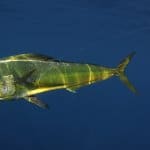
Mahi Mahi
Mahi Mahi is found in the summer months offshore. A great technique for catching these is throwing bait in the water.
Best Fishing Spots in Miami
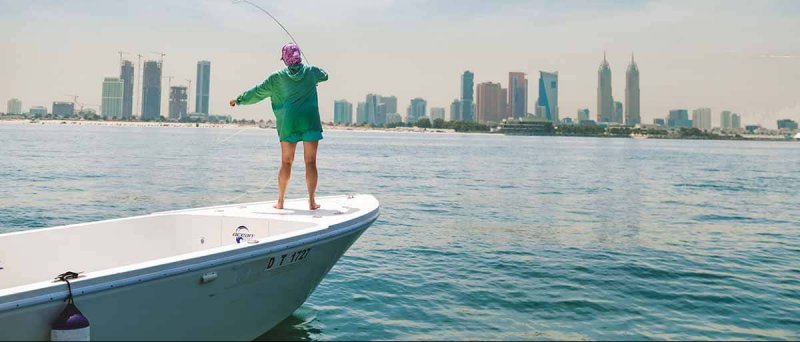
While every local fisherman has their favorite spots to set the boat ramp and throw line, there are some popular choices due to accessibility and the amount of fishes available. Look into local piers and fishing charters as well to get the full scope of Miami fishing options.
Biscayne Bay
Some people consider Biscayne Bay to be a fisherman’s paradise. It is home to many sports fishes, including bonefish, permit, and snook.
Its shallow inshore fishing conditions offer a lot of opportunities for fishers. It encompasses a space from North Miami to Key Largo, with a total area of 428 square miles. 270 acres are reserved as protected under Biscayne National Park. This creates many beautiful, natural vistas to appreciate.
O.L. Bodenhamer Wreck
This sunken Liberty ship is an artificial reef that is brimming with life. It is a bit “off the radar,” and it is among the hundreds of wrecks in the Miami area, although further from the shore than many other wrecks. It is located at a depth of around 400 feet. This WWII relic is home to many different kinds of fish. Bigger game fish like tuna, mahi-mahi, and sailfish all hunt around the wreck. Goliath Grouper, snapper, and amberjack live in the wreck.
Gulf Stream
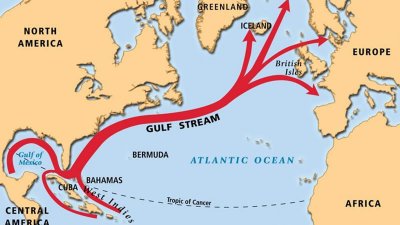 The rich blue waters of the Gulfstream make fishing almost easy. It flows in a three-mile path from Miami to Miami Beach. The waters are abundant in food source for species such as plankton and have fish eggs and crab larvae. Find small predators like blue runners, goggle eyes, scads, and jacks. There are also larger predators like Tuna, Bluefin, Wahoo, Red Snapper, Sailfish, Mahi-Mahi, Mark, Swordfish, and Spanish mackerel, even sharks.
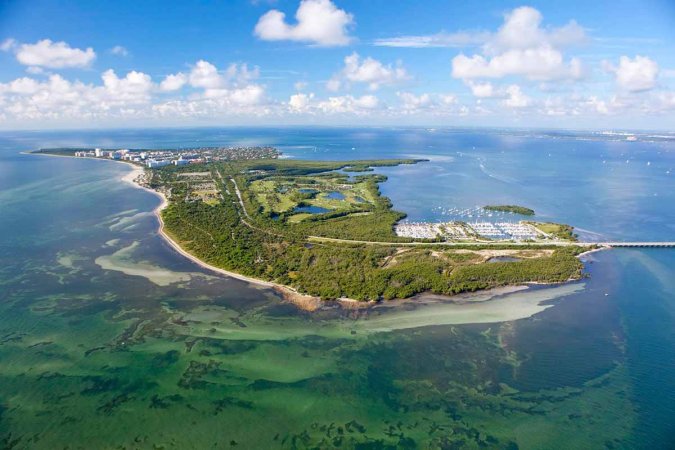
Key Biscayne – Island Paradise
A trip to the Miami area isn’t complete without stopping in Key Biscayne. It is only a 15-minute drive from downtown Miami, but Key Biscayne feels a world apart from the city.
This tiny island is home to 2 state parks, palm-tree-fringed beaches, bike paths, restaurants, and golf courses. You can catch Snook, Tarpon, Mahi-Mahi, Sailfish, and more species.
Types of Fishing to try in Miami
There are many types of fishing to try in Miami. Whether you’re looking for a specific type of fish or locale, here’s list of some popular option for you.
Bass Fishing
Bass fishing in Miami is fun and exciting! You can charter a boat to go after the various non native and native species of small and largemouth bass species, or you can explore the freshwater lakes. Spring and fall are typically the best time for bass fishing, but they are available all year.
Inshore Fishing
With many lakes and canals are available locally, you have many opportunities for a great catch with inshore fishing. Inshore fishing means less time traveling and more time fishing!
 Offshore fishing
Want something adventurous? Offshore fishing charters let you explore the ocean like never before and can give you your life’s best fishing trip experience.
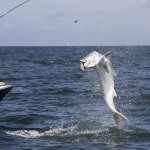
Tarpon Spots
The warm climate of Miami produces ideal opportunities for catching Tarpon, which is one of the most popular species. You will be able to find them near bridges, especially while fishing inshore. Try fishing for them at night or in the late afternoon.
 Kayak Fishing
For a unique and budget-friendly fishing trip, try kayak fishings. It gives you a unique opportunity of being positioned closer to the fish in the boat. Be sure to double-check the weather before you go out!
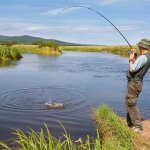
Spots Fishing
Many anglers prize their favorite spots. If you ask one, they will tell you where their ideal spot is. There are many local guides that give you maps of the best seasonal spots.
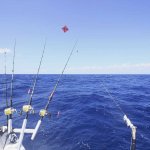 Kite Fishing
It is gaining popularity in Miami waters to reel in species like tuna, marlin and sailfish. For anglers looking to try their hand at something different for bringing in the fish, kite fishing in Miami is exactly what you need.
When to Visit Miami
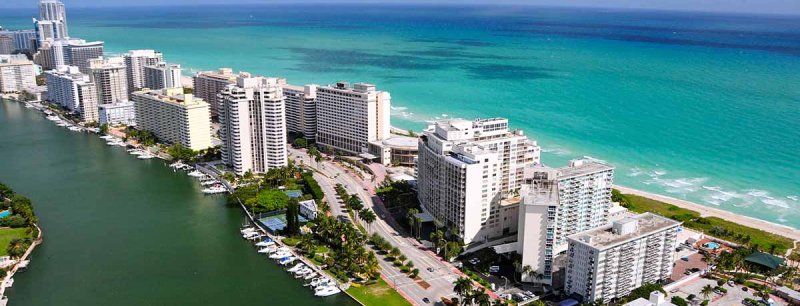
Miami is beautiful to visit any time of year. Certain species are most active in the summer, while others are migratory and there in spring or winter. Hurricane season is from May to November, while the “snowbird” season is from October to April.
Famous tourist destinations in South Florida (Miami)
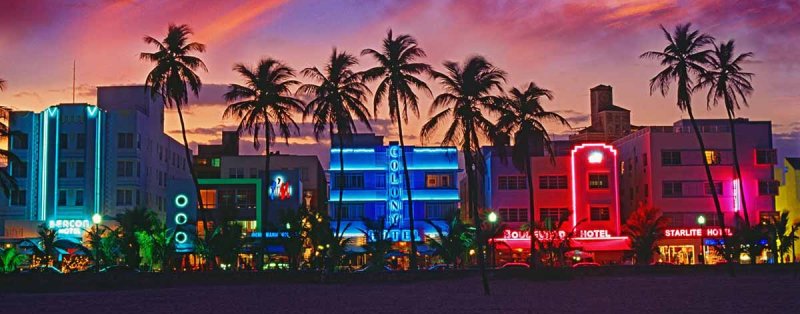
South Beach is a draw for its exciting nightlife and warm Atlantic waters. Many festivals, events, and concerts are happening all year-round. For animal lovers, the Zoo Miami has a great variety of well-kept animals. You can watch exciting sports games, with teams such as The Marlins, Heat, Panthers, or even the college games. For shoppers, the Miami shopping experience is a unique and once-in-a-lifetime experience. You can find lots of souvenirs to take with you as memories. If you want to escape the hustle-bustle of the city, you can visit Everglades, a serene tranquil beauty one-hour drive away from City!
Why you Choose iOutdoor Fishing Charters in Miami
The fishing options in Miami are endless. But until you’ve experienced a thrilling and successful fishing trips with a local expert, you haven’t experienced Miami fishing at its finest.
Let us help you with that! We have fishing license and coolest fishing charters in the region. Join us on a spree of a lifetime, iOutdoors will find the most unique fishing spots for you so that you have a great time in our Miami fishing charter. Our guides will also let you know bag limits of species so that your trip is sustainable yet an adventurous one. Come join us for a experience of a lifetime! Book now!
Don’t forget to follow us on Facebook, YouTube, Twitter, and Instagram.

iOutdoors Blog, Cape Canaveral Fishing, Florida Fishing, Mosquito Lagoon Fishing, New Smyrna Fishing, Redfish Fishing, St Augustine Fishing
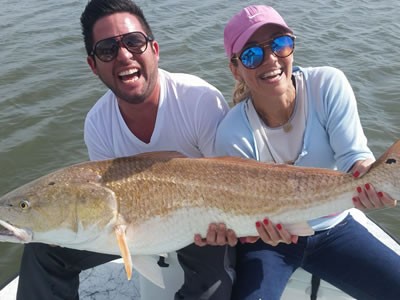
How To Catch Redfish In Florida
Redfish, also called Channel Bass or Red Drum, is one of Florida’s top sought-after saltwater sport fish. They have a wide distribution on both the East Coast and Gulf Coast. In the Atlantic Ocean, they range from Massachusetts to Florida, and in the Gulf, they range from Florida to Northern Mexico.
Flats fishing in the shallow waters of the sunshine state for bull redfish is an experience like no other. Anglers worldwide travel to Florida every year to catch redfish. Their beautiful color and freight train-like runs make for an incredible fishing experience.
Characteristics
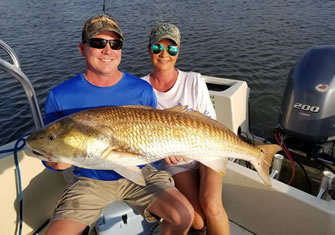
The first step to targeting and catching redfish is being able to identify one. Redfish are usually bronze or reddish in color with a white underside. One of the most distinctive features of redfish is the dark eyespot near its tail. On average, redfish measure from 11 to 24 inches depending on age and weigh up to 22 pounds. The largest fish are known as bull redfish or bull red. Generally, they are likely to exceed forty pounds during the summer during the spawning season. However, during the winter, they are more likely to be in the three to the twelve-pound range.
Red Drum is a fast-growing fish, with the juvenile redfish reaching about one pound and 11 inches in its first year. It’s considered a bull redfish when it gets over 26 inches. The name red drum comes from the male’s habit of making a knocking or drumming sound during spawning by vibrating their swim bladders. Redfish can look similar to black drums from a distance, and the colors can sometimes be easy to mix up, especially in adult redfish. However, the redfish has no chin barbels, and the black drum never has the spot near its tail.
Where To Catch Redfish In Florida
Anglers can enjoy red drum fishing almost anywhere in Florida since they are found on both Florida coasts. They live nearly everywhere on the Gulf Coast and are predominately along the upper half of the East, near Central Florida and north. East Central Florida has earned its name as the Redfish Capital of the World because of its fantastic year-round fishing in the shallow grass flats. Specifically, the Indian River, Mosquito Lagoon, and Banana River are most known for their redfish fishing and big bull redfish fishing in New Smyrna. 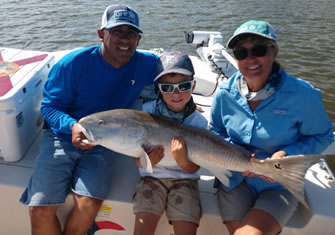
Almost all the coastal water on West Central Florida makes for good flats fishing for redfish. Specifically, Clearwater, Tampa Bay, Palm Harbor, Tarpon Springs, St. Petersburg, Sarasota Bay, and Spring Hill are filled with decent-sized redfish schools. Generally, the adult redfish move offshore to spawn and can be found offshore in large schools. They will roam into coastal rivers throughout the year sporadically or in small groups but swarm into these areas in the winter when seeking warmer water.
Where To Look
Anglers can fish for redfish in the grass flats, near mangroves, on oyster bars, off a dock, off beaches, or from a pier. The best redfish fishing is often done in shallow flats near the mangrove shorelines or grass flats. Redfish prefer shallow waters between one and four feet deep along the edges of bays with submerged vegetation. When fishing for redfish, it’s generally best to focus your attention on the areas with good structure. Redfish go to the surf zone near passes and into bays in the Fall, especially during stormy weather. Redfish live in freshwater areas, too, often being spotted in tidal creeks and rivers.
Generally, the slot size fish inhabit coastal waterways around the state. However, in the Indian River, Mosquito Lagoon, and other areas of East Central Florida, the bull reds are known to be close to shore too. For this reason, these are the best areas to catch big redfish in Florida consistently.
Redfish Capital Of The World
 The Indian River Lagoon system on the East Coast of Florida, which includes the Mosquito Lagoon, is the only place redfish live their entire lives inshore. The Banana River is another top spot for redfish in the area. Most of the redfish caught in Central Florida are caught while fishing shallow water, known as flats fishing. The fish is in the coastal lagoon year-round, making this area the redfish capital of the world and a unique place to fish.
Unlike other areas where most redfish leave the flats for deeper areas as they reach maturity, most of the redfish in Mosquito Lagoon and Indian River areas never leave the flats. East Central Florida is the only area anglers can stalk and sight fish a bull red in the 30 to 50-inch range on crystal clear fats. Among the big fish in this area are tons of slot size reds, creating excellent action even if you don’t get a bull.
Best Time Of Year For Bull Redfish
The odds of catching redfish are good in certain areas throughout the year, especially in Mosquito Lagoon and Indian River areas. However, the best time to catch a big bull red is in the late summer and early Fall.
Late summer and early Fall provide the highest probability of experiencing big redfish catches. The big fish living in deeper water offshore usually show up close to the shoreline near jetties and bridges during these months.
Best Time of Day
Redfish are known to eat throughout the day at varying times and tides. During the hot summer, the best time for redfish is early in the morning and late in the evening. They are almost always looking for food, but where they look may depend on certain temperatures and tides. For example, during mid-day or hot summer days, they will likely be up under the mangroves where the shade keeps the water temps cooler.
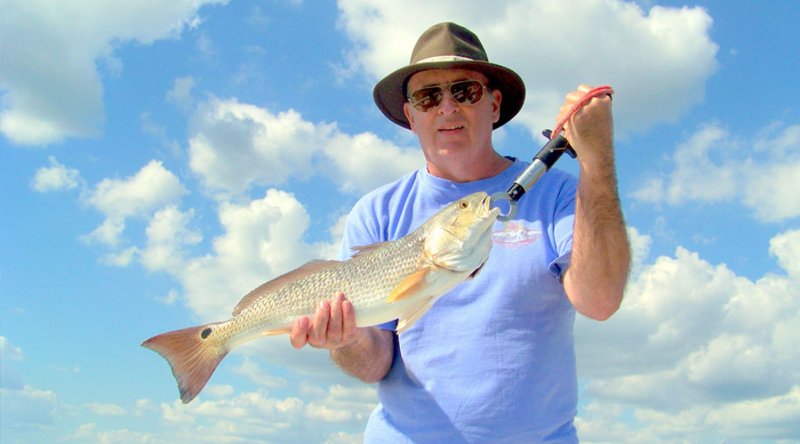 During cold winter fronts, the best time is usually once the sun is high and the grass flats have had a chance to warm up. However, anglers will often have luck early in the morning on warmer winter days in slightly deeper water. A general rule of thumb before fishing is to consider the temperature. If it’s too hot for you outside, it’s likely too hot for the redfish too. So fishing during this time, look for fish in shaded areas under docks or mangroves. Whenever it’s too cold for you, it’s probably too cold for the redfish as well. In case you’re fishing during this time, consider fishing later in the day when the temperatures warm up. Otherwise, your best bet will be in the deeper areas where the water is warmer if fishing on a frigid day. Then, as the temperature warms up throughout the day, work your way to the flats.
Top Baits and Lures For Catching Redfish
One of sport fishermen’s favorite things about fishing for redfish is that redfish eat a wide variety of baits, both natural and artificial. Dead natural bait, as well as live, will work. Live baits are the most effective method to consistently catching redfish, especially the big bull red. The best live baits are live shrimp, mullet, marine worms, mud minnows, Atlantic croaker, pinfish, ladyfish, and small blue crabs. When fishing for redfish in deeper drop-offs, pinfish and small mullet are usually the best live bait options. However, live minnows and shrimp are often the most effective when fishing in shallow mudflats. 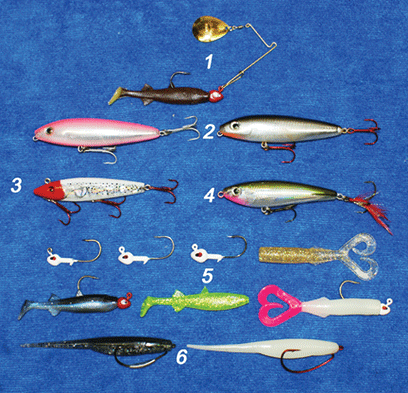
The best artificial baits are shrimp and crab-like plastic worms and jigs. Shallow running spoons and baitfish-shaped plugs are also effective. Anglers using poppers can expect explosive strikes from redfish cruising near the surface. Seasons may also impact the decision on which bait to use. Generally, in summer and Fall, redfish feed on crabs, shrimp, and mullet.
However, they primarily feed on pinfish, mullet, pinfish, sea robin, lizardfish, Atlantic croaker, and marine worms in winter and spring. Redfish are always looking for food; regardless of the environment or water depth, they adapt themselves to any situation. As a rule of thumb, if using live bait, use what’s in the water. If using artificial lures, try to imitate the baitfish or other prey that’s around.
Techniques
Bull reds on the beaches usually target mullets, so a popping cork with soft plastic is effective on the beach. Redfish will also cruise in the surf, right along with the breaks. The translucent blue tail always gives them away. Surf fishing is prevalent along the east coast. Surf fishing can involve wading in the water or fishing from the shoreline. If offshore fishing, Reds will roam in depths up to 30 feet deep. While trolling, watch for birds and blowups at the surface.
Tides
Tides play a significant role in the daily movements of redfish, especially in shallow water. Anglers can catch redfish in many different depths, but where they are and what they are doing will determine how you catch them.
In general, high tides, also known as the flood tide, will push redfish into the shallow flats. The low tide will pull them out of the shallows into the drop-offs with deeper water. This varies based on location and how much the high tide and low tide change. An effective artificial lure to use on the high tide or flood tide is one that imitates fiddler crabs. Red drum fishing during the flood tide may involve more blind casting rather than sight fishing.
Sight Fishing
 Sight fishing for redfish has become the norm for fishing redfish in many areas in Florida, with poling platforms on your boat and a strong trolling motor. The hunt is on when you know the tides and when the fish move onto a particular flat to start feeding. Sight fishing for redfish is the ultimate sportfishing experience. In many Florida mudflats, the best time to sight fish a redfish is on the incoming tide. During this time, the tide is still low enough to see the fish but high enough to hold the fish and is pushing bait towards the shoreline, creating a feeding frenzy.
Seasons may also impact where to spot reds. In the winter and spring, the Florida water is generally lower, cooler, and clearer. On sunny days the redfish will move onto the flats, where the water will warm up quicker in the sun making for ideal conditions for sight fishing for redfish. Florida waters are generally less clear in the warmer months, but spotting fish is still possible on grass flats near the edges of deep areas.
Tailing Redfish Fishing
One of the most amazing sights while fishing for redfish is spotting a tailing fish. This means they are face down in the mud looking for crabs and shrimp with their tails sticking through the surface of the water. It’s a beautiful sight and an exciting moment while fishing. The best time to catch a tailing fish is usually on the incoming tide while the water is still low enough for redfish tails to break through the surface. Anglers will usually have to cast closer to the fish to get noticed.
Red Drum Regulations
The slot limit is no less than 18 inches throughout Florida, no more than 27 inches in length. The daily bag limit is one redfish per person per day. The exception is the Northeast area in Flagler through Nassau counties, where the daily bag limit is two fish per person per day. Also, all Florida state waters from Hernando county through Collier County are catch and release only through May 31st.
Record
The all-tackle world record for the heaviest redfish caught was 94 pounds, 2 ounces. The Florida record is 52 pounds, 5 ounces.