
Kayaking Canoeing, Eco Tours, iOutdoors Blog, Nature Adventures, Water Sports
Kayak fishing is a fantastic outdoor activity that has been rapidly growing in popularity in the last few years. The idea of gliding to a hidden spot where boats can’t access and fish is the main reason why this activity has grown in popularity. And the introduction of fishing-specific kayaks made this outdoor activity even more fun and relaxing.
However, without proper preparation and training, kayak fishing can be quite dangerous. So, if you plan to purchase a fishing kayak or take part in this activity, you should take some time and consider the following safety tips. These tips will ensure that your fishing adventure is safe and fun.
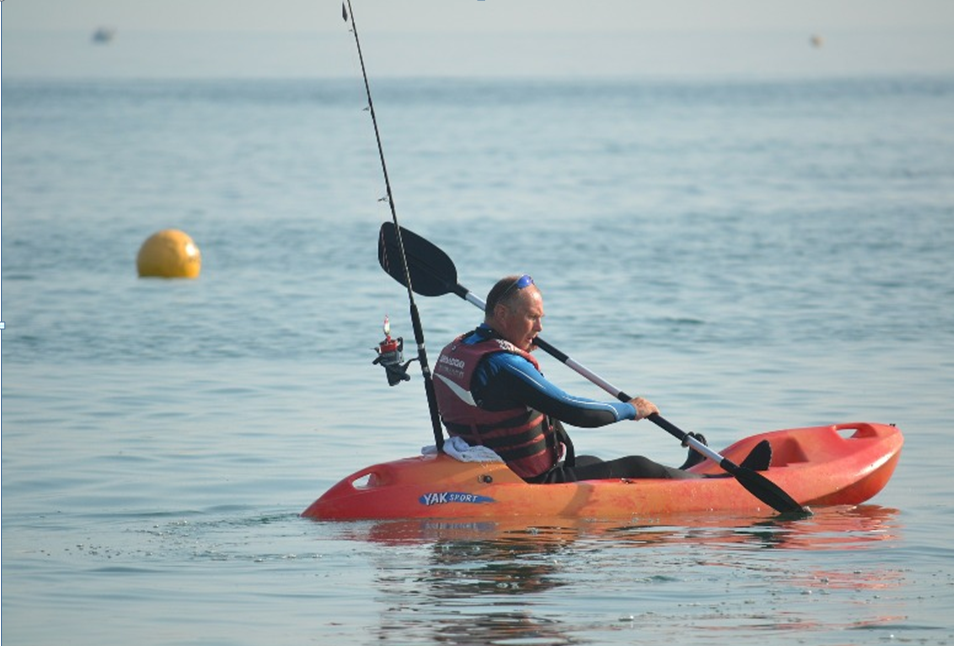
Kayak Fishing Safety Tips for Beginners
1. Start Your Kayak Fishing Journey With an Experienced Kayak Angler
One of the best methods of learning kayak fishing safely is taking your first trips with experienced kayak anglers. Other than the buyer guides, the experienced kayak fishermen can be a great source of information on anything to do with the best fishing kayaks. Experienced fishermen can give you numerous crucial tips to help you purchase the best fishing kayak and get started.
They can also guide you through your initial sessions and help you improve your skills and confidence. The skills you will gain from the experienced anglers when starting your kayaking journey is invaluable. They can show you the best fishing spot with less traffic and help you perfect your paddling and casting skills.
If you don’t know anyone with a fishing kayak or any experienced kayak angler, look for kayaking groups in social media. Kayak fishing is a new activity that is quite popular so that you will find other beginners. You can use social media to connect with experienced kayak anglers in your home town.
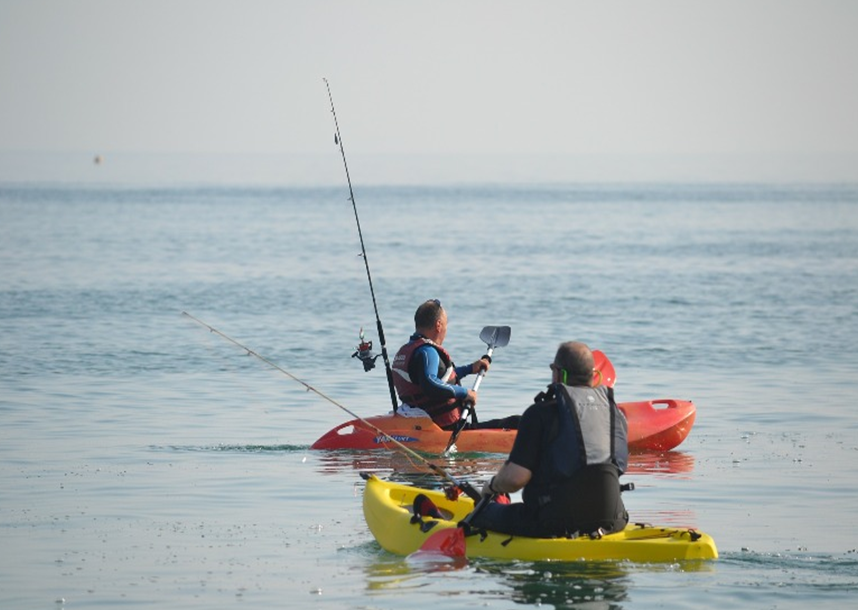
2. Learn How to Predict Safe Weather Conditions
Never put yourself in unnecessary risk by going out in poor weather conditions. Instead, learn how to use weather apps to predict and understand the weather forecast. This will help you plan the exact date for your trips and also keep you safe. Take your time and learn how to predict the strength and direction of the wind.
Another thing that has a great impact on your fishing ground is the swell patterns. The swell tends to flatten when the wind is blowing from behind you. For many experienced anglers, the best time to fish is when the wind speed is below 6.2 miles/second towards the sea. There are numerous free tools that can help you predict the swell and wind. With these weather apps, you can determine the right time and date to go fishing.
3. Always Wear Your PFD (Personal Floatation Device)
Wearing a life jacket, also referred to as a PFD is a must when kayak fishing. The PFD can save your life from numerous unpredictable situations. Therefore, you should always wear your PFD regardless of where you are fishing or weather conditions. Look for a fitting non-inflated PFD with waterproof pockets.
These jackets have canisters that inflate when they detect that you are in the water. So, make sure they are serviced regularly. After all, nobody wants their PED to fail them when they go overboard.
4. Look for a Reliable Kayak Fish Finder
Other than helping you find the best fishing grounds, a fish finder can keep you safe. Fishfinders can help you understand the water depth and temperature. They can also help you navigate using a GPS tracker. A finder can help you maneuver in low visibility situations or new territories.
5. Make Sure You Have a Kayak EPIRB and PLB
Even though these devices are not mandatory, they can come in handy when you get lost or need emergency services. The EPIRB (Emergency-Position Indicator Radio Beacon) is designed to stay on your kayak while the PLB (Personal Locator Beacon) should be with you. You can contact the emergency service using these devices when you need rescuing or assistance.
6. Be Visible to Others
Wear highly visible clothes when kayak fishing and, if possible, mount a flag on your vessel. This will show the others where you are on the water. Keeping a small distance between your vessel and the others, particularly the big boats or powered watercraft, will allow you enough time to react. This will guarantee you enough time to get out of dangerous scenarios.
If you plan on kayak fishing when it’s dark, make sure you have a kayak light. These lights will allow others to see you and also help you navigate. Look for a visibility kit that has a flag.
7. Communicate With Others
The most basic but crucial safety tip is informing your family member or pals exactly where you are. Tell them where you plan to launch from, who you have gone fishing with, and the time you plan to return. Tell them any potential or predicted risk that might occur on that day. You can also communicate with other anglers using a walkie talkie. Walkie talkies are affordable and can be quite fun.
8. Be Organized
Even though loading your kayak with your fishing gear and setting sail is tempting, you should always be organized. Being disorganized when kayak fishing can be almost impossible for you to navigate and fish. So, don’t carry several fishing rods on your vessel. Make sure you have a secure spot for all the sharp equipment like scissors, pliers, and knives. A great fishing kayak should have space for your catch, bait, and tackle box.
9. Be Ready for the Sun
The Ultraviolet rays tend to reflect strongly on the water and can easily cause sunburn. So, you should be sun smart. Try and protect a huge percentage of your skin when kayak fishing under the sun. Don’t forget to pack the following:
● UV gloves
● A hat
● Multiple UV shields for your neck and face
● Sunscreen
● Ample water to keep you hydrated
Final Thoughts
Eco Kayak tours are a great outdoor activity that is loved by many anglers. It can be a fun way to fish, relax, and also keep fit. However, without proper preparations and training, your fishing experience can turn hazardous in no time. So, before venturing into the water alone, make sure you spend some sessions with experienced anglers. You can learn everything you need to know about kayak fishing from them.
Sail Fishing, iOutdoors Blog, Kayaking Canoeing, Sport Fishing
Broken Arrows Chris Thomas
Vegas oddsmakers missed a golden opportunity last week as a pair of Oklahoma kayak bass fishermen entered the nation’s first offshore sailfish tournament — and won.
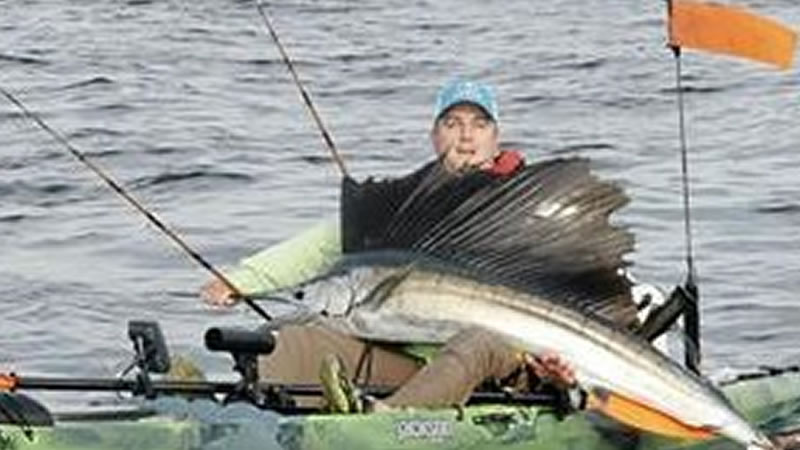
Broken Arrow firefighter Chris Thomas and friend Ryan Jones of OKC Kayak in Oklahoma City took first and second place, respectively, in the Extreme Kayak Fishing Sailfish Smack Down at Pompano Beach, Fla. on Jan. 25-26.
Thomas landed a nice trophy, $3,000 and some Costa sunglasses. Jones brought in $1,000 and some Costa shades. The prizes were secondary to the experience, however. It was the first sailfish for Thomas and a first time fishing offshore, ever, for Jones.
Thomas often fishes Texas offshore waters, but it’s hard to find a sailfish down there, so he has had his eye on the Florida coast for some Saltwater Fishing in Florida.
The tournament came along as an off-chance opportunity and, as Thomas put it, “we accidentally won it.”
Entering a tournament seemed like a good way to learn.
“I figured I could spend money and hire a guide or pay a $150 entry fee and fish with some of the best around,” he said.
Thomas and Jones researched in advance and quizzed locals upon their arrival and went offshore before the tournament to troll for king mackerel and use their electronics to scan the bottom for structures and depths. “We kind of pre-fished it like a bass tournament,” Thomas said.
While scouting they spotted sailfish “free jumping” and planned to return to that spot the next morning for the tournament. It paid off as Thomas hooked up first, then Jones.
As the anglers catch the fish they are required to radio a help boat that documents the catch and takes the fish from the angler for safe release. The fish are not weighed or measured. “The fish only comes out of the water for the picture,” Thomas said.
Winner of the tournament is determined by who catches the most fish. Twelve anglers in the tournament last week caught three fish on the weekend, “which I guess isn’t bad for kayak anglers,” Thomas said. He won by virtue of being the first to land a fish. He almost caught a second sailfish, but it spit the hook, he said.
Sailfish are the fastest fish in the world and can swim up to 68 mph. Thomas said his fight with a 30- to 40-pound sailfish lasted about 20 minutes and ended three-quarters of a mile from where it began. He described the fight as “a sleigh ride of a lifetime.”
Extreme Kayak Fishing is the biggest offshore kayak tournament series in the country, said founder Joe Hector. Their main summer series often has 150 to 200 entrants.
Radio chatter as Thomas hooked up relayed local anglers’ feelings on the matter. All the anglers carry VHF radios so all can hear it when the help boat is called, he said. “When Chris got on and said, “Oklahoma’s hooked up” you heard guys moan, but Ryan, then when he called in “Oklahoma Two” the locals were cursing, ‘Oh, crap! You gotta be kiddin’ me!’ We even asked him if he was joking and he said, ‘No, I’m hooked up!’ ”
Hector credited Thomas and Ryan for doing their research and listening to advise of locals and getting it done.
“For them to come down and beat those guys, it was unbelievable and awesome,” he said.
“All I wanted to do on the trip was catch a sailfish and I did that,” Thomas said. “And I got an incredible looking glass trophy.”

Air Boat Ride, Air to Ground, Bird Watching, Eco Tours, Hiking, iOutdoors Blog, Kayaking Canoeing
Everglades Fun : Top 10 things to do
There are a few places in the world that can compare to the scenery and the diverse ecosystem found in that Florida’s famed Everglades National Park. Tourists who are planning to visit this natural wonder should not miss out on doing some of these 10 things.
- Hike the Long Pine Trail (14 miles) – Travelers should try to hike this trail, which is six miles south of the main entrance to the Everglades.
- Canoe the Nine-Mile Pond – Trail – This four-hour canoe ride takes tourists into a magnificent small freshwater lake.
- Hike the Coastal Prairie – Trail (14 miles) – Hikers should also try hiking in this outback trail that begins at the back of the Flamingo campground.
- Tram Tour of Shark Valley – This is a seven-mile paved trail that was once built by oil drillers. It now serves as a pathway to the center of the Everglades.
- Visit the “Pa-Ha-Okee Overlook” – Travelers should also visit this short boardwalk trail on the way to the Flamingo campground.
- Canoe the Ten Thousand Islands – Vacationers should spend a full day in canoeing at the western portion of the park.
- Hike the Anhinga and Gumbo Limbo Trails – These popular trails are situated few minutes from the main entrance.
- Visit the Eco Pond Trail at Flamingo – This famous mile hike is located around a pond that is within the Flamingo campgrounds.
- Take a Boat Tour at Flamingo – This tour can bring such wonders of the park to the lives of the tourists.
- Attend a Ranger Evening Program – Vacationers should attend this evening event in order to know more about this nature-filled sanctuary.
iOutdoors Blog, Kayaking Canoeing, Water Sports
So Many Kayaks, So Little Time
A kayak is distinguishable from its shape and size. It is completely different from a canoe. Defined, a kayak is a small boat with a deck that is propelled with the use of a two blade paddle by someone sitting. On the other hand, a canoe by definition is open and is propelled by a single blade paddle by someone kneeling. The use of a kayak has grown widely and largely popular nowadays. Newer kinds of kayaks are emerging because of its different uses on different waters.
Types of Kayaks
The types of kayaks depend largely on the kind of water they are used on. Kayaking can be done on various waters including whitewater, rapids and waterfall kayaking; ocean or sea kayaking; flat-water stream kayaking; and lake and pond kayaking. Generally, there are five main categories for different types of kayaks namely, recreational kayaks, touring or sea kayaks, whitewater kayaks, downriver kayaks and sit-on-top kayaks.
Advantages and Disadvantages for Each Kayak
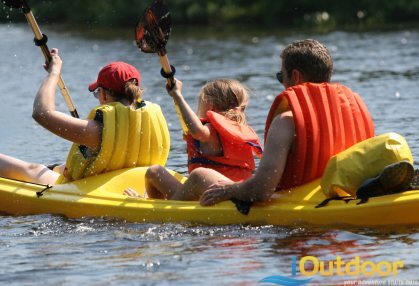
Recreational kayaks can be described as stable and easy to paddle. This type of kayak is best for beginners and is designed for use over lakes, bays and slow moving water. It usually comes in different sizes and is even equipped with storage areas. Touring or sea kayaks are long and stable and is recommended for extended trips. This kayak tracks well in a straight line but is harder to turn compared to shorter boats. The whitewater kayak is agile but is also less stable. It is designed to fit tightly around the body, and is capable of making quick turns and is easy to maneuver. Downriver kayaks are used for racing by advanced kayakers and are usually long and narrow, specifically designed for speed. However, this kayak is easy to tip. Lastly, the sit-on-top kayak’s design is made so the kayaker sits on top of the boat and the kayaker’s body is not enclosed. This is less stable than other kayaks and kayakers easily fall out of the boat.
It is important to choose the right type of kayak to use depending on the water sport activity the kayaker has planned. Using the right type of kayak not only helps make the kayak experience an easy one but also a more comfortable and enjoyable one for the kayaker.

iOutdoors Blog, Kayaking Canoeing, Water Sports
Techniques to Improve your Paddling Skills
The canoe is considered one of the best human-powered vehicles for many reasons. Not only does it allow individuals to travel without disturbing wildlife, it also permits them to take enough gear and other added luxuries. For persons riding the canoe for the first time, it will take several tries and a lot of practice to get the hang of the activity, especially when it comes to paddling.
Choosing a Paddling School
The easiest way to learn how to paddle a canoe is to enroll in a paddling school. Canoe shops normally offer paddling lessons or if not, may at least recommend nearby canoe paddling schools. Paddling classes range from beginner level to advance or competition level, and usually include other lessons such as first-aid, wilderness skills classes among the many others.
The Right Gear
Before heading off to practice paddling a canoe, it is best to start off with the right equipment, beginning with the right paddle. The perfect paddle is one that is tall enough to reach almost the shoulders while standing. With that and a properly fitted life jacket, one can now begin paddling lessons.
Tips for Proper Paddling
The greatest fear when paddling, let alone boarding, is tipping the canoe. This can be avoided by maintaining a low center of gravity. The individual can sit or kneel in the bottom of the boat. The canoe becomes even more stable when paddles are in the water.
The key to right paddling is to use the right grip. The proper way to grip a paddle is to grip it with the boat-side hand on top and the water-side hand a few feet down. This can be done by turning the hand so that the lower palm is facing toward the boat. To begin paddling, individuals should put the blade of the paddle into the water as far ahead as possible without moving from the seat or leaning too far forward. The blade of the paddle should then be turned perpendicular to the boat and then pulled through the water in a straight line that is parallel to the centerline of the boat. Turning and pulling of the paddle should be done using the core muscles of the body for power and not the back muscles contrary to that commonly practiced by novices. Once this is done, individuals should then stop applying power to the paddle at the level of the hip and begin to bring the blade out of the water from behind. The proper way of turning the blade at this point is to turn it in such a way that it is parallel to the surface as the individual recovers for the next stroke.
When switching paddle sides, individuals should pull the paddle out of the water when it is at level with the hip and lift it perpendicular to the boat. They should then bring it across, at the same time, switch the position of the top and bottom hand. The paddle is then inserted into the water and the individual can begin paddling from the beginning.
Observing these tips for proper paddling when riding a canoe can help beginners and even experts from sore, overworked muscles. It will also ensure paddlers a smooth and easy ride over the waters.
