
Air to Ground, Animal Park Experience, Eco Tours, Hiking, Horseback Riding, Hunting Fl, iOutdoors Blog, Nature Adventures
Florida Venomous Snakes
Don’t Pet the Snakes!
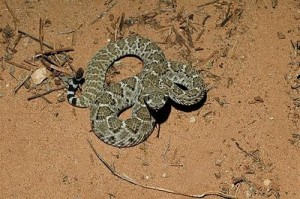
There are about 50 species of snakes in Florida but only 6 of these are venomous. Most snakes, venomous or not, generally slither away from humans unless it is provoked or feels trapped. Florida venomous snakes are all over the state. Keep away from one and do not attempt to catch or kill it, when you are hiking, especially if you are not sure if it is poisonous.
Southern copperhead
This snake is also known as the Highland moccasin, Chunkhead, and, simply, Copperhead. It can grow up to 36 inches long but some individuals have been recorded to be more than 50 inches long. Its body has crossbands that alternate reddish-brown to dark brown and light brown to grey bands. The darker bands have an hourglass shape while the head has plate-like scales.
Eastern coral snake
Also known simply as a Coral snake, this species has a body that is ringed alternately with wide black and red rings that are separated by narrow yellow rings. Most adults do not grow more than 30 inches long but some can grow to almost 50 inches.
Cottonmouth
Sometimes called Water moccasin, it is found near water bodies, especially near swamps, marshes, and lakes. It has broad, dark cheek stripes all over its body. It has a wide mouth with a whitish interior lining. It can grow up to 48 inches but the record holder is 74.5 inches long.
Eastern diamond-backed rattlesnake
This snake species grows to 72 inches (the record is 96 inches). It is the largest and most dangerous of all the venomous species in Florida. It has several rows of large, dark diamonds that have brown centers and light cream borders. Its tail ends with a rattle.
Dusky pygmy rattlesnake
This rattlesnake grows to only about 24 inches long (the record is 31 inches). It has dark blotches that are separated by reddish spots. It has a tiny rattle that produces a buzzing sound.
Timber rattlesnake
It can grow about 60 inches long but the record is at 74.5 inches. It has a pinkish-grey to brown back that contains chevron-like black crossbands. It also has a distinct reddish stripe running on its back.

Air to Ground, Cycling, iOutdoors Blog, Water Sports
Protect your Noggin
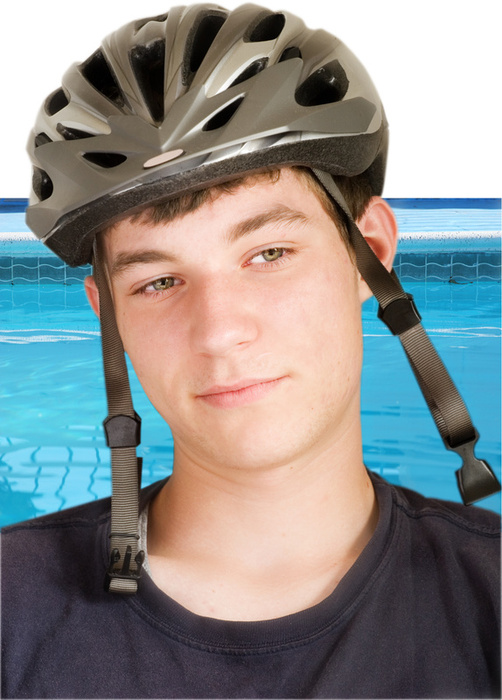
A bike helmet is the single most effective way of preventing head injuries resulting from falls or accidents while riding a bicycle. Helmet laws are being implemented in many local jurisdictions to ensure that cycles are protected at all times. Better yet, a properly fitted bike helmet will significantly reduce the risk of a head injury in children and adults.
Here’s a simple guide on how to select a bike. First, it is important to try the helmet on to ensure that it will fit snugly. It must not move easily if the head is moved from side to side. There are also sizing pads available to ensure that the helmet fits the head.
Second, the position of the helmet must be considered. It must not slide when the user nods his/her head and must sit level to the head and about 1 or 2 fingers away from the eyebrows. Then, all the straps and buckles must be checked and adjusted to fit the user snugly. If the tightest setting still feels loose to the user, try another helmet on. Still, the helmet must not be too small or too tight. The user must still be able to freely move the facial muscles and the mouth.
It is also important to consider the weight of the bike helmet. A lighter helmet is preferable but these tend to be more expensive than their heavier counterparts. Still, the level of comfort that lighter helmets bring to the user is usually much higher than that from heavier models.
Lastly, buy a helmet that has been tested, have met the standards, and bears the mark of the Consumer Products Safety Commission.
Air to Ground, iOutdoors Blog, Parachuting
Free Falling
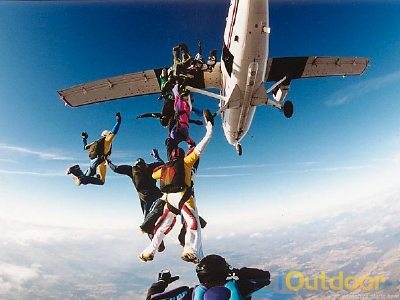
Thrilling, unique and death-defying – these are the characteristics that make skydiving a popular recreational and competitive sport among adrenalin seekers. A usual skydiving activity is pumping with raw excitement beginning take-off of the aircraft until landing through parachuting, but the climax of this activity is free falling.
Between jumping off a plain and opening a chute, a skydiver gets to savor a minute of freefalling. Nothing beats the feeling of being able to defy death while freefalling around 13,000 feet to the ground.
Although freefalling, under normal circumstances, lasts only about a minute or even less, for a skydiver, especially for first-timers, it could seem like the longest time of their lives. A skydiver plummeting towards the earth would love the experience of defying the science of flight and be able to transcend human limitations. Add to that a bird’s eye view of the sceneries below thousands of feet up above the sky – definitely an activity worth trying!
Once you freefall for a half a mile before opening your chute, the world just seems to stop. As soon as you’re adrift on air, you forget about your nervousness and begin to be more aware of yourself. As the air strongly presses against your body, you will feel an unfathomable sense of freedom and elation that will make you feel more alive during those few precious moments. You might even scream out as loud as you can, as most people do, to relieve the feeling of ecstasy building up within your lungs. What’s more amazing is that although you know that you are plummeting to the ground, you will never feel a falling awareness – just an unexplainable nerve-tingling sensation.
Should you want to try something new like freefalling, then skydiving is the perfect activity for you. For people considering doing this for the first time, the best way to be introduced to this sport is tandem in freefall, where you get to freefall with a professional skydiver. Once you have mastered skydiving and earned a license, you could then try performing freefall maneuvers like back flips, front flips, rolls and turns; or even jump with a group to try formation skydiving.
Skydiving, especially during the short interval of freefalling, is indescribable, and everyone should get the chance to experience it at least once in his or life. In fact, some people even consider freefalling as the most freeing experience they have ever experienced in their lives. When you’ll soon be looking for an adrenaline-pumping experience, be certain to put skydiving at the top of your list. Live with risk sometimes because saying “no” is just for your chickens!

Nature Adventures, Air to Ground, Hunting Fl, iOutdoors Blog, Water Sports
Early Detection of Limes Disease
Lyme Disease or Limes Disease is an infectious disease caused by at least 3 species of bacteria that are transmitted to humans by some tick species. If left untreated or if treatment is delayed, it can cause serious damage to the central nervous system, heart, and joints. Also, as the disease progresses, the bacteria can develop immunity or resistance to antibiotics. Thus, it is important to detect the illness as early as possible.
The following are some of the symptoms that help in the early detection of limes disease.
Bull’s eye rash
If you develop a rash that resembles a bull’s eye target – a large outer ring and a circle in the middle – consult a doctor immediately because this is among the surest signs of the disease. It is possible for the rash to disappear or be located in any part of your body. Try to take a picture to show your doctor before the rash fades. However, most of the time, the rash will grow slowly, with some reported to grow to as much as 12 inches in diameter.
Numbness and arthritis
If you experience unusual stiff neck or development of arthritis, check with your doctor as this can be a symptom of Lyme Disease.
Hearing and sight problems
This disease can cause blurred vision, dry eyes, and sensitivity to light. You may also experience pain, itchiness, and a burning sensation in your ears.
Malaise and irregular weight gain or loss
The disease can also cause sudden weight gain or loss. Most patients report a general feeling of tiredness and lack of energy.
This disease can be fatal – if you experience one or more of the abovementioned symptoms, consult a doctor immediately.
Also to worry about our friend the Jelly Fish
The failure of early diagnosis
The failure to diagnose early is avoidable. The harm to patients long term is preventable with early diagnosis. Patients report that diagnostic delays are associated with false-negative test results 57% of the time. Positive test results are dismissed by their clinicians as “false positives” 13% of the time. Patients quite often are not evaluated properly, because their physicians are uneducated on the disease symptoms and incorrectly diagnose leaving patients with there is “no Lyme here.”
![No UV Please]()
Air to Ground, Hunting Fl, iOutdoors Blog, Nature Adventures, Water Sports
No UV Please
Staying out under the sun can be fun but does have its consequences – sun burns, eye damage, dehydration, premature aging, immune system suppression, and certain skin illnesses. Thus, it is advisable to find ways to shield your body from the sun and its harmful rays.
Applying sunscreen and sun block is among the most effective ways to protect your body. Look for a product with high Sun Protection Factor (SPF) and have ingredients that will not harm your skin. Products that indicate “broad-spectrum” at the label is usually better because it can filter different types of ultraviolet rays – UVA, UVB, and UVC.
Remember, sunscreen contains chemicals that absorb the sun’s rays before it penetrates the skin, thereby, just “screening” the rays. On the other hand, sun block does not allow the sun to penetrate the skin at all. Thus, it is often preferable to use sun block over sunscreen.
Another way to protect your body is to wear cool, light clothing that cover most parts of the body. Then, you can use a cap or hat to protect your head but you can also use an umbrella which offers a larger coverage.
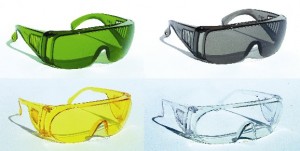
Sun glasses, especially those with UV filters, add protection to your eyes. Wrap-around sunglasses also provide more protection. Remember that the eye and the skin around it are sensitive to the sun’s rays and can be damaged easily.
There are also lipsticks and lip balms that provide protection from UV rays.
When it comes to finding the best way to shield your body from the sun, it pays to be on the side of caution – use as many shields as you can.
Air to Ground, Hunting Fl, iOutdoors Blog, Nature Adventures, Water Sports
No Burn Here!
The sun’s rays, although essential for life on Earth, is also the source of ultraviolet light that can cause sunburns, premature aging, and skin diseases such as cancer. Sun block, as its name implies, blocks the sun’s rays from reaching the skin. However, the sun block products available at the market are not created equal – some of them are more effective than the others. Still, it is important to use the best sun blocks to ensure utmost protection.
Adding to the confusion, most products claim that they are the best – does that mean you can just choose any one of them? Well, not really. Experts recommend reading the label first before buying a sun block. Most sun blocks contain zinc which is considered to be among the best ingredients for blocking the sun. Still, this is not enough. You must also check if the product contains titanium oxide.
PABA or para-aminobenzoic acid is a common ingredient in sunscreens and sun blocks; however, this can be an irritant to some users. Thus, if you are planning to use the product on your face, it is best to choose one that is PABA-free.
A waterproof sunscreen is always better than one which is not because the product will stay on even if you sweat or have fun in the water.
The sun blocks offering high sun protection factors or SPFs are often much better than those with lesser SPFs. Thus, a product with SPF 50 is much better than one with SPF 15. Of course, those with ultrahigh SPFs such as 100+ are the best. The higher the SPF, the longer time the user can stay under the sun without getting burned.
iOutdoor expert can guide you in right directions.
