
Air Boat Ride, Air to Ground, Animal Park Experience, Bird Watching, Cycling, Eco Tours, Hiking, Horseback Riding, Hunting Fl, iOutdoors Blog, Nature Adventures
Bee Sting What to DO
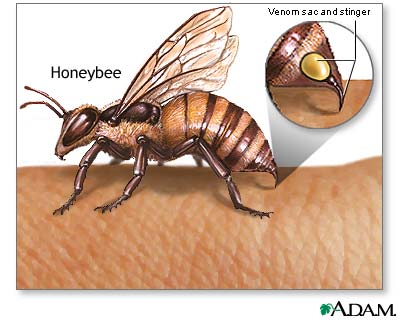 Bees may look cute but they can be deadly or can cause you much pain. The best piece of advice when it comes to dealing with bees is to get away from them as fast and as soon as possible while outdoor. Moreover, if one manages to sting you, the more you should hasten to get away from the area. Bees release signals to call for other bees, so if one bit you, reinforcements are likely on their way, too.
Bees are common in the outdoors and you should use caution when doing outdoor activities. There are many species in the outdoors that have a defense, some on land, and some in the water like the jellyfish for example.
How to Treat Bee sting
- Remove the stinger. Bees leave a stinger that contains venom. Take the stinger as quickly as you can. It is advisable to scrape it from the skin because pulling it out can release more venom but if you find this difficult to do, better pull out the stinger than risk getting a more severe reaction.
- Wash the area. The area stung by the bee will usually swell and have reddish coloration. Wash it carefully with soap and water. Do not rub.
- Apply a cold compress. A cold pack wrapped in a cloth can help alleviate the pain. This can also slow down the action of the venom. Press the cold pack gently unto the affected area for a few minutes. You can also make a paste out of baking soda and water which you can then apply to the affected area for about 15 to 20 minutes.
- Relieve the pain and itch through medication. A bee sting can itch and hurt a lot. You can use a topical cream or household ammonia to relieve the itch while you can take acetaminophen for the pain. You can also drink antihistamine to prevent or cure an allergic reaction.
Hopefully, you have successfully made it through the Bee sting what to do phase and now starting to recover!
Air to Ground, Horseback Riding, iOutdoors Blog
About the Fl Cattle Drive
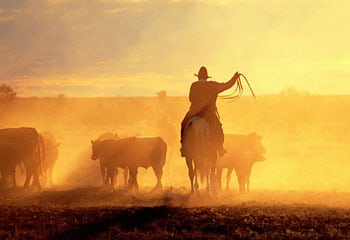
These are just a few of the pictures of the famous Florida Cattle Drive, three-day Cracker cattle drive through historic Hernando. We camped out one night and drove a herd of 81 for two days through wild Florida countryside just like the cowboys of Old Florida! There were real cowboys there to work the herd. But the animals were the stars, the cow dogs and cowponies were very, very tough!! It was an amazing adventure and a LOT of hard work! I can’t wait to do it again!
FRIDAY NIGHT CAMP: the day before the big push off.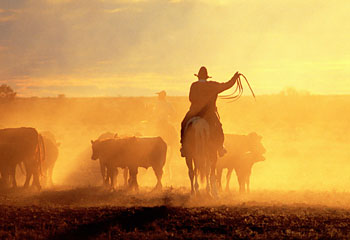
Its Friday night and the horse trailers are rolling in, the horses are unloaded. They shake like wet dogs as they step out of their trailers. Then start stretching, neighing and sniffing the ground and smelling the air, smelling the new place, and taking note of neighbor horses. The cowboys and cowgirls are anxious and excited to get their camps settled in so they can go over to the chuck wagon and campfire and meet the rest of the crew.
The real cowboys are there too. Busy with the actual work of rounding up and bedding down the cow herd for the night. Making preparations for the push tomorrow, they go about their business. Meanwhile, in a confident air, which mostly ignored the greenhorns moving in and about the camp. The horses are staked out or put up in temporary corrals, hay and feed are brought out of the trailers, and given to the horses, water is carried in five-gallon buckets. Tents are out and up, bedrolls and sleeping bags laid out. They prepared boots and chaps and long-sleeved shirts and cowboy hats are the dress de rigor. And no need to worry about Alligators in these parts, or on Florida Cracker run.
True Cattle Drive Experience
Cowboys, cowhands, and cowgirls line up at the chuck wagon to fix their plates for supper. A much-excited chatter is exchanged as speculation is raised about the drive. All experienced cowhands are treated with respect. Others politely asked about every detail of their lives with horses and cows and the work of driving cattle. These are horse people all, polite, friendly, and hospitable, offering help and advice where they can and pitching in often with at every chance and freely giving of their spare tack and gear. This is not like hunting from an Airboat, this is elder Florida bareback horse riding.

Air to Ground, Animal Park Experience, Eco Tours, Hiking, Horseback Riding, Hunting Fl, iOutdoors Blog, Nature Adventures
Florida Venomous Snakes
Don’t Pet the Snakes!
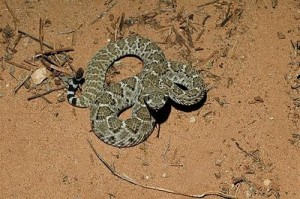
There are about 50 species of snakes in Florida but only 6 of these are venomous. Most snakes, venomous or not, generally slither away from humans unless it is provoked or feels trapped. Florida venomous snakes are all over the state. Keep away from one and do not attempt to catch or kill it, when you are hiking, especially if you are not sure if it is poisonous.
Southern copperhead
This snake is also known as the Highland moccasin, Chunkhead, and, simply, Copperhead. It can grow up to 36 inches long but some individuals have been recorded to be more than 50 inches long. Its body has crossbands that alternate reddish-brown to dark brown and light brown to grey bands. The darker bands have an hourglass shape while the head has plate-like scales.
Eastern coral snake
Also known simply as a Coral snake, this species has a body that is ringed alternately with wide black and red rings that are separated by narrow yellow rings. Most adults do not grow more than 30 inches long but some can grow to almost 50 inches.
Cottonmouth
Sometimes called Water moccasin, it is found near water bodies, especially near swamps, marshes, and lakes. It has broad, dark cheek stripes all over its body. It has a wide mouth with a whitish interior lining. It can grow up to 48 inches but the record holder is 74.5 inches long.
Eastern diamond-backed rattlesnake
This snake species grows to 72 inches (the record is 96 inches). It is the largest and most dangerous of all the venomous species in Florida. It has several rows of large, dark diamonds that have brown centers and light cream borders. Its tail ends with a rattle.
Dusky pygmy rattlesnake
This rattlesnake grows to only about 24 inches long (the record is 31 inches). It has dark blotches that are separated by reddish spots. It has a tiny rattle that produces a buzzing sound.
Timber rattlesnake
It can grow about 60 inches long but the record is at 74.5 inches. It has a pinkish-grey to brown back that contains chevron-like black crossbands. It also has a distinct reddish stripe running on its back.
