
Air Boat Ride, Air to Ground, Animal Park Experience, Bird Watching, Cycling, Eco Tours, Hiking, Horseback Riding, Hunting Fl, iOutdoors Blog, Nature Adventures
Bee Sting What to DO
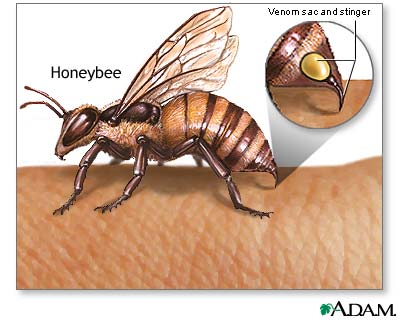 Bees may look cute but they can be deadly or can cause you much pain. The best piece of advice when it comes to dealing with bees is to get away from them as fast and as soon as possible while outdoor. Moreover, if one manages to sting you, the more you should hasten to get away from the area. Bees release signals to call for other bees, so if one bit you, reinforcements are likely on their way, too.
Bees are common in the outdoors and you should use caution when doing outdoor activities. There are many species in the outdoors that have a defense, some on land, and some in the water like the jellyfish for example.
How to Treat Bee sting
- Remove the stinger. Bees leave a stinger that contains venom. Take the stinger as quickly as you can. It is advisable to scrape it from the skin because pulling it out can release more venom but if you find this difficult to do, better pull out the stinger than risk getting a more severe reaction.
- Wash the area. The area stung by the bee will usually swell and have reddish coloration. Wash it carefully with soap and water. Do not rub.
- Apply a cold compress. A cold pack wrapped in a cloth can help alleviate the pain. This can also slow down the action of the venom. Press the cold pack gently unto the affected area for a few minutes. You can also make a paste out of baking soda and water which you can then apply to the affected area for about 15 to 20 minutes.
- Relieve the pain and itch through medication. A bee sting can itch and hurt a lot. You can use a topical cream or household ammonia to relieve the itch while you can take acetaminophen for the pain. You can also drink antihistamine to prevent or cure an allergic reaction.
Hopefully, you have successfully made it through the Bee sting what to do phase and now starting to recover!
iOutdoors Blog, Animal Park Experience, Bass Fishing, Bottom Fishing, Cape Canaveral Fishing, Inshore Fishing, Largemouth Bass, Nature Adventures, New Smyrna Fishing, Offshore Fishing, Orlando Fishing, Redfish Fishing, Water Sports
Best Orlando Outdoor Activities
Are you planning on bringing your family to Orlando to visit the theme parks? Have you been here before and don’t know what to do on your additional days here? Orlando is filled with endless hidden treats that you can embark on outside the theme parks. The best Orlando outdoor activities are just within a car ride away.
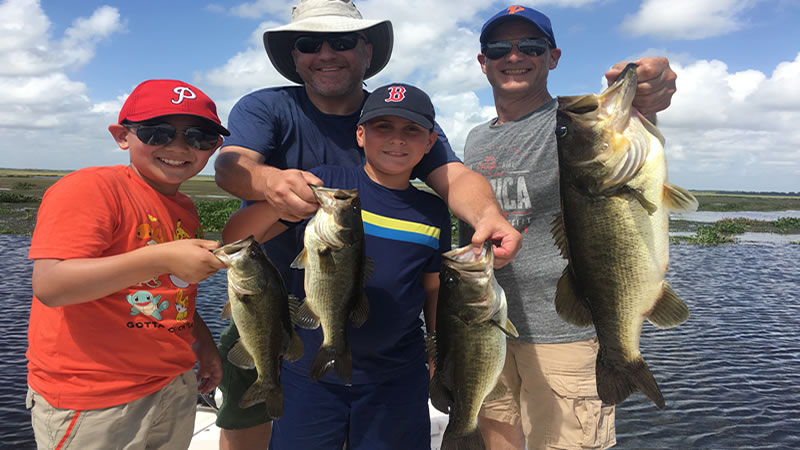
When you are visiting Central Florida and specifically Orlando, there is one outdoor activity that trumps them all: Fishing. Florida fishing here in Orlando is absolutely exceptional all year round. Whether you want freshwater bass fishing or saltwater fishing, you have access to it. Florida bass fishing is easily accessed as Orlando is surrounded by hundreds of freshwater lakes.
We specialize in fishing here at iOutdoor. Our local experts have years of experience that provide them knowledge to put you on the biggest fish of your life. Orlando has two dominate lakes that produce fantastic trips all year: the Butler Chain of Lakes and Lake Tohopekaliga. Both of these beautiful lakes are within minutes of the theme parks in Orlando. If you are looking for a quick getaway and want to get the rod bent, this is one of the best opportunities.
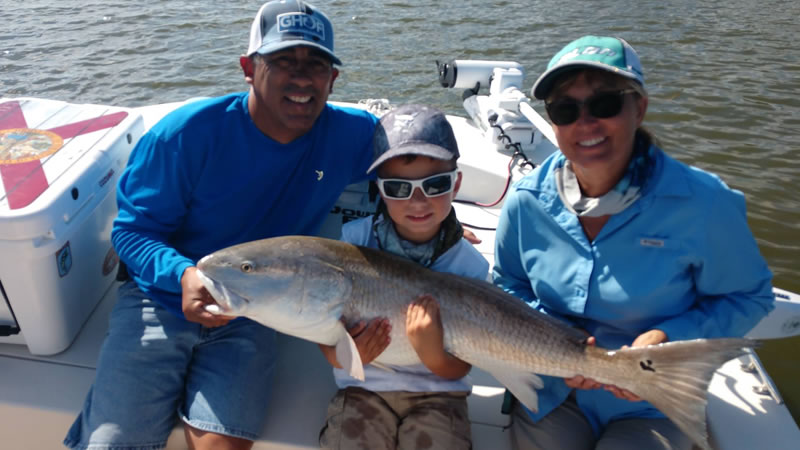
If saltwater fishing is a better alternative or more appealing to you, the east coast holds the most exceptional fishing the state has to offer. Just a short drive away you can be on some excellent species whether in New Smyrna Beach or Daytona Beach along with Cape Canaveral. Most noteworthy, the inshore fishing for trophy bull redfish is by far the best experience. You don’t have to worry about sea sickness on this fishing trip. While you cruise the backwaters, you will be able to experience endless wildlife and hard-pulling inshore species.
Don’t count out though battling the seas for big pelagic species including sailfish, mahi-mahi, wahoo, kingfish as well as bottom fish like grouper and snapper. Furthermore, offshore or deep sea fishing is a great opportunity to get the whole family on the water especially larger parties for some outdoor fun. 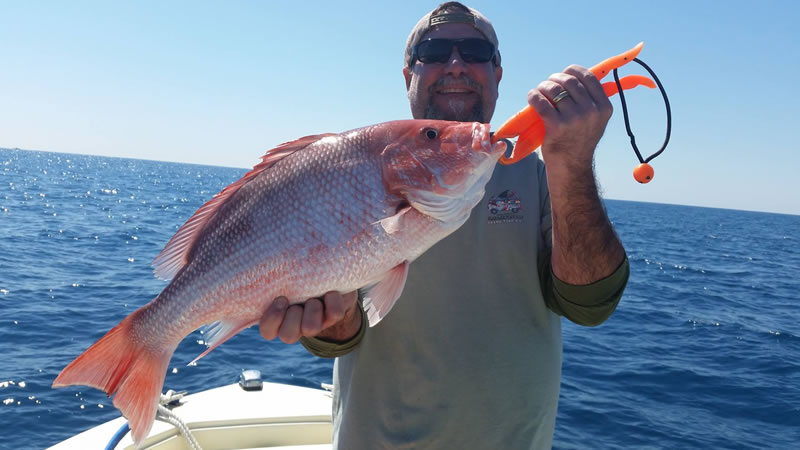
If you want to stay closer to Orlando, you can also experience several other awesome outdoor water activities. Staying cool and refreshed is not a problem in Central Florida especially if you visit the Orlando Watersports Complex. While you won’t be setting the hook into your dream fish, you can learn how to wakeboard, wakesurf, kneeboard or waterskii with professional, kind and attentive staff. This is a great addition to your Florida outdoor vacation
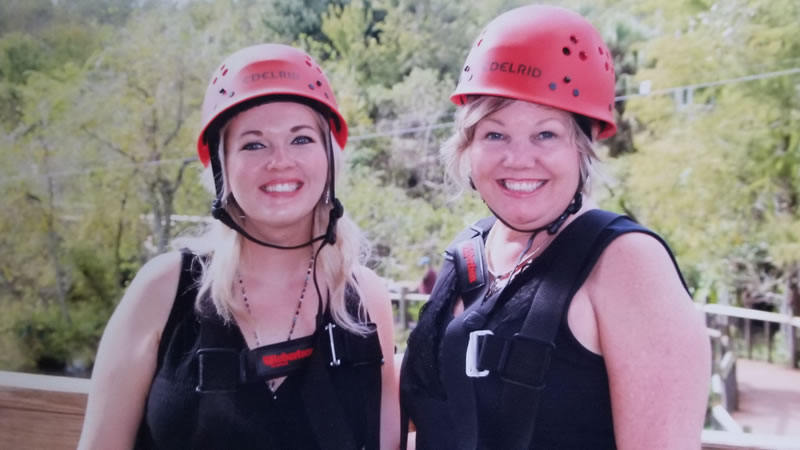 The outdoors truly can enhance your Florida vacation. One of the other amazing experiences you can encounter is Gator Land. Learn all about our wildlife at this incredible place. You will not only educate yourself on Florida’s wildlife but you can zip line through the park along with watch reptile shows that can amuse your family. Add this to your freshwater fishing trip and you will truly get to explore all Orlando has to offer.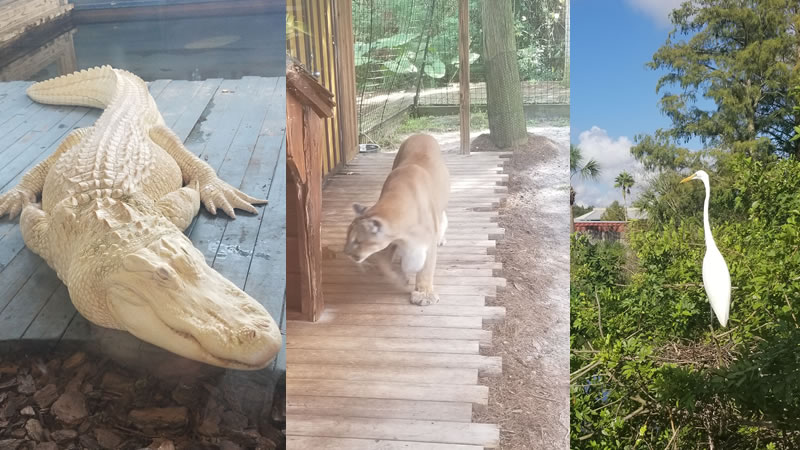
Above all, when you visit Florida, don’t miss out on getting outdoors. Enjoy the beautiful weather, get some sun in your face and experience everything Florida has to offer. Each time of year will give you a breathtaking view and most certainly a different fishing experience. Fishing along with the additional outdoor activities mentioned can help you create memories worth a lifetime. Orlando, Florida is the ultimate family destination that can satisfy all your needs in one location. We look forward to sharing the experience with you!
Your Adventure Starts Today while Visiting Orlando.
If you enjoyed this post about Outdoor Activities, you might also enjoy our Fishing Blogs.
Don’t forget to follow us on Facebook, YouTube, Twitter and Instagram.

Bird Watching, Animal Park Experience, Nature Adventures
Marco Island Nature Preserve
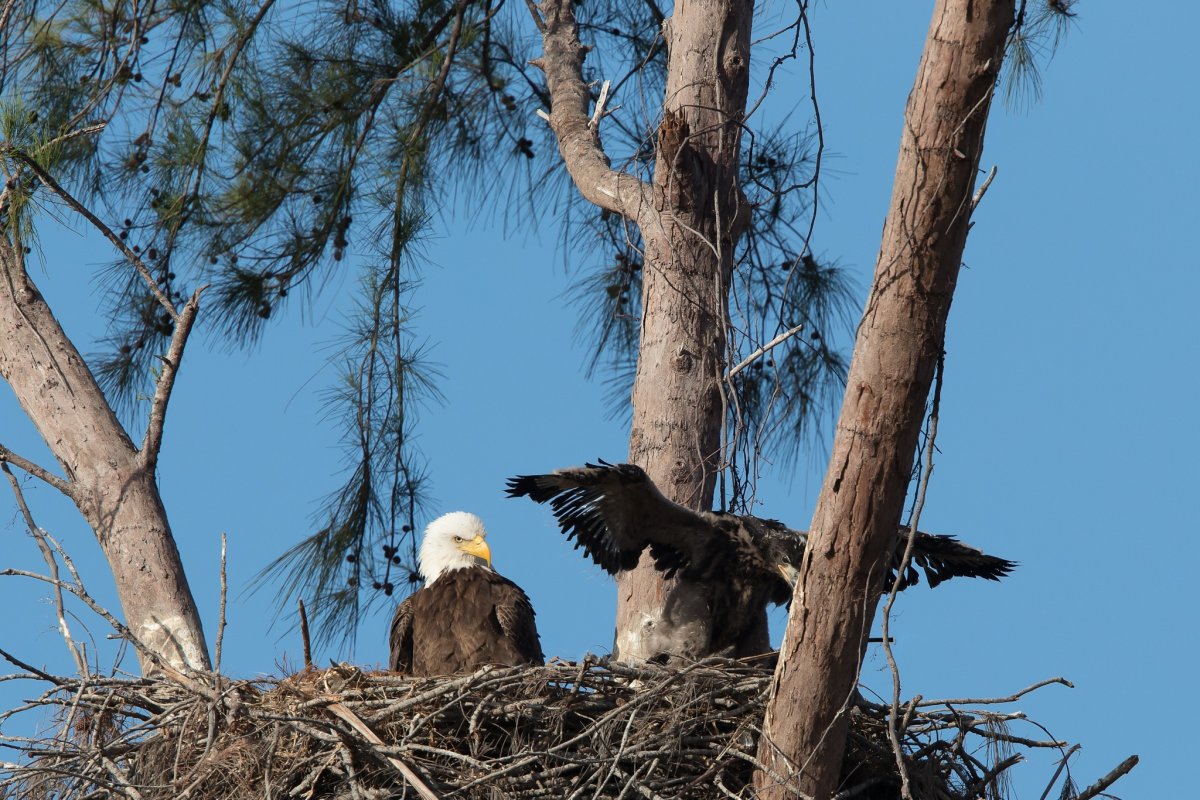
On Friday evening, a foreign bald eagle entered the Marco Island Nature Preserve & Bird Sanctuary and attacked a nest belonging to a female eagle named Calusa and her two eaglets. The attack comes less than a week after Paleo, Calusa’s partner, was found dead on the preserve due to an electrocution.
FWC officers retrieve the fallen eaglets, who, despite the fall appear to be doing well. Photos by John Busch.
According to witness Doreen Hertel, observers at the sanctuary called the authorities to report the incident.
“It was unbelievable as we watched the eagle bringing it [the eaglets] down by the wing,” Hertel said.
Officers from the Florida Fish and Wildlife Conservation Commission (FWC) arrived on the scene shortly thereafter. They were able to locate the two eaglets on the ground. The eaglets were then transported to the Conversancy of Southwest Florida for monitoring.
“We will stay in touch with the conservancy to follow their progress,” the Marco Island Nature Preserve & Bird Sanctuary said in a Facebook post on Friday. “The eaglets did not seem to have any injures and were pretty feisty. We would like to thank the FWC and the conservancy for their fast response and excellent work.”
Carl Way, chairman of the Marco Island Nature Preserve and Bird Sanctuary hands an FWC officer a box containing one of the eaglets. Jon Busch and his granddaughter Peyton look on.
If you encounter a dead or injured eagle the FWC asks that you contact the FWC OLE Department at 888-404-3922. Please do not attempt to pick up the bird or take any of its parts (feathers, talons, etc.). This is prohibited under the Bald and Golden Eagle Protection Act and the Migratory Bird Treaty Act.
Article By Samantha Husted
Additional information of things to do in Marco Island:
Fishing Marco Island, Florida :
Marco Island has one of the most sought after game fish, Snook. It can be found in the waters around Marco Island some weighing up to 15 to 30 pounds. Marco Island (close to both Naples and 10,000 Islands) offers an amazing array of saltwater species for both Inshore and Offshore fishing. Marco Island is unsurpassed for its beauty and calm fishing waters. The calm, pristine tropical backwaters of Marco Island, Chokoloskee and 10,000 Islands are a secluded fishing paradise everyone should experience at least once.
Fly fishing in the backcountry around Marco island is a world class experience that should not be missed. You will glide along the shallows in a state of the art boat, so swiftly, so stealthy- enjoying both nature and a fishing fiesta!
Inshore fish for Spotted Trout, Redfish, Snook, Shark, Tarpon, Spanish and Cobia in the beautiful and calm Gulf of Mexico waters are most anglers choice.
![Unique qualities of shark teeth]()
Animal Park Experience, Hunting Fl, iOutdoors Blog, Shark Fishing
Unique qualities of shark teeth
 Sharks have no body skeleton; its skeletal structure is comprised mostly of cartilage. Only the teeth are left as evidence of the existence of an individual shark. Sharks are best known for being ferocious predators and for having jagged, oblique, and serrated triangular teeth that have plenty of unique qualities.
Most of the creatures blessed with teeth have a fixed number of sets. For instance, in people, we have milk teeth that are replaced by permanent teeth. Well, shark teeth are not like that. If you’ll look close, you’ll notice that there are rows and rows of teeth inside the shark’s mouth. Now, the best part about these teeth is that these continually move to the front row. When these are in the front row, they only have about 10 days of life as front liners before they are shed or less if they fall off when the shark attacks a rather difficult-to-tear pray.
Another thing, most of the teeth are held fast by a very strong fibrous tissue that makes the shark teeth become erect when the mouth is opened. With front-facing sharp teeth, the shark will surely have a firmer grip on its victim. Also, this fibrous tissue makes the shark deadly even after it died. So many accounts have been told and written about shark jaws (which are left to dry) that suddenly snap shut, hurting those whose hands have lingered too long inside them.
Also, each of these strong teeth bears a smaller tooth. That is why the shark has a very nasty, often fatal, bite. Read more facts about shark teeth.
![Unique qualities of shark teeth]()
Animal Park Experience, Eco Tours, Hog Hunting Fl, Hunting Fl, iOutdoors Blog, Nature Adventures
Wild Boar Eat What?
Hunting wild boars is an exciting sport. It can be quite adrenaline-pumping to chase them through thickets or face them as they charge. However, just like any other animals hunted for game, wild boars can be quite difficult to hunt as they do not stay in just one area. Their ability to run fast, and heightened senses of hearing and smell all contribute to the difficulty in hunting them.
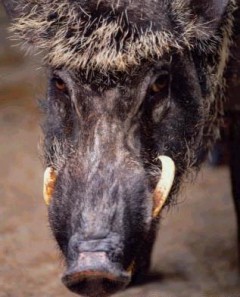
As a tip to make tracking them easier, learn more about the social and natural behavioral traits of these creatures. Important information you must know about wild boars, to better hunt them, are their eating habits. Knowing what, when, and where they eat will help you understand the behavior and hunting grounds of these animals. Understanding their eating habits will allow you to spot more of their tracks as you hunt them down.
Wild boars are crepuscular animals, mainly active beginning dawn until dusk. Thus, it is also expected that they would go about and hunt for food during these times. Wild boars are highly omnivorous animals, capable of feeding on both plants to animals; and are scavengers, eating almost anything they would come across.
One of the most common signs that you should look for when tracking wild boars is rooting. Although their eyesight is not great, wild boars have an excellent sense of smell. These creatures use their long snouts to dig up the ground to look for tender roots and morsels such as tubers, grass, mushrooms, worms, and insects. By rooting, wild boars would leave a trail – an easily discernable patch of the area that has been dugout. In fact, in some areas, they leave quite widespread damage that causes erosion and spoil ecological balance. Although this activity is year-round, it reaches its peak before spring ends and continues until summer and winter.
Wild boars also feed on berries, nuts, acorns, pecans, fruits, and carrions. On occasion, they also feed on eggs, small reptiles and birds, young deer, rabbits, and even dead animals. When there is an abundance of food in their territory, wild board normally do not wander too far, never crossing 10 square miles. When food is scarce though, especially during the cold months, expect your hunting range to expand as they can search for food for up to 50 square miles.
Be an intelligent wild boar hunter. Knowing your prey makes hunting it easier. It would not be amiss to research information among friends or on the internet about these creatures’ behaviors including their eating habits. Next time, before you go wild boar hunting, pay attention to these small important details because they could be your ticket to catching the biggest wild boar!

Air to Ground, Animal Park Experience, Eco Tours, Hiking, Horseback Riding, Hunting Fl, iOutdoors Blog, Nature Adventures
Florida Venomous Snakes
Don’t Pet the Snakes!
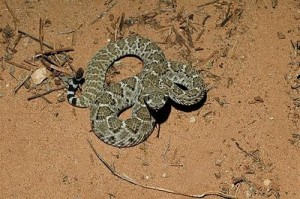
There are about 50 species of snakes in Florida but only 6 of these are venomous. Most snakes, venomous or not, generally slither away from humans unless it is provoked or feels trapped. Florida venomous snakes are all over the state. Keep away from one and do not attempt to catch or kill it, when you are hiking, especially if you are not sure if it is poisonous.
Southern copperhead
This snake is also known as the Highland moccasin, Chunkhead, and, simply, Copperhead. It can grow up to 36 inches long but some individuals have been recorded to be more than 50 inches long. Its body has crossbands that alternate reddish-brown to dark brown and light brown to grey bands. The darker bands have an hourglass shape while the head has plate-like scales.
Eastern coral snake
Also known simply as a Coral snake, this species has a body that is ringed alternately with wide black and red rings that are separated by narrow yellow rings. Most adults do not grow more than 30 inches long but some can grow to almost 50 inches.
Cottonmouth
Sometimes called Water moccasin, it is found near water bodies, especially near swamps, marshes, and lakes. It has broad, dark cheek stripes all over its body. It has a wide mouth with a whitish interior lining. It can grow up to 48 inches but the record holder is 74.5 inches long.
Eastern diamond-backed rattlesnake
This snake species grows to 72 inches (the record is 96 inches). It is the largest and most dangerous of all the venomous species in Florida. It has several rows of large, dark diamonds that have brown centers and light cream borders. Its tail ends with a rattle.
Dusky pygmy rattlesnake
This rattlesnake grows to only about 24 inches long (the record is 31 inches). It has dark blotches that are separated by reddish spots. It has a tiny rattle that produces a buzzing sound.
Timber rattlesnake
It can grow about 60 inches long but the record is at 74.5 inches. It has a pinkish-grey to brown back that contains chevron-like black crossbands. It also has a distinct reddish stripe running on its back.
