
iOutdoors Blog, Bass Fishing, Fishing Destinations, Fly Fishing
One mistake that a lot of anglers make is assuming that they need to hang up their rod when it starts to rain, this couldn’t be further from the truth. Obviously, it’s not the most ideal time to fish and you want to beware of thunder and lightning but fishing in the rain brings about a unique set of advantages.
In this quick guide, we’re going through some of my top bass fishing in the rain tips so next time you can plan a trip about the rainstorm rather than avoiding it.
1. Go for the Runoff
Runoff is an interesting thing because it brings a lot of nutrients and vitamins into the water. When it rains, the surface runoff draws out the soil, and with that comes an assortment of things that the bass want. Not only does it bring food into the water but it also brings oxygen and minerals.
Bass will hang around wherever there is surface runoff because they want all of these elements and this is where you come in and take advantage of the situation. Now you have a direct tell as to where the bass will be when it’s raining. Look for overhanging ground where it has eroded beneath. Chances are the bass will be hanging out there.
Best of all, the runoff will cloud up the water which will make it easier to disguise yourself so they won’t get spooked by the boat or motor.
There’s another benefit here as well. Since it’s raining and you have an overcast sky, there are no shadows which will allow the bass to feel even more comfortable with the situation which could increase the chances of them taking your lure.
2. Bass Are Actually More Active
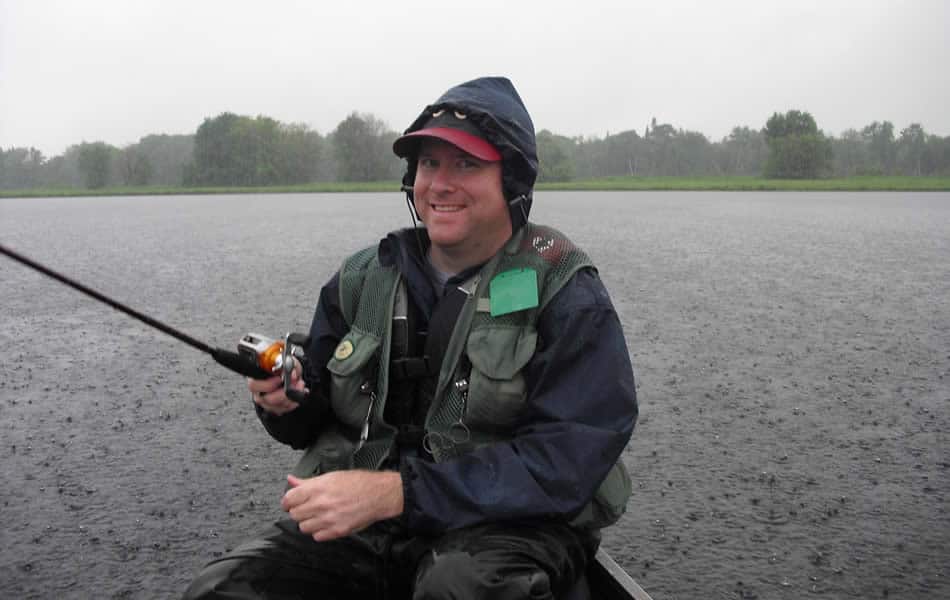
The initial thought is that fish operate like we do but it’s quite the opposite. When it’s raining is when the bass are most active. Let me give you a quick science lesson.
A lot of bass activity is based on barometric pressure. During periods of high pressure, bass are slow, sluggish, and uninterested. This would be when the air is very dry which is typical during cold weather and that’s why most people don’t fish for bass during the winter. If you do, you’ll have a much harder time catching anything.
During periods of low pressure, bass are highly active, aggressive, and hungry. This is when the air is humid and the highest level of humidity occurs right before it rains.
As a result, high humidity and low barometric pressure result in the best fishing opportunities for bass. When do you have this combination?
When it’s raining!
Fishing in the rain brings on some of the most active fish on the water but you’ll want to cater to this now that you know it. Speed up your presentation, use a fast action lure, and cover a lot of water in a short amount of time.
3. Be Aggressive with Your Lure Choice
Throwing a topwater when it’s raining is the way to go. Bass are attracted to the surface during periods of low barometric pressure. Let’s go back to science real quick and learn why.
There’s less light penetration when you have an overcast sky which means you have a larger strike zone. Since the sun is creating reflections on the water and your lure, throwing something really aggressive into the water will attract a lot more attention.
So, when you’re bass fishing in the rain you want to choose something like a buzz bait, spinnerbait, or spoon because what little light refraction you create will draw a lot of attention and get the energetic bass to strike.
4. Go With Frogs
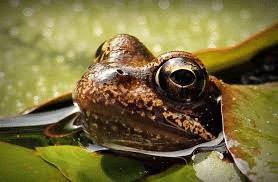 Frogs are another great lure choice for fishing bass in the rain. Using a topwater frog around a weedy location is a solid strategy. Troll the shoreline and look for tall grass or overhanging trees where you think frogs might hang out. You’ll want to pitch your frog right into the grass so make sure you have a weedless presentation otherwise you’ll get hung up.
Create movement on the frog by slowing retrieving with brief pauses in between. If possible, the best strategy here would be to cast parallel to the shoreline so shore anglers actually have an advantage here. If you can maneuver your boat properly, that’s what I recommend doing.
5. Look for Openings on the Water
One of my favorite things about fishing during and after a rainstorm is seeing what areas of the water have opened up. I fished a place pretty frequently a few years ago that had this one inlet where you could only reach it if the water levels were really high. We’d be able to get in there in the late in Spring/ early Summer before everything started to dry up.
I used to drop a wacky worm anywhere within 50 feet around my boat and pull in bass like you wouldn’t believe. Rain storms create these opportunities and it’s great to see how the rain changes the structure of the water.
If it’s been raining for a bit or perhaps you’re fishing the day after a big storm, hit the water and look for places that are deep enough for boat access. These could be money spots if the bass are still hiding there. This strategy is especially powerful in the Spring when bass are spawning. The higher water levels could push them out of their nesting location. It’s even better if you’re fishing with a kayak.
Fishing After The Rain
What happens if you’ve just hit the water and you have a slight drizzle but it’s mostly stopped? You’ll want to apply a lot of the same principles.
If it was a heavy rain storm you’ll likely still have areas where runoff is present and the water clarity might have cleared up. You could see a little better and use a larger variety of lures without creating a shadow if it’s still cloudy.
Moving water is another factor you want to pay attention to because movement means oxygen is flowing and bass are attracted to that because that’s where they get their energy. Highly oxygenated water creates aggressive and active bass so if you can find an area where two bodies of water meet you’re likely to create great fishing opportunities.
Rainy Day FAQs
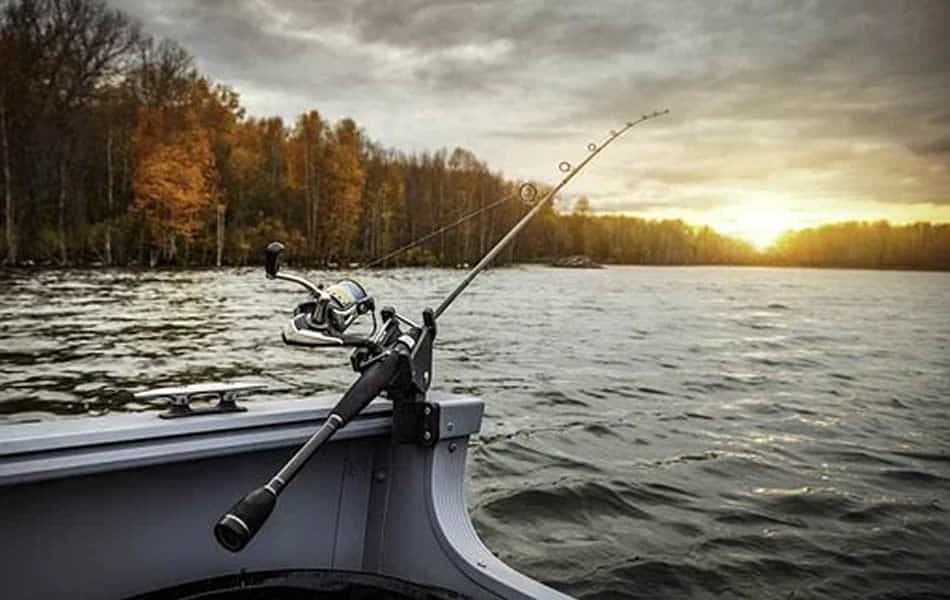
Here are some of the most commonly asked questions we get about fishing in the rain.
Is fishing better in the rain?
Yes and no, it depends on what you mean by “better.” Fishing is always good and you can have a great day when it’s 95 degrees, zero humidity, and no clouds. On the flip side, you could go out when it’s raining and have a horrible day fishing. There’s no way to know for sure what’s going to happen and there are so many factors that come into play.
The ultimate goal we all have is to learn as much as we can about the habits of fish so we can try to track them down and present lures in a way that will draw their attention. If you’re doing everything right, yes, fishing is better in the rain.
What about saltwater fishing in the rain?
Many of the same rules apply to saltwater especially if you’re fishing for peacock bass in canals. They’re still attracted to surface runoff, they’ll hit topwaters more, and you’ll want to look for openings where they might be hiding and you couldn’t get to before. Whether the water is fresh, brackish, or salty, it doesn’t really matter.
Is it better to fish before or after rain?
Fishing is better before the rain because this is when the humidity is the highest and the barometric pressure is the lowest. You’ll also have decreasing water and air temperatures at this time which will trigger the bass to feed more aggressively because they’ll know that rain is coming.

iOutdoors Blog, Bass Fishing, Redfish Fishing, Sail Fishing, Shark Fishing, Snapper Fishing, Snook Fishing, Striper Fishing, Sword Fishing, Tarpon Fishing, Tripletail Fishing, Trout Fishing, Tuna Fishing, Wreck Fishing
What Fishing Line to use?
As a fisherman, there is a good chance that you have choices to make regarding your fishing line? Perhaps you have difficulties, your lines breaking while you were reeling a catch or casting your favorite lure. Having a faulty fishing line may not be the whole reason.
These events may reinforce the fact that you need to change your fishing line or use the wrong type. The question now is – What fishing line to use?
Like the lure and rod and reel, fishing lines are one of the components necessary for any angler’s success. It doesn’t matter if you’re catching bluegill from the bank, flipping bass out of thick grass, or trolling offshore for sailfish. You need the excellent quality and right type of line to land fish and have a hassle-free time.
With hundreds of different fishing lines on the market, what types, what sizes, what diameters should you use? It’s about the most difficult choice for most anglers.
So we were going to break down all the different fishing lines reasonably according to their uses, faults, and certain types of fishing best suited for each style.
It’s in the little details
Identifying the target species, fishing style, habitat, lures, and baits, and the angler’s skill all have a bearing in choosing the best line for the job.
From trolling spoons for oversized pike and steelhead; to deep jigging lead heads for walleyes and smallmouths; to working topwater frogs or spinner-baits for bass; there’s a specific kind of line to help anglers get the best results.
There are four significant types of fishing lines on the market today that matter for all practical purposes. Each has its pros (strengths) and cons (weaknesses), and anglers love each type.
99.9% of the anglers, when starting, only understand the difference in the packaging and color of the line. Braid, fluorocarbon, and monofilament mean nothing to them. We want to share what the pros already know about the fishing line and how they choose the different types. Share the cons no one wants to talk about and the pros of why you should be using it. You will know the perfect fishing line to use when selecting your favorite lure. Additionally, plan on fighting your favorite fish species by article end.
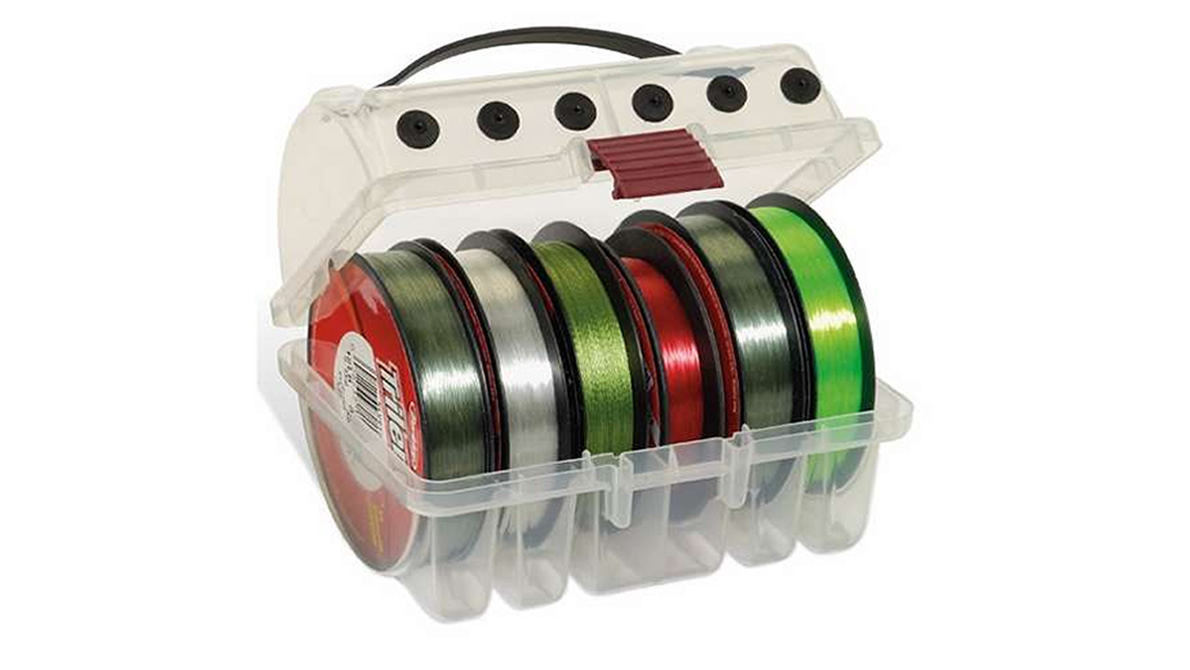
All Fishing Lines have Personalities
Before we start suggesting different products on the market, there are a few personalities of each line to go over. Later in the article, this will help you understand why one line might be not as good as another in your current situation.
- Abrasion Proof: Ever have a fish cut the line with his teeth? Maybe your favorite fishing spot has lots of rocks, and you get cut off all the time? Having a line that is more abrasion-resistant will help. Or, more importantly, make sure you are not using a fishing line that is not abrasion-resistant.
- Buoyancy: This is how your line floats in the water or how quickly it may sink. Different situations are going to call for a specific fishing line. The more buoyant the line is, the better it will work for topwater lures. Lik that sinking provides a better feel of the fishing lure or bite of a fish. It also helps with the hooking of fish in some cases.
- Memory: This happens to some types of lines when it gets old or is stored in the sunlight. When you cast, and your line lies in the water, is it straight or curled up? That’s memory. A fishing line with lots of memory will also get kinks or knots as you reel cast and retrieve. The biggest problem that occurs from the fishing line with lots of memory is losing all your casting distance.
- Strength: It comes in all types and forms of fishing line. Strength should not be only the breaking point. The most critical factor to consider regarding power is the diameter of the fishing line. Not all fishing lines are equally treated when looking just at diameter vs. strength. There is a time when stability is more important than the diameter, and the diameter is more important than power.
- Stretch: Is the distance the line with giving before breaking. The stretchy line is vital for certain fish and lures. In some cases, it helps with fighting a fish; other times, like with crankbaits, it gives the fish time to inhale the bait before you can react. Typically, the stretchy line also provides less sensitivity to the lure and bite of a fish.
- Visibility: This should be a given; fish can see line color. The fishing line’s specific colors work better in different color water, other fishing techniques, and various fish species. Spooking of fish because of line color is one of the number of mistakes beginners make in choosing a line.
Okay, now that we understand the fishing line’s personalities, let’s deep dive into the types of lines on the market today!
Monofilament: The Old Reliable
Since I can remember, monofilament has been the standard line for catching bluegill or Blue Marlin worldwide. Even today, the retail stores are full of inexpensive fishing lines, which is monofilament. It’s an excellent value for anglers; it works, catches fish, and casts well initially. It can be used on any style fishing reel, is easy to work with, and has good knot strength.
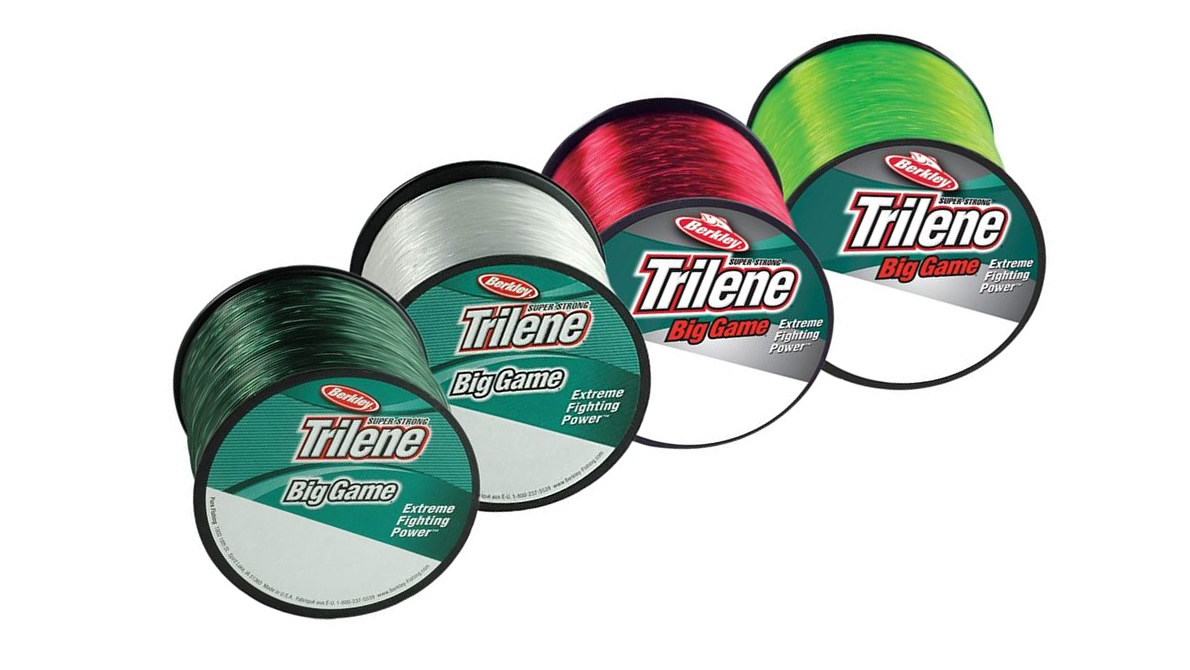
Pros of Monofilament
Monofilament is known for its reliability. It stretches under pressure; it’s durable and forgiving in the same breathe. The bulk of the fish landed in the world happen on monofilament. Some Monos are a bit stretchy; they still provide a right hook to drive hooks deep in to fish. Unlike its sister line fluorocarbon, monofilament is more forgiving and softer. It is helping with abrasions from rocks, fish teeth, and others. Think of mono as the old reliable; when you need a line you can rely on for almost all fishing forms, she won’t let you down.
Because it’s softer and more flexible than fluorocarbon, knots tie easier with mono, and cutting the line with almost anything, including your teeth, works for a Mono connection. Monofilament is exceptional for line sizes smaller than 12 pounds. It’s easy to cast lighter lures and adaptable for any terminal tackle, such as snaps, hooks, sinkers, bobbers, and swivels.
Cons of Monofilament
Monofilament is the line with the most stretch. It can be a fault or an asset for anglers. It provides less sensitivity than the fluorocarbon line, which can lead to anglers’ loss of fish as some anglers have difficulty detecting light strikes. Stretch also requires anglers to set the hook harder to drive deeply into the fish’s mouth.
The monofilament fishing line’s main fault is the memory, which creates loops, knocks, and twists, causing multiple casting issues. Monofilament can be especially tricky with lures that spin the line, like that happens when trolling. Twisting is caused by not adequately using leaders and swivels to decrease line twists.
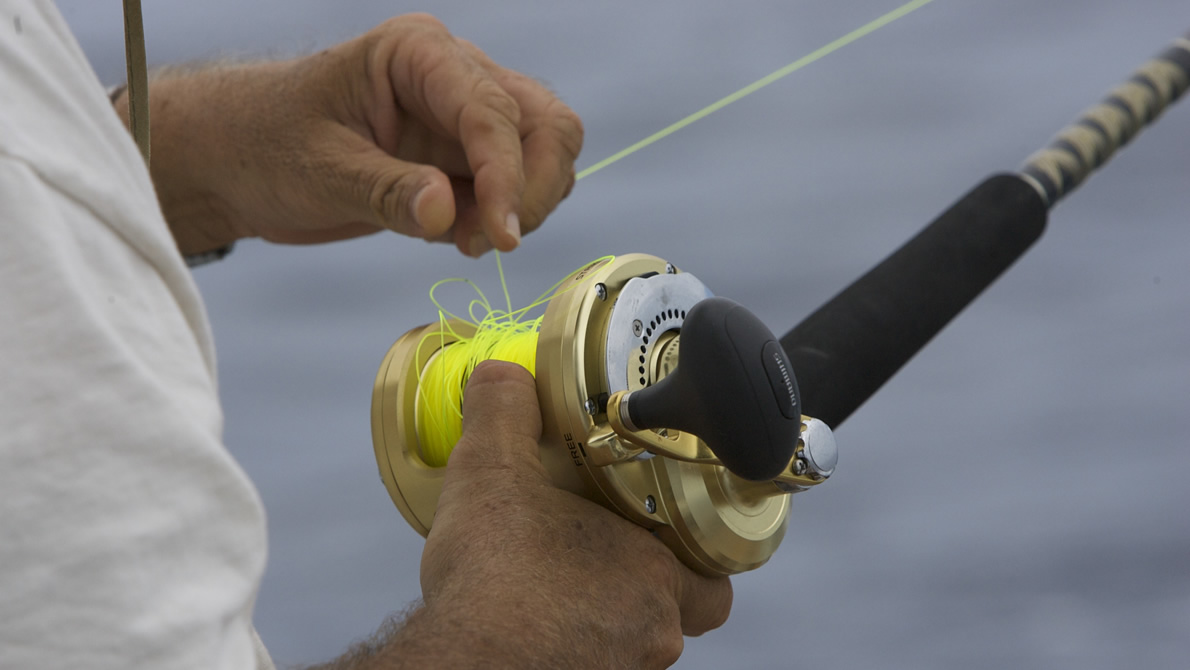
How And Why Anglers Use Mono
There are many monofilament applications, and since it’s been around for decades, many top anglers are committed to it, like a veteran fishing guide, Capt John Leech, of Kissimmee, Florida.
“I use Trilene XL monofilament line the most it’s what I feel like I get the most bites on,” he says. “Yes, still use braid and fluorocarbon with no-fault, braid has many advantages in thick covers, such as no stretch, incredible strength, solid hooksets, lots more sensitivity, longer life spam on the reel. And use monofilament because it works on sunny days, cloudy days, and all days in between. I have just always had confidence in it, so if it’s not broken, why change.”
Capt John also commented that monofilament is much cheap when your fishing every day as he does. It’s smooth, and it makes it easier to tie knots quickly.
Florida fishing guide Capt Al out of new Smyrna Beach uses limp monofilament leaders when he uses live bait, especially when bobber fishing with a slip-float rig.
For Saltwater fishing trout and redfish, it mostly uses monofilament.
“Being able to see my line is important so a hi-vis Mono is a majority what I use. And so fish won’t see or shy from it, I always employ a fluorocarbon leader.” My preferred monofilament is Berkley Trilene Big Game for trout and redfish; both are smooth casting.
Copolymer: A Basic Improvement
Attempt to make improvements to monofilament; the industry created a copolymer fishing line. It’s a newer version of the version of monofilament, with slite changes. They embedded a different cord of nylon, making it two or stains of material instead of one. This process strengths the line reduces stretch and, more importantly, provides manufacturers access to create a unique recipe and customize the line’s characteristics to specific types of fishing.
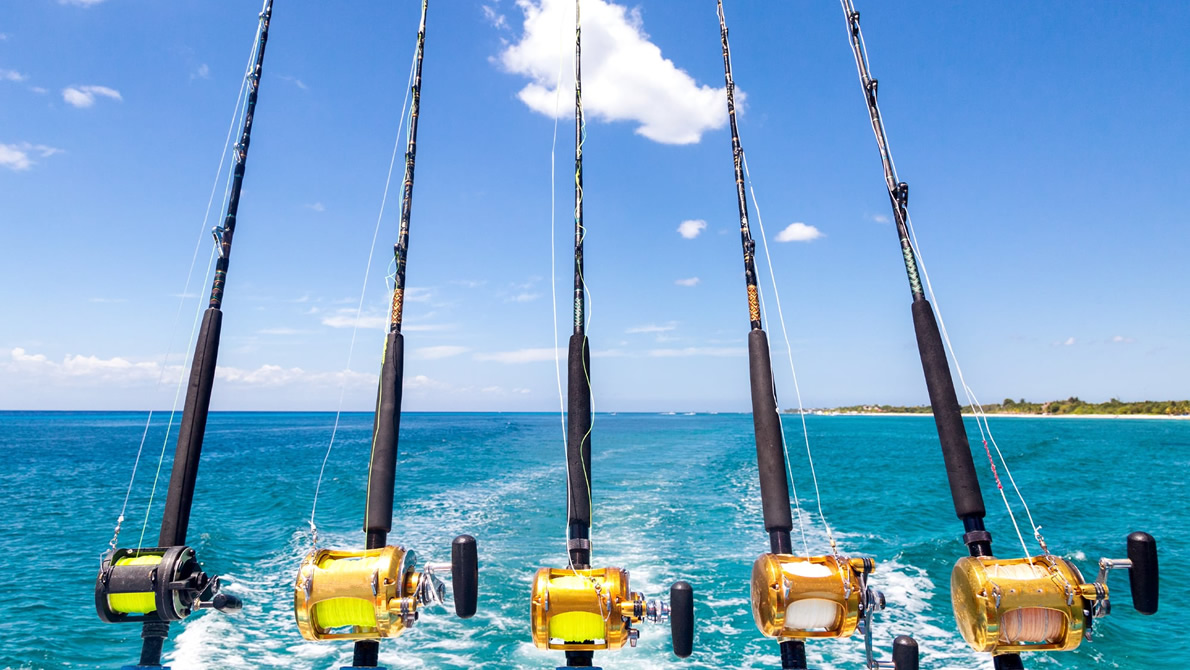
Pros of Copolymer
You wonder when you go to the store and see so many different fishing lines and ask, why? The copolymer is responsible, as the manufacturing process allows quickly unique signatures of a new line into the market. The manufacturers can mimic existing lines and make slight changes so they can say it’s better and different”? In general, its a lower stretch than monofilament but carries less memory. All while maintaining shock strength, improved casting, and knot strengths. It’s also more abrasion-proof, all while adding increased stability to the line.
Cons of Copolymer
A unique difference between monofilament and copolymer is it doesn’t float very well. While it is still nylon-based, the core to monofilament can still heat up and get sunlight damage from the UV rays. The big loser is the angler; with all the technology changes to monofilament to create copolymer, it has made the price considerably more expensive. You have to decide if the difference is of value to you.
How And Why Anglers Use Copolymer
There are many specific applications for copolymer that lead Captain Troy Wells of FortLauderdaleFishing.com uses in his day-to-day operation.
“I use copolymer line on most all reel types, and I love it for deep-water tactics like jigging and suspension rigs. It’s what we get the most fish on,” he says.” I don’t mind paying a little more; there’s no reason not to. We land more fish; you can’t convince me otherwise.”
The Ever So Popular Braided Line
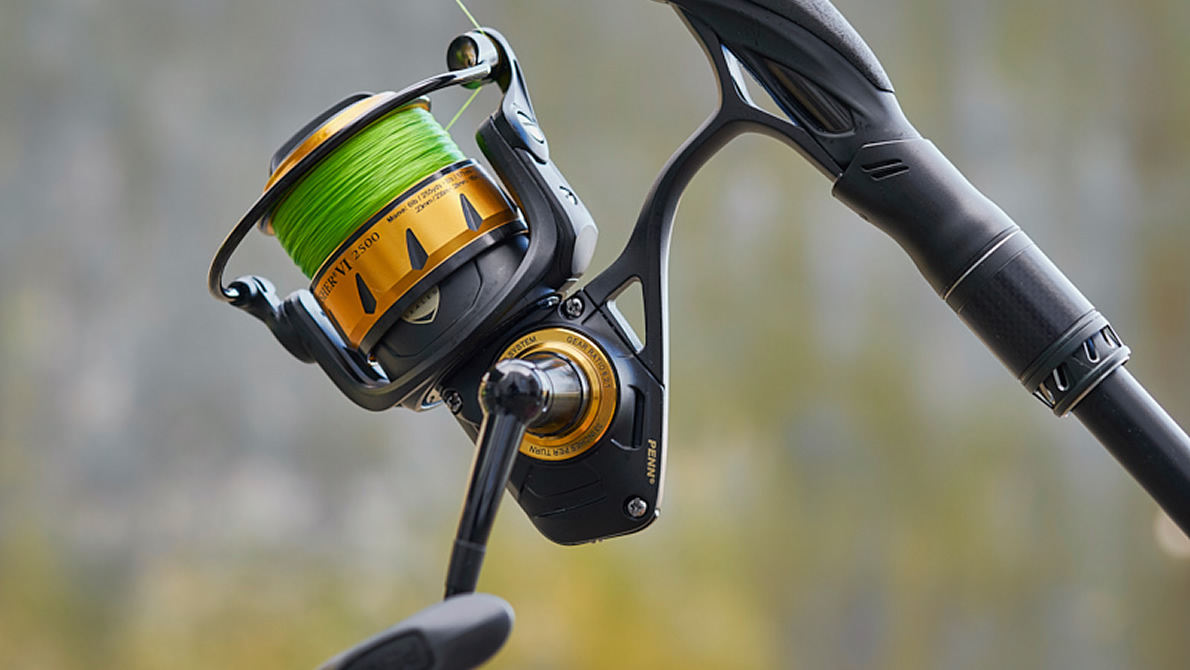
Braided line has boomed in popularity in recent years due to comparatively new improvements that have resulted in high abrasion resistance, excellent diameter per test, superb casting characteristics, and extended life use. Perhaps braid’s biggest asset is that it has virtually no stretch; thus, it’s exceptional sensitivity. It makes it a top choice for deep water and heavy cover fishing and “feeling” the slightest bite from fish. However, no stretch can be detrimental if anglers overplay fish, pulling out or straightening hooks, resulting in a loss.
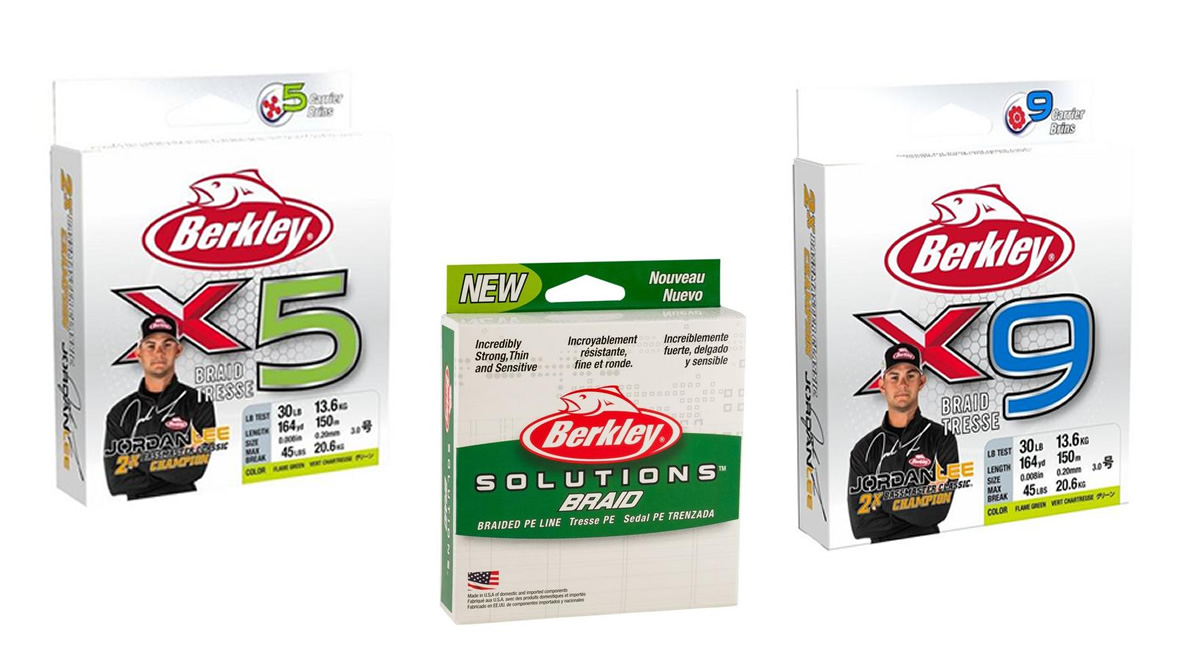
Pros of Braided Line
Its strength, clearly the #1 feature of the braid. Secondly, it would be the diameter, especially in the big sizes like 15, 30, 50, and 80 pounds. In very light tests, let’s say, under 10 pounds, it is extremely sensitive and still super strong. Most people use it for its casting distance, which outperforms all of its counterparts. The addition of adding a monofilament or fluorocarbon leader provides an exceptional advantage over the fish.
Cons of Braided Line
It’s the most expensive, more than monofilament, copolymer, fluorocarbon, and it can be tricky; even wind knots can tie in a ball of waste. It can be much harder to tie knots; if the proper knot is not connected, the braid tends to slip. Many stand monofilament knots that work great, such as the Clinch Knot and Blood Knot, do not hold well with braided lines. Not necessarily a negative, unless you don’t have them. With braid, it requires a pair of clippers or scissors to retie.
How And Why Anglers Use Braid
Well, respected multi-species angler and Lake Erie fishing guide Capt Mark Rose out of Erie, PA uses braid for finesse applications deep jigging for big smallmouth. “I use Berkley X9 braid attached to a fluorocarbon leader for most deep and clear water fishing applications I do.” Capt Mark says explicitly, “for drop shot fishing in the clear waters of the Northeast, I use 6- or 8-pound braid with an 8 to 10pound fluorocarbon leader.”
Mark adds that one of the primary reasons he uses braided lines is that it increases his customer’s sense of “feel” when fishing deep water. He says the benefits of supper thin diameter and lack of stretch are unbeatable.
Capt Tom Goodrick, Lake Erie Walleye expert, says, “braided line is his first choice when running moving baits to set hooks in fish like pike and walleye. Crankbait trolling for walleyes and other species is perfect for braid because I can ‘clear’ a lure of debris without reeling the bait back to the boat. Deep jigging with hyper-sensitive, no-stretch braided line makes for controlled solid hook-sets by customers.”
Fluorocarbon
The fluorocarbon fishing line is a relatively new product compared to its counterparts that have been around forever and improved dramatically over the years. Its price had also come down considerably from when it was introduced into the marketplace.
Pros of Fluorocarbon
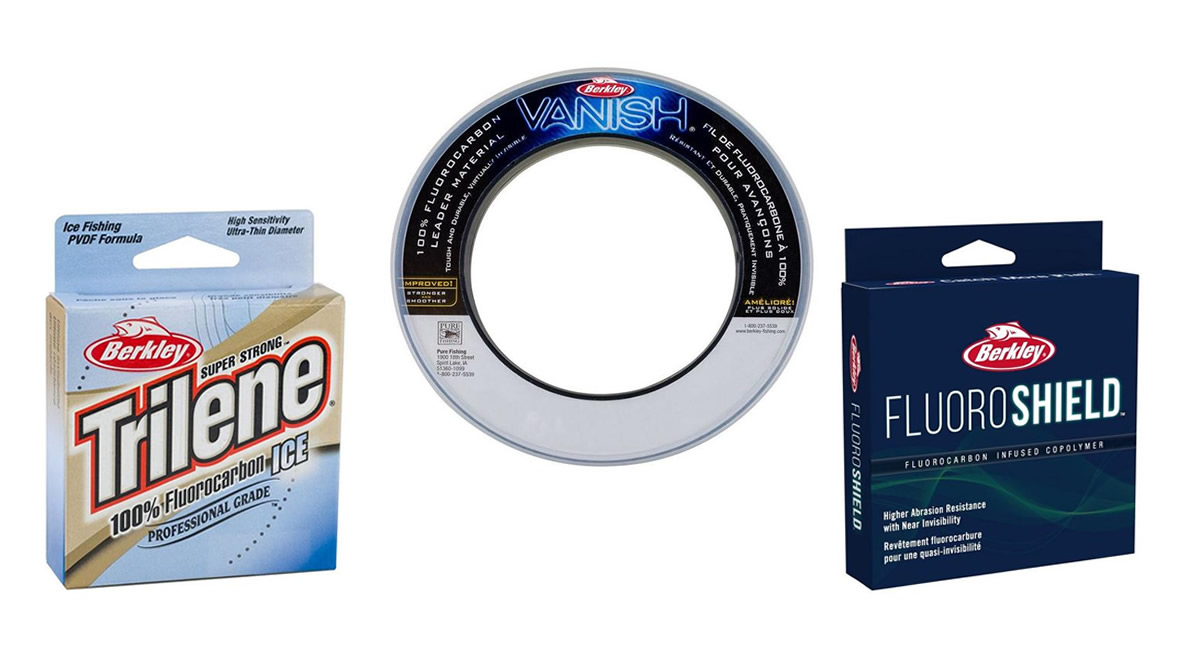
Visibly almost identical in design to monofilament in that it’s round and feels very similar. It’s virtually invisible, ultra-clear underwater because light passes through it. For this reason, anglers can use fluorocarbon in heavier pound tests than monofilament and copolymer lines that are more visible.
While fluorocarbon does stretch, it has much less bonce than monofilament, although it feels more elastic than braided line. It’s built with a hard casing, so it’s more rigid and more resistant to abrasion. Fluorocarbon is known as a stiffer line than all its counterparts, and it is. But technology and development have made many improvements in recent years. Cleary excepted by new era of anglers, fluorocarbon is quickly gaining lots of endorsements from top anglers.
Cons of Fluorocarbon
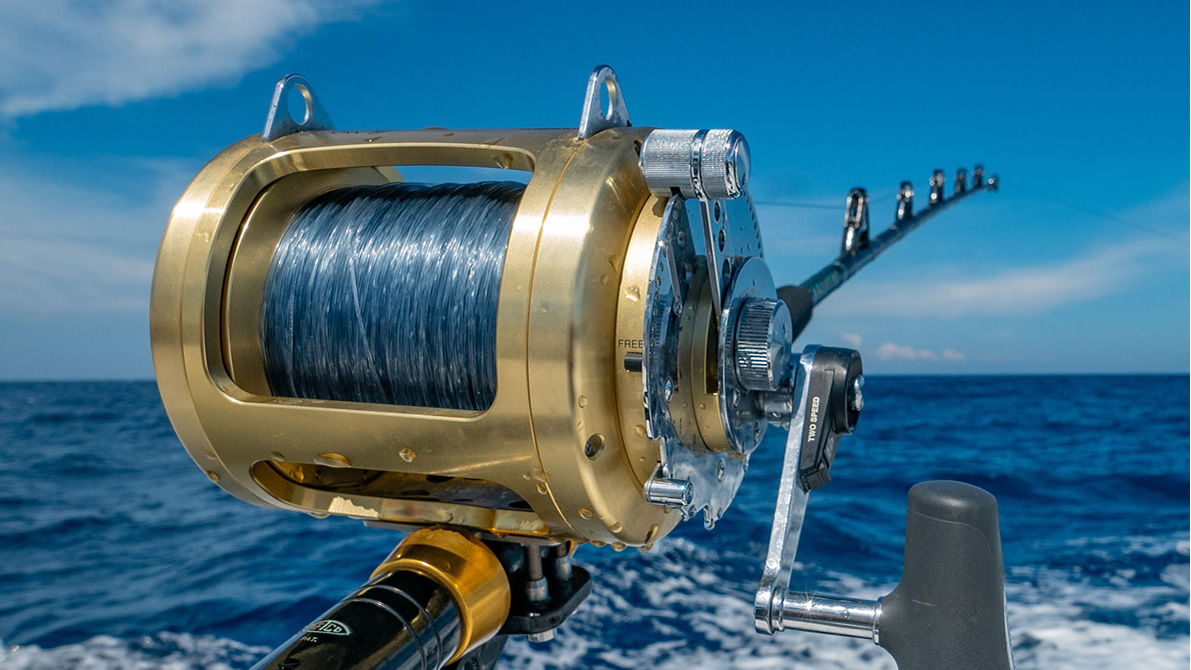
Fluorocarbon, because of its density, sinks faster than monofilament. So for topwater lures, it’s not the best choice of line. The bigger continued to complain from the weekend angler is the difficulty of tieing knots due to additional stiffness. It is most critical to wet your line when tying with fluorocarbon to help the line slip and tighten the knot.
How And Why Anglers Use Fluorocarbon Line
“Berkley FLUOROSHIELD Fluorocarbon has become my number one all-purpose line,” says Capt Mark Shepard. “It’s durable and castable on bait-casters while still maintaining lots of abrasion resistance. I mainly use it because it’s the most transparent line of all that is manufactured. That means it’s the closest to transparent of anything other than water.
Shepard says he uses it almost exclusively for throwing his WOW Factor Crankbaits. “It’s stronger than monofilament and abrasion-resistant, and fluorocarbon helps a bunch.” everything else.
In closing
Most anglers know that they have to change their fishing line regularly. However, most only do so when something happens to remind them of this. Choosing the correct one based on conditions and species will change how you fish and the results!

Bass Fishing, iOutdoors Blog
All you Need to Know About Bass Fishing
Everyone enjoys fishing to a certain degree. The thrill of getting a bit and reeling in your largemouth bass is unparalleled. That said, not all types of fish species are easy to catch, and not all types of fishing are simple. On the other hand, largemouth bass is easy to catch and is an excellent option if you are getting into bass fishing.
What is Bass Fishing?
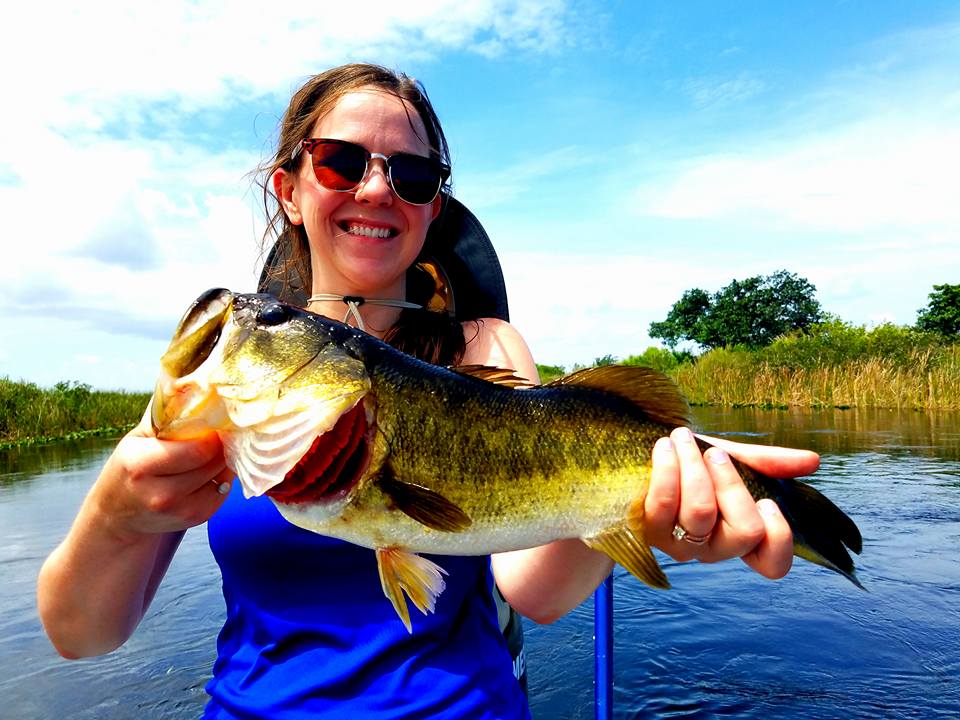
Bass fishing is a type of fishing in which you set out to catch particular types of fish, largemouth bass, but also smallmouth bass. There are a few different types of bass for a bass fisherman to consider when chasing this game fish. The most common are largemouth and smallmouth bass. The largemouth bass is most common in lakes, ponds, and other still water bodies that have ample vegetation are considered good bass fisheries. They prefer lakes and ponds with sand or gravel bottoms that also support other species.
Smallmouth bass is more common in colder water and is most common in the Great Lakes area. These are a more invasive species and are not as highly desirable as the largemouth variety. However, both are meaty fish with ample amounts of flesh if you are fishing to eat. They are also exceedingly easy to catch, known for a good fight when hooked and are a favorite fish for any experienced angler.
Why is Bass Fishing So Popular?
People love bass fishing first and foremost because of the ease of catching them and how easy it is to get into bass fishing. It does not require any unique bass fishing tackle, poles, or lures. As well, does not require an immense amount of skill. Equally, it also does not require taking any long bass fishing trip to find this game fish.
Largemouth bass fishing can be done nearly anywhere, even in places like Florida. You can find bass fishing in almost any water source. They are easily attracted to artificial lures and worms and other smaller natural baits, so they are highly recommended for people of all skill levels, ages, and means. Additionally, dedicated anglers specializing in fly fishing love catching bass.
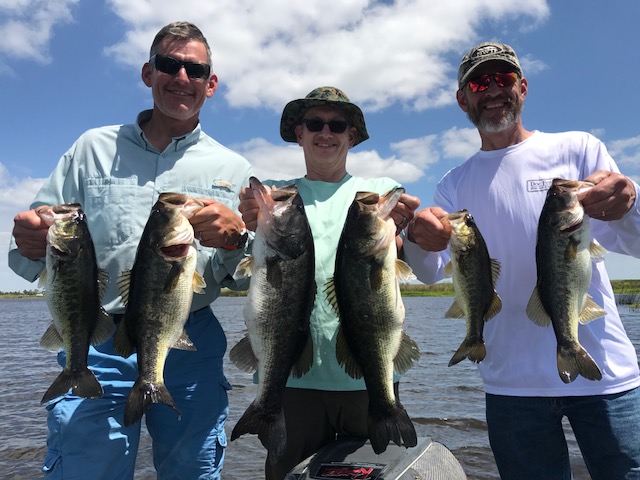
Are bass the most fun fish to catch?
Bass fishing is especially fun when you want active fishing because they are aggressive fish. They are very aggressive, and still, not everyone finds them easily accessible. They generally go after much live bait in their range without additional support. But others prefer trout panfish or catfish, several species they find more fun. Crappie may have similar hook styles, but it can be best used on the biggest bass to some people. Some anglers also develop a preference for Smallmouth over largemouth bass. I’m trying to find people who think bass fish are fun for the whole family. Definitely not so easy to find them. Eric Matechak is an avid angler and outdoor enthusiast. His book is called.
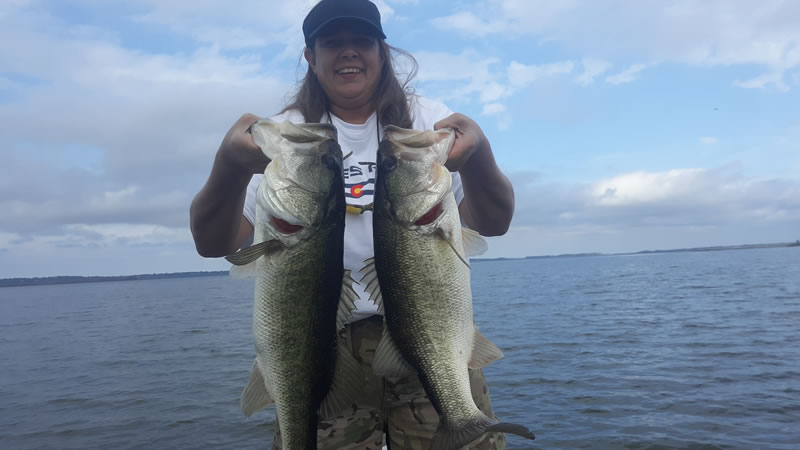
Baiting Tips for Bass Fish
The bait is the main thing to keep in mind when fishing for bass. They are not generally attracted to fly fishing baits, they are not always going to be attracted to the flashiest bait you have, and they are not going to be overly attracted to a bait that moves around too much. So dropping your bait and waiting is the best way to catch bass and to catch one that is going to be worth catching and worth eating if you are keeping the fish.
Using live bait or worms is a great way to start as they are a common food source for bass living in ponds. Worms are also cheap or free if you dig your own. You can use rubber worms that are rather wiggly and that do look real, or you can use grubs. Bass are going to be caught without a ton of trouble.
When it comes to fishing, it is always best to find out more about the fish you are hoping to catch. Fish are more intelligent than we think. For example, take deep-sea fishing to make it relatively easy to bait with sea bass. You can utilize these tips to have a fantastic bass fishing experience. Your family is going to love it.
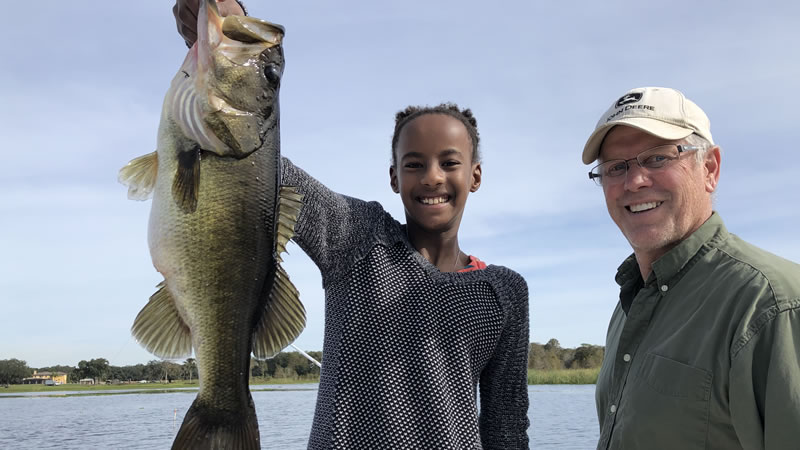
Variety of techniques
The season and the weather dictate where to search for the fish, but the species have not changed. How you target specific species will help you decide the technique you plan to use. For example, you can try trolling for Striped bass. In comparison, anglers will not have this choice if they fish for Peacock Bass in South Florida. No matter which technique you use, your bass fishing trip is sure to provide more casting opportunities than the offshore excursions. And even if you got skunked a day in the boat is best than a night in the office is it? The thrill of laying the hat and following the next acrobatic takes up all the time to create unforgettable moments.
How many bass fishermen are there in the USA?
Largemouth Bass fishing is more famous than a sport such as a tennis or golf. Around 30 million bass anglers live in the U.S., roughly 10% of the population. There are many fishing clubs and associations that have members who get to know each other about fishing, people with the same interests, and of course, help in fishing. Almost two thousand pounds is used for a growing fishing equipment market and permits and tourism associated with those. According to official government statistics, the bass is the most popular fish among US freshwater anglers. It is also a booming industry.
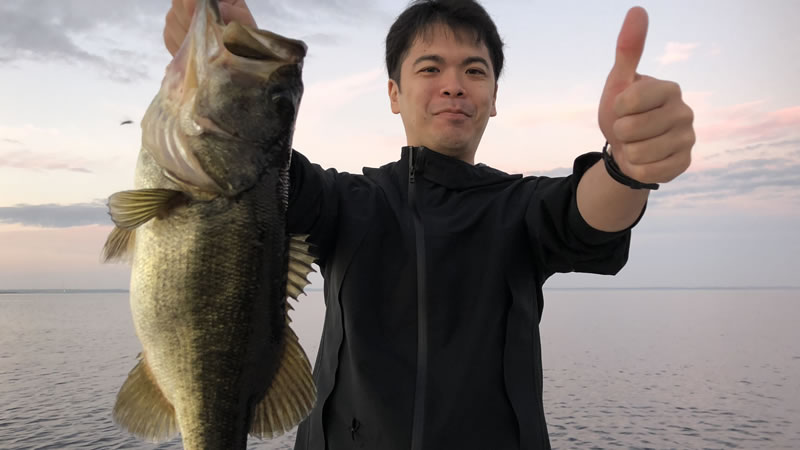
Is fishing for bass addictive?
Bass fishing is addictive due to the action and its adrenaline rush. As an animal, the fish puts up the most ferocious fights ever. There seems to be a buying aspect in it as well. If you do not like fishing, you won’t be so addicted. There’s always a great new brand of lure or unique kind of rod on the market, and people get addicted. Because bass fishing has become so addictive, it’s primarily because of the excitement and struggles when you’re outside and whether or not you think you might have an addictive character. For bass fishing, click this free starter guide and read more instructions.
When did largemouth bass fishing become popular?
Even people without experience had a chance to try fishing rods. Reels existed a long time ago but were unavailable commercially. Onesimus Ustonson, an English angler, and craftsman opened their first trading post in 1761. Ray Scott of America decided to organize bass competitions about a hundred years later. Through such tournaments, the sport was becoming even more popular. Every day the number of bass anglers is growing, especially in the U.S. Bass anglers have been increasing in recent years, with many anglers from the USA taking part in bass tournaments.
Don’t forget to follow us on Facebook, YouTube, Twitter, and Instagram.
