
iOutdoors Blog, Bass Fishing, Redfish Fishing, Sail Fishing, Shark Fishing, Snapper Fishing, Snook Fishing, Striper Fishing, Sword Fishing, Tarpon Fishing, Tripletail Fishing, Trout Fishing, Tuna Fishing, Wreck Fishing
What Fishing Line to use?
As a fisherman, there is a good chance that you have choices to make regarding your fishing line? Perhaps you have difficulties, your lines breaking while you were reeling a catch or casting your favorite lure. Having a faulty fishing line may not be the whole reason.
These events may reinforce the fact that you need to change your fishing line or use the wrong type. The question now is – What fishing line to use?
Like the lure and rod and reel, fishing lines are one of the components necessary for any angler’s success. It doesn’t matter if you’re catching bluegill from the bank, flipping bass out of thick grass, or trolling offshore for sailfish. You need the excellent quality and right type of line to land fish and have a hassle-free time.
With hundreds of different fishing lines on the market, what types, what sizes, what diameters should you use? It’s about the most difficult choice for most anglers.
So we were going to break down all the different fishing lines reasonably according to their uses, faults, and certain types of fishing best suited for each style.
It’s in the little details
Identifying the target species, fishing style, habitat, lures, and baits, and the angler’s skill all have a bearing in choosing the best line for the job.
From trolling spoons for oversized pike and steelhead; to deep jigging lead heads for walleyes and smallmouths; to working topwater frogs or spinner-baits for bass; there’s a specific kind of line to help anglers get the best results.
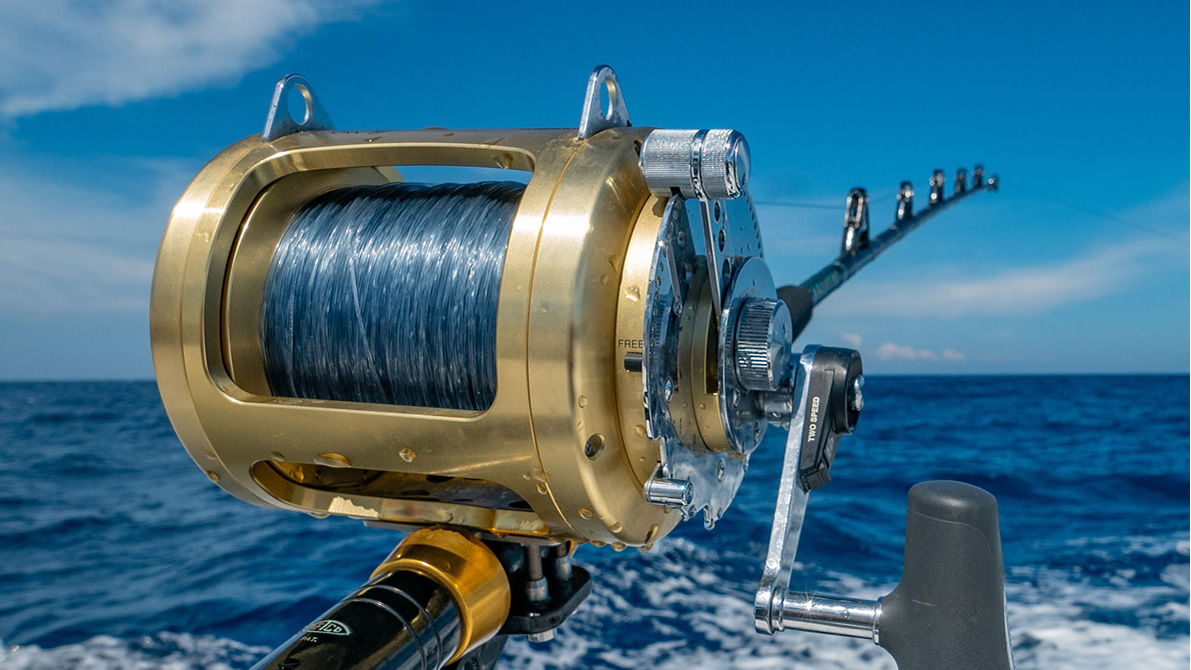
There are four significant types of fishing lines on the market today that matter for all practical purposes. Each has its pros (strengths) and cons (weaknesses), and anglers love each type.
99.9% of the anglers, when starting, only understand the difference in the packaging and color of the line. Braid, fluorocarbon, and monofilament mean nothing to them. We want to share what the pros already know about the fishing line and how they choose the different types. Share the cons no one wants to talk about and the pros of why you should be using it. You will know the perfect fishing line to use when selecting your favorite lure. Additionally, plan on fighting your favorite fish species by article end.
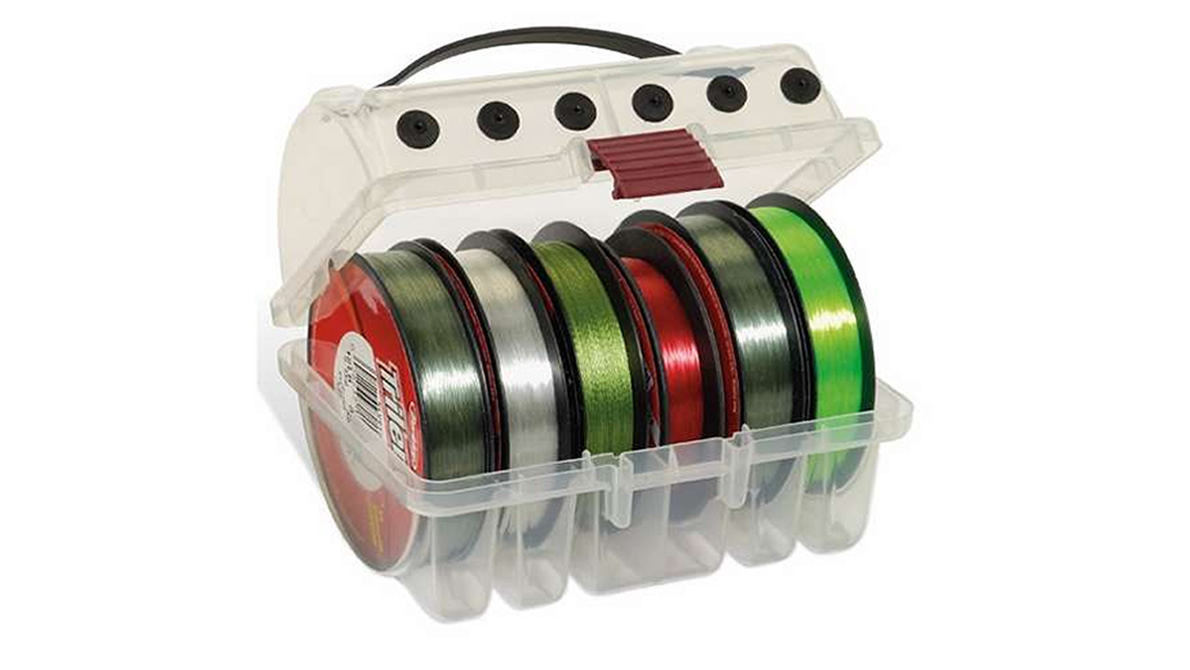
All Fishing Lines have Personalities
Before we start suggesting different products on the market, there are a few personalities of each line to go over. Later in the article, this will help you understand why one line might be not as good as another in your current situation.
- Abrasion Proof: Ever have a fish cut the line with his teeth? Maybe your favorite fishing spot has lots of rocks, and you get cut off all the time? Having a line that is more abrasion-resistant will help. Or, more importantly, make sure you are not using a fishing line that is not abrasion-resistant.
- Buoyancy: This is how your line floats in the water or how quickly it may sink. Different situations are going to call for a specific fishing line. The more buoyant the line is, the better it will work for topwater lures. Lik that sinking provides a better feel of the fishing lure or bite of a fish. It also helps with the hooking of fish in some cases.
- Memory: This happens to some types of lines when it gets old or is stored in the sunlight. When you cast, and your line lies in the water, is it straight or curled up? That’s memory. A fishing line with lots of memory will also get kinks or knots as you reel cast and retrieve. The biggest problem that occurs from the fishing line with lots of memory is losing all your casting distance.
- Strength: It comes in all types and forms of fishing line. Strength should not be only the breaking point. The most critical factor to consider regarding power is the diameter of the fishing line. Not all fishing lines are equally treated when looking just at diameter vs. strength. There is a time when stability is more important than the diameter, and the diameter is more important than power.
- Stretch: Is the distance the line with giving before breaking. The stretchy line is vital for certain fish and lures. In some cases, it helps with fighting a fish; other times, like with crankbaits, it gives the fish time to inhale the bait before you can react. Typically, the stretchy line also provides less sensitivity to the lure and bite of a fish.
- Visibility: This should be a given; fish can see line color. The fishing line’s specific colors work better in different color water, other fishing techniques, and various fish species. Spooking of fish because of line color is one of the number of mistakes beginners make in choosing a line.
Okay, now that we understand the fishing line’s personalities, let’s deep dive into the types of lines on the market today!
Monofilament: The Old Reliable
Since I can remember, monofilament has been the standard line for catching bluegill or Blue Marlin worldwide. Even today, the retail stores are full of inexpensive fishing lines, which is monofilament. It’s an excellent value for anglers; it works, catches fish, and casts well initially. It can be used on any style fishing reel, is easy to work with, and has good knot strength.
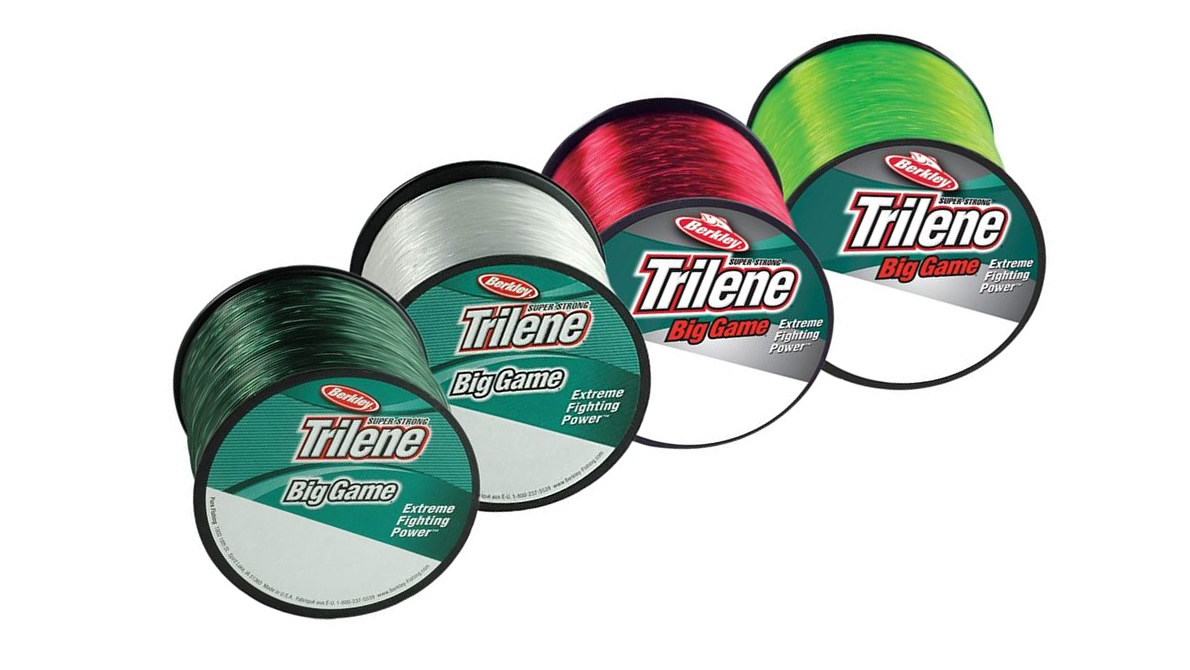
Pros of Monofilament
Monofilament is known for its reliability. It stretches under pressure; it’s durable and forgiving in the same breathe. The bulk of the fish landed in the world happen on monofilament. Some Monos are a bit stretchy; they still provide a right hook to drive hooks deep in to fish. Unlike its sister line fluorocarbon, monofilament is more forgiving and softer. It is helping with abrasions from rocks, fish teeth, and others. Think of mono as the old reliable; when you need a line you can rely on for almost all fishing forms, she won’t let you down.
Because it’s softer and more flexible than fluorocarbon, knots tie easier with mono, and cutting the line with almost anything, including your teeth, works for a Mono connection. Monofilament is exceptional for line sizes smaller than 12 pounds. It’s easy to cast lighter lures and adaptable for any terminal tackle, such as snaps, hooks, sinkers, bobbers, and swivels.
Cons of Monofilament
Monofilament is the line with the most stretch. It can be a fault or an asset for anglers. It provides less sensitivity than the fluorocarbon line, which can lead to anglers’ loss of fish as some anglers have difficulty detecting light strikes. Stretch also requires anglers to set the hook harder to drive deeply into the fish’s mouth.
The monofilament fishing line’s main fault is the memory, which creates loops, knocks, and twists, causing multiple casting issues. Monofilament can be especially tricky with lures that spin the line, like that happens when trolling. Twisting is caused by not adequately using leaders and swivels to decrease line twists.
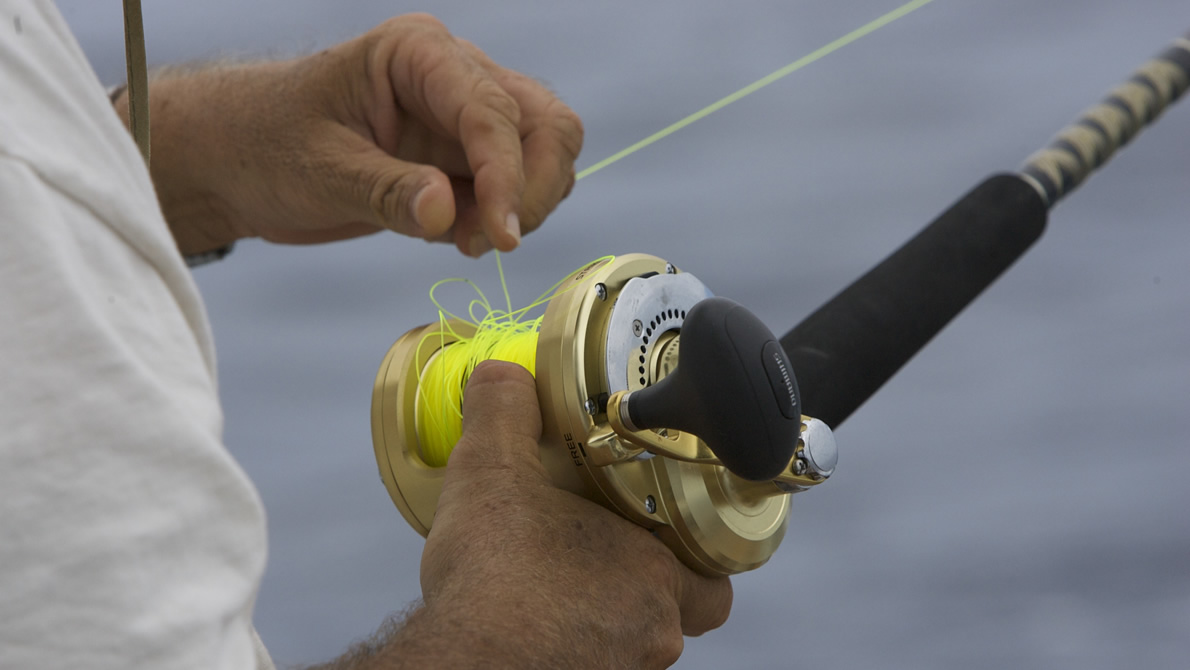
How And Why Anglers Use Mono
There are many monofilament applications, and since it’s been around for decades, many top anglers are committed to it, like a veteran fishing guide, Capt John Leech, of Kissimmee, Florida.
“I use Trilene XL monofilament line the most it’s what I feel like I get the most bites on,” he says. “Yes, still use braid and fluorocarbon with no-fault, braid has many advantages in thick covers, such as no stretch, incredible strength, solid hooksets, lots more sensitivity, longer life spam on the reel. And use monofilament because it works on sunny days, cloudy days, and all days in between. I have just always had confidence in it, so if it’s not broken, why change.”
Capt John also commented that monofilament is much cheap when your fishing every day as he does. It’s smooth, and it makes it easier to tie knots quickly.
Florida fishing guide Capt Al out of new Smyrna Beach uses limp monofilament leaders when he uses live bait, especially when bobber fishing with a slip-float rig.
For Saltwater fishing trout and redfish, it mostly uses monofilament.
“Being able to see my line is important so a hi-vis Mono is a majority what I use. And so fish won’t see or shy from it, I always employ a fluorocarbon leader.” My preferred monofilament is Berkley Trilene Big Game for trout and redfish; both are smooth casting.
Copolymer: A Basic Improvement
Attempt to make improvements to monofilament; the industry created a copolymer fishing line. It’s a newer version of the version of monofilament, with slite changes. They embedded a different cord of nylon, making it two or stains of material instead of one. This process strengths the line reduces stretch and, more importantly, provides manufacturers access to create a unique recipe and customize the line’s characteristics to specific types of fishing.
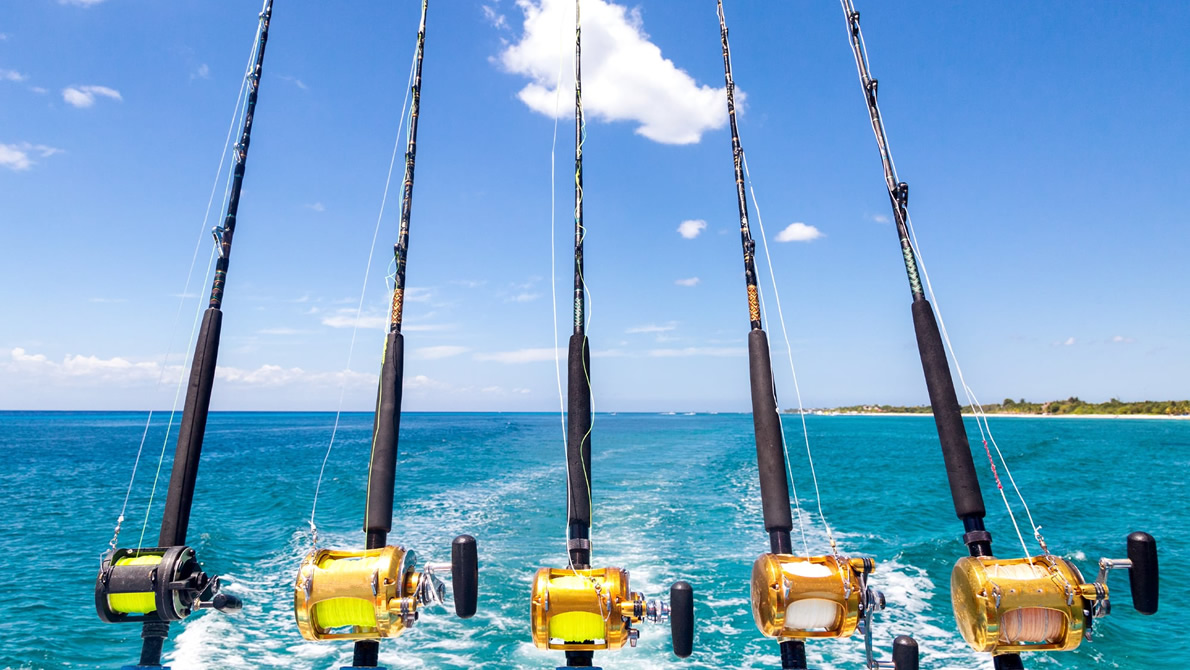
Pros of Copolymer
You wonder when you go to the store and see so many different fishing lines and ask, why? The copolymer is responsible, as the manufacturing process allows quickly unique signatures of a new line into the market. The manufacturers can mimic existing lines and make slight changes so they can say it’s better and different”? In general, its a lower stretch than monofilament but carries less memory. All while maintaining shock strength, improved casting, and knot strengths. It’s also more abrasion-proof, all while adding increased stability to the line.
Cons of Copolymer
A unique difference between monofilament and copolymer is it doesn’t float very well. While it is still nylon-based, the core to monofilament can still heat up and get sunlight damage from the UV rays. The big loser is the angler; with all the technology changes to monofilament to create copolymer, it has made the price considerably more expensive. You have to decide if the difference is of value to you.
How And Why Anglers Use Copolymer
There are many specific applications for copolymer that lead Captain Troy Wells of FortLauderdaleFishing.com uses in his day-to-day operation.
“I use copolymer line on most all reel types, and I love it for deep-water tactics like jigging and suspension rigs. It’s what we get the most fish on,” he says.” I don’t mind paying a little more; there’s no reason not to. We land more fish; you can’t convince me otherwise.”
The Ever So Popular Braided Line
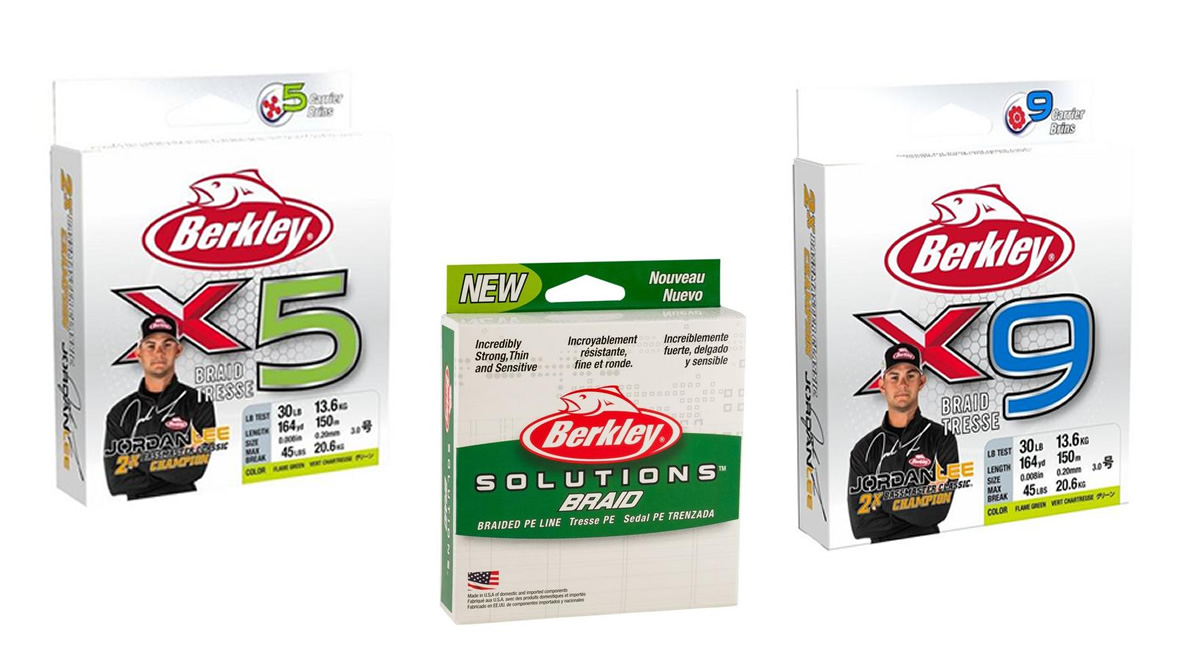
Braided line has boomed in popularity in recent years due to comparatively new improvements that have resulted in high abrasion resistance, excellent diameter per test, superb casting characteristics, and extended life use. Perhaps braid’s biggest asset is that it has virtually no stretch; thus, it’s exceptional sensitivity. It makes it a top choice for deep water and heavy cover fishing and “feeling” the slightest bite from fish. However, no stretch can be detrimental if anglers overplay fish, pulling out or straightening hooks, resulting in a loss.
Pros of Braided Line
Its strength, clearly the #1 feature of the braid. Secondly, it would be the diameter, especially in the big sizes like 15, 30, 50, and 80 pounds. In very light tests, let’s say, under 10 pounds, it is extremely sensitive and still super strong. Most people use it for its casting distance, which outperforms all of its counterparts. The addition of adding a monofilament or fluorocarbon leader provides an exceptional advantage over the fish.
Cons of Braided Line
It’s the most expensive, more than monofilament, copolymer, fluorocarbon, and it can be tricky; even wind knots can tie in a ball of waste. It can be much harder to tie knots; if the proper knot is not connected, the braid tends to slip. Many stand monofilament knots that work great, such as the Clinch Knot and Blood Knot, do not hold well with braided lines. Not necessarily a negative, unless you don’t have them. With braid, it requires a pair of clippers or scissors to retie.
How And Why Anglers Use Braid
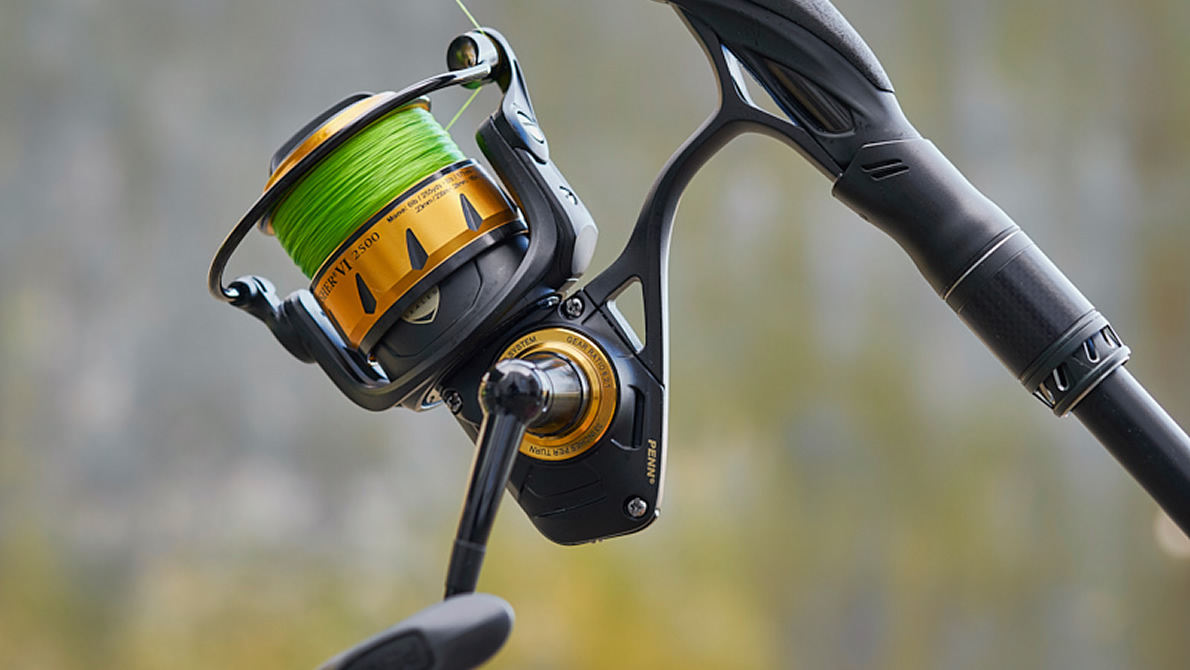
Well, respected multi-species angler and Lake Erie fishing guide Capt Mark Rose out of Erie, PA uses braid for finesse applications deep jigging for big smallmouth. “I use Berkley X9 braid attached to a fluorocarbon leader for most deep and clear water fishing applications I do.” Capt Mark says explicitly, “for drop shot fishing in the clear waters of the Northeast, I use 6- or 8-pound braid with an 8 to 10pound fluorocarbon leader.”
Mark adds that one of the primary reasons he uses braided lines is that it increases his customer’s sense of “feel” when fishing deep water. He says the benefits of supper thin diameter and lack of stretch are unbeatable.
Capt Tom Goodrick, Lake Erie Walleye expert, says, “braided line is his first choice when running moving baits to set hooks in fish like pike and walleye. Crankbait trolling for walleyes and other species is perfect for braid because I can ‘clear’ a lure of debris without reeling the bait back to the boat. Deep jigging with hyper-sensitive, no-stretch braided line makes for controlled solid hook-sets by customers.”
Fluorocarbon
The fluorocarbon fishing line is a relatively new product compared to its counterparts that have been around forever and improved dramatically over the years. Its price had also come down considerably from when it was introduced into the marketplace.
Pros of Fluorocarbon
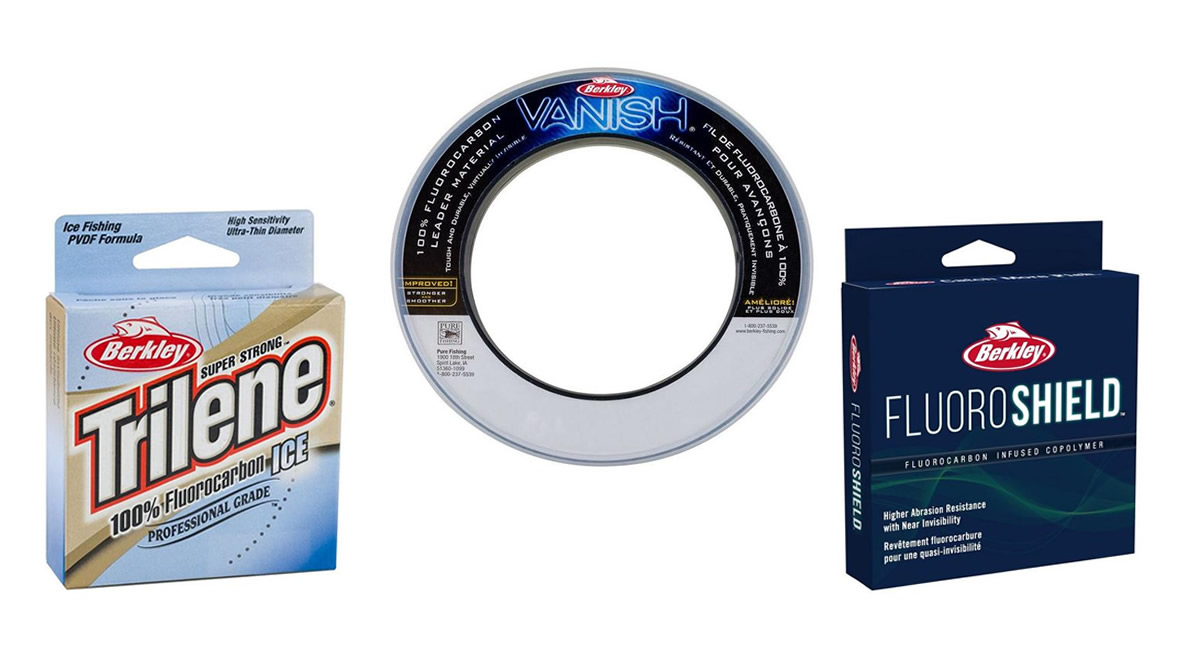
Visibly almost identical in design to monofilament in that it’s round and feels very similar. It’s virtually invisible, ultra-clear underwater because light passes through it. For this reason, anglers can use fluorocarbon in heavier pound tests than monofilament and copolymer lines that are more visible.
While fluorocarbon does stretch, it has much less bonce than monofilament, although it feels more elastic than braided line. It’s built with a hard casing, so it’s more rigid and more resistant to abrasion. Fluorocarbon is known as a stiffer line than all its counterparts, and it is. But technology and development have made many improvements in recent years. Cleary excepted by new era of anglers, fluorocarbon is quickly gaining lots of endorsements from top anglers.
Cons of Fluorocarbon
Fluorocarbon, because of its density, sinks faster than monofilament. So for topwater lures, it’s not the best choice of line. The bigger continued to complain from the weekend angler is the difficulty of tieing knots due to additional stiffness. It is most critical to wet your line when tying with fluorocarbon to help the line slip and tighten the knot.
How And Why Anglers Use Fluorocarbon Line
“Berkley FLUOROSHIELD Fluorocarbon has become my number one all-purpose line,” says Capt Mark Shepard. “It’s durable and castable on bait-casters while still maintaining lots of abrasion resistance. I mainly use it because it’s the most transparent line of all that is manufactured. That means it’s the closest to transparent of anything other than water.
Shepard says he uses it almost exclusively for throwing his WOW Factor Crankbaits. “It’s stronger than monofilament and abrasion-resistant, and fluorocarbon helps a bunch.” everything else.
In closing
Most anglers know that they have to change their fishing line regularly. However, most only do so when something happens to remind them of this. Choosing the correct one based on conditions and species will change how you fish and the results!
Miami Beach Fishing, Charter Head Boat, Dolphin Fishing, Drift Fishing, Grouper Fishing, iOutdoors Blog, Party Boat Fishing, Shark Fishing, Snook Fishing, Sword Fishing, Tarpon Fishing, Tuna Fishing
Best Fishing Spots in MiamiWhat brings people to Miami? White sand beaches, tons of sunshine, vibrant nightlife, fresh food? Yeah, all of that. Fishing Miami is an afterthought for many, but not for us. Whether you venture through the mangroves or explore undersea shipwrecks for Swordfish, you’ll find a fishing culture as abundant as the one on land.
What Can You Catch in Miami?
If you’re unfamiliar with fishing in South Florida, you won’t know the best fishing spots in Miami. So you might be unsure of what to expect when you throw your line out. You’ll be happy to know that Miami is full of amazing (and huge) fish. Just as Miami’s culture is bustling with diversity and affluence, the waters are much of the same. Let’s check out the top catches of Miami.
Grouper
Beneath the surface of Miami’s crystal blue water is hundreds of wrecks and reefs inhabiting some delicious bottom feeders. You can expect to find Black, Red, and Gag Grouper all over the place, and that’s good news for anyone coming here to sample some of what Miami has to offer.
These fish are some of the prime targets for frequent anglers, but if you’re looking for something a bit more unique, you can travel a few miles out and find rare Snowy and Scamp groupers.
That said, there’s one fish that everyone travels here for, and it’s the Goliath Grouper. These monsters can weigh as much as 200 pounds or more, so if you’re planning your trip around locating one of these, you’ll want to bring some seriously heavy tackle. We recommend chartering a boat and recruiting the help of a local expert if this is your plan because they know the best fishing spots in Miami.
Tarpon
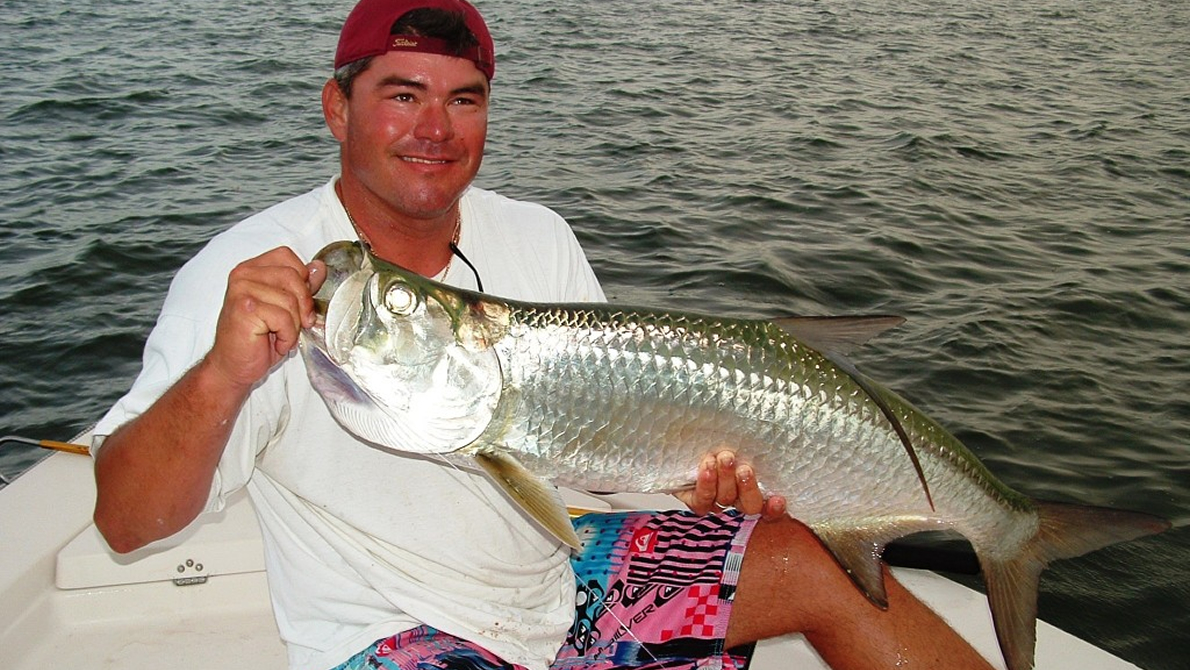
If you’ve got a smaller boat and you’re sticking to the shallow water, you can bring in a few Tarpon. While we make it sound easy, they’re a bit challenging to catch because they’re hard to find, and they put up quite a fight.
During the summer months is when you can find them most frequently around Biscayne Bay, but the problem is, most visitors travel here during the cold weather months and expect to find Tarpon. You can, you just have to know where to look.
These shallow water behemoths reach around 100 pounds, but if you’re looking for an enjoyable fishing experience, target the smaller and more aggressive fish in the 20-40 pound range.
Swordfish
South Beach created swordfishing, and you can find some of the best swordfish anglers on the planet in this area of the country. If you’re interested in catching a fish with that “wow” factor that you can share with your buddies on social media, you’ll want to start fishing in South Beach Miami.
A few miles away from the shore, the water dips deeper, and the warmth from the Gulf Stream is what makes this the perfect environment for pelagic fish and certainly Swordfish. They’re active during the day and at night throughout most of the year, so expect to find them, the challenge is getting them into the boat.
Sailfish
Traveling a few extra miles out to the deep sea brings upon new challenges. Sailfish draw hundreds if not thousands of people to Miami each year to take on one of the greatest fishing challenges imaginable. They are the fastest fish around, and their incredible multi-colored sail real makes for an amazing fishing experience.
All the locals possess the best fishing spots in Miami, but they will tell you that kite fishing is the way to catch these beautiful creatures. It’s a strategy similar to trolling that requires you to skip the bait amongst the surface until you see the sail pop out of the water.
Fishing for these isn’t the kind of fishing where you leave your line out there and sit back and drink a beer, you need to keep your eyes on the water and pay attention to that sail
African Pompano
If you’re the kind of person who likes to stray off the beaten path and go for something a little different, African Pompano are available in Miami – but not in abundance. Many local anglers tell stories about how many of these they missed, but they’re never 100% sure until they pull them into the boat.
These incredible fish inhabit shipwrecks around 300 feet out, and they put up a fight, unlike any other. The reason these fish are so desirable is for their taste. They have thick fleshy meat, and they eat a very clean diet, so it makes them taste fresher than some of the other coastal varieties. Many anglers compare it to eating a steak.
Bass Fishing Miami
While so many people travel to Miami to take on everything the sea offers, an often forgotten treat happens inland in the canals and lakes that Dade County has to offer. Fishing Miami requires a “thinking outside the box” attitude. Grab your best bass fishing reel and rod and take a quick trip away from the salt spray with us.
Urban Canal Fishing for Peacock Bass
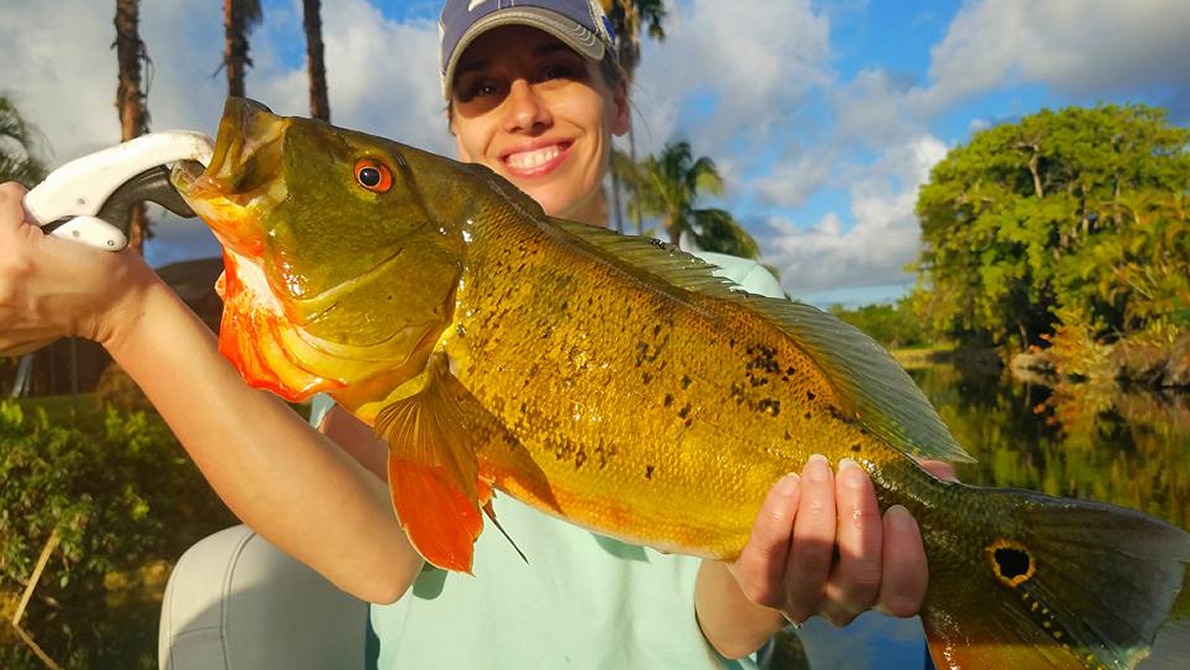
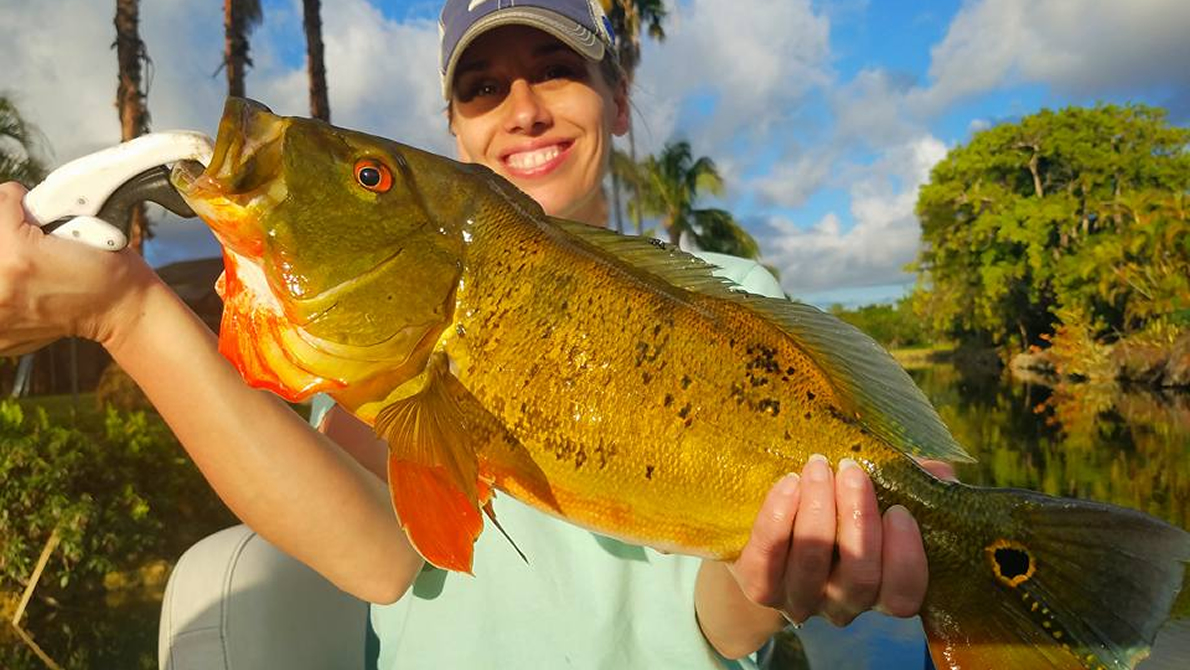
These are popular freshwater fish caught along the banks of many of the canals throughout South Florida. Many of the locals use a variety of different tackle ranging from live baitfish to artificial swimbaits and flies. Peacocks prefer live bait and most of the best lures used in catching largemouth bass, but the experts don’t recommend using plastic worms.
South Florida Largemouth Bass
Largemouth bass are a popular catch anywhere East of the Rockies, and that’s due to their incredible acrobatic fighting power. Locals recommend using plastic worms, jigs, and spinnerbaits when the weather is mild. You’ll have the most success during the fall and spring months when the heat isn’t too hot, and the coastal breeze is calmer.
Top Fishing Spots in Miami
There is no shortage of great places when fishing Miami, so let’s talk about specifics. When you visit, where are you going?
Biscayne Bay – If you’re chasing Tarpon inshore, this is where you want to go. You’ve got shallow waters, channels, and mangroves, and that makes Biscayne Bay the ideal environment for Tarpon. Best of all, you have a variety of options for how you want to fish. Cast from the shore, take out a kayak or explore on a boat.
Bache Shoal Reef – If you’re taking a boat off the shore, you’ll want to check out the wrecks around Bache Shoal. It’s a popular diving and snorkeling area so you’ll want to fish here when it’s not tourist season. Spear and kite fishing for Grouper, Snapper, and Sailfish is most popular.
Liberty Ship (O.L. Bodenhamer) – This is a sunken ship around 370 feet deep, and it offers some of the biggest game fishing available on the coast. It’s an artificial reef that draws a lot of attention and produces a large number of Sailfish and Swordfish all year long.
Miami Fishing Guide
So, you know what to catch and where to catch it, but how do you plan on getting your line in the water? You have a few different methods when fishing in Miami.
From the Boat
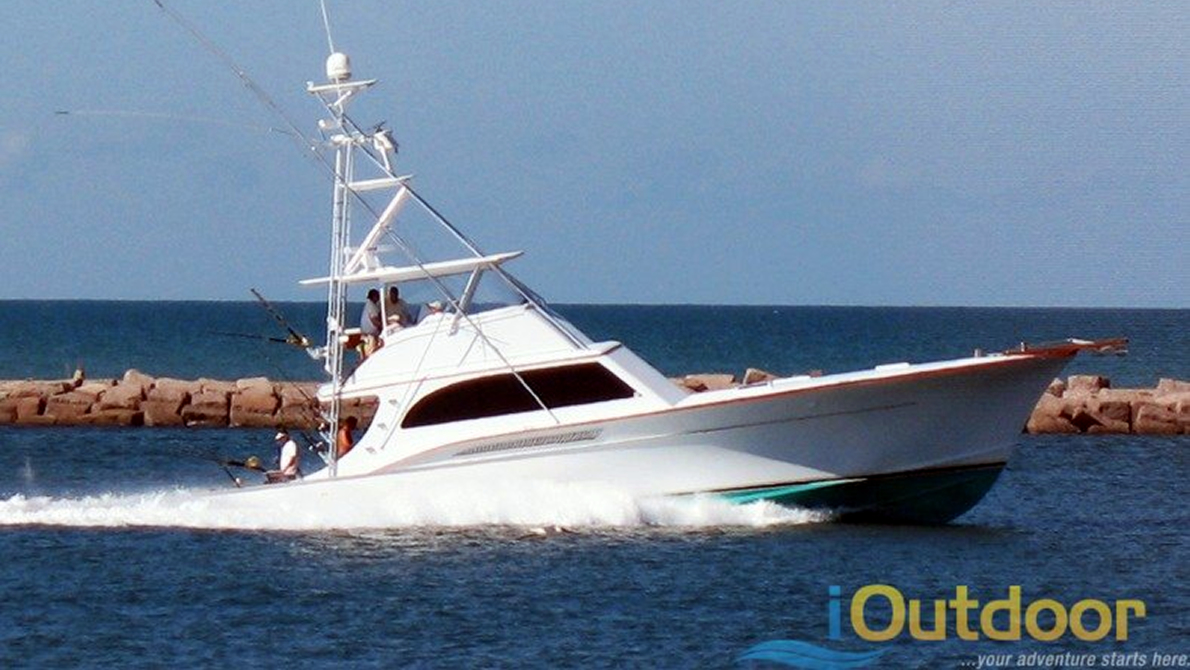
If you plan to get anywhere near anything like Tarpon, Swordfish, or Sailfish, you’ll need to take a boat out a couple of hundred feet. You’ll have some heavy gear, and you’ll likely need a sturdy boat to handle to fight and keep everyone safe.
The most affordable way to get the best offshore fishing experience in Miami is by joining a drift boat or party boat. You’ll have an opportunity to meet other people traveling through the area, and when everyone splits the cost, it’s much more affordable to fish Miami the right way.
From the Shore
Most people think you have to get out beyond the surf to catch fish in Miami, and that’s not true. With the many inshore fishing opportunities in canals and lakes, you can set up shop on the shore and catch plenty of Largemouth, Peacock, Snook, and Bonefish.
It’s worth mentioning that the heavy tourist industry has hurt many of the fishing opportunities here, and much of the canal and beach space is privately owned, so you can’t fish there. Just keep your eyes open for signs stating that.
Kayak Fishing
For a well-rounded experience, you could fish the canals with a kayak. There are even guided tours. Fishing this method allows you to get a workout in while targeting Snook and Redfish inshore. Of course, you can’t bring along as much gear, but the whole experience makes it worthwhile even if you don’t catch anything!
How to Charter a Boat in Miami
If you haven’t realized it by now, we’ll clear it up for you. Fishing in Miami is amazing, and there’s no shortage of incredible fishing opportunities for people of all ages and skill levels. The best way to get the whole experience is through using a guided fishing charter. The local captains will help ensure you get a full taste of what South Beach waters have to offer.
Best of all, chartering a boat in Miami isn’t as expensive as you think. You can take your whole family on the water, and the guides will take their years of experience fishing these waters and put you on the best fishing spots in Miami to work.
They’ll take you right where the fish are, hook you up with the necessary gear and tackle, and many even guarantee you catch something before heading back to the dock.
With the diversity of fish, abundant opportunities, and jet blue sky, it’s no wonder why people are fishing Miami all year long.


Miami Beach Fishing, Bottom Fishing, Dolphin Fishing, iOutdoors Blog, Kite Fishing, Offshore Fishing, Sail Fishing, Snapper Fishing, Sport Fishing, Sword Fishing, Wreck Fishing
Miami Offshore Fishing Report
Miami, FL is one of the most sought after fishing destinations in the world. You can experience some of the best fishing during the fall season. When you visit Miami, you are opening yourself up for a fishing adventure of a lifetime. Here is a Miami Offshore Fishing Report which consists of some clues to what is going to be biting during these times.
You may be drawn to Florida for beautiful weather, great beaches and exciting night life but don’t count of the exceptional fishing opportunities. If you are planning a vacation from September through November to Miami, you will be visiting during the prime offshore fishing months. Every offshore angler dreams about hunting down some of their favorite catches or to take a fish off their bucket list but you have to know your fish first!
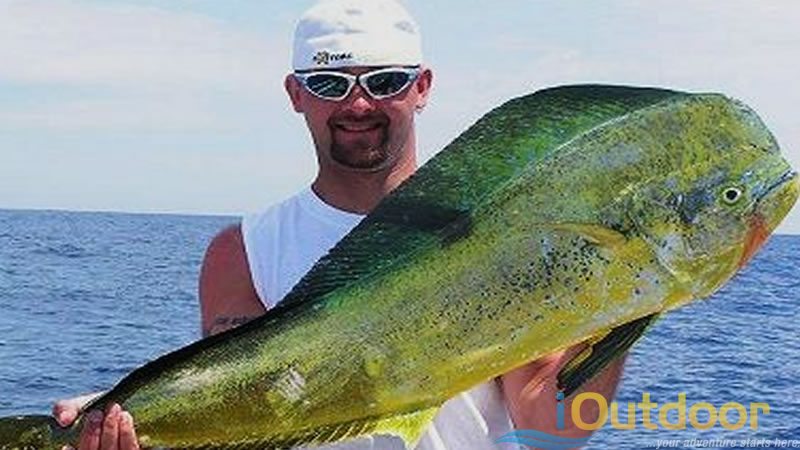 September is a great month to continue to search for that bull dolphin or mahi-mahi. The Gulf Stream is still bringing them through Miami and provides potentials for you to catch great numbers of them. You can also troll some wrecks for king fish during the month of September. Both species enjoy big baits. Stop by your local tackle shop and pick up some ballyhoo. We would also advise to never travel offshore without live bait. You can find schools of pilchards along the beaches or you can also pick up a dozen or two from your local tackle shop. Live bait comes in handy when you come across a large school of fish and want to load the boat quickly. Run out to the largest weed line or structure you can find and hold on for the fight of your life.
October through November bring about the first cold snaps of the year. When this occurs, it will change the way we approach and fish especially offshore. Colder waters and temperatures bring in the sailfish. Live bait is most certainly the most effective method in catching this bill fish. Fly a kite and get ready to have some fun as you watch a sailfish circle your live pilchard or goggle-eye. Get out on the water and determine which depth and location these sailfish are moving in. Keep an eye out for action in shallow depths and jumping sailfish. Don’t count out the king fish from sky-rocketing through the water to chase or eat your live bait.
Swordfish Fishing is also going to be excellent during these months. Whether you want to catch them during the daytime or nighttime is your preference but make sure you know the different techniques in order to do so. Each situation will call for different depths and equipment. Hop on board with a local expert and we can show you how to catch them in either day or night. 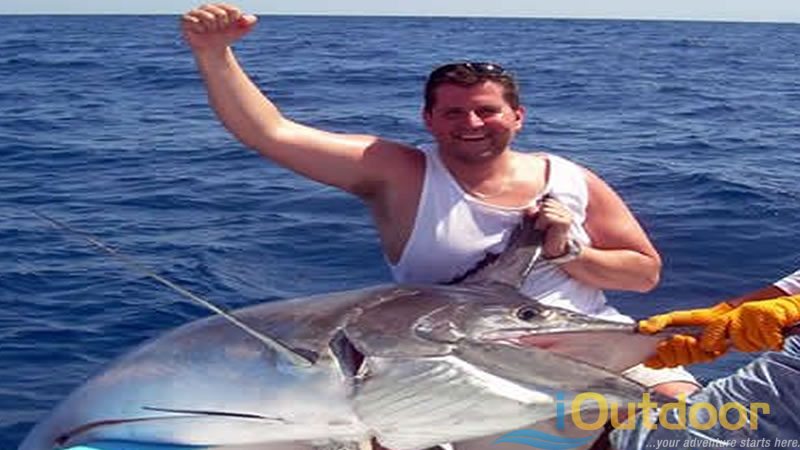
Don’t count out bottom fishing throughout these months. Your local reefs and wrecks will have endless species that you can catch. The main species would be snapper. Not only are they incredible fun to catch but they are most certainly a treat. Snapper is one of the most delicious bottom fish you can catch. Throw out a chicken rig with some deep or live bait and hold on for a great bite.
Your adventure starts when visiting Miami! Offshore fishing is going to be spectacular for an abundance of species. Don’t miss out on the action and take a break from the beaches and enjoy some beautiful weather in the deep blue sea. Feel free to contact us with any questions and we would be glad to help! We can get you in touch with our local experts.
To find out what will be biting during your trip, check out our Miami FL Fishing Calendar!
[fusion_builder_row_inner][fusion_builder_column_inner type=”1_2″ layout=”1_2″ last=”no” min_height=”” hover_type=”none” link=”” border_position=”all”][fusion_button link=”https://ioutdoor.com/fishing/deep-sea/florida/miami/” text_transform=”uppercase” title=”Plan Your Next Outdoor Vacation” target=”_self” link_attributes=”” alignment=”center” modal=”” hide_on_mobile=”small-visibility,medium-visibility,large-visibility” class=”” id=”” color=”blue” button_gradient_top_color=”” button_gradient_bottom_color=”” button_gradient_top_color_hover=”” button_gradient_bottom_color_hover=”” accent_color=”green” accent_hover_color=”” type=”” bevel_color=”” border_width=”3px” size=”small” stretch=”yes” shape=”pill” icon=”fa-ticket-alt fas” icon_position=”left” icon_divider=”no” animation_type=”flash” animation_direction=”left” animation_speed=”0.3″ animation_offset=”top-mid-of-view”]PLAN YOUR NEXT FISHING VACATION[/fusion_button]
Your Adventure Starts Today while Visiting Miami.
Don’t forget to follow us on Facebook, YouTube, Twitter and Instagram.
Fly Fishing, Backcountry Fishing, Bottom Fishing, Destin Fishing, Dolphin Fishing, Drift Fishing, Flats Fishing, Grouper Fishing, Inshore Fishing, iOutdoors Blog, Islamorada Fishing, Key West Fishing, Kite Fishing, Lobster Catching, Marlin Fishing, Miami Beach Fishing, Offshore Fishing, Permit Fishing, Redfish Fishing, Sail Fishing, Shark Fishing, Snapper Fishing, Snook Fishing, Sport Fishing, Sword Fishing, Tarpon Fishing, Trout Fishing, Tuna Fishing, Wahoo fishing, Wreck Fishing
What hook should you use for which fish?
Wow! Old as man itself but it can really be overwhelming when you start to choose a hook. Freshwater, saltwater, bait hooks,“J” hook, circle hook or live bait hooks. Hook choice is VERY important! As a general rule I judge the hook size I need to use as a function of the bait size I am using, not the size of the fish I am targeting. The fish I am targeting determines the bait size. I particularly prefer circle hooks- they virtually hook themselves and are very fish friendly in catch and release situations. Experience is the best teacher on hook selection- use the right hook for the right fish and type of fishing you are doing and be prepared have a selection of hooks at hand. One common mistake is using a hook that is to big. Imagine this – if I hook you in the arm with a small quarter size hook are you going to be able to get a way or are you going to follow me anywhere? A sharp point and a strong hook is much more important than the size. Except in the case of top water lures please consider twice before you use a treble hook- there is virtually no opportunity for catch and release using a treble hook and they are banned in many areas. Treble hooks are dangerous to fisherman as well- use them sparingly and only when you plan to kill and eat the fish. One very important rule: Even though a new hook seems sharp out of the package always, always sharpen your hooks before you use them and re-sharpen them often.
Fish hooks come in several types. Knowing a few of the more popular ones and their uses can help you be successful.
Which hook should you use for which fish?
 O’SHAUGHNESSY This hook is named for the specific design of the hook. It’s a standard hook, forged with a very strong bend. This hook is relatively thick, very strong, and not likely to bend out of shape. Generally designed for saltwater, it is good for general bottom fishing use. Sizes range from #3 to as large as 19/0.
 ABERDEEN These hooks, while primarily used in smaller sizes in freshwater, are also used by saltwater anglers. They are generally made from shaped wire. Unlike the O’Shaughnessy, it can and does bend. It can be bent back into shape several times before it becomes too weak. However, once a fish is hook and the barb has completely penetrated, this hook holds quite well. These hooks are modified with bends in their shanks for use in jig molds.
 CIRCLE Perhaps the best innovation in hooks to come along, circle hooks promote healthy catch and release. The design of the hook itself, when used properly, prevents fish from being hooked in the gut. Many anglers have a problem using these hooks because they require no hook set. If you do try to set the hook, it will generally come out of the mouth of the fish. These hooks are designed to move to the corner of the fish’s mouth and set themselves as the fish swims away from you. Anglers feel a bite and simply begin reeling, slowly at first, then faster as the hook gets set.
 LIVE BAIT These hooks generally have a shorter shank than other hooks. Whether that is to allow the live bait to swim more freely or to be less apparent to the fish is debatable. My vote is to allow the bait to swim more freely. These hooks come in regular and circle designs. Regular live bait hooks will be swallowed and result in gut hooks most of the time. Circle live bait hooks provide a greater chance for a good release.
 KAHLE The curve on these hooks makes them ideal for live bait. Made from the same wire as the Aberdeen hooks, they will bend if hung on the bottom of some structure. However, once a fish is hooked, the design of the hook prevents it from being straightened.
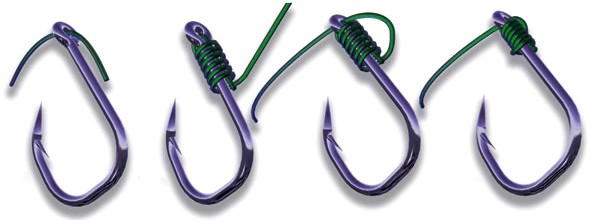
The Guide below provides an overview of the parts of a fishing hook. There are some common parts to all hooks. Those parts include the eye, shank, gap, point and barb. The variations on these characteristics result in dozens of hook styles.
Anatomy of a Hook
The Eye
The hook eye is the connection point to the fishing line or the body of lures. Ringed eyes are the most common. The metal is bent in a uniform loop and the end sits flush against the shank. Needle, looped and tapered are some other types of hook eyes, but they tend to be used for specific applications, like saltwater or dry flies.
The Shank
The shank is the length of the hook from the eye to where the bend starts. Shanks come in short, medium or long lengths. Short ones greatly reduce the size of the hook. Medium length shanks are the most common and used in an array of fishing situations. Long shanks can be used for live bait fishing where finesse isn’t critical, or to match a longer profile of an artificial bait.
The Gap
The gap is the size of the bend in a hook from the shank to its point. An average size gap will do in most situations, but sometimes a wide gap is needed. A wide gap is used for rigging thick-bodied baits to ensure that the hook point will be exposed on the hook set.
The Point
This is the tapered end of the hook. As its name suggests, it’s the sharp point that penetrates a fish’s mouth. The shape of the point will vary. Needle, knife edge, spear, or rolled ones are some examples. The most important thing, however, is that you keep your points sharp, so invest in a hook file and use it often. Quality hooks are packaged extremely sharp and will stay sharp longer than cheaper ones.
The Barb
The barb is designed to hold the hook in place once it penetrates the fish’s mouth. The larger the barb, the more difficult it is for the fish (and likely yourself) to get the hook free. Many catch and release anglers pinch barbs with pliers or file them down for easy hook removal.
Other Basic Hooks
 BAIT HOOKS come in a variety of styles. Most feature barbs on the shaft to hold bait in place. Longer shank hooks are good for teaching kids to fish, while shorter shank ones are often used in snells.
 TREBLE HOOKS feature three bends and points in one hook. Trebles provide more hooking potential to many artificial baits such as crankbaits, jerkbaits or topwaters. Bait anglers also use trebles. Cut bait for catfish or threading minnows for lake trout are two examples where trebles are regularly used.
 SIWASH HOOKS are quite strong and have a long shank and point. These hooks have a straight eye so they sit properly on lures. Siwash hooks are often used on single-hook baits, such as spinnerbaits. I also use them sometimes to replace factory-provided treble hooks on certain baits, especially spoons.

JIG HOOKS are designed to sit in specific jig molds. They feature a bend just below the hook eye, with a 90-degree bend being the most common. Pouring your own jigs can save you money and be a fun winter hobby to gear up for the next season
![Offshore – Deep Sea Fishing – What to Bring]()
Bottom Fishing, Charter Head Boat, Fly Fishing, Grouper Fishing, iOutdoors Blog, Marlin Fishing, Offshore Fishing, Party Boat Fishing, Sail Fishing, Shark Fishing, Sword Fishing, Tarpon Fishing, Tuna Fishing
Offshore Fishing – What to Bring
 No matter how good your fishing skills are, sometimes, they are not simply enough to get that trophy catch. To assist you in this endeavor, fishing tackles can be used, which can highly improve your chances of snagging your dream blue marlin or bluefin tuna.
Fishing tackles, also known as “fishing gear”, are the physical equipment’s needed when fishing. Almost all gears and equipment’s used in fishing can be called fishing tackles from terminal tackles such as hooks to lines, sinkers, reels and rods to name a few. Because of their number, it is impossible for you to bring all of them in an offshore fishing trip. So that you will not over pack or leave anything essential, here are the top ten fishing tackles to use for offshore fishing, which can serve as your guide in packing.
- Fishing rod. The fishing rod is the most important fishing tackle you will ever need for offshore fishing. In choosing your fishing rod, make sure that its weight and length are perfect for you so that you will still remain comfortable using it despite hours of fishing.
- Fish Hook. Hooks are the devices that impale the fish in the mouth or body. During every fishing opportunity, make it sure to bring hooks in different sizes and styles so you’ll have plenty to choose from.
- Fishing line. A fishing line is a cord used in angling, its end being where the hook is attached. Important factors in choosing your fishing line are: length, weight and material. Remember that they must be tough enough to resist offshore fishes.
- Fishing sinker. A sinker is device which weight is used to improve casting distance and the speed of sink of the bait.
- Fishing reel. Reels are devices used together with a fishing rod to allow the deployment and recovery of a fishing line with the use of a spool supported by an axle.
- Fishing bait. Baits or lures, whether natural or artificial, can also make or break your fishing expedition. Choose your bait depending on the type of fish you would like to catch.
- Net. A net can be handy to secure a fish already caught because it would be agonizing to lose a prize catch at your feet.
- Tackle box. Of course, with the number of your fishing tackles, it would be easy to damage them, or worse, misplace or lose them. Thus, it is always wise to bring a tackle box where you can keep your fishing equipment’s, gears, accessories and baits.
- Fishing basket or cooler. Having caught a prize fish, of course, you’ll need a fishing basket or cooler where to store them.
- Right Fishing Outfit. Although most people who go fishing are keen on their fishing equipment’s and gears, they rarely think about their outfit. For practicability, make it sure that you wear comfortable clothes, fishing boots or waders if you intent to stand in the riverbank fishing, fishing vest with utility pockets, and a fishing hat to keep you protected from the rays of the sun.
You should Read this blog: Why Deep-Sea Fishing Should Be In Your 2021 Fishing Trip List
Bass Fishing, Grouper Fishing, iOutdoors Blog, Marlin Fishing, Shark Fishing, Sword Fishing, Tuna Fishing
Redfish:
Redfish are one of the most popular backcountry and flats game fish. Redfish will take a wide variety of flies, lures, and top water plugs. This makes Redfish are one of the most sought after fish by light tackle anglers. They are one of the hardest fighting fish on the grass flats. Because of this reputation and the fact that they spend most of the year in shallow water they are a great fish to sight fish with light spinning tackle or fly rod!
Snook:
Snook mania! Why Snook are so popular no one knows but it is one fish that has fans every wher. Snook are seasonal in Florida waters, are a tasty treat and are very ellusive. The can be found in inlets, backcountry mangroves and flats. Snook on light tackle and fly rod are a favorite methode for serious anglers. Snook like live bait best like shrimp, crabs and fingerlings but will take artificials and flies.
Trout:
Speckled trout are a river, backwater and flats favorite. They are good eating and are fun to catch on live shrimp under a popper cork. Speckled trout also respond well to buck tails jigs anytime and surface lures in the mornings. Drift fishing across a grass flat free lining live shrimp make the best day trout fishing there is on the water!
Permit:
Permit are among the hardest fighting fish, pound for pound, and can be found throughout Florida’s salt waters. They can grow over thirty pounds and are a sought out by light tackle specialist. Permit eat small crustaceans like shrimp, crab and sand fleas. The permit, is a relative of the Jacks and relatively a common catch from wreck fishing in South Florida. Few sights on the flats are more exciting than the tail of a tailing Permit extending a foot out of the water in search of food.
Tarpon:
Tarpon are one of the most exciting and sought after game fish to be found anywhere! They can grow to immense size and are light tackle and fly favorites. There are tarpon tournaments held in several key spots on Florida’s coast during special times of the year. The Tarpon is one of the most remarkable sport fish in the world, when hooked they perform acrobatic jumps which defy belief. Spin or fly casting with lures or live bait (crabs or shrimp) and big flies are effective ways to catch Tarpon. Tarpon are generally cooperative eaters, but their bony jaws make it hard to maintain a hook up, the result is that many fish throw the hook after a few jumps.
Dolphin:
Dolphin, Mahi Mahi, Dorado. Whatever the name, the dolphin is a mainstay of offshore game species. They have a tremendous growth rate and make excellent table fare. They are primarily fished by the trolling method with artificial baits. Dolphin are a pelagic striking fish, if you get into a school you may be able to make your days catch in one sitting. Dolphin are acrobatic fighters that can make your day both in the boat and at the dinner table; Dolphin like pink and red and blue and white trolling skirts over fresh ballyhoo.
Marlin:
The Marlin is perhaps the best known of the offshore fighting billfish next to the sailfish, the differance is you can catch marlin over several hundreds of pounds- the largest are over a thousand pounds. There are several species of marlin, the black, the white, the blue and the stripped. These are heavy duty warriers that take special gear and large artificial or natural baits. A marlin catch is a lifetime accomplishment and to be envied by every angler. Marlin are found in nearly every ocean worldwide. Marlin fishing is strickly a catch and release proposition!
Cobia:
Cobia are a very tasty dish! They are migratory and like to hang out with manta rays, when the rays appear cobia are not far behind. Cobia will respond to lures thrown tipped with bally hoo and are primarily sight fished from the tower of an ocean going boat. Cobia can become very large and they are an obstinate pray- they can really put up a bulldog fight!
Barracuda:
The barracuda is one of the most underappreciated game fish in Florida. They are big (up to 5 feet and 65 pounds), they run and they jump like the most favorite of our game fish and can be found anywhere in Florida’s saltwater.. The barracuda is plentiful and fishing for them in water depths of 3 to 5 feet, with their explosive strikes is a thrill one won’t forget. They can be persuaded to take a fly and are equally unable to risk a tube lure on a spinning rig. Barracuda are plentiful and are an amazing acrobat when hooked!
Grouper:
There are many verities of grouper and most are tasty and delicious! Grouper are a bottom species that like live bait offerings and can put up a tremendous fight. In hooking and catching grouper it is primarily important in the first moments of battle to get the fish out of the vicinity of his home- be it a wreck, reef or other structure, if you do not- they will cut you off for sure! Certain species of grouper, the Goliath or Jew fish, can grow to over six hundred pounds, this species is protected from kill fishing but is an amazing thrill to catch and release. Grouper are found liberally in all Florida salt waters both inshore and offshore.
Snapper:
Snapper are one of Florida’s most sought after and tasty bottom species. There are a number of snapper varieties and all are good to eat. It takes special tackle and technique to catch these wary fish, they are very sensitive to terminal tackle and presentation of bait; fluorocarbon leaders are important part of your presentation. Snapper like shrimp, crab and other small crustaceans. Snapper like bottom cover like reefs, wrecks and other structure and can be found in all Florida saltwater bodies.
Bonefish:
Bonefish are one of the most popular sport fish on the flats. More has been written about bone fishing that almost any another light tackle species. Sight fishing for bonefish is the most popular method and is incomparable on light tackle and fly. The Keys are home to the largest bonefish species in the world. Bonefish are found on sand and grass flats on both the Ocean (Florida Straits) and Gulf (Florida Bay) sides of the Keys in water as shallow as a few inches. Bonefish feed on small crustaceans like crabs and shrimp. For a thrill of a lifetime go bone fishing!!
Sailfish:
Atlantic Sailfish. The Sailfish is a species beloved by the fisherman and captain alike, they provide endless opportunities to experience the thrill of catching a bill fish. These fish are acrobatic and present themselves at trolled bait with bill noodling in the air behind the bait, then striking with a slash and run! This is strictly a catch and release fishery and sailfish catches in an organized tournament can run in the dozens per boat. Sails are caught by kite, light spinning tackle, on fly and stand up rod and real. Truly a great game fish and most anglers’ first time bill fish. They will eat any trolled ballyhoo with or without a skirt.
Wahoo:
The don’t call it a Wahoo for nothing! When this top predator takes your bait you will know it there is no doubt about it. The first run is a reel screamer- sorry for the pun- but it is true! Wahoo are delicious on the plate and amazing underwater athletes, they seldom jump like other species but they can burn the line off of a reel and put the fear of God in any angler! Wahoo like dark lures trolled at high speed- eight to twelve knots in fact. They are a toothy critter and need to be respected when brought on board; they can weigh up to one hundred pounds.
Kingfish:
The kingfish is the poor man’s Wahoo; they have saved the day on many a charter. Kingfish are an aggressive pelagic species and love trolled bait or a pinfish drifted along the beach rigged with a circle hook and a trailing stinger treble. These guys can be single heavy weights up to 70 pounds but usually run in schools of twenty to thirty pound fish. Steaked, seasoned with Italian dressing and then grilled these fish can be tasty fare. Don’t miss out on the fun, kingfish are common to all Florida waters and should be on your fun list.
Swordfish:
Night time sword fishing has become one of the most popular offshore fishing adventures south Florida has to offer. These are mysterious looking bill fish that live in the deep waters of both the Atlantic and Gulf waters. They can grow to enormous size and love squid and are fished with a luminescence chemical light attached near the bait and at great depths. At least once in your fishing career you should experience night time sword fishing!


 Long shanks can be used for live bait fishing where finesse isn’t critical, or to match a longer profile of an artificial bait.


 No matter how good your