Offshore Fishing, Bottom Fishing, Charter Head Boat, Drift Fishing, iOutdoors Blog, Shark Fishing, Wreck Fishing
Chumming, Who, What, How, Where, and When to do it?
What does “chum the waters” mean?
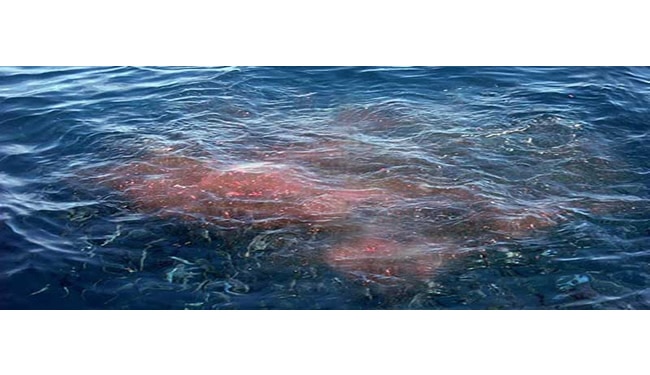
 There are plenty of meanings for chumming or “chum the waters”, but it all depends on the context. The expression may be used to mean “churn the waters” or to make the waters muddy. It also used to indicate that someone got sick on the trip and threw up on the waters. Bird enthusiasts often “chum the waters” by dumping fish to attract seagulls and other sea birds that they, then, try to identify.
Still, in the world of fishing, “chum the waters” or chumming means dumping bait or something into the waters to attract fish. What to dump in the water largely depends on what species you are trying to attract. Though theoretically, any type of bait or fish that you dump into the saltwater will surely attract many fish species – or the fish that you had lured to the chum will attract bigger fish, the ones that you wanted to land. Well, it is often a win-win situation.
What is chumming for sharks?
Chumming simply brings sharks closer that would otherwise not be in the area in proximity to people in the water? Does the chumming alter shark behavior in any significant way? If you are targeting sharks, use a bloody fish. Sharks have a very keen sense of smell so that they could smell blood no matter how diluted it might be.
Unlike the other fish species, sharks aren’t going to congregate on the surface, and spend time cavorting in the same area month after month. Sharks need a little incentive to show up at the boat side. By applying chumming techniques to your fishing arsenal you can lure sharks to your fishing grounds. By tossing the sharks chum, you can keep them in the area for hours. There are certain species of sharks that will readily come to your boat and stay close by. Other sharks like the mako, porbeagle, and thresher a much smarter. They can get lured in and will come very close, but remain at the boat for a few minutes, quickly leaving to get to a safe zone.
What is chumming the water?
There are many different techniques and devices used to be placed in the water. The simplest is throwing it directly into the waters but if you want to make it last longer, you might want to use a perforated bucket attached to a rope that will tug the bucket along as the boat moves. You can also use a mesh bag – and cage, if you are trolling for sharks.
Grinding it up is also a good idea, though you might still want to add in a few pieces of cut fish. So, what does chumming it up mean? It’s when you use dead bait, old fish carcass, and grid or cut it up in many small pieces. Mixed thoroughly, with added fish remains and blood you are ready and go “chum the waters”.
Why is chumming bad?
Each individual situation is different. It depends on the location your chumming? the species you are chumming? and the amount you are chumming? All these can lead to reasons to answer, “why is chumming bad?” or even “when is chumming bad.” Massive amounts in any area are mot good for the environment of the local species. It also provides a high level of aggression to all fish feeding in the area.
Based on the species and location, it can lead to a chain of feeding attacks. Smaller fish feeding on the chum, attract large fish which then feed on them creating a cycle up the food chain until you reach the top which could be sharks. As to how much chumming is bad, it always going to be a decision that needs to be measured locally based on the gathering of information.
Where is chumming illegal?
Where is chumming illegal? Why chumming is legal widely around the world, but in some places, it has become illegal. In the United States, several different states are treating this differently. The state of Alabama is treating it as a danger. Solely based on the pose conditioning it associates with sharks when feeding. And that residents could swim in the same waters. Florida FWC also put forth regulation, but ones that obviously had more thought put into it. Florida also made it illegal when shark fishing, but only when fishing for any species from the beach.
Where is chumming legal?
Chumming is a common practice seen as effective by fishermen all over the world, typically used in ocean waters. Florida looked at all the restrictions for this and decided that it is a safe widely spread used and that based on the science that was no reason to make it illegal. Mainly because many of the areas fished have vast barren sandy bottom structure around Florida. Most of the state views it as a necessity and common practice. The new ruling went into effect on July 1, 2019
Offshore Fishing:
Offshore fishing is the most relevant place to use chum. Chumming the waters can be done in a multitude of ways. Most common, with bags, buckets, or chunking it out there are all excellent ways to attract fish. The use of frozen sardines or your own recipe can be effective. Play around with either and head to your local tackle shop to get all the supplies you need. Local experts come ready to the waters and get you on that fish of a lifetime!

iOutdoors Blog, Bottom Fishing, Grouper Fishing, Redfish Fishing, Tuna Fishing
The Best Tasting fish
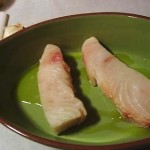 Taste, of course, is a matter of personal preference. Something that tastes delicious to one person may not be tasty to another. Still, there are those that are thought delicious by most people. The following are some saltwater species that a lot of people think are the best-tasting fish. Let’s not forget the cleaning, which is equally a big part of the overall taste.
This fish is highly regarded by many gourmets. The Wahoo known by many has meat that is white and delicate, delicious no matter how it is cooked.
Mahi Mahi or Dolphin Fish
Fondly called the “chicken of the sea”, this fish can be cooked in many ways. A lot of people consider this a favorite.
This is another favorite – it can be raw wherein it is soft and juicy and can be cooked in several ways, such as fried or in soup, wherein the meat is flaky and delicious.
Monk Fish
With tail meat that tastes like lobster, this fish is considered the “poor man’s lobster”. Although the fish, itself, does not look appealing, its meat is so delicious that many people consider this a favorite.
Halibut has low-fat content and is so delicious that it still tastes wonderful even with a little seasoning. This fish is often broiled, grilled, or fried.
Cod
A common ingredient in “fish and chips”, the meat of this fish is moist and flaky. Its liver is also considered a delicacy.
Salmon
This is among the most popular fish – raw, smoked, or cooked. Aside from having delicious meat, this fish is also favored because of its high nutritional value.
Most of the tuna species have delicious meat, high nutritional value, and delicious even when canned.
Snook
While it is one of the more popular sport fish, it does have a harvest in a window in most locations. Despite the aggression of the Snook, the white flaky meat is one of a favorite for many anglers.
Flounder
Not only is it one of the weirdest looking fish in the ocean it’s also one of the tastiest. The flat body lends it perfectly too cooking, just prepare it with a little lemon butter and/or fry it up and you’re in business.
Bottom Fishing, Charter Head Boat, Drift Fishing, iOutdoors Blog, Offshore Fishing, Party Boat Fishing
What is AMBERJACK?
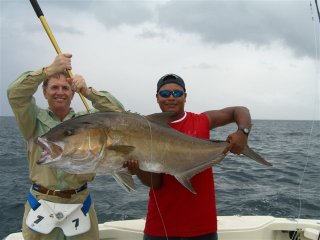
Amberjack is the collective name of the species of fishes that belong to the genus Seriola of the Carangidae family. This bony fish is also called other names such as Amberfish and Carangidae. There are about 140 recognized individual species of Amberjacks, but in the Atlantic Ocean, there are three known common species that are sought after by recreational anglers – the Greater amberjacks, Lesser amberjacks, and Banded rudderfish.
Characteristics
This fish has a wide range of sizes from 10 inches to 6 feet. It also can weight from 1 pound to 100 pounds. The largest Amberjack is the Greater Amberjack, which is also the biggest in the jack family. It generally has a silver color though this is not the case with other Amberjack species. Other species have tints of blue, lavender, olive green and pink, and gold. However, most if not all of these species have a silver-white belly with a darker colored stripe beginning from the nose to the dorsal fin.
Habitat and Eating Patterns
Amberjacks, along with the other members of the Jack family thrive in tropical and subtropical areas especially in the Atlantic Ocean including Florida and the Gulf coast. They forage over debris, rocky reefs, and wrecks in small groups. Normally, they follow schools of smaller fishes over lengthy distances to feed. Other food sources of this fish include squid, crabs, shrimps, and other crustaceans.
Fishing Tips
Many variations of Amberjacks are caught by commercial fishermen with the use of long lines. They are also caught jigging the reefs and wrecks offshore. It is a powerful fish which behavior is characterized by slow and continuous pulls that could go on for minutes without breaks in between. Although it would be nice to get a trophy worth Amberjack, those weighing 15 pounds or less nevertheless are the best to eat.

Bottom Fishing, iOutdoors Blog
Best Bait for Bottom Fishing in Florida
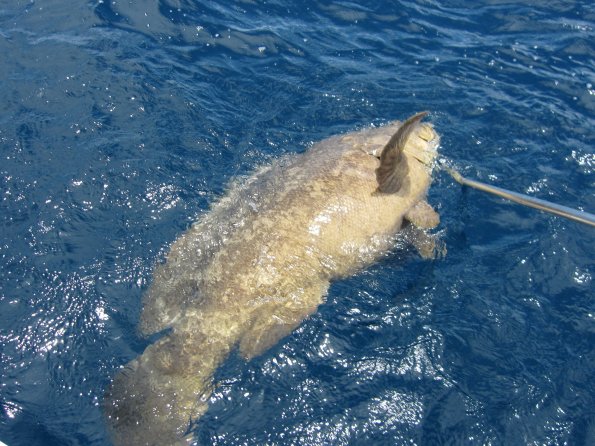
Bottom fishing is the process of fishing for bottom fish. In the UK, it is called ‘lingering’. Bottom rigs are commonly used for bottom fishing. These rigs use a weight that will keep the line on the bottom of the water while using a bait. The weight on these bottom rigs can also be helpful with casting the line to the appropriate distance.
Traditional bottom fishing is done using cut bait on a multiple hook “chicken rig”, or a single large cut or live bait on a Carolina rig or fish finder rig. Simply drift, anchor, or power drift over some structure. When doing so, try to fish as a straight up and down as much as possible. It is a good idea to keep a flat line or 2 from the back of the boat for surface bites that you may encounter. Always have a jig or a live bait rod ready in case a prying cobia swims up behind the boat. Jigging with metal vertical jigs, bucktails, or plastic baits can be very effective. It allows for less clutter and will allow you to cover more water.
What Bottom Techniques?
To get the best of your bottom rig, you need to find the right kind of bait. There are many baits and bait types available to you. It is a good idea to look for a bait that will fit the kinds of fish you want to hook.
Before we move on to the different kinds of fish used as bait, let us look at the two different bait types you can use. The first would be dead bait. Dead bait involves the use of cut-up fish. This bait attracts bottom feeders well. The second type of bait used is live bait. Live bait makes use of a whole fish. It’s intended to allow room for movement in the water like real prey fish would. It is an ideal bait for bottom fishes that love to go after live prey.
Species caught while Bottom Fishing
We talked about the best baits for bottom fishing in Florida, now let’s discuss the fish that are commonly used in bottom fishing include suckerfish, bream, catfish, and crappies. You can also use fish like cut up ladyfish if you are going to be angling for grouper using dead bait. Another great idea is to use croakers when fishing. Croaker, like ladyfish, would be great for groupers.

Bottom Fishing, iOutdoors Blog
Best Grub for Bottom Fishing
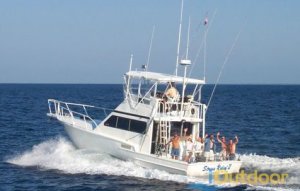
First of all, bottom fishing is not about fishing for bottoms. Rather, it refers to fishing the bottom of a body of water. Bottom fishing can be done in freshwater bodies such as lakes or in saltwater such as the sea. In Florida, the most popular type of bottom fishing is saltwater bottom fishing.
What Types of Fish can be Caught?
This is where bottom fishing differs from trolling in Saltwater. In trolling, fishermen will often catch barracuda, tuna, sailfish, or even shark, those that usually swim in higher depths underwater. Bottom fishing will get fishermen catches such as red snapper or grouper, typical fishes that feed at the bottom of the water.
Artificial and Natural Bait
There is no argument in the choice of using artificial grub or natural bait when it comes to bottom fishing. Bottom feeders are attracted to natural bait. These baits may not be whole, living fish, as long as they are natural.
Live bait plays an important role in fishing. Good baits for saltwater bottom fishing include sea worms, eels, crabs, shrimp, squids, and cut baits. Any caught fish can be used to make cut bait, and for best results, the fish must be a prep to leave the scale on. The success of bottom fishing also lies in knowing what types of fish are attracted to which type of bait. Sea trout, bluefish, and sailfish are some of the fishes that are attracted to cut bait. The shrimp may deliver a higher success rate as bait than others because shrimp is the favorite meal of saltwater fish. The trick is preparing shrimp for bait is that it has to be hooked so that it remains life.
In Conclusion
The best bait does not lie in its being expensive, rather the success of bait depends on how it is baited and prepared for bottom fishing. It is also important to remember that in some states, there are regulations on which types of baits are allowed. Some baits are not allowed because to do so might ruin the general fishing population already present; this especially applies to freshwater bottom fishing.

iOutdoors Blog, Bass Fishing, Bottom Fishing, Butler Chain, Cape Canaveral Fishing, Central Florida Fishing, Inshore Fishing, Kissimmee Fishing, Largemouth Bass, Offshore Fishing, Snook Fishing
Central Florida Fishing Report
It is not every day that you get the chance to go on vacation or even fishing. You are traveling down to Central Florida and a thought pops in your head: how’s the fishing doing? Central Florida Fishing in September has already been fantastic and is only getting better. Below we provide you an inside look at how the bite is and where it is going. Our local experts are your eyes on the water and we want to help you plan that adventure you are after. We hope this September Central Florida Fishing Report helps you along the way.
Whether you want to explore freshwater fishing or saltwater fishing in Florida, our local experts are the way to go. Fishing in Florida, in general, is an activity everyone can partake in but it’s not an activity everyone has success in. What many anglers fail to realize is that in order to have daily success on the water, you have to be on the water daily. So, when you are traveling to Central Florida and want to go fishing, make sure you get out with an expert that is dialed in on the action.
Before getting into the fishing report and Florida fishing update for this month, we would like to break down your opportunities. When it comes to Central Florida Fishing, you have several different options. You can embark on a freshwater fishing adventure or a saltwater fishing adventure. Freshwater fishing consists of largemouth bass fishing on the Butler Chain of Lakes or the Kissimmee Chain of Lakes. Both of these locations are fantastic all year long. You also have saltwater fishing options on the east and west coast. The closest location would be the east coast out of Cape Canaveral but you can access the west coast as well out of Tampa, FL.
One of the best parts about adventuring with our professionals and service is what we strive to provide you the best experience. We do not want to put you in a destination that will not meet your needs or your families needs. Most of our captains, guides, and experts are flexible not only with their time but where they fish. Our hopes are that when planning your next vacation, this could be a guide for you at picking your next adventure!
A yearly phenomenon is occurring as we speak along the east coast of Florida. It is something called the Mullet Run. Whether you love inshore fishing or offshore fishing, mullet is a great sign. Inshore Fishing in Florida is where it truly shines. The mullet run the beach and get inside the inlets providing some exceptional visual fishing for snook and tarpon among other species. If you want to hit the mullet run and have a great time, now is the time to go fishing!
Central Florida Inshore Fishing
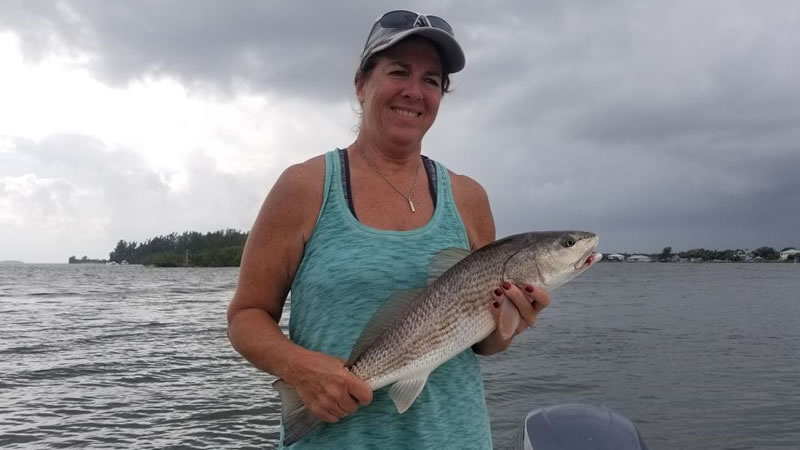 According to Local Expert and Professional Captain Devin Dickerson, saltwater fishing on the east coast has been on fire. The intercoastal waterways along with bridges have been attracting a variety of different species. Cape Canaveral Inshore Fishing is great for new anglers and those looking to catch numbers of fish. This destination will also challenge the experienced angler that is dialed in. Every fishing trip and charter should be a learning experience and a test on your knowledge. Luckily, you have an expert there present to help you along the way.
Are you one that gets seasick or don’t even want to take the chance? Inshore fishing is an exceptional option for you as you will never have to worry about seasickness. The calm nature of the inshore waters allows you to sit back and enjoy a day on the water with no worries. This is why when looking for a relaxing saltwater environment, inshore fishing is there for you. Inshore fishing also is a great opportunity to learn a new technique or catch a different species. You never know what passion comes from catch Snook, Redfish, Tarpon, Snapper, Flounder, and more on your fishing trip.
Captain Devin Dickerson has been taking out several clients and travelers inshore fishing out of Cape Canaveral. We are seeing great catches from mangrove snapper and flounder. As the mullet continue to get strong, big catches from Tarpon, Snook, and even Trout will pick up. Early September is just the start of some excellent late summer fishing. The upcoming months are going to be prime to land a hard-fighting inshore species in this Central Florida Fishing Report.
September is a great month to go inshore fishing for many reasons. Snook Season is most certainly one of them. September 1st opened up harvest season for Snook Fishing in Florida. You are allowed to keep 1 fish per day within 28-32” on the east coast with a valid Snook stamp and license. Go to myFWC.com to find out more information on the rules and regulations of fishing before embarking on your adventure. When you hop on board, your local expert will know all the regulations as well. Feel free to ask any questions. Please support conservation by purchasing the proper licenses along with abiding by the laws.
Central Florida Fishing Report for Offshore/Deep Sea Fishing
If you’re the one that wants to cruise offshore and into the deep blue sea, Cape Canaveral Deep Sea Fishing is a great way to do so. When it comes to Offshore Fishing in Cape Canaveral, you have two different styles of fishing: Bottom Fishing and Trolling. These two different styles yield different action and species. Deep-Sea Fishing can be fun as you can change it up and catch a multitude of species on one trip. If you can bear the seas, spend as much time as possible on the water.
Deep-Sea Fishing provide a unique perspective of Central Florida. It is amazing to be able to travel offshore and catch fish with the sight of land. This style of fishing can provide some delicious species to catch-and-cook. After finalizing your reservation to go deep-sea fishing, make sure to contact your local expert and discuss your fishing goals. They will make sure to make the right decisions to help get you on the species you are after.
Right now, both bottom fishing and trolling are red hot. We want to highlight the bottom fishing for red snapper during this month. One cool part about fishing Cape Canaveral is that you don’t have to run super far to get on fish. Wrecks and Reefs close to Cape Canaveral has allowed for exciting fishing and action within a short distance.
Our Local Expert and Captain Mark Gay is an exceptional guide for inshore and deep-sea fishing. He reports that the bottom fishing for red snapper is exceptional right now. After by-catching hungry sharks on the wrecks, Captain Mark started hooking into some really nice snapper. The whole month of September will be a great month for bottom fishing here in Central Florida. 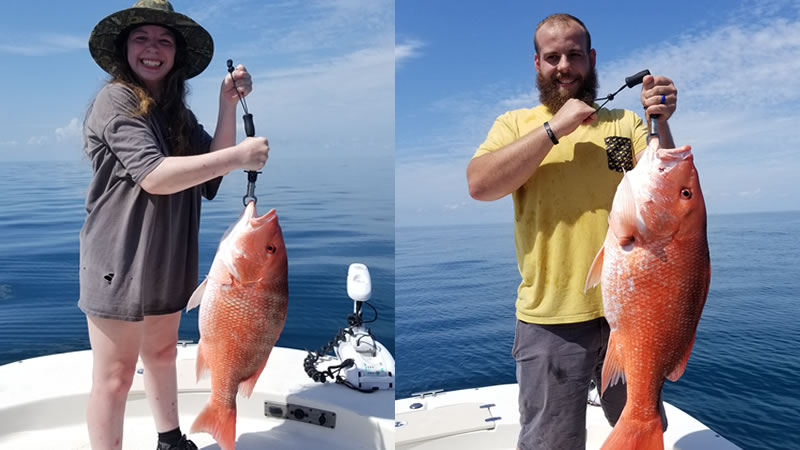
When the seas are calm, Captain Mark travels out to local and close-to-shore reefs that hold some awesome fishing. Summertime is a great time to go offshore because most of the time, the seas are calm. Winds are light and the breeze keeps the day cooler than it would be without wind. Luckily, when this happens Captain Mark can get offshore to his local spots for monster Red Snapper. As a result, he can put you on some awesome fish.
If you want to stay constantly moving, trolling may be a great bet for you. Late summer months like this one, call for sight-fishing offshore. Cruise out with Local Expert and Professional Captain Jacob Weston to get on some healthy offshore or deep-sea species. Right now is a slower month for offshore trolling but you can have fun catching King Mackerel and Bonita. Don’t be afraid to ask to drop a bait on a wreck or reef further offshore for some Amberjack and more.
Factors that Increase Success Deep Sea Fishing:
A constant variable to having success when trolling or sight-fishing is that you have to find one of two things: Structure or Birds. In order to capitalize on your trolling trip, you have to be on the lookout for structure. The structure can include floating wood or debris, sargasm lines, or anything that will attract fish. This structure naturally provides a place for smaller fish to hide and feed, which makes the bigger fish attracted to it. If you spot something like this in the distance, be sure to shut down super early and get everything ready before pursuing further. Luckily, your local expert will know exactly what to do.
Another offshore or deep sea variable to success is birds. Birds will give you clues to where the bait is. Bait is an integral factor in having success. If you find the bait, you will find the fish. See what happens is the fish push the bait to the surface and the birds push the bait down and as a result, you get a feeding frenzy. Throw cut bait, live bait, lures, a troll by it, etc for success during this frenzy.
Deep-Sea Fishing is a great option for those looking for the largest catch possible. During the right times of the year, you can have a lot of success catching some big fish. September is a transition period and it would be best to talk directly with a local expert to determine if going far offshore is the right option for you. Don’t forget, here at iOutdoor, we strive to put you on the best trip for your needs and your families needs.
Central Florida Bass Fishing
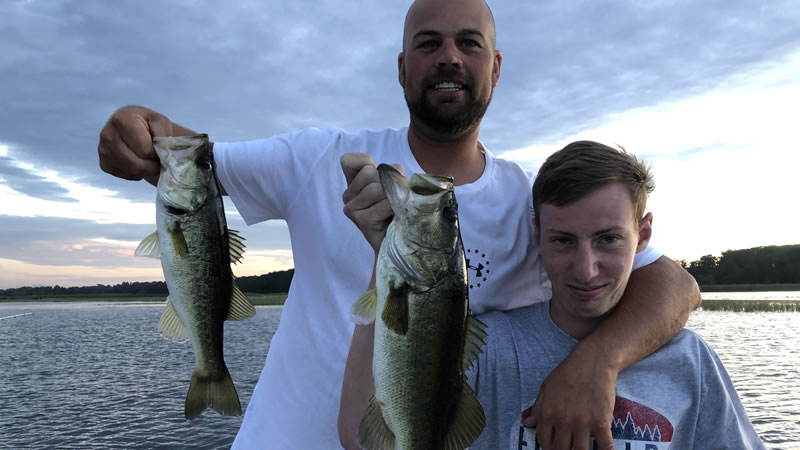 Now if you are looking for the most incredible outdoor experience in Central Florida, don’t look any further than Freshwater Bass Fishing. Central Florida is home to a massive amount of freshwater lake systems that hold beyond exceptional fishing all year long. Big or small, urban or remote, Central Florida is your destination for bass fishing in Florida.
The top 2 bass fishing destinations in Central Florida is the Kissimmee Chain of Lakes along with the Butler Chain of Lakes in this Central Florida Fishing Report. These two locations can bring you great success when looking for Florida largemouth bass. Each time of the year will bring about different fishing conditions and every year they change, which is one of the many reasons that a local expert is essential.
Our local experts and professional Captains have over 20 years of fishing right here in Central Florida. Captain John Leech and Captain Steve Niemoeller are both two exceptional guides to get you on the fish of a lifetime. As well, Captain Devin and Captain Mark also fish for largemouth bass on our fisheries. We have you covered when it comes to fishing here in Central Florida. Collectively, they all work together to put some beautiful fish in the boat for you.
The key benefit to freshwater fishing is that very rarely do you have conditions that impede your fishing trip. Florida weather passes rather quickly. Never let rain come in the way from a great day on the water. Most of your local experts will have rain gear on board for you. Windy conditions can play a different factor but many of our fisheries have areas with protected cover. Light winds will help push bait into pockets which will get the fish schooled up.
So, let’s talk fishing! The Butler Chain of Lakes is a truly unique fishery from the rest. This urban chain of lakes is surrounded by multi-million dollar homes that really enhance your fishing experience. As well, the Butler Chain has numbers of different birds and wildlife that you will get the opportunity to see. Butler is not characterized by trophy largemouth bass but count it out for producing some nice catches.
Butler Chain Fishing Report:
Captain Steve Niemoeller had the pleasure of fishing with Chris on the Butler Chain of Lakes. He was traveling from England looking to explore more of what Central Florida has to offer. After spending some time with his family at Disney, getting on the water was a must. Captain Steve suggested the Butler Chain in Orlando, FL and off they went.
It was a quick 4-hour fishing charter, but the action was hot and heavy. Chris landed over 15 Central FL largemouth on this trip. The biggest fish came in at 7.1 pounds and it was absolutely amazing. Check out this video to see the full action and potential of what the Butler Chain can offer you. 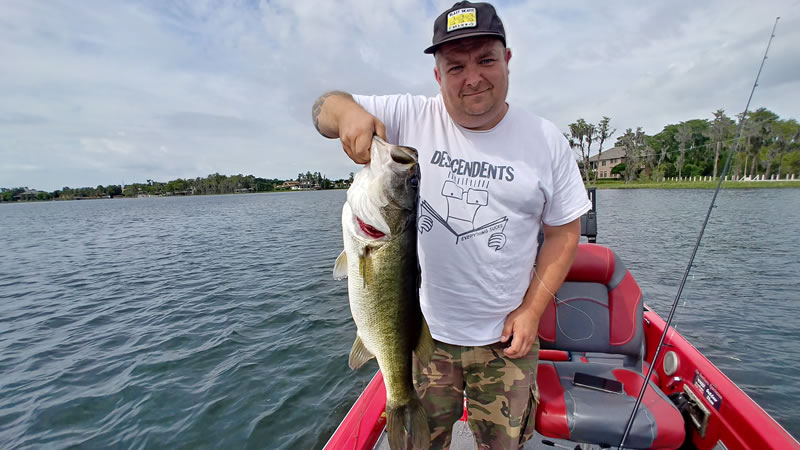
Captain Devin Dickerson also has been out Central Florida fishing. Generally this is what he has to say: “ Bass fishing is getting better. Early morning bites are the best. The bite dies down by 10 AM or 11 AM. Find moving waters or cover to help get the bass to the boat.” If you can get out during the early morning hours, you can see some success catching bass on topwater baits or live bait.
Melvin had the opportunity to explore the Butler Chain of Lakes as well. Captain Devin had the pleasure of fishing with him. Melvin was traveling from Georgia looking to cash in on some Florida bass fishing. While doing so, he landed over 20 Florida bass with the biggest weighing over 6-pounds. This was the exact reason why Melvin wanted to come fishing and Captain Devin made it happen for him. Captain Devin is looking forward to getting back out on the water again with him soon!
Lake Toho Bass Fishing Report:
Check out this updated report for September Lake Toho Fishing Charters here! The bite has been strong on Lake Toho. Lake Toho Bass Fishing expert and Captain Brent Nelson bring you some awesome catches. If you have a family or friends that want to catch fish in Central Florida, our experts will get you on them. Lake Toho has been a strong fishery for us during these summer 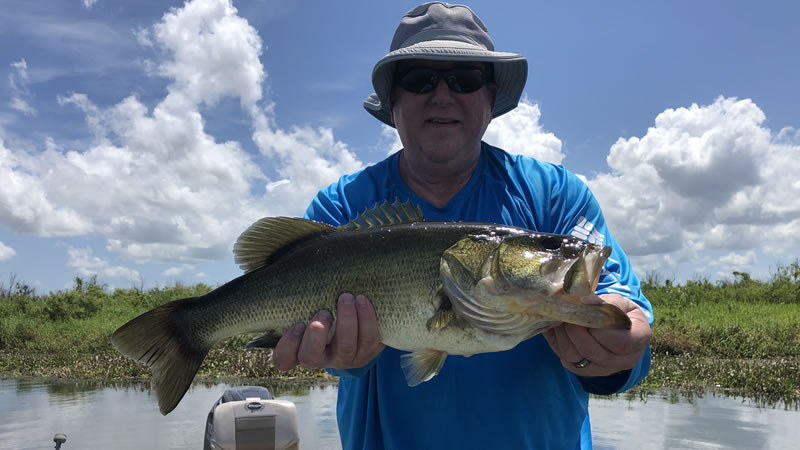 months, especially in September. We hope you get the chance to experience it!
Conclusion:
We hope you got some information out of this Central Florida Fishing Report. It is not every day that you get the chance to go explore what Central Florida has to offer and some guidance can always help. An outdoor activity can really help bring value to your trip and experience. We are always here to answer any questions and help you plan your next fishing adventure. Booking your trip is easy, especially with our 24/7 Online Booking. If you have any questions prior to booking, contact us via Messenger, WhatsApp, Email, or over the phone at 1-888-412-1117. All questions are acceptable!
Your Adventure Starts Today while Visiting Central Florida.
If you enjoyed this post about Florida Fishing, you might also enjoy our Fishing Blogs.
Don’t forget to follow us on Facebook, YouTube, Twitter and Instagram.

 There are plenty of meanings for chumming or “chum the waters”, but it all depends on the context. The expression may be used to mean “churn the waters” or to make the waters muddy. It also used to indicate that someone got sick on the trip and threw up on the waters. Bird enthusiasts often “chum the waters” by dumping fish to attract seagulls and other sea birds that they, then, try to identify.