Charter Head Boat, Drift Fishing, iOutdoors Blog, Marlin Fishing, Offshore Fishing, Party Boat Fishing
What is Sea Sickness?
What Happens, Why Does it Happen, and How to Prevent It?
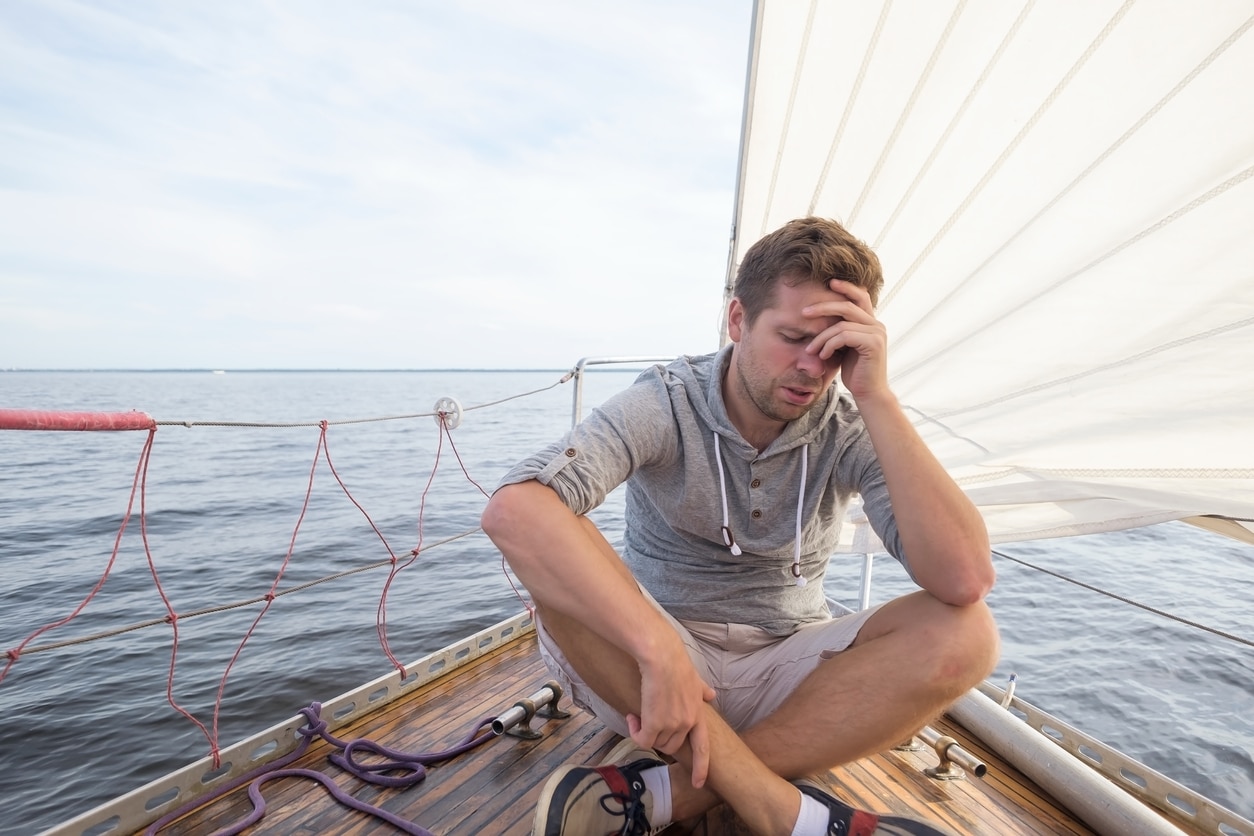
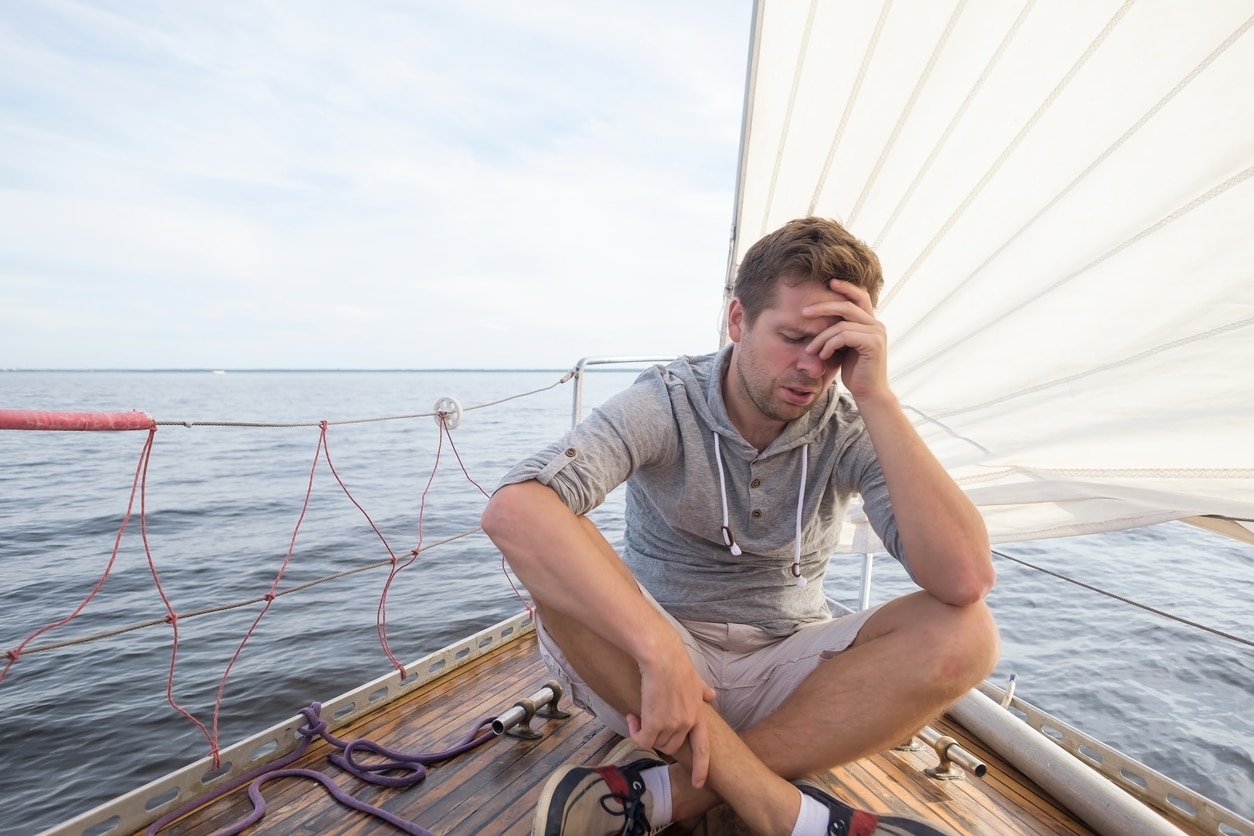
Seasickness is a form of motion sickness and occurs after spending some time on a boat on the water. This type of motion sickness is brought about by the rocking motion of the craft and is characterized by nausea and, in extreme cases, vertigo. Some people are vulnerable to the condition after only a minor stimulus, while some are immune, and others are immune through exposure.
What is Motion Sickness?
Motion sickness happens when repeated movements of vehicles disturb inner ear muscles. Some people experience vomiting and nausea when traveling in their cars. Three-dimensional movies can also cause nausea. This is also common for people at theme parks, roller-coast rides. Also, the same thing happens to many when riding on a boat, like cruises. It’s often called seasickness, but it remains the same disorder known as motion sickness. We include in this article exciting items for the readers. If you follow this blog, it may clarify that motion sickness is a widespread disturbance in our inner ear and that millions of people deal with the same common problem.
Visually Induced Motion Sickness is it the Same Thing?
Any mode of travel, whether in route to the sea or air, may create a feeling of visually induced motion sickness. Kids 0 to 12 years of age have the highest probability of recurring motion sickness. These conditions can lead to ear damage to the ears and internal structure if not corrected. Motion sickness can usually be resolved quickly and does not typically need a professional diagnosis. Reserving a window seat can help; any visually fixed item you can focus on with help reduces the symptoms before you leave to make a reservation for the flight. Eating well, so the stomach feels well settled and hours before activity.
Try to prevent eating greasy foods or acids before or during travels. Have home remedies at hand or try alternative treatments, which you can read about below for pilots, astronauts, or other professionals who often suffer frequent motion sickness as part of their professional cognitive therapy for prevention.

Causes or Triggers for Sea Sickness in Inner Ear
Motion sickness is not a virus and is not infectious reported by national disease control. However, some factors can bring on motion sickness relatively quickly. These include going below deck for extended periods, looking through binoculars for long periods, and staring at objects your brain will interpret as stable (reading, needlework, and even your cell phone).
How can Motion Sickness be Prevented?
If any of these symptoms continue for longer than two days, call your doctor. If you do travel, plan in advance to control your motion sickness.
Preventing Motion Sickness
There are some methods to help deal with motion sickness without using medications. Here are some tips to help naturally to prevent motion sickness:
- Staying busy and keeping your mind occupied like fishing.
- Waiting on deck, keep fresh air to your face.
- Take deep breaths and drink plenty of water.
- Don’t cruise or go boating on an empty stomach.
- Limit boating activities for pregnant women
- Getting lots of sleep, being well-rested helps to prevent motion sickness.
- If you have a choice, Cruise in relatively calm waters.
- Go boating in larger boats; smaller boats tend to bob up and down more.
- If going on a Cruise, check if the vessel is equipped with stabilizers
- Try to stay at the boat’s center to help eliminate the rocking motion that causes motion sickness.
These tips will help the inner ear distract your brain from the rocking motion. Keeping occupied is crucial as it helps trick the brain into believing that you are uncomfortable from the constant rocking motion of the vessel. The fresh air also helps eliminate the motion sickness rather than staying indoors or in a cabin the whole time. While it may also be best not to cruise on an empty stomach, it should be remembered that fatty and spicy foods are not the best type of food to stock up on before going on a cruise as this can trigger motion sickness.
How is Motion Sickness diagnosed?
Suppose experiencing motion sickness; it’s best to see your family physicians if you have children younger than 12 with motion sickness at some point. They’ll examine your inner ears, ask if you feel sick, maybe have cold sweat. Your family physician’s doctor will want to see you before providing medical advice or recommending meds. You may notice some nervous system symptoms when traveling, but know once you get motion sickness, you can experience other symptoms as well.
Motion Sickness Symptoms and Treatments
Many family physicians recommend scopolamine. It helps prevent nausea and diarrhea. Over the counter Antihistamines are effective; one brand commonly used is Benadryl. But many of these will typically make you sleepy. Antiemetics (antiemetics) may help control nausea and work well for inner ear motion sickness. These motion sick medicines are sometimes bought or prescribed from places like the Cleveland Clinic and others after a physical exam.
Some alternative therapies are available in store, and if used when symptoms start, the brain responds. Get in touch with your doctor if a diagnosis is proper for you. These medications work best when taken before travel so as not to cause conflicting signals when you travel. Food and good drinks are essential to prevent motion sickness. Eating crackers, non-acidic foods, and drinking flavored beverages (ginger ale is the best option), try not to drink alcohol to ease nausea. The academic research institutions say if you have straight motion sickness, arm, leg, and facial patches will help.
Living with Motion Sickness
Plan your life knowing you have motion sickness, use virtual reality experiences moving well in the future are helpful to reduce motion sickness. If symptoms of motion sickness are mild, medicines can act well, try your local Walgreens, Target or West Marine. Ideally, if you’re on a mobility motion sickness drug, prepare to travel preferably in advance!
Avoid amusement park rides; don’t read in moving vehicle front seat to prevent car sickness. If your motion sickness encounters severe cases of pale skin, cold sweats, motion stops. This may include discomfort in the vestibular system, sensory conflict, strong odors, or your ears sense movement or such placement the general feeling is to seek first aid.
Miami Beach Fishing, Charter Head Boat, Dolphin Fishing, Drift Fishing, Grouper Fishing, iOutdoors Blog, Party Boat Fishing, Shark Fishing, Snook Fishing, Sword Fishing, Tarpon Fishing, Tuna Fishing
Best Fishing Spots in MiamiWhat brings people to Miami? White sand beaches, tons of sunshine, vibrant nightlife, fresh food? Yeah, all of that. Fishing Miami is an afterthought for many, but not for us. Whether you venture through the mangroves or explore undersea shipwrecks for Swordfish, you’ll find a fishing culture as abundant as the one on land.
What Can You Catch in Miami?
If you’re unfamiliar with fishing in South Florida, you won’t know the best fishing spots in Miami. So you might be unsure of what to expect when you throw your line out. You’ll be happy to know that Miami is full of amazing (and huge) fish. Just as Miami’s culture is bustling with diversity and affluence, the waters are much of the same. Let’s check out the top catches of Miami.
Grouper
Beneath the surface of Miami’s crystal blue water is hundreds of wrecks and reefs inhabiting some delicious bottom feeders. You can expect to find Black, Red, and Gag Grouper all over the place, and that’s good news for anyone coming here to sample some of what Miami has to offer.
These fish are some of the prime targets for frequent anglers, but if you’re looking for something a bit more unique, you can travel a few miles out and find rare Snowy and Scamp groupers.
That said, there’s one fish that everyone travels here for, and it’s the Goliath Grouper. These monsters can weigh as much as 200 pounds or more, so if you’re planning your trip around locating one of these, you’ll want to bring some seriously heavy tackle. We recommend chartering a boat and recruiting the help of a local expert if this is your plan because they know the best fishing spots in Miami.
Tarpon
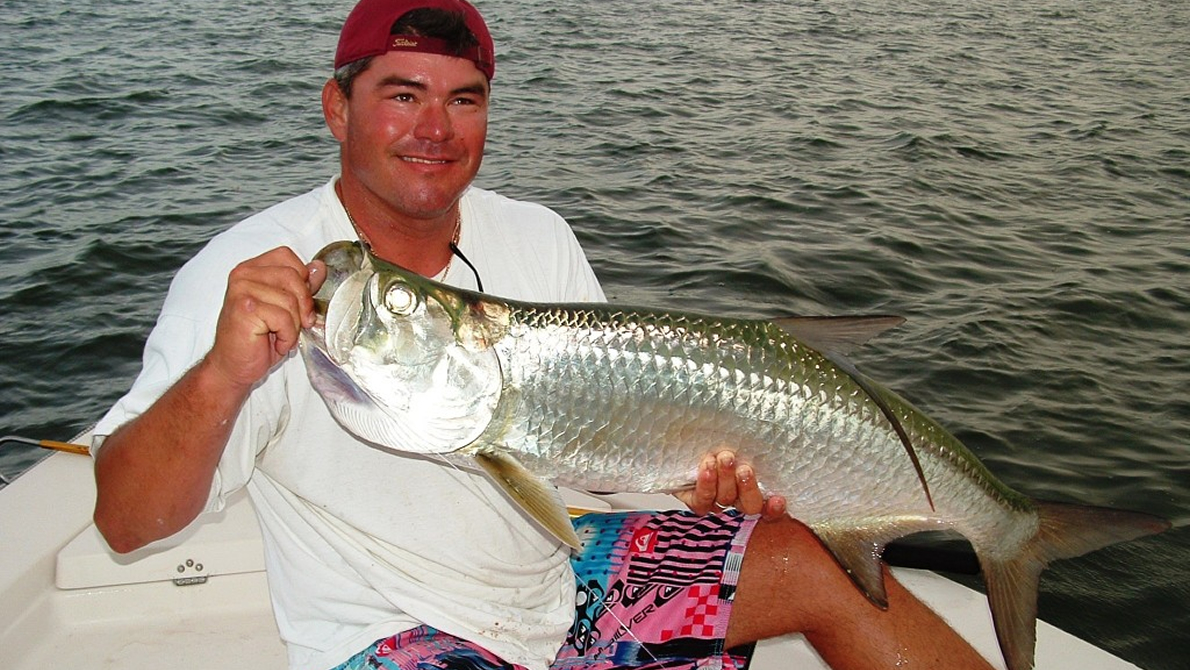
If you’ve got a smaller boat and you’re sticking to the shallow water, you can bring in a few Tarpon. While we make it sound easy, they’re a bit challenging to catch because they’re hard to find, and they put up quite a fight.
During the summer months is when you can find them most frequently around Biscayne Bay, but the problem is, most visitors travel here during the cold weather months and expect to find Tarpon. You can, you just have to know where to look.
These shallow water behemoths reach around 100 pounds, but if you’re looking for an enjoyable fishing experience, target the smaller and more aggressive fish in the 20-40 pound range.
Swordfish
South Beach created swordfishing, and you can find some of the best swordfish anglers on the planet in this area of the country. If you’re interested in catching a fish with that “wow” factor that you can share with your buddies on social media, you’ll want to start fishing in South Beach Miami.
A few miles away from the shore, the water dips deeper, and the warmth from the Gulf Stream is what makes this the perfect environment for pelagic fish and certainly Swordfish. They’re active during the day and at night throughout most of the year, so expect to find them, the challenge is getting them into the boat.
Sailfish
Traveling a few extra miles out to the deep sea brings upon new challenges. Sailfish draw hundreds if not thousands of people to Miami each year to take on one of the greatest fishing challenges imaginable. They are the fastest fish around, and their incredible multi-colored sail real makes for an amazing fishing experience.
All the locals possess the best fishing spots in Miami, but they will tell you that kite fishing is the way to catch these beautiful creatures. It’s a strategy similar to trolling that requires you to skip the bait amongst the surface until you see the sail pop out of the water.
Fishing for these isn’t the kind of fishing where you leave your line out there and sit back and drink a beer, you need to keep your eyes on the water and pay attention to that sail
African Pompano
If you’re the kind of person who likes to stray off the beaten path and go for something a little different, African Pompano are available in Miami – but not in abundance. Many local anglers tell stories about how many of these they missed, but they’re never 100% sure until they pull them into the boat.
These incredible fish inhabit shipwrecks around 300 feet out, and they put up a fight, unlike any other. The reason these fish are so desirable is for their taste. They have thick fleshy meat, and they eat a very clean diet, so it makes them taste fresher than some of the other coastal varieties. Many anglers compare it to eating a steak.
Bass Fishing Miami
While so many people travel to Miami to take on everything the sea offers, an often forgotten treat happens inland in the canals and lakes that Dade County has to offer. Fishing Miami requires a “thinking outside the box” attitude. Grab your best bass fishing reel and rod and take a quick trip away from the salt spray with us.
Urban Canal Fishing for Peacock Bass
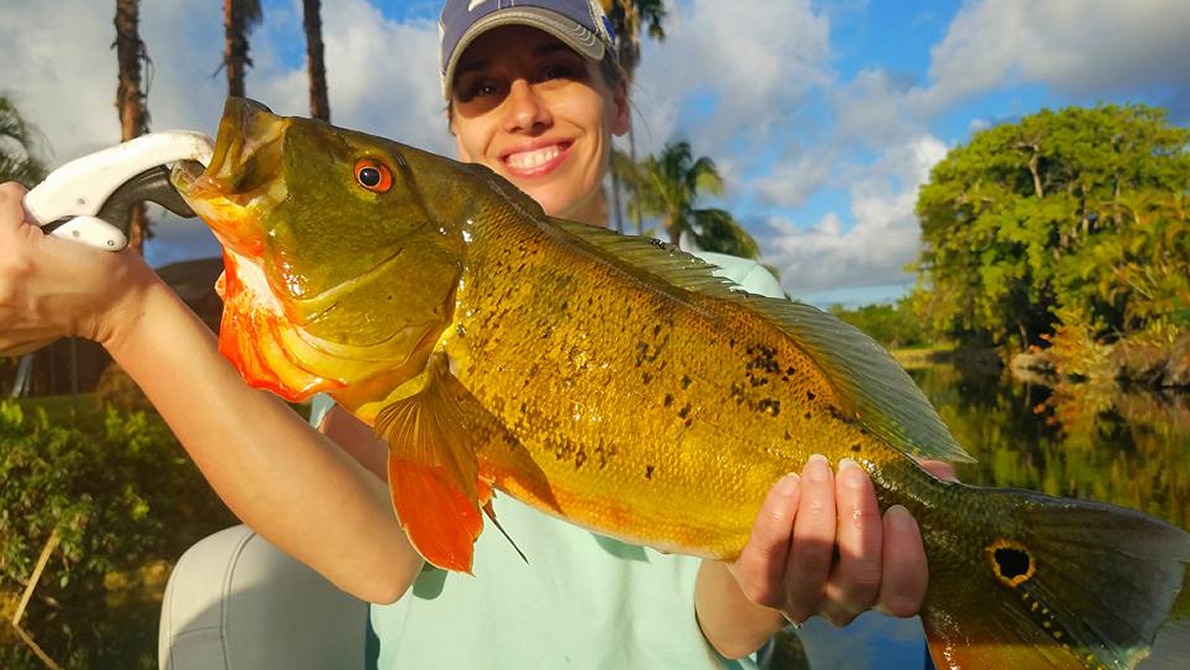
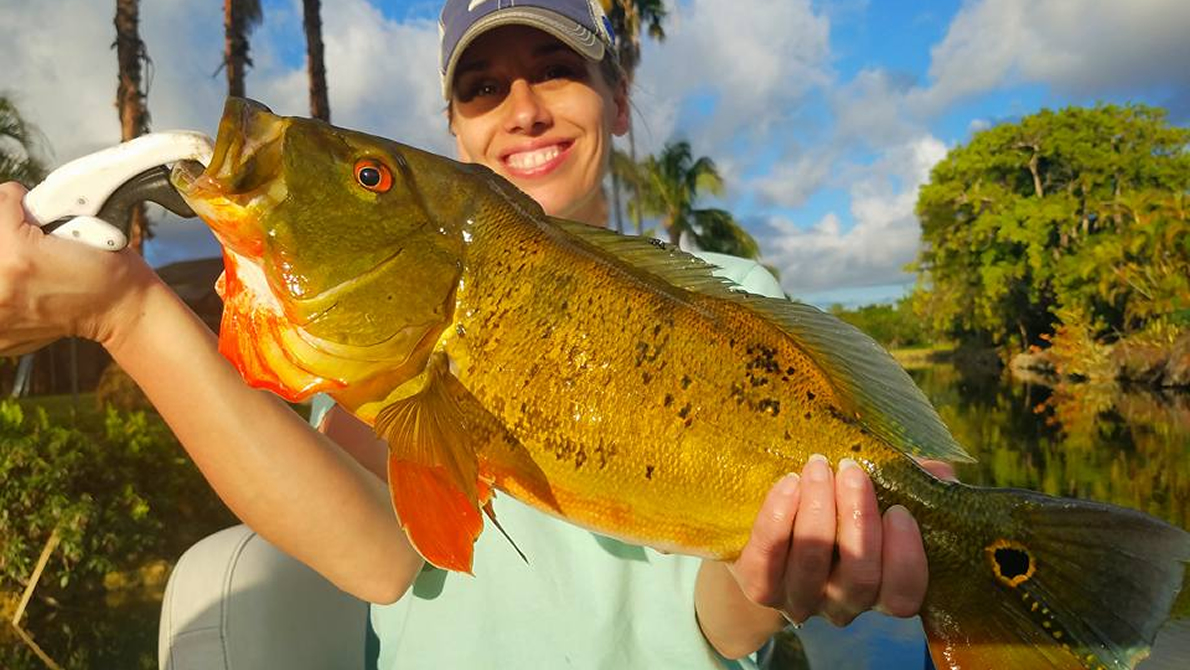
These are popular freshwater fish caught along the banks of many of the canals throughout South Florida. Many of the locals use a variety of different tackle ranging from live baitfish to artificial swimbaits and flies. Peacocks prefer live bait and most of the best lures used in catching largemouth bass, but the experts don’t recommend using plastic worms.
South Florida Largemouth Bass
Largemouth bass are a popular catch anywhere East of the Rockies, and that’s due to their incredible acrobatic fighting power. Locals recommend using plastic worms, jigs, and spinnerbaits when the weather is mild. You’ll have the most success during the fall and spring months when the heat isn’t too hot, and the coastal breeze is calmer.
Top Fishing Spots in Miami
There is no shortage of great places when fishing Miami, so let’s talk about specifics. When you visit, where are you going?
Biscayne Bay – If you’re chasing Tarpon inshore, this is where you want to go. You’ve got shallow waters, channels, and mangroves, and that makes Biscayne Bay the ideal environment for Tarpon. Best of all, you have a variety of options for how you want to fish. Cast from the shore, take out a kayak or explore on a boat.
Bache Shoal Reef – If you’re taking a boat off the shore, you’ll want to check out the wrecks around Bache Shoal. It’s a popular diving and snorkeling area so you’ll want to fish here when it’s not tourist season. Spear and kite fishing for Grouper, Snapper, and Sailfish is most popular.
Liberty Ship (O.L. Bodenhamer) – This is a sunken ship around 370 feet deep, and it offers some of the biggest game fishing available on the coast. It’s an artificial reef that draws a lot of attention and produces a large number of Sailfish and Swordfish all year long.
Miami Fishing Guide
So, you know what to catch and where to catch it, but how do you plan on getting your line in the water? You have a few different methods when fishing in Miami.
From the Boat
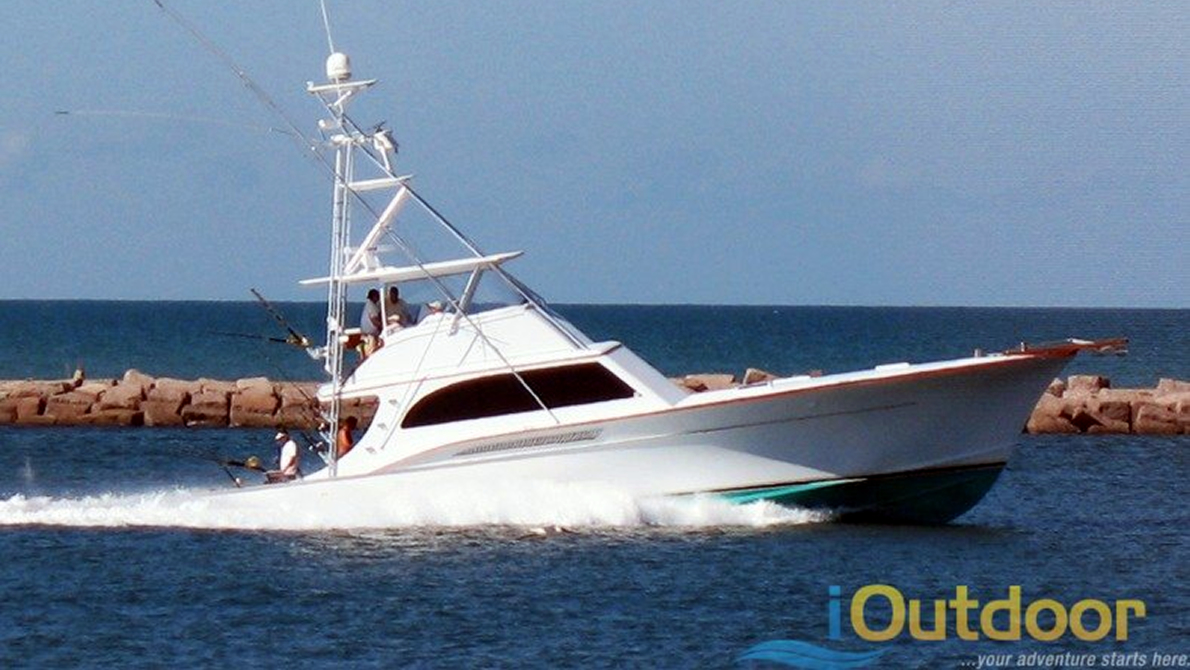
If you plan to get anywhere near anything like Tarpon, Swordfish, or Sailfish, you’ll need to take a boat out a couple of hundred feet. You’ll have some heavy gear, and you’ll likely need a sturdy boat to handle to fight and keep everyone safe.
The most affordable way to get the best offshore fishing experience in Miami is by joining a drift boat or party boat. You’ll have an opportunity to meet other people traveling through the area, and when everyone splits the cost, it’s much more affordable to fish Miami the right way.
From the Shore
Most people think you have to get out beyond the surf to catch fish in Miami, and that’s not true. With the many inshore fishing opportunities in canals and lakes, you can set up shop on the shore and catch plenty of Largemouth, Peacock, Snook, and Bonefish.
It’s worth mentioning that the heavy tourist industry has hurt many of the fishing opportunities here, and much of the canal and beach space is privately owned, so you can’t fish there. Just keep your eyes open for signs stating that.
Kayak Fishing
For a well-rounded experience, you could fish the canals with a kayak. There are even guided tours. Fishing this method allows you to get a workout in while targeting Snook and Redfish inshore. Of course, you can’t bring along as much gear, but the whole experience makes it worthwhile even if you don’t catch anything!
How to Charter a Boat in Miami
If you haven’t realized it by now, we’ll clear it up for you. Fishing in Miami is amazing, and there’s no shortage of incredible fishing opportunities for people of all ages and skill levels. The best way to get the whole experience is through using a guided fishing charter. The local captains will help ensure you get a full taste of what South Beach waters have to offer.
Best of all, chartering a boat in Miami isn’t as expensive as you think. You can take your whole family on the water, and the guides will take their years of experience fishing these waters and put you on the best fishing spots in Miami to work.
They’ll take you right where the fish are, hook you up with the necessary gear and tackle, and many even guarantee you catch something before heading back to the dock.
With the diversity of fish, abundant opportunities, and jet blue sky, it’s no wonder why people are fishing Miami all year long.

Offshore Fishing, Bottom Fishing, Charter Head Boat, Drift Fishing, iOutdoors Blog, Shark Fishing, Wreck Fishing
Chumming, Who, What, How, Where, and When to do it?
What does “chum the waters” mean?
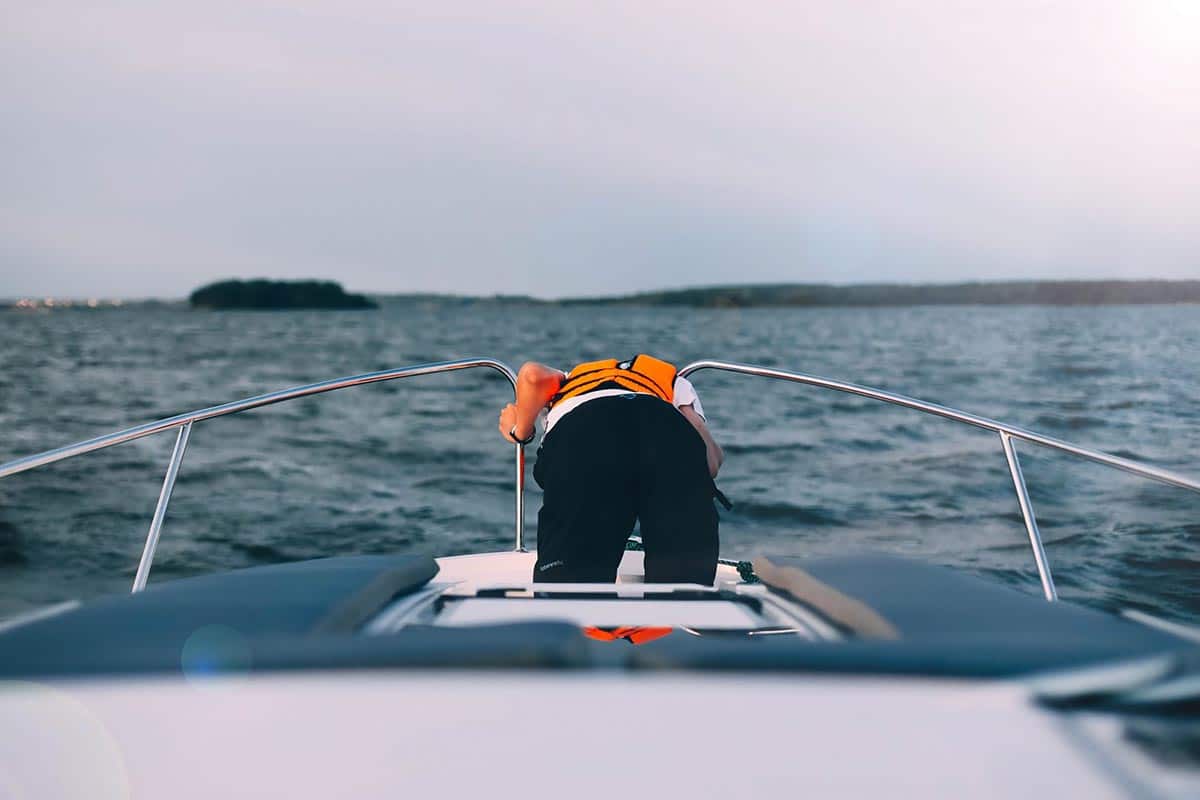
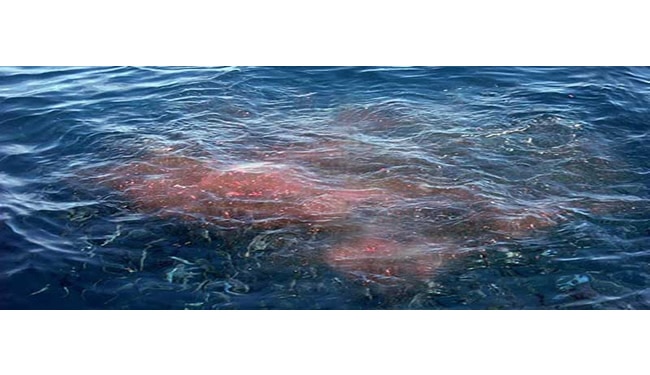
 There are plenty of meanings for chumming or “chum the waters”, but it all depends on the context. The expression may be used to mean “churn the waters” or to make the waters muddy. It also used to indicate that someone got sick on the trip and threw up on the waters. Bird enthusiasts often “chum the waters” by dumping fish to attract seagulls and other sea birds that they, then, try to identify.
Still, in the world of fishing, “chum the waters” or chumming means dumping bait or something into the waters to attract fish. What to dump in the water largely depends on what species you are trying to attract. Though theoretically, any type of bait or fish that you dump into the saltwater will surely attract many fish species – or the fish that you had lured to the chum will attract bigger fish, the ones that you wanted to land. Well, it is often a win-win situation.
What is chumming for sharks?
Chumming simply brings sharks closer that would otherwise not be in the area in proximity to people in the water? Does the chumming alter shark behavior in any significant way? If you are targeting sharks, use a bloody fish. Sharks have a very keen sense of smell so that they could smell blood no matter how diluted it might be.
Unlike the other fish species, sharks aren’t going to congregate on the surface, and spend time cavorting in the same area month after month. Sharks need a little incentive to show up at the boat side. By applying chumming techniques to your fishing arsenal you can lure sharks to your fishing grounds. By tossing the sharks chum, you can keep them in the area for hours. There are certain species of sharks that will readily come to your boat and stay close by. Other sharks like the mako, porbeagle, and thresher a much smarter. They can get lured in and will come very close, but remain at the boat for a few minutes, quickly leaving to get to a safe zone.
What is chumming the water?
There are many different techniques and devices used to be placed in the water. The simplest is throwing it directly into the waters but if you want to make it last longer, you might want to use a perforated bucket attached to a rope that will tug the bucket along as the boat moves. You can also use a mesh bag – and cage, if you are trolling for sharks.
Grinding it up is also a good idea, though you might still want to add in a few pieces of cut fish. So, what does chumming it up mean? It’s when you use dead bait, old fish carcass, and grid or cut it up in many small pieces. Mixed thoroughly, with added fish remains and blood you are ready and go “chum the waters”.
Why is chumming bad?
Each individual situation is different. It depends on the location your chumming? the species you are chumming? and the amount you are chumming? All these can lead to reasons to answer, “why is chumming bad?” or even “when is chumming bad.” Massive amounts in any area are mot good for the environment of the local species. It also provides a high level of aggression to all fish feeding in the area.
Based on the species and location, it can lead to a chain of feeding attacks. Smaller fish feeding on the chum, attract large fish which then feed on them creating a cycle up the food chain until you reach the top which could be sharks. As to how much chumming is bad, it always going to be a decision that needs to be measured locally based on the gathering of information.
Where is chumming illegal?
Where is chumming illegal? Why chumming is legal widely around the world, but in some places, it has become illegal. In the United States, several different states are treating this differently. The state of Alabama is treating it as a danger. Solely based on the pose conditioning it associates with sharks when feeding. And that residents could swim in the same waters. Florida FWC also put forth regulation, but ones that obviously had more thought put into it. Florida also made it illegal when shark fishing, but only when fishing for any species from the beach.
Where is chumming legal?
Chumming is a common practice seen as effective by fishermen all over the world, typically used in ocean waters. Florida looked at all the restrictions for this and decided that it is a safe widely spread used and that based on the science that was no reason to make it illegal. Mainly because many of the areas fished have vast barren sandy bottom structure around Florida. Most of the state views it as a necessity and common practice. The new ruling went into effect on July 1, 2019
Offshore Fishing:
Offshore fishing is the most relevant place to use chum. Chumming the waters can be done in a multitude of ways. Most common, with bags, buckets, or chunking it out there are all excellent ways to attract fish. The use of frozen sardines or your own recipe can be effective. Play around with either and head to your local tackle shop to get all the supplies you need. Local experts come ready to the waters and get you on that fish of a lifetime!

Charter Head Boat, iOutdoors Blog, Offshore Fishing

The Barracuda is a saltwater fish belonging to the genus Sphyraena in the family Sphyraenidae. It can be found in tropical and subtropical oceans worldwide. It can be described as a ray-finned fish and is known for its large and fearsome appearance. Barracuda, any of about 20 species of predacious fishes of the family Sphyraenidae (order Perciformes). Barracudas are found in all warm and tropical regions; some also range into more temperate areas. It possesses a long body, fairly compressed, and is covered with small, smooth scales. Some of the species can grow to a length of 1.8meters and 30 centimeters in width. This species is a nocturnal creature.
Habitat
Barracudas can be found in warm, tropical regions. They can also be found in more temperate areas. They can be found near the surface of the water but have been seen in depths of 100 meters or around 90 feet. Most Barracuda live in near-shore habitats, such as seagrass beds, mangroves, and coral reefs. They’re primarily marine fish, although a few varieties can tolerate brackish water at times. Barracuda inhabit the Atlantic, Pacific, and Indian Oceans, and are also commonly found in the Caribbean and Red seas
Demeanor
A group of barracudas is termed as a battery. These species are voracious and opportunistic predators that rely on surprise and short bursts of speed in order to overtake their prey. Barracudas are usually solitary when they reach adulthood. However, young and half-grown fish frequently congregate. They prey primarily on fish, even those as large as themselves, and attack by tearing off small chunks.
Habit
Barracudas are known to be bold and inquisitive. They may even be dangerous to humans. They have been known to inhabit open waters and bay areas in the shadow and under floating objects. This fish is attracted to things that are silvery in color and have a high reflection similar to the fish they eat. This explains why some of the human attacks made by barracudas are on those wearing earrings, bracelets, or those wearing something shiny.
Bottom Fishing, Charter Head Boat, Drift Fishing, iOutdoors Blog, Offshore Fishing, Party Boat Fishing
What is AMBERJACK?
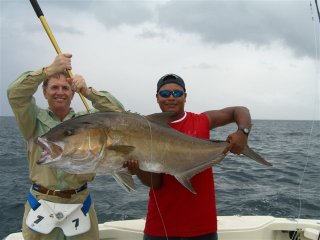
Amberjack is the collective name of the species of fishes that belong to the genus Seriola of the Carangidae family. This bony fish is also called other names such as Amberfish and Carangidae. There are about 140 recognized individual species of Amberjacks, but in the Atlantic Ocean, there are three known common species that are sought after by recreational anglers – the Greater amberjacks, Lesser amberjacks, and Banded rudderfish.
Characteristics
This fish has a wide range of sizes from 10 inches to 6 feet. It also can weight from 1 pound to 100 pounds. The largest Amberjack is the Greater Amberjack, which is also the biggest in the jack family. It generally has a silver color though this is not the case with other Amberjack species. Other species have tints of blue, lavender, olive green and pink, and gold. However, most if not all of these species have a silver-white belly with a darker colored stripe beginning from the nose to the dorsal fin.
Habitat and Eating Patterns
Amberjacks, along with the other members of the Jack family thrive in tropical and subtropical areas especially in the Atlantic Ocean including Florida and the Gulf coast. They forage over debris, rocky reefs, and wrecks in small groups. Normally, they follow schools of smaller fishes over lengthy distances to feed. Other food sources of this fish include squid, crabs, shrimps, and other crustaceans.
Fishing Tips
Many variations of Amberjacks are caught by commercial fishermen with the use of long lines. They are also caught jigging the reefs and wrecks offshore. It is a powerful fish which behavior is characterized by slow and continuous pulls that could go on for minutes without breaks in between. Although it would be nice to get a trophy worth Amberjack, those weighing 15 pounds or less nevertheless are the best to eat.
Charter Head Boat, Inshore Fishing, iOutdoors Blog, Offshore Fishing
A Sport Fisherman’s best friend- a sharp filet knife!
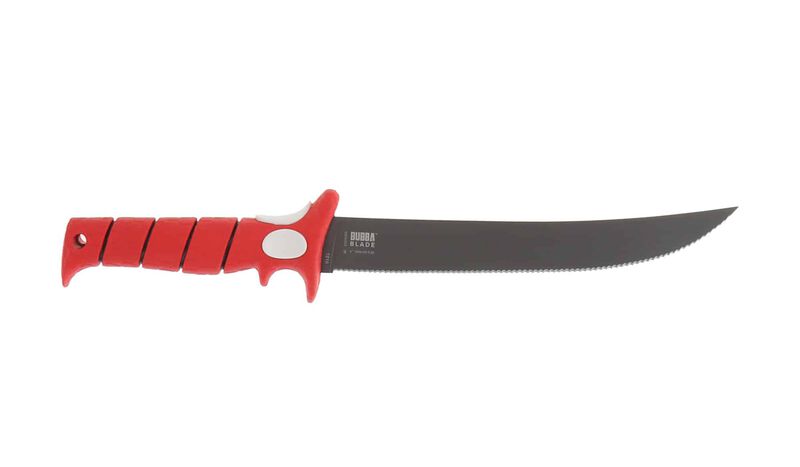
After a good day at sea, and coming home with your prized catch, the next step you should do is preparing your fish. However, for many anglers, preparing a catch is a gruesome task because not only can it be difficult especially to beginners but it can also take time. Truth is, with the proper technique, preparing a catch should be one of the most satisfying parts of the whole fishing expedition. In this endeavor, the importance of a sharp fillet knife cannot be gainsaid since it makes fish preparation not only faster but more effective. The secret then to the best fillet is keeping the fillet knife always sharp for perfect use every time.
Why Sharpen Your Knife?
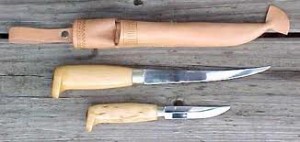
Using a blunt knife will not only make your task of preparing your task more difficult, but it will also make your work unsightly since the cuts you would make are not clean. More importantly, using an unsharpened knife will only open you to accidents as you might apply too much pressure and inadvertently cut something other than fish meat. Learning how to sharpen your own knife will also help you economize, and prevent you from buying a knife after knife whenever its edge blunts.
Sharpening Tips
When you sharpen your knife with quality stone, the idea is to remove the metal from the edge to form a new edge. At a 20-degree angle and lubricated with water or oil, you could draw the blade around the stone in a circular pattern or across and down. Because friction against the stone causes the knife to have a feathered edge, you also need to hone it or straighten the roughened edge.
Maintaining Sharpness
Even though you regularly sharpen your fillet knife, its sharpness still depends on certain factors. If you want a sturdier knife, choose one made of raw steel as stainless steel, although may be easier to sharpen, dulls more easily.
The proper use and storage of fillet knives also lengthen their life spans. When using your fillet knife, remember that it “fillets” not “cuts”. Avoid exerting too much force on the fish meat, but simply allow the knife to slice smoothly through flesh. Also, don’t use it on any other meat or thing but only fish. Lastly, after using, wash and dry it thoroughly, always keeping it safe in a clean, dry place after use every time.

 There are plenty of meanings for chumming or “chum the waters”, but it all depends on the context. The expression may be used to mean “churn the waters” or to make the waters muddy. It also used to indicate that someone got sick on the trip and threw up on the waters. Bird enthusiasts often “chum the waters” by dumping fish to attract seagulls and other sea birds that they, then, try to identify.