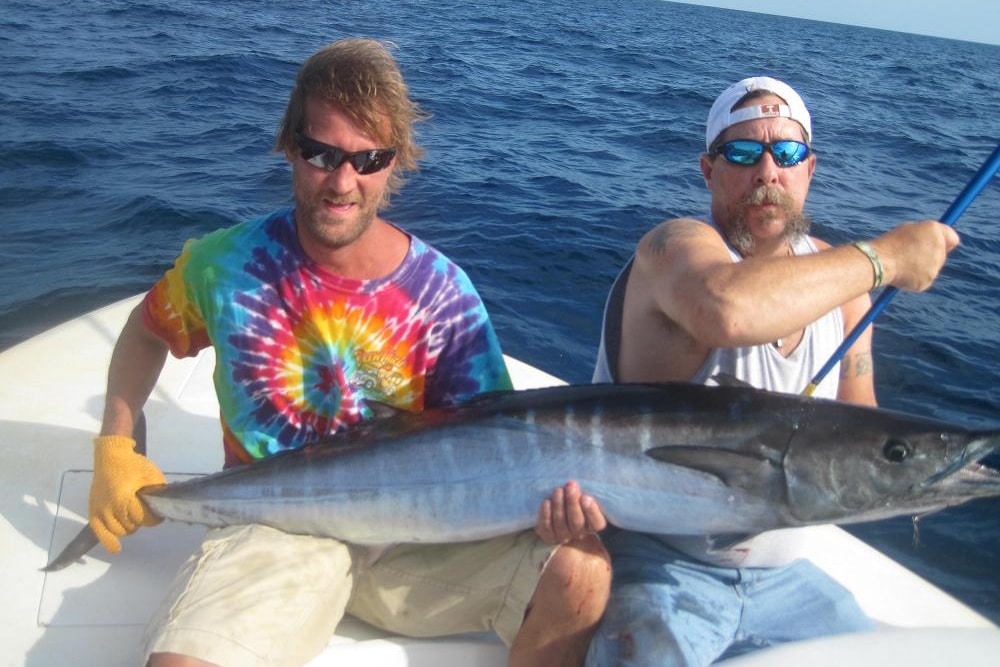
iOutdoors Blog, Amelia Island Fishing, Cape Canaveral Fishing, Cocoa Beach Fishing, Daytona Beach Fishing, Fishing Destinations, Florida Fishing, Fort Pierce Fishing, Ft Lauderdale Fishing, Islamorada Fishing, Jacksonville Fishing, Marathon Fishing, Miami Beach Fishing, New Smyrna Fishing, Offshore Fishing, Pompano Beach Fishing, St Augustine Fishing, Wahoo fishing
Wahoo can be caught year-round along Florida’s Atlantic coast from Amelia Island to Key West. However, July and August full moons are the best times to target Wahoo in Florida, at least on the east coast of Florida. Like most other fish species, the structure, water movement, and season are important to consider when targeting Wahoo. When all three of these conditions align, it will happen favorably, and you will be sure to load your fish box.
Many anglers are successful in July and August, around the full moon, which is 100% due to water movement. During July and August, the moon is the closest to South Florida. Due to this, the full moon will produce the two most prominent tide swings along the east coast of Florida during the entire year. Large tide swings have very favorable currents, enabling wahoos to feed.
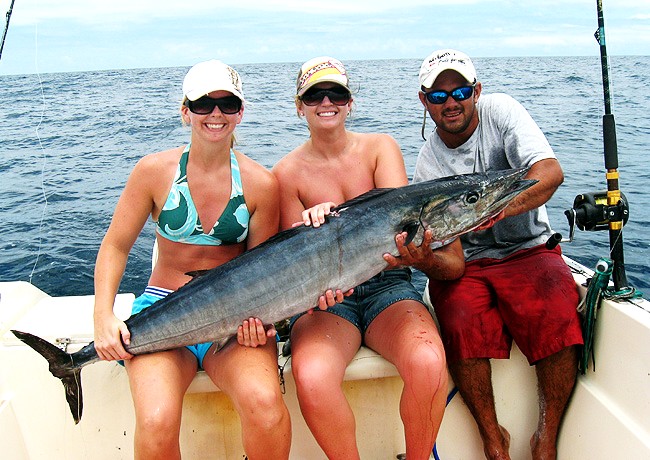
Wahoo Fishing Charters
Wahoos are lovely fish that can sometimes be very elusive. They possess excellent eyesight, great camouflage significant talents but are often finicky. Wahoos average around 20-50 lbs on the east coast except for small fish; they usually find underwater debris. They are caught in Kite fishing, trolling, and vertical jigging, among other methods. The varied techniques depend on time and place and the weight and form of the fish.
If you are interested in a specific fishing charter, we highly suggest you plan to book a more extended charter, like an 8 hour, because of the amount of trolling and areas that need to be covered.
Top Wahoo Fishing Locations
Wahoo is an impressive pelagic fish found in a variety of waters. They swim from the coastlines of the Islands in the Caribbean and all around Florida. You can hook these streamlined speedsters in plenty of destinations. They inhabit tropical and subtropical waters, which reach 600 feet from the ocean’s surface.
Below, we’ve listed 5 of the top prolific spots around Florida. Of course, the fish swims in so many others, but here are places we have had great success catching Wahoo. Visiting one of these destinations increases your odds of having a pretty good Wahoo encounter!
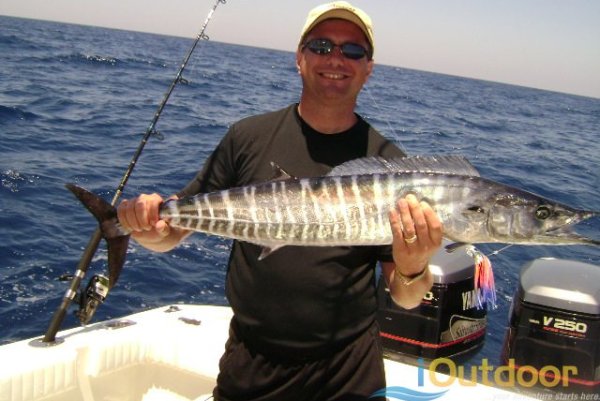
1) Wahoo Fishing in Key West
Anglers fish for wahoo in the Florida Keys because the meat has an exquisite taste; at least to most, it seems different. This fish reaches speeds up to 80 mph and is the fastest fish in the ocean, especially when attacking baitfish. Wahoos in the Keys can reach weights pushing 100lbs. But the average caught fish has just over 30 lbs. It spends much of its life within the deeper dark blue waters of the Gulf Stream Ocean.
Wahoo fishing season in Key West
The Wahoo may be caught in the Summer Time at sea in the cooler water of the open ocean. From November until February, the water temperature becomes perfect for this available sea predator in the winter months. It appears to be the most enjoyable on both sides of the full moon during the December months. Wahoo and many other fish species can be caught at Key West anytime throughout the year, but in December, only one week in either direction is the best time to encounter the Wahoo in the Florida Keys. The Winter is the best action for Wahoo because the water is warmer, and fish migrate south.
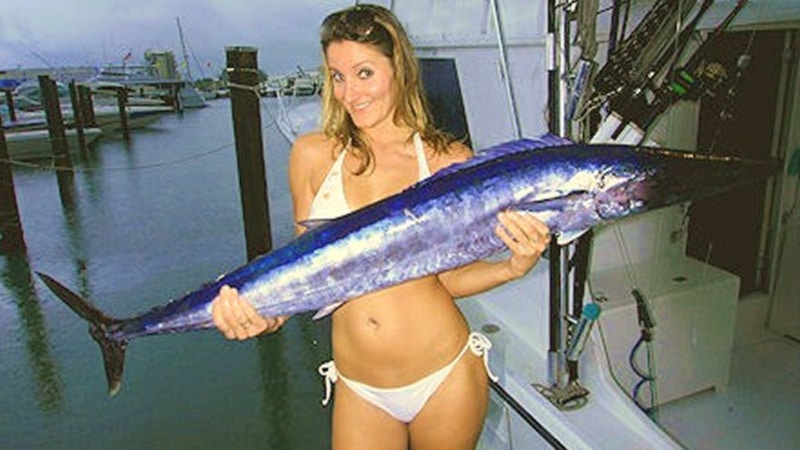
2) Fishing in Miami for Wahoo
Florida’s Atlantic Coast is at times saturated with Wahoo up and down the coast. The migration travels South to North, and when in Miami, they are plentiful. Miami’s city port provides direct access to the Gulf Stream, a deep water channel less than 3 miles offshore. These warm waters are home to many pelagic fish who call these waters home! Although the species is found all year, the best angling action usually occurs from early spring into late summer.
3) Wahoo Fishing in Biloxi
Not always known for its abundance of deepsea fishing, these deep drops offshore of the coast is home to big Wahoo and have become a hotspot. It provides the structure, current, and oasis these fish love to flock to! Even better, they live here all year, sticking close to deepwater rigs and structures anywhere from 10–30 miles from shore. However, the hottest times to cast your line are January through March.
4) Wahoo Fishing in Stuart
Fishing out of the St. Lucie Inlet in Stuart, Florida, is like all ports; it can sometimes be hit or miss. In Stuart, the season is less consistent but available all year round.
The best time of the year can be argumentative; most people would say the summer months of July, August, and September to target Wahoo. But at times, the Winter, October through February, can be impressive. Most Wahoos during the Winter are a bi-catch of fishing for sailfish. If you desire to catch Wahoo during the Winter months, be sure to specify when booking the charter so the crew and make the proper adjustments to target just Wahoo.
During the summer months, high-speed trolling baits and lures are the most effective targeting the Wahoo because they love to ambush its prey, look for them to be hiding around and structure, are down on ledges so they and quickly surprise its next victim. The average weight of a Wahoo caught in Stuart this time of the year is around 25lbs, but it’s not uncommon to catch a 45lb plus.
5) Catch Wahoo in St Augustine
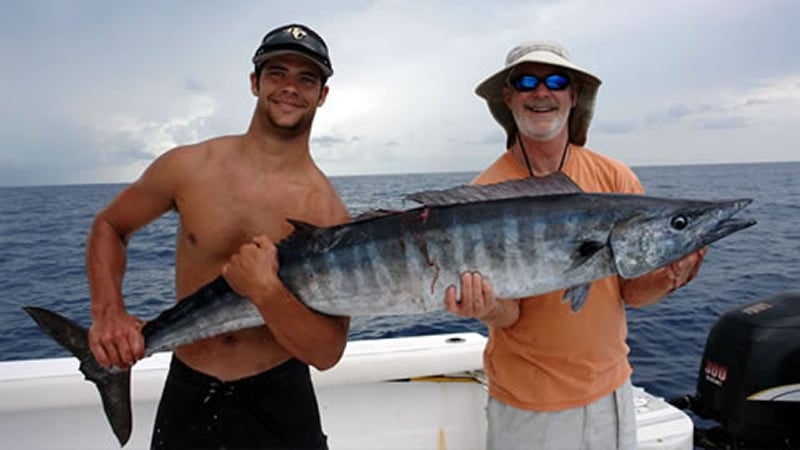
Northeast Florida is known for its deepwater ledges off Jacksonville and St. Augustine coast, approxally 70 miles out, and prime hangout for large Wahoo. This migration of big Wahoo seems to show up between February and March and is fishable for Wahoo from January and April.
Generally, the time of the year when high-speed trolling for Wahoo works. Keep trolling once the fish are located, and the first hookup happens. It’s essential to use 50 series reels or larger ones to hold plenty of fishing lines.
The most success comes from rigging your trolling lines with a sinker. You want to try and keep your lines about 25 to 30 feet below the surface. It has proven that Wahoo like bright colors, and for that reason, a combination of purple and silver and red and black work most all year. This area has one of the largest averages of Wahoo, almost all coming from the ledges. The average size is 40 pounds, and it’s common to encounter fish in the 90-pound range during the season regularly.
Although you have an occasional by-catch of dolphin, blackfin tuna, you will know when the Wahoo hits without any dought.
Wahoo in the United States
In general, the Wahoo population is plentiful in the Pacific Ocean, Atlantic, and the Gulf of Mexico. All these waters provide ample Wahoo fishing opportunities throughout the USA, and the about are some of highlighted best destinations.
How do I Target Wahoo in Florida?
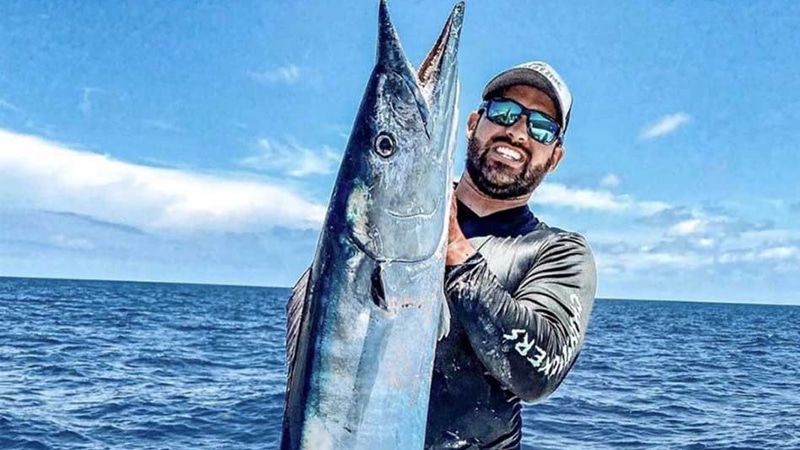
We have discussed lures to this point, but you can also slow troll with live bait, live blue runners, goggle-eye, mullet, and juvenile bonito. Live baits should be set up using a double hook rig, also known as a stinger hook.
If considering this method, be sure to load up on Spanish sardines, pilchards, ballyhoo, threadfins, and head offshore looking for a ledge, weed-line, rip current, anything to create a color change in the water. Generally, start fishing in about 180 to 400 feet of water; when doing this, it also helps to chum the waters. You can chum with dead bait or live baits, consistently placing a hooked similar-sized bait as an additional weapon behind the boat.
When Wahoo sense the chum smell, they will instinctively swim right under the boat to be caught by sight casting to them. When fishing in the mornings, you should expect a line on the water up to 35 minutes before sunrise. The morning bite usually lasts for about 2 hours during the sun rising.
What is the Florida Wahoo Spread?
Start by trolling for Wahoo, using small and medium-sized lures, especially in South Florida. Try using six-lure spread out equally. Try placing the Wahoo lures out 150, 250, and 350 feet on the port side and 200, 300, and 450 feet on starboard. In winds and waves, the farther the lures are fed-out, the slows it sinks, and then it speeds up again after cresting the wave. By using six lures, they cover different parts of the ledge at different speeds and depths.
High Speed Trolling Wahoo Lures
Each lure uses the highest quality materials available. The industry has extensively selected and supplied the best accessories and wood, including shellings and screws. Most Wahoo fishing products intend it to last fishing for the rugged, sharp toothfish species. Unlike some other lures on the market, most Wahoo lure companies use high-quality industrial-grade urethane. As a result, the lures will hold up to species and not turn black or crack in use.
Closing
Free to contact us for additional information or leave a comment below.

iOutdoors Blog, Cape Canaveral Fishing, Florida Fishing, Mosquito Lagoon Fishing, New Smyrna Fishing, Redfish Fishing, St Augustine Fishing
How To Catch Redfish In Florida
Redfish, also called Channel Bass or Red Drum, is one of Florida’s top sought-after saltwater sport fish. They have a wide distribution on both the East Coast and Gulf Coast. In the Atlantic Ocean, they range from Massachusetts to Florida, and in the Gulf, they range from Florida to Northern Mexico.
Flats fishing in the shallow waters of the sunshine state for bull redfish is an experience like no other. Anglers worldwide travel to Florida every year to catch redfish. Their beautiful color and freight train-like runs make for an incredible fishing experience.
Characteristics
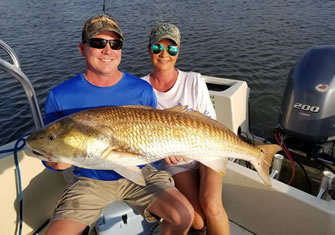
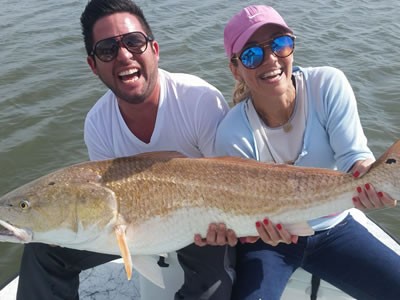
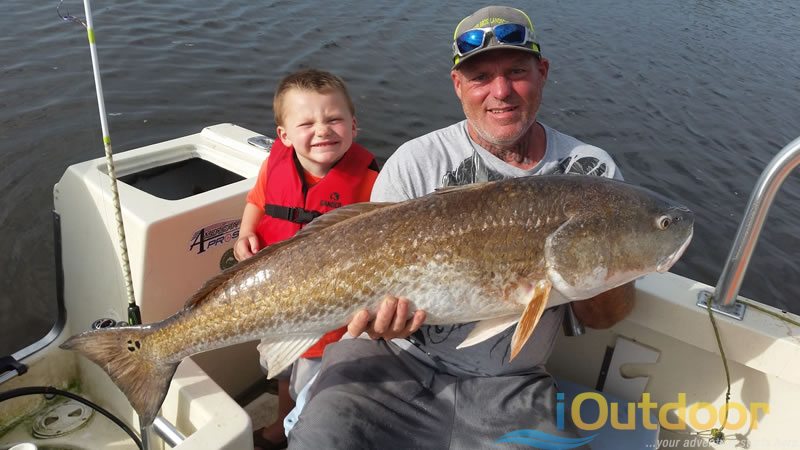
The first step to targeting and catching redfish is being able to identify one. Redfish are usually bronze or reddish in color with a white underside. One of the most distinctive features of redfish is the dark eyespot near its tail. On average, redfish measure from 11 to 24 inches depending on age and weigh up to 22 pounds. The largest fish are known as bull redfish or bull red. Generally, they are likely to exceed forty pounds during the summer during the spawning season. However, during the winter, they are more likely to be in the three to the twelve-pound range.
Red Drum is a fast-growing fish, with the juvenile redfish reaching about one pound and 11 inches in its first year. It’s considered a bull redfish when it gets over 26 inches. The name red drum comes from the male’s habit of making a knocking or drumming sound during spawning by vibrating their swim bladders. Redfish can look similar to black drums from a distance, and the colors can sometimes be easy to mix up, especially in adult redfish. However, the redfish has no chin barbels, and the black drum never has the spot near its tail.
Where To Catch Redfish In Florida
Anglers can enjoy red drum fishing almost anywhere in Florida since they are found on both Florida coasts. They live nearly everywhere on the Gulf Coast and are predominately along the upper half of the East, near Central Florida and north. East Central Florida has earned its name as the Redfish Capital of the World because of its fantastic year-round fishing in the shallow grass flats. Specifically, the Indian River, Mosquito Lagoon, and Banana River are most known for their redfish fishing and big bull redfish fishing in New Smyrna. 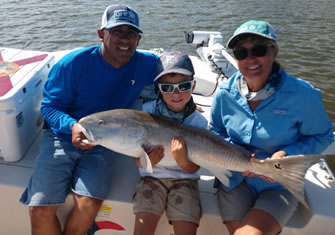
Almost all the coastal water on West Central Florida makes for good flats fishing for redfish. Specifically, Clearwater, Tampa Bay, Palm Harbor, Tarpon Springs, St. Petersburg, Sarasota Bay, and Spring Hill are filled with decent-sized redfish schools. Generally, the adult redfish move offshore to spawn and can be found offshore in large schools. They will roam into coastal rivers throughout the year sporadically or in small groups but swarm into these areas in the winter when seeking warmer water.
Where To Look
Anglers can fish for redfish in the grass flats, near mangroves, on oyster bars, off a dock, off beaches, or from a pier. The best redfish fishing is often done in shallow flats near the mangrove shorelines or grass flats. Redfish prefer shallow waters between one and four feet deep along the edges of bays with submerged vegetation. When fishing for redfish, it’s generally best to focus your attention on the areas with good structure. Redfish go to the surf zone near passes and into bays in the Fall, especially during stormy weather. Redfish live in freshwater areas, too, often being spotted in tidal creeks and rivers.
Generally, the slot size fish inhabit coastal waterways around the state. However, in the Indian River, Mosquito Lagoon, and other areas of East Central Florida, the bull reds are known to be close to shore too. For this reason, these are the best areas to catch big redfish in Florida consistently.
Redfish Capital Of The World
 The Indian River Lagoon system on the East Coast of Florida, which includes the Mosquito Lagoon, is the only place redfish live their entire lives inshore. The Banana River is another top spot for redfish in the area. Most of the redfish caught in Central Florida are caught while fishing shallow water, known as flats fishing. The fish is in the coastal lagoon year-round, making this area the redfish capital of the world and a unique place to fish.
Unlike other areas where most redfish leave the flats for deeper areas as they reach maturity, most of the redfish in Mosquito Lagoon and Indian River areas never leave the flats. East Central Florida is the only area anglers can stalk and sight fish a bull red in the 30 to 50-inch range on crystal clear fats. Among the big fish in this area are tons of slot size reds, creating excellent action even if you don’t get a bull.
Best Time Of Year For Bull Redfish
The odds of catching redfish are good in certain areas throughout the year, especially in Mosquito Lagoon and Indian River areas. However, the best time to catch a big bull red is in the late summer and early Fall.
Late summer and early Fall provide the highest probability of experiencing big redfish catches. The big fish living in deeper water offshore usually show up close to the shoreline near jetties and bridges during these months.
Best Time of Day
Redfish are known to eat throughout the day at varying times and tides. During the hot summer, the best time for redfish is early in the morning and late in the evening. They are almost always looking for food, but where they look may depend on certain temperatures and tides. For example, during mid-day or hot summer days, they will likely be up under the mangroves where the shade keeps the water temps cooler.
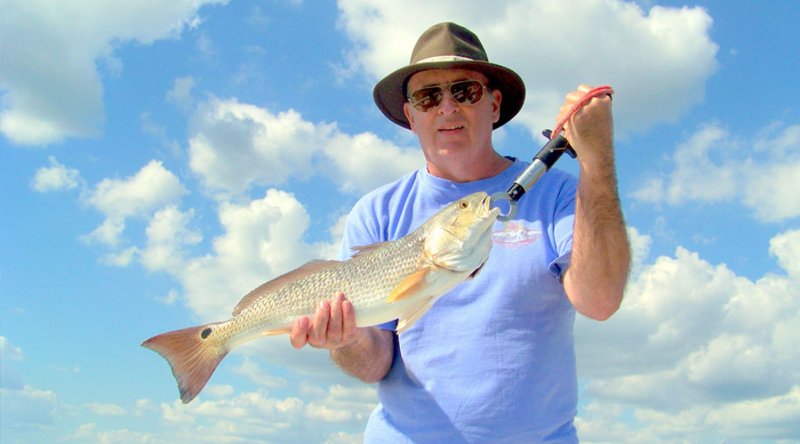 During cold winter fronts, the best time is usually once the sun is high and the grass flats have had a chance to warm up. However, anglers will often have luck early in the morning on warmer winter days in slightly deeper water. A general rule of thumb before fishing is to consider the temperature. If it’s too hot for you outside, it’s likely too hot for the redfish too. So fishing during this time, look for fish in shaded areas under docks or mangroves. Whenever it’s too cold for you, it’s probably too cold for the redfish as well. In case you’re fishing during this time, consider fishing later in the day when the temperatures warm up. Otherwise, your best bet will be in the deeper areas where the water is warmer if fishing on a frigid day. Then, as the temperature warms up throughout the day, work your way to the flats.
Top Baits and Lures For Catching Redfish
One of sport fishermen’s favorite things about fishing for redfish is that redfish eat a wide variety of baits, both natural and artificial. Dead natural bait, as well as live, will work. Live baits are the most effective method to consistently catching redfish, especially the big bull red. The best live baits are live shrimp, mullet, marine worms, mud minnows, Atlantic croaker, pinfish, ladyfish, and small blue crabs. When fishing for redfish in deeper drop-offs, pinfish and small mullet are usually the best live bait options. However, live minnows and shrimp are often the most effective when fishing in shallow mudflats. 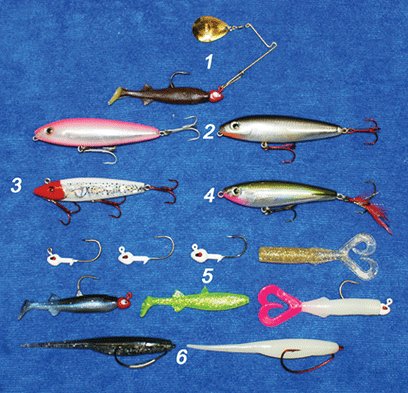
The best artificial baits are shrimp and crab-like plastic worms and jigs. Shallow running spoons and baitfish-shaped plugs are also effective. Anglers using poppers can expect explosive strikes from redfish cruising near the surface. Seasons may also impact the decision on which bait to use. Generally, in summer and Fall, redfish feed on crabs, shrimp, and mullet.
However, they primarily feed on pinfish, mullet, pinfish, sea robin, lizardfish, Atlantic croaker, and marine worms in winter and spring. Redfish are always looking for food; regardless of the environment or water depth, they adapt themselves to any situation. As a rule of thumb, if using live bait, use what’s in the water. If using artificial lures, try to imitate the baitfish or other prey that’s around.
Techniques
Bull reds on the beaches usually target mullets, so a popping cork with soft plastic is effective on the beach. Redfish will also cruise in the surf, right along with the breaks. The translucent blue tail always gives them away. Surf fishing is prevalent along the east coast. Surf fishing can involve wading in the water or fishing from the shoreline. If offshore fishing, Reds will roam in depths up to 30 feet deep. While trolling, watch for birds and blowups at the surface.
Tides
Tides play a significant role in the daily movements of redfish, especially in shallow water. Anglers can catch redfish in many different depths, but where they are and what they are doing will determine how you catch them.
In general, high tides, also known as the flood tide, will push redfish into the shallow flats. The low tide will pull them out of the shallows into the drop-offs with deeper water. This varies based on location and how much the high tide and low tide change. An effective artificial lure to use on the high tide or flood tide is one that imitates fiddler crabs. Red drum fishing during the flood tide may involve more blind casting rather than sight fishing.
Sight Fishing
 Sight fishing for redfish has become the norm for fishing redfish in many areas in Florida, with poling platforms on your boat and a strong trolling motor. The hunt is on when you know the tides and when the fish move onto a particular flat to start feeding. Sight fishing for redfish is the ultimate sportfishing experience. In many Florida mudflats, the best time to sight fish a redfish is on the incoming tide. During this time, the tide is still low enough to see the fish but high enough to hold the fish and is pushing bait towards the shoreline, creating a feeding frenzy.
Seasons may also impact where to spot reds. In the winter and spring, the Florida water is generally lower, cooler, and clearer. On sunny days the redfish will move onto the flats, where the water will warm up quicker in the sun making for ideal conditions for sight fishing for redfish. Florida waters are generally less clear in the warmer months, but spotting fish is still possible on grass flats near the edges of deep areas.
Tailing Redfish Fishing
One of the most amazing sights while fishing for redfish is spotting a tailing fish. This means they are face down in the mud looking for crabs and shrimp with their tails sticking through the surface of the water. It’s a beautiful sight and an exciting moment while fishing. The best time to catch a tailing fish is usually on the incoming tide while the water is still low enough for redfish tails to break through the surface. Anglers will usually have to cast closer to the fish to get noticed.
Red Drum Regulations
The slot limit is no less than 18 inches throughout Florida, no more than 27 inches in length. The daily bag limit is one redfish per person per day. The exception is the Northeast area in Flagler through Nassau counties, where the daily bag limit is two fish per person per day. Also, all Florida state waters from Hernando county through Collier County are catch and release only through May 31st.
Record
The all-tackle world record for the heaviest redfish caught was 94 pounds, 2 ounces. The Florida record is 52 pounds, 5 ounces.
iOutdoors Blog, Cape Canaveral Fishing, Mosquito Lagoon Fishing, New Smyrna Fishing, Offshore Fishing, Pompano Beach Fishing, Ponce Inlet Fishing, Stuart Fishing
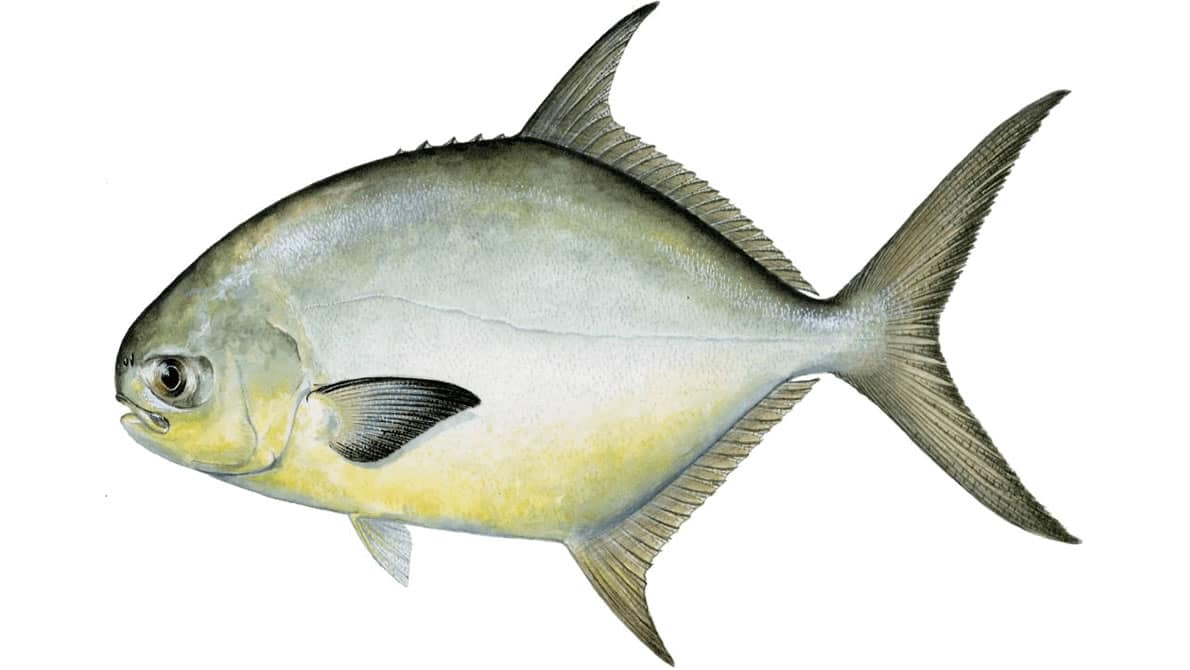
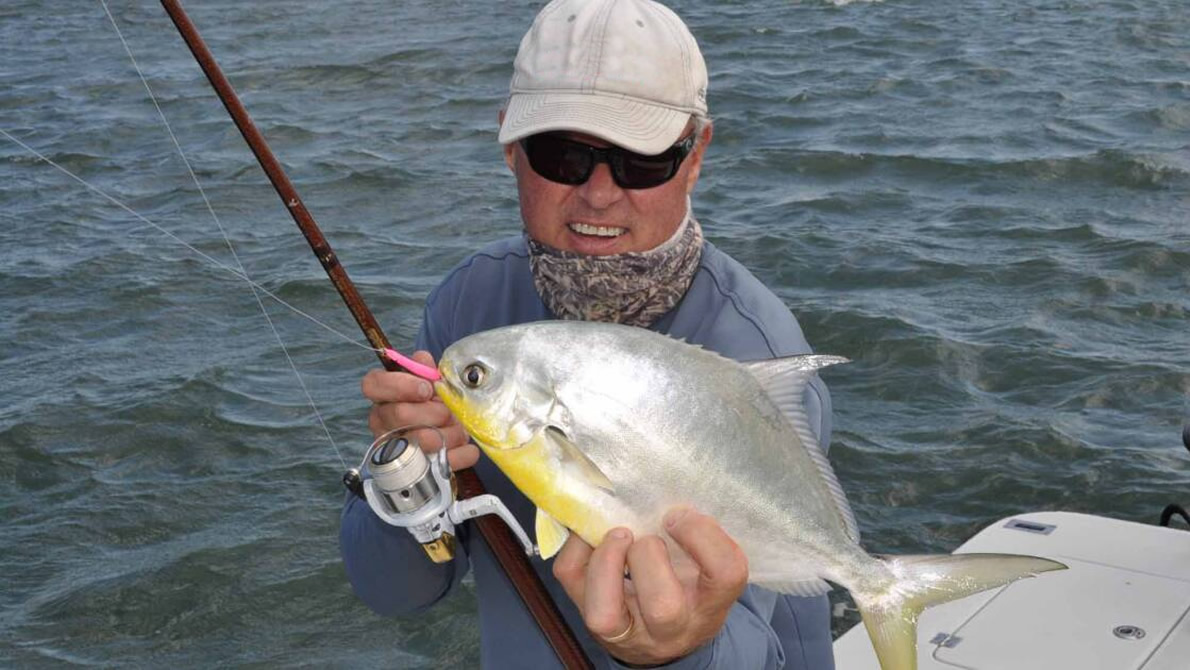
Pompano is one of the most highly prized game fish in all of Florida. Every year anglers from around the U.S. flock to Florida’s beaches to target these tasty fish. There mostly fished in the surf and inlets around the state. Here we will look at some of the best pompano fishing spots and how to catch pompano in all of Florida.
Indian River Lagoon
The Indian River Lagoon is a group of three lagoons along the Atlantic Coast of Florida. The incredibly biodiverse lagoon is home to some excellent pompano fishing. Anglers regularly catch pompano here drifting over flats, fishing along the channel edge, or fishing off the lagoons bridges.
Playa Linda
Along Florida’s East Coast, you’ll find the beautiful Playa Linda Beach. Suppose you’re looking for a productive spot to surf fish, you need to check this place out. Use shrimp and sand fleas to cast from the beach for a productive day of fishing.
South Hutchinson Island
The beaches near the central part of South Hutchinson Island are home to some great Pompano action. Bring along casting reel to cast from shore.
Hobe Sound
In Martin County, Florida, you’ll find a little place called Hobe Sound. This underrated fishing destination is a prime spot for beach fishing. There are also plenty of fishing piers to set up your pompano casting techniques.
Juno Beach
Juno Beach is another small town fishing destination located in Palm Beach County, Florida. Anglers regularly target pompano, snook, and snapper from the surf.
Sebastian Inlet
Sebastian Inlet State Park is home to excellent Florida fishing. Pompano is the prized fish in these parts, but bluefish, redfish, and Spanish mackerel are also regularly caught.
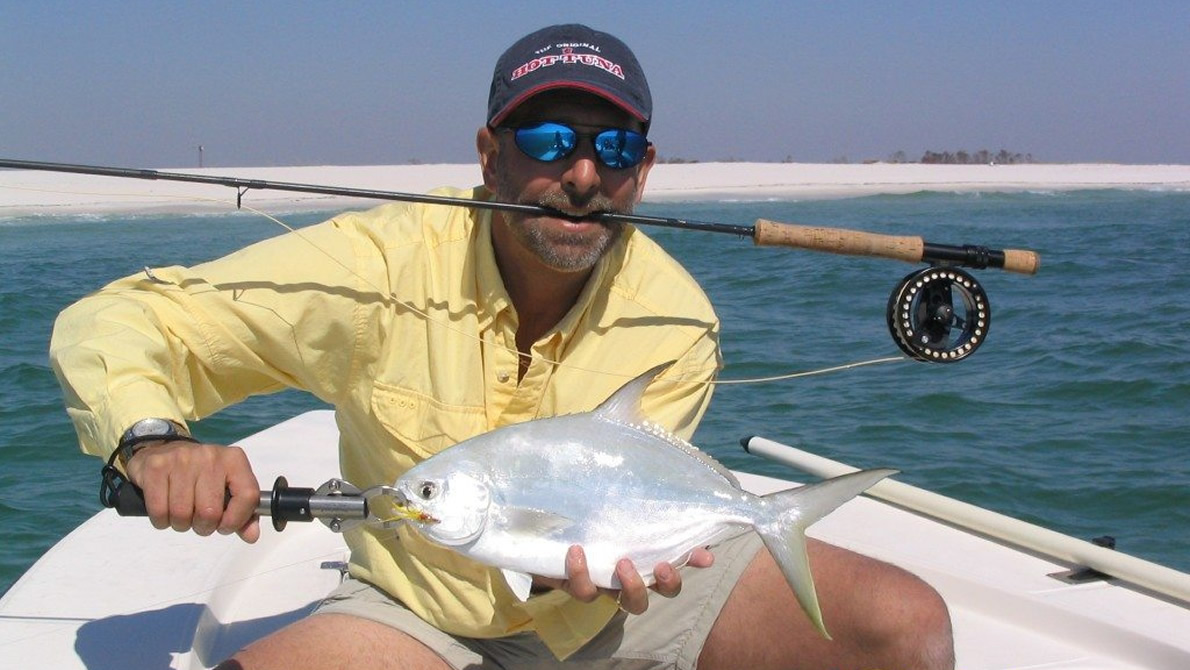
Cocoa Beach
South of Cape Canaveral, you’ll find one of the best fishing beaches in all of Florida. Cocoa Beach. In the troughs that form along the coasts, you’ll catch pompano, whiting, croaker, and occasionally snook coming to feed on the smaller fish that reside here.
South Florida
After the cold fronts of winter, South Florida becomes the pompano hot spot. Look along the beaches in Broward and Miami-Dade county for some excellent pompano action. The beaches and piers here can be very productive.
Equipment for Pompano
When targeting pompano in Florida, you can use several methods, such as fly fishing, pier, shoreline, or the surf’s coastal waters.
A spinning reel 3500 or 4000 series spooled with a 12 to 15-pound test line is useable for normal surf conditions while fishing inshore. On more massive surf days, an upgrade in size reel, one that can hold around 17 to 20-pound test line, may be more desirable for casting the larger objects needed to keep your bait in the right location.
Pompano fly fishing is a highly underused technique for successfully catching good fish. Pompano’s mouth is relatively tiny, flies mimicking a little shrimp or crab are beneficial for seeing them, learning how to catch pompano in fly fishing areas in the grassy flats and surf zones.
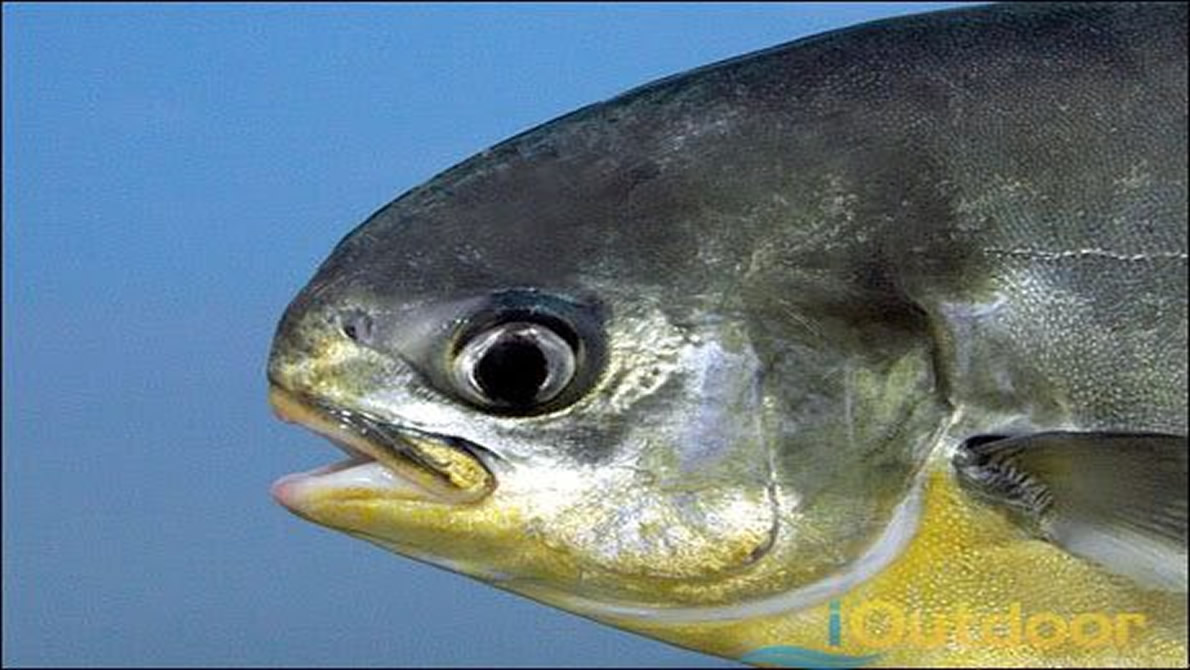
What Does Pompano Eat?
Pompano consistently eats shrimp, mussels, clams, crabs, and small baitfish.
The Florida pompano, primarily nutritional diet, has minimal restrictions. Because they eat small baitfish, they allow their dietary schedule to adjust to shellfish seasons. Sand fleas are dessert for Pompano as icecream is to you and me, and by far, the most savory is squid and shrimp. With that said, any time a crab or clam of any type is available, dinner is served!
Adopting these baits when fishing for Pompano is always an excellent idea.
Closing Thoughts
The key to catching pompano is fishing in the right areas. However, all the places we mentioned in this article are excellent for fishing. You have to fish the correct season to have your best odds of landing this tasty species.
In the springtime, when the water warms up, pompano migrates to the northern parts of Florida. They head south in the winter, so fishing along the Southern Florida Beaches is your best chance in winter. Remember to fish them in the right season when you head to Florida for your Pompano fishing vacation.

iOutdoors Blog, Cape Canaveral Fishing, Cocoa Beach Fishing, Inshore Fishing, Marco Island Fishing, Offshore Fishing, Snook Fishing
November Saltwater Fishing Report
November has been a fantastic month to explore Florida’s saltwater destination. Unusually warm weather until this first cold front allowed for saltwater species to remain active. Cooler weather will only enhance that bite further as well as draw different species to become even more active. Whether inshore fishing or deep sea fishing, you can have a blast catching a wide variety of species across the whole state of Florida. Enjoy this November saltwater fishing report from our local experts.
When it comes to traveling to Florida, choosing a destination is quite difficult. Each destination has its advantages and is uniquely different from the rest. One commonality between them all is that fishing is fantastic almost all year long. Our local experts are essential when looking to have a great day on the water. Years of experience have allowed these experts to become exceptional at reading water and putting their clients on fish.
Each destination brings about a unique style of fishing that you will never have to worry about because when you adventure out with us here at iOutdoor, all you have to do is step aboard and everything else is taken care of for you!
Marco Island Inshore Fishing
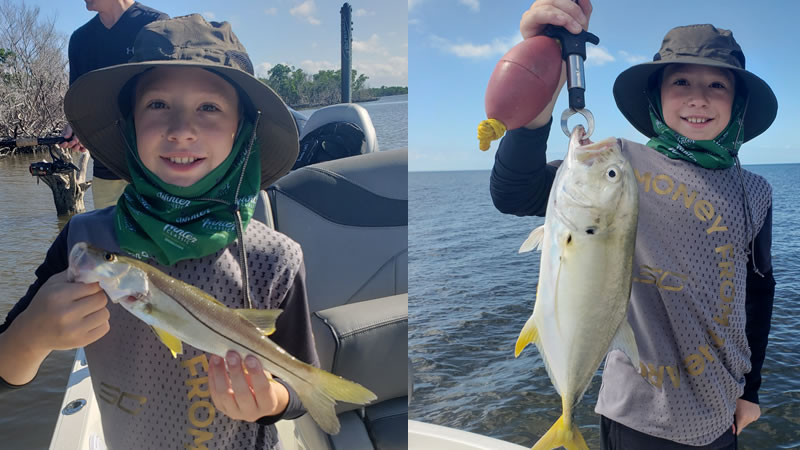 Our first fishing adventure brings us to Marco Island in Southwest Florida. In order to give you a better insight, our local expert, Captain Rick Mitchell was fishing out of Goodland, FL towards the Ten Thousand Island. His main focus was the inshore or backcountry waters of this incredibly beautiful place.
It is hard to describe what you will visually see when exploring the Paradise Coast. This place is just absolutely stunning all year long. Whether sunny beaches and islands to the vast abundance of wildlife, you will always have something to look at. You will also enjoy catches from multiple different species on your Marco Island Inshore Fishing Charter.
During the month of November, two methods were the most effective at putting fish in the boat: artificial baits and live baits. The most productive live bait was shrimp and artificial bait such as a Rapala hard jerk bait really helped put fish in the boat for anglers of all levels. As well, topwater walking baits kept the bite interesting and exciting!
Our travelers and anglers have been catching Snook, Redfish, Jacks, Mangrove Snappers, and so much more on their fishing trips. The action is red hot and the fish are biting. You may not see giant fish but you will have constant action that will help get your family more interested in fishing.
Palm Beach Deep Sea Fishing
Just shortly after fishing on the west coast, our local experts reported in from West Palm Beach, FL. This time, we were ditching the backwater and inshore fishing, and heading offshore or deep sea. Captain Wayne Fellows is our main expert in the area operating a center-console offshore fishing vessel. Palm Beach Deep Sea Fishing has been quite productive for landing some beautiful fish.
November is the month for one dominant species: Wahoo. The cooling temperatures of the water along with strong full moons brings in the fast and hard-fighting Wahoo. When looking to explore the waters for Wahoo, be sure to plan and book in advance to get you set up with the right equipment and expert to get the job done. 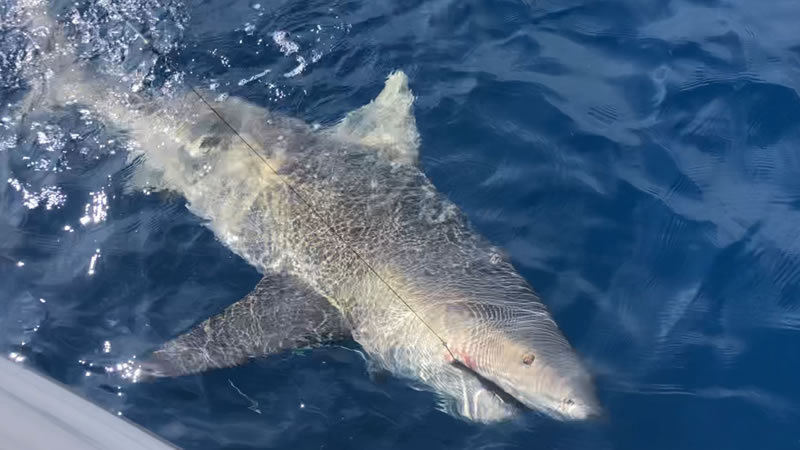
Several other species including Kingfish, Shark, and Sailfish are on the rise. November is an early month for the Sailfish but as the water temperatures begin to cool, you can have some awesome chances at some big fish. Kingfish and Sharks are still active and can provide a lot of offshore fun.
Captain Wayne also loves to Bottom Fish. You can enjoy catching Snapper, Grouper, Rosies, Tilefish and so much more when adventuring out. If you need in-time updates, we can get you connected with our local experts. Be sure to reach out and we will be glad to give you more information on any fishing at your travel destination.
Cocoa Beach – Cape Canaveral Inshore Fishing
Are you interested in catching Snook this November? When it comes to catching Florida Snook, you should always consider the east coast of Florida. Cape Canaveral, FL or Cocoa Beach, FL are great destinations to catch inshore Snook. Our local expert, Captain Mark Gay has been on some quality Snook all month long.
Port Canaveral is a hotspot for Snook Fishing. It is the closest port to Cocoa Beach and holds some excellent water for Snook. As bait flows in and out of the port, the fish stack up waiting for the feeding belt to feed them.
When it comes to inshore fishing for Snook, you have to pay attention to the tides. Luckily, your local expert, especially Captain Mark Gay will have you dialed in. From the first cast to your last, 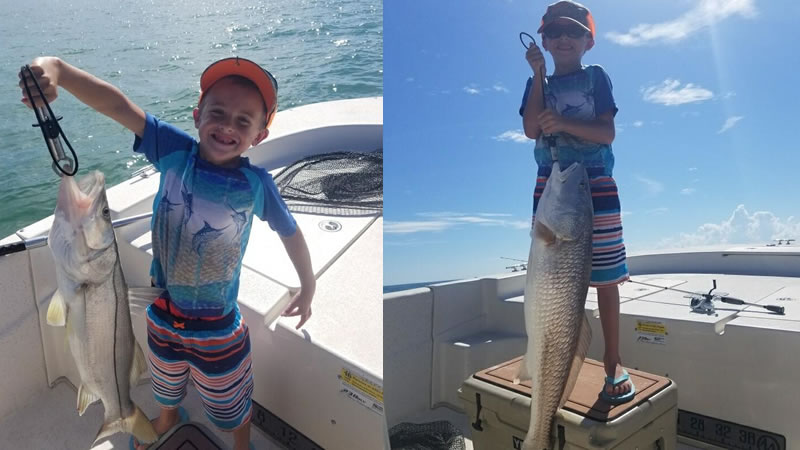 you can be catching inshore species. The most popular species right now may be Snook but you can also catch Redfish, Snapper, Trout (depending on area), and so much more.
Patience is the key when it comes to inshore fishing but luckily the bite has been off the charts lately. Now is your time to get on the inshore snook in Central East Florida. Our local experts will work hard to get you on the fish of your dreams!
Your Adventure Starts TODAY!
Florida Saltwater Fishing is on the rise. Fishing conditions are changing that promotes a strong bite from inshore and offshore species. All across the state of Florida, you can experience something unique and different. Our local experts will work hard to make it happen for you and to provide you with the most rewarding experience possible.
On your next visit to Florida, be sure to get in the outdoors any way possible. It will transform your vacation and make it one to remember. We hope that we can be apart of your time here in Florida. We look forward to see you on the water next time!
Your Adventure Starts Today while Visiting Florida.
If you enjoyed this post about Florida Fishing, you might also enjoy our Fishing Blogs.
Don’t forget to follow us on Facebook, YouTube, Twitter and Instagram.
[fusion_builder_row_inner][fusion_builder_column_inner type=”1_2″ layout=”1_2″ last=”no” min_height=”” hover_type=”none” link=”” border_position=”all”][fusion_button link=”#BOOKING” text_transform=”uppercase” title=”VIEW AVAILABILITY” target=”_self” link_attributes=”BOOKING” alignment=”center” modal=”” hide_on_mobile=”small-visibility,medium-visibility,large-visibility” class=”” id=”” color=”blue” button_gradient_top_color=”” button_gradient_bottom_color=”” button_gradient_top_color_hover=”” button_gradient_bottom_color_hover=”” accent_color=”green” accent_hover_color=”” type=”” bevel_color=”” border_width=”3px” size=”small” stretch=”yes” shape=”pill” icon=”fa-ticket-alt fas” icon_position=”left” icon_divider=”no” animation_type=”flash” animation_direction=”left” animation_speed=”0.3″ animation_offset=”top-mid-of-view”]VIEW AVAILABILITY[/fusion_button]

iOutdoors Blog, Bass Fishing, Bottom Fishing, Butler Chain, Cape Canaveral Fishing, Central Florida Fishing, Inshore Fishing, Kissimmee Fishing, Largemouth Bass, Offshore Fishing, Snook Fishing
Central Florida Fishing Report
It is not every day that you get the chance to go on vacation or even fishing. You are traveling down to Central Florida and a thought pops in your head: how’s the fishing doing? Central Florida Fishing in September has already been fantastic and is only getting better. Below we provide you an inside look at how the bite is and where it is going. Our local experts are your eyes on the water and we want to help you plan that adventure you are after. We hope this September Central Florida Fishing Report helps you along the way.
Whether you want to explore freshwater fishing or saltwater fishing in Florida, our local experts are the way to go. Fishing in Florida, in general, is an activity everyone can partake in but it’s not an activity everyone has success in. What many anglers fail to realize is that in order to have daily success on the water, you have to be on the water daily. So, when you are traveling to Central Florida and want to go fishing, make sure you get out with an expert that is dialed in on the action.
Before getting into the fishing report and Florida fishing update for this month, we would like to break down your opportunities. When it comes to Central Florida Fishing, you have several different options. You can embark on a freshwater fishing adventure or a saltwater fishing adventure. Freshwater fishing consists of largemouth bass fishing on the Butler Chain of Lakes or the Kissimmee Chain of Lakes. Both of these locations are fantastic all year long. You also have saltwater fishing options on the east and west coast. The closest location would be the east coast out of Cape Canaveral but you can access the west coast as well out of Tampa, FL.
One of the best parts about adventuring with our professionals and service is what we strive to provide you the best experience. We do not want to put you in a destination that will not meet your needs or your families needs. Most of our captains, guides, and experts are flexible not only with their time but where they fish. Our hopes are that when planning your next vacation, this could be a guide for you at picking your next adventure!
A yearly phenomenon is occurring as we speak along the east coast of Florida. It is something called the Mullet Run. Whether you love inshore fishing or offshore fishing, mullet is a great sign. Inshore Fishing in Florida is where it truly shines. The mullet run the beach and get inside the inlets providing some exceptional visual fishing for snook and tarpon among other species. If you want to hit the mullet run and have a great time, now is the time to go fishing!
Central Florida Inshore Fishing
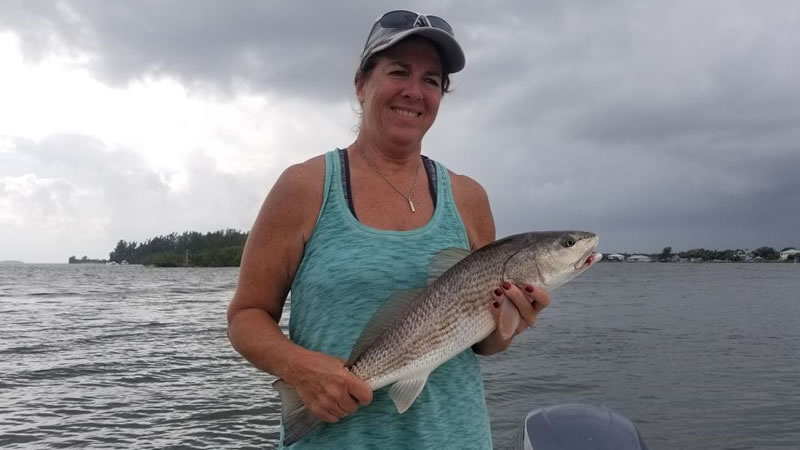 According to Local Expert and Professional Captain Devin Dickerson, saltwater fishing on the east coast has been on fire. The intercoastal waterways along with bridges have been attracting a variety of different species. Cape Canaveral Inshore Fishing is great for new anglers and those looking to catch numbers of fish. This destination will also challenge the experienced angler that is dialed in. Every fishing trip and charter should be a learning experience and a test on your knowledge. Luckily, you have an expert there present to help you along the way.
Are you one that gets seasick or don’t even want to take the chance? Inshore fishing is an exceptional option for you as you will never have to worry about seasickness. The calm nature of the inshore waters allows you to sit back and enjoy a day on the water with no worries. This is why when looking for a relaxing saltwater environment, inshore fishing is there for you. Inshore fishing also is a great opportunity to learn a new technique or catch a different species. You never know what passion comes from catch Snook, Redfish, Tarpon, Snapper, Flounder, and more on your fishing trip.
Captain Devin Dickerson has been taking out several clients and travelers inshore fishing out of Cape Canaveral. We are seeing great catches from mangrove snapper and flounder. As the mullet continue to get strong, big catches from Tarpon, Snook, and even Trout will pick up. Early September is just the start of some excellent late summer fishing. The upcoming months are going to be prime to land a hard-fighting inshore species in this Central Florida Fishing Report.
September is a great month to go inshore fishing for many reasons. Snook Season is most certainly one of them. September 1st opened up harvest season for Snook Fishing in Florida. You are allowed to keep 1 fish per day within 28-32” on the east coast with a valid Snook stamp and license. Go to myFWC.com to find out more information on the rules and regulations of fishing before embarking on your adventure. When you hop on board, your local expert will know all the regulations as well. Feel free to ask any questions. Please support conservation by purchasing the proper licenses along with abiding by the laws.
Central Florida Fishing Report for Offshore/Deep Sea Fishing
If you’re the one that wants to cruise offshore and into the deep blue sea, Cape Canaveral Deep Sea Fishing is a great way to do so. When it comes to Offshore Fishing in Cape Canaveral, you have two different styles of fishing: Bottom Fishing and Trolling. These two different styles yield different action and species. Deep-Sea Fishing can be fun as you can change it up and catch a multitude of species on one trip. If you can bear the seas, spend as much time as possible on the water.
Deep-Sea Fishing provide a unique perspective of Central Florida. It is amazing to be able to travel offshore and catch fish with the sight of land. This style of fishing can provide some delicious species to catch-and-cook. After finalizing your reservation to go deep-sea fishing, make sure to contact your local expert and discuss your fishing goals. They will make sure to make the right decisions to help get you on the species you are after.
Right now, both bottom fishing and trolling are red hot. We want to highlight the bottom fishing for red snapper during this month. One cool part about fishing Cape Canaveral is that you don’t have to run super far to get on fish. Wrecks and Reefs close to Cape Canaveral has allowed for exciting fishing and action within a short distance.
Our Local Expert and Captain Mark Gay is an exceptional guide for inshore and deep-sea fishing. He reports that the bottom fishing for red snapper is exceptional right now. After by-catching hungry sharks on the wrecks, Captain Mark started hooking into some really nice snapper. The whole month of September will be a great month for bottom fishing here in Central Florida. 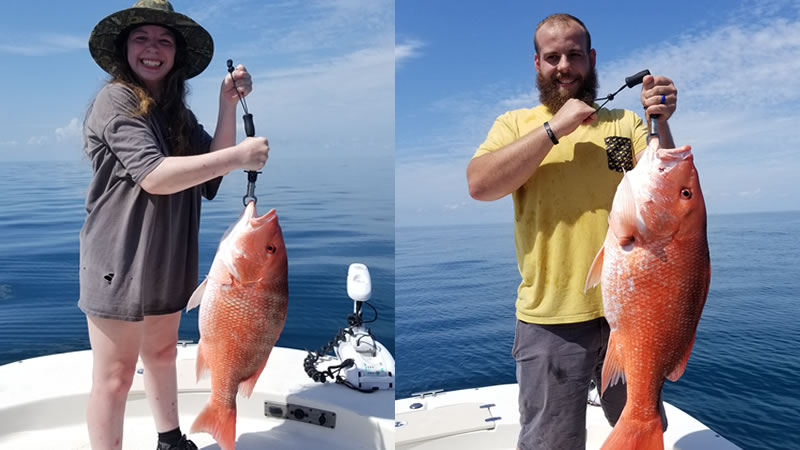
When the seas are calm, Captain Mark travels out to local and close-to-shore reefs that hold some awesome fishing. Summertime is a great time to go offshore because most of the time, the seas are calm. Winds are light and the breeze keeps the day cooler than it would be without wind. Luckily, when this happens Captain Mark can get offshore to his local spots for monster Red Snapper. As a result, he can put you on some awesome fish.
If you want to stay constantly moving, trolling may be a great bet for you. Late summer months like this one, call for sight-fishing offshore. Cruise out with Local Expert and Professional Captain Jacob Weston to get on some healthy offshore or deep-sea species. Right now is a slower month for offshore trolling but you can have fun catching King Mackerel and Bonita. Don’t be afraid to ask to drop a bait on a wreck or reef further offshore for some Amberjack and more.
Factors that Increase Success Deep Sea Fishing:
A constant variable to having success when trolling or sight-fishing is that you have to find one of two things: Structure or Birds. In order to capitalize on your trolling trip, you have to be on the lookout for structure. The structure can include floating wood or debris, sargasm lines, or anything that will attract fish. This structure naturally provides a place for smaller fish to hide and feed, which makes the bigger fish attracted to it. If you spot something like this in the distance, be sure to shut down super early and get everything ready before pursuing further. Luckily, your local expert will know exactly what to do.
Another offshore or deep sea variable to success is birds. Birds will give you clues to where the bait is. Bait is an integral factor in having success. If you find the bait, you will find the fish. See what happens is the fish push the bait to the surface and the birds push the bait down and as a result, you get a feeding frenzy. Throw cut bait, live bait, lures, a troll by it, etc for success during this frenzy.
Deep-Sea Fishing is a great option for those looking for the largest catch possible. During the right times of the year, you can have a lot of success catching some big fish. September is a transition period and it would be best to talk directly with a local expert to determine if going far offshore is the right option for you. Don’t forget, here at iOutdoor, we strive to put you on the best trip for your needs and your families needs.
Central Florida Bass Fishing
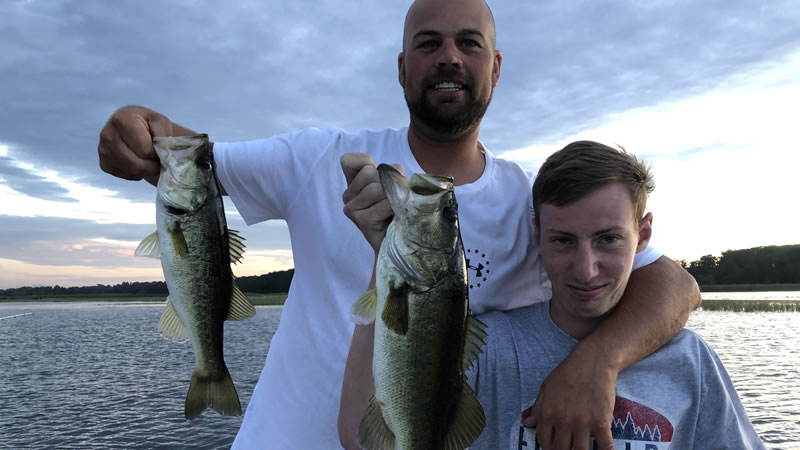 Now if you are looking for the most incredible outdoor experience in Central Florida, don’t look any further than Freshwater Bass Fishing. Central Florida is home to a massive amount of freshwater lake systems that hold beyond exceptional fishing all year long. Big or small, urban or remote, Central Florida is your destination for bass fishing in Florida.
The top 2 bass fishing destinations in Central Florida is the Kissimmee Chain of Lakes along with the Butler Chain of Lakes in this Central Florida Fishing Report. These two locations can bring you great success when looking for Florida largemouth bass. Each time of the year will bring about different fishing conditions and every year they change, which is one of the many reasons that a local expert is essential.
Our local experts and professional Captains have over 20 years of fishing right here in Central Florida. Captain John Leech and Captain Steve Niemoeller are both two exceptional guides to get you on the fish of a lifetime. As well, Captain Devin and Captain Mark also fish for largemouth bass on our fisheries. We have you covered when it comes to fishing here in Central Florida. Collectively, they all work together to put some beautiful fish in the boat for you.
The key benefit to freshwater fishing is that very rarely do you have conditions that impede your fishing trip. Florida weather passes rather quickly. Never let rain come in the way from a great day on the water. Most of your local experts will have rain gear on board for you. Windy conditions can play a different factor but many of our fisheries have areas with protected cover. Light winds will help push bait into pockets which will get the fish schooled up.
So, let’s talk fishing! The Butler Chain of Lakes is a truly unique fishery from the rest. This urban chain of lakes is surrounded by multi-million dollar homes that really enhance your fishing experience. As well, the Butler Chain has numbers of different birds and wildlife that you will get the opportunity to see. Butler is not characterized by trophy largemouth bass but count it out for producing some nice catches.
Butler Chain Fishing Report:
Captain Steve Niemoeller had the pleasure of fishing with Chris on the Butler Chain of Lakes. He was traveling from England looking to explore more of what Central Florida has to offer. After spending some time with his family at Disney, getting on the water was a must. Captain Steve suggested the Butler Chain in Orlando, FL and off they went.
It was a quick 4-hour fishing charter, but the action was hot and heavy. Chris landed over 15 Central FL largemouth on this trip. The biggest fish came in at 7.1 pounds and it was absolutely amazing. Check out this video to see the full action and potential of what the Butler Chain can offer you. 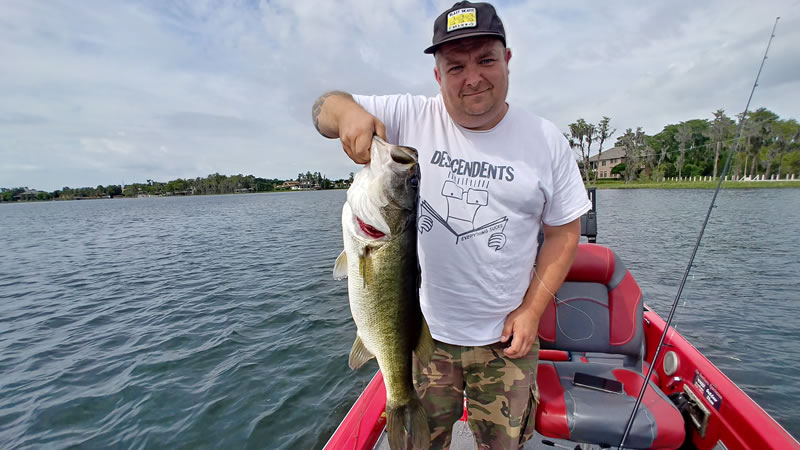
Captain Devin Dickerson also has been out Central Florida fishing. Generally this is what he has to say: “ Bass fishing is getting better. Early morning bites are the best. The bite dies down by 10 AM or 11 AM. Find moving waters or cover to help get the bass to the boat.” If you can get out during the early morning hours, you can see some success catching bass on topwater baits or live bait.
Melvin had the opportunity to explore the Butler Chain of Lakes as well. Captain Devin had the pleasure of fishing with him. Melvin was traveling from Georgia looking to cash in on some Florida bass fishing. While doing so, he landed over 20 Florida bass with the biggest weighing over 6-pounds. This was the exact reason why Melvin wanted to come fishing and Captain Devin made it happen for him. Captain Devin is looking forward to getting back out on the water again with him soon!
Lake Toho Bass Fishing Report:
Check out this updated report for September Lake Toho Fishing Charters here! The bite has been strong on Lake Toho. Lake Toho Bass Fishing expert and Captain Brent Nelson bring you some awesome catches. If you have a family or friends that want to catch fish in Central Florida, our experts will get you on them. Lake Toho has been a strong fishery for us during these summer 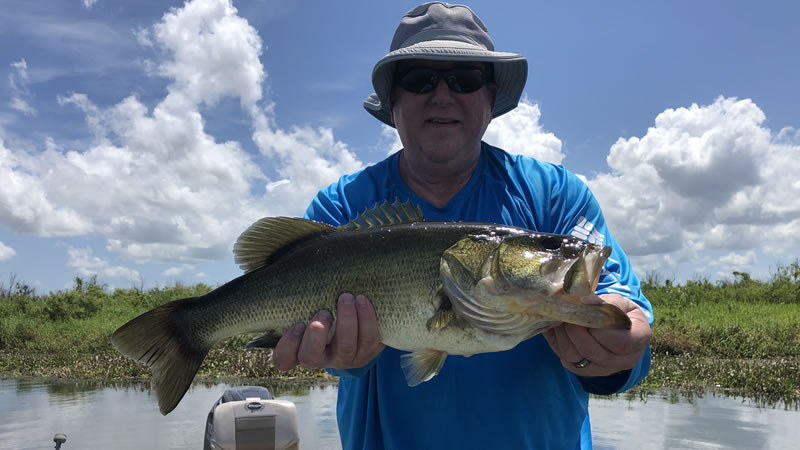 months, especially in September. We hope you get the chance to experience it!
Conclusion:
We hope you got some information out of this Central Florida Fishing Report. It is not every day that you get the chance to go explore what Central Florida has to offer and some guidance can always help. An outdoor activity can really help bring value to your trip and experience. We are always here to answer any questions and help you plan your next fishing adventure. Booking your trip is easy, especially with our 24/7 Online Booking. If you have any questions prior to booking, contact us via Messenger, WhatsApp, Email, or over the phone at 1-888-412-1117. All questions are acceptable!
Your Adventure Starts Today while Visiting Central Florida.
If you enjoyed this post about Florida Fishing, you might also enjoy our Fishing Blogs.
Don’t forget to follow us on Facebook, YouTube, Twitter and Instagram.
iOutdoors Blog, Animal Park Experience, Bass Fishing, Bottom Fishing, Cape Canaveral Fishing, Inshore Fishing, Largemouth Bass, Nature Adventures, New Smyrna Fishing, Offshore Fishing, Orlando Fishing, Redfish Fishing, Water Sports
Best Orlando Outdoor Activities
Are you planning on bringing your family to Orlando to visit the theme parks? Have you been here before and don’t know what to do on your additional days here? Orlando is filled with endless hidden treats that you can embark on outside the theme parks. The best Orlando outdoor activities are just within a car ride away.
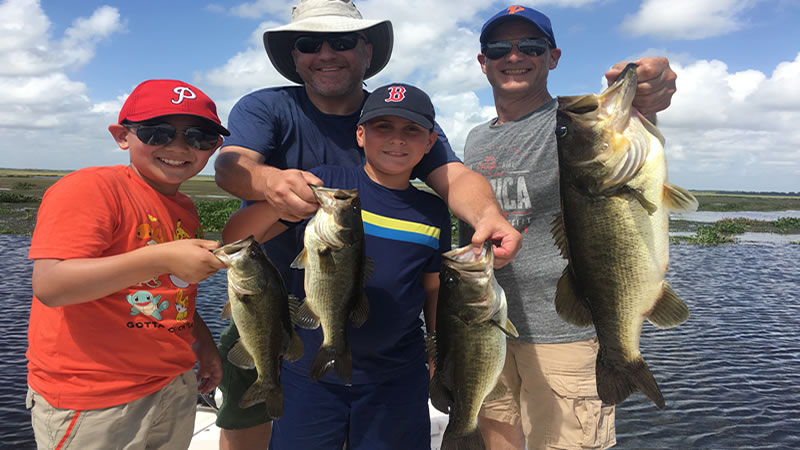
When you are visiting Central Florida and specifically Orlando, there is one outdoor activity that trumps them all: Fishing. Florida fishing here in Orlando is absolutely exceptional all year round. Whether you want freshwater bass fishing or saltwater fishing, you have access to it. Florida bass fishing is easily accessed as Orlando is surrounded by hundreds of freshwater lakes.
We specialize in fishing here at iOutdoor. Our local experts have years of experience that provide them knowledge to put you on the biggest fish of your life. Orlando has two dominate lakes that produce fantastic trips all year: the Butler Chain of Lakes and Lake Tohopekaliga. Both of these beautiful lakes are within minutes of the theme parks in Orlando. If you are looking for a quick getaway and want to get the rod bent, this is one of the best opportunities.
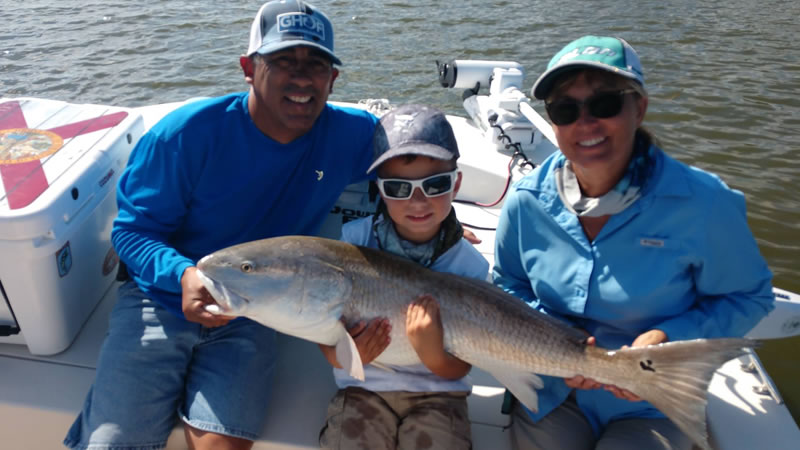
If saltwater fishing is a better alternative or more appealing to you, the east coast holds the most exceptional fishing the state has to offer. Just a short drive away you can be on some excellent species whether in New Smyrna Beach or Daytona Beach along with Cape Canaveral. Most noteworthy, the inshore fishing for trophy bull redfish is by far the best experience. You don’t have to worry about sea sickness on this fishing trip. While you cruise the backwaters, you will be able to experience endless wildlife and hard-pulling inshore species.
Don’t count out though battling the seas for big pelagic species including sailfish, mahi-mahi, wahoo, kingfish as well as bottom fish like grouper and snapper. Furthermore, offshore or deep sea fishing is a great opportunity to get the whole family on the water especially larger parties for some outdoor fun. 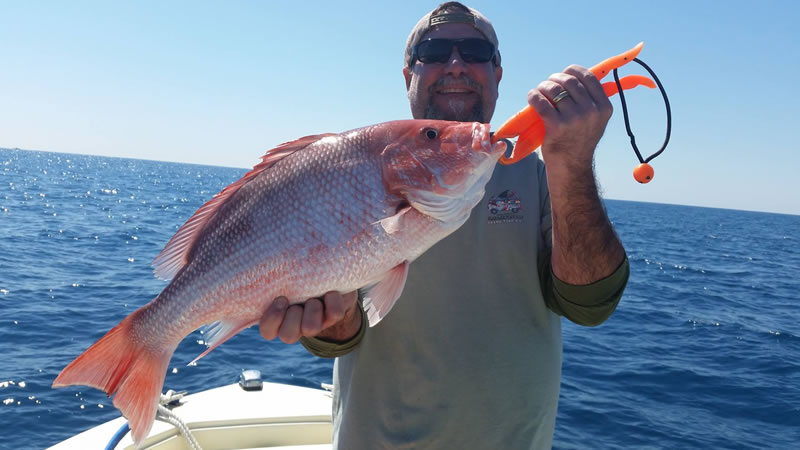
If you want to stay closer to Orlando, you can also experience several other awesome outdoor water activities. Staying cool and refreshed is not a problem in Central Florida especially if you visit the Orlando Watersports Complex. While you won’t be setting the hook into your dream fish, you can learn how to wakeboard, wakesurf, kneeboard or waterskii with professional, kind and attentive staff. This is a great addition to your Florida outdoor vacation
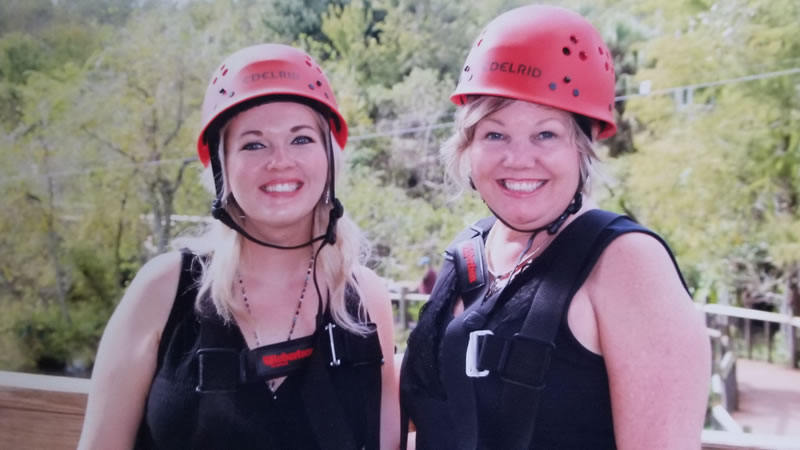 The outdoors truly can enhance your Florida vacation. One of the other amazing experiences you can encounter is Gator Land. Learn all about our wildlife at this incredible place. You will not only educate yourself on Florida’s wildlife but you can zip line through the park along with watch reptile shows that can amuse your family. Add this to your freshwater fishing trip and you will truly get to explore all Orlando has to offer.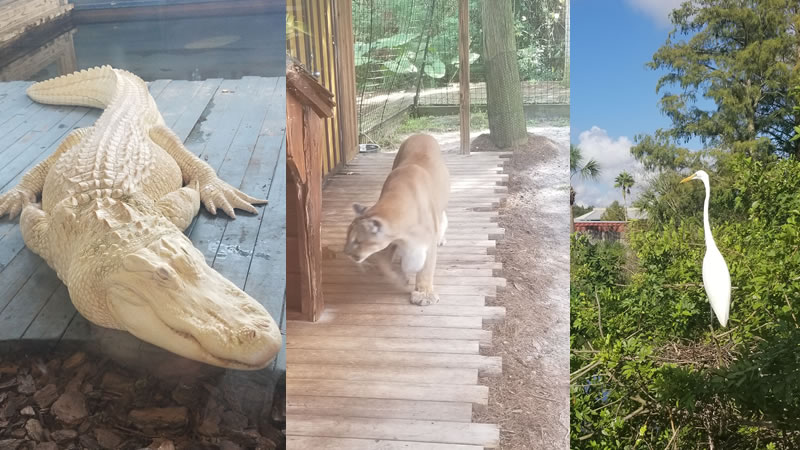
Above all, when you visit Florida, don’t miss out on getting outdoors. Enjoy the beautiful weather, get some sun in your face and experience everything Florida has to offer. Each time of year will give you a breathtaking view and most certainly a different fishing experience. Fishing along with the additional outdoor activities mentioned can help you create memories worth a lifetime. Orlando, Florida is the ultimate family destination that can satisfy all your needs in one location. We look forward to sharing the experience with you!
Your Adventure Starts Today while Visiting Orlando.
If you enjoyed this post about Outdoor Activities, you might also enjoy our Fishing Blogs.
Don’t forget to follow us on Facebook, YouTube, Twitter and Instagram.
