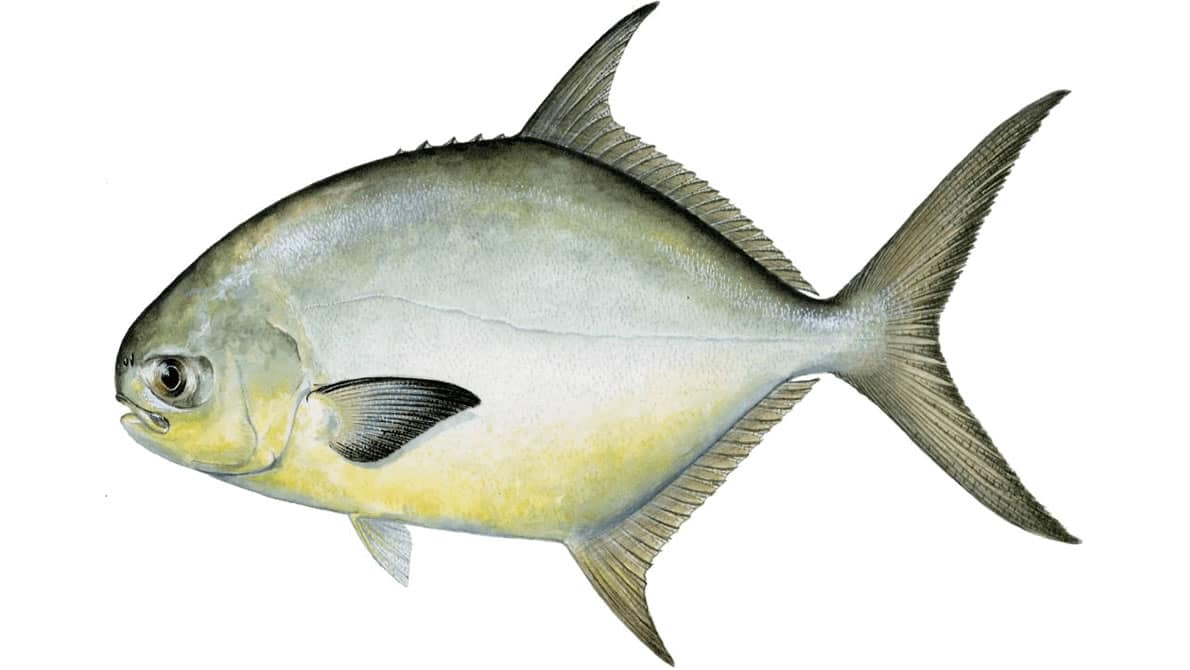
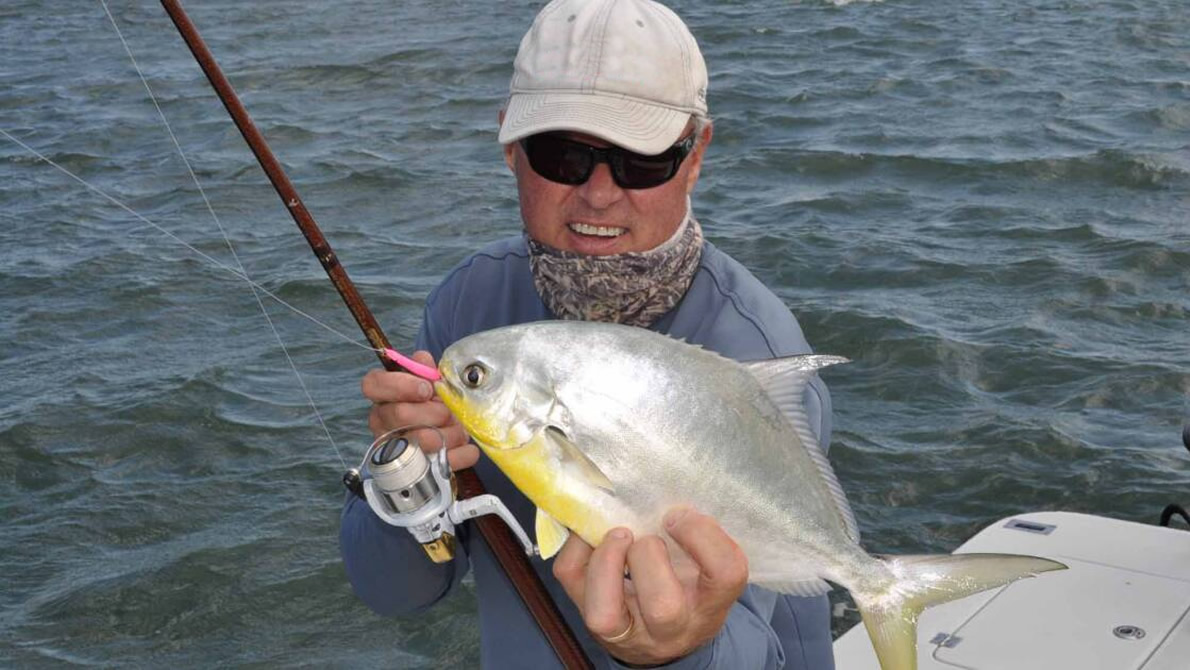
Pompano is one of the most highly prized game fish in all of Florida. Every year anglers from around the U.S. flock to Florida’s beaches to target these tasty fish. There mostly fished in the surf and inlets around the state. Here we will look at some of the best pompano fishing spots and how to catch pompano in all of Florida.
Indian River Lagoon
The Indian River Lagoon is a group of three lagoons along the Atlantic Coast of Florida. The incredibly biodiverse lagoon is home to some excellent pompano fishing. Anglers regularly catch pompano here drifting over flats, fishing along the channel edge, or fishing off the lagoons bridges.
Playa Linda
Along Florida’s East Coast, you’ll find the beautiful Playa Linda Beach. Suppose you’re looking for a productive spot to surf fish, you need to check this place out. Use shrimp and sand fleas to cast from the beach for a productive day of fishing.
South Hutchinson Island
The beaches near the central part of South Hutchinson Island are home to some great Pompano action. Bring along casting reel to cast from shore.
Hobe Sound
In Martin County, Florida, you’ll find a little place called Hobe Sound. This underrated fishing destination is a prime spot for beach fishing. There are also plenty of fishing piers to set up your pompano casting techniques.
Juno Beach
Juno Beach is another small town fishing destination located in Palm Beach County, Florida. Anglers regularly target pompano, snook, and snapper from the surf.
Sebastian Inlet
Sebastian Inlet State Park is home to excellent Florida fishing. Pompano is the prized fish in these parts, but bluefish, redfish, and Spanish mackerel are also regularly caught.
Cocoa Beach
South of Cape Canaveral, you’ll find one of the best fishing beaches in all of Florida. Cocoa Beach. In the troughs that form along the coasts, you’ll catch pompano, whiting, croaker, and occasionally snook coming to feed on the smaller fish that reside here.
South Florida
After the cold fronts of winter, South Florida becomes the pompano hot spot. Look along the beaches in Broward and Miami-Dade county for some excellent pompano action. The beaches and piers here can be very productive.
Equipment for Pompano
When targeting pompano in Florida, you can use several methods, such as fly fishing, pier, shoreline, or the surf’s coastal waters.
A spinning reel 3500 or 4000 series spooled with a 12 to 15-pound test line is useable for normal surf conditions while fishing inshore. On more massive surf days, an upgrade in size reel, one that can hold around 17 to 20-pound test line, may be more desirable for casting the larger objects needed to keep your bait in the right location.
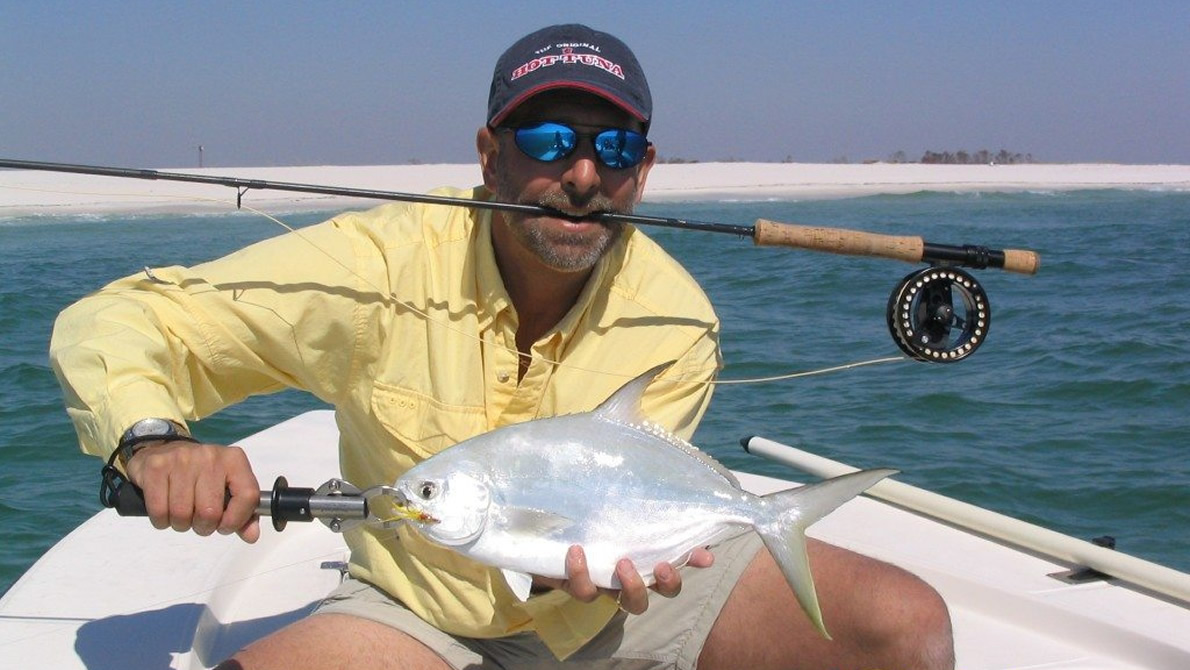
Pompano fly fishing is a highly underused technique for successfully catching good fish. Pompano’s mouth is relatively tiny, flies mimicking a little shrimp or crab are beneficial for seeing them, learning how to catch pompano in fly fishing areas in the grassy flats and surf zones.
What Does Pompano Eat?
Pompano consistently eats shrimp, mussels, clams, crabs, and small baitfish.
The Florida pompano, primarily nutritional diet, has minimal restrictions. Because they eat small baitfish, they allow their dietary schedule to adjust to shellfish seasons. Sand fleas are dessert for Pompano as icecream is to you and me, and by far, the most savory is squid and shrimp. With that said, any time a crab or clam of any type is available, dinner is served!
Adopting these baits when fishing for Pompano is always an excellent idea.
Closing Thoughts
The key to catching pompano is fishing in the right areas. However, all the places we mentioned in this article are excellent for fishing. You have to fish the correct season to have your best odds of landing this tasty species.
In the springtime, when the water warms up, pompano migrates to the northern parts of Florida. They head south in the winter, so fishing along the Southern Florida Beaches is your best chance in winter. Remember to fish them in the right season when you head to Florida for your Pompano fishing vacation.
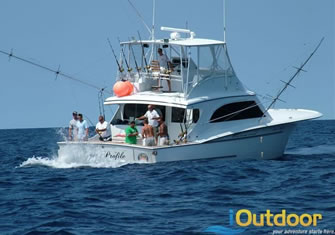
On our Destin Fl Deep Sea Charter from our fishing trip on Friday and Saturday. We combined the trips to help ensure the guys caught some big fish. They really wanted tuna and it wouldn’t have been possible on the shorter trip because of the distance we needed to travel.
We had another great group of guys from the railroad industry to take fishing, the weather was perfect for our fishing trip. The seas were calm and the sun was shining. While on the way to fish for tunas, we got to see three humpback whales. The guys got plenty of pictures and some great videos. The second whale actually turned and swam towards us before diving down about 100 feet from the boat. We hoped this was going to be a good omen, as these were definitely rare sightings around Destin.
On with the Fishing
Around 4 pm we started trolling lures and baits. Within 20 minutes s two yellow-fin tunas were hooked up and weighed around 65 pounds each. Once it got dark, we began jigging and chunking for tuna’s which is quite common this time of the year. Over the next 6 hours, the guys managed to catch eleven additional Yellowfin and over thirty Blackfin tunas. The largest yellowfin was in the 80 pound class. In addition to the tunas, we caught more barracudas than we wanted. There was definitely not a shortage of action once the fishing started. All the boxes were full of fish and it was time for the ride home.
We look forward to taking these guys again, not sure if it was luck or just perfect timing but will find out on the next trip. Next time we will try to work on their goal of catching sharks and swordfish. On this trip, they all got to catch their first yellowfin tunas. It is so exciting to help people catch fish that they have never caught before.
More about Deep Sea Fishing in Destin
Destin Florida is known as ‘The World’s Luckiest Fishing Village,’ it’s no surprise that deep-sea fishing is so special in the area. Because of its geographic location, it is one of the closest ports to the Gulf of Mexico’s deep blue waters. The area boasts the largest fishing charter population in Florida, with hundreds of charter boats the area is primed and ready to show you what lies in the deep blue sea. Without a doubt, deep-sea fishing is the craze. But, Destin also for those concerned with seasickness has spectacular inshore and nearshore fishing charters.
Area charter boats are known for the outstanding bottom fishing for Red Snapper, but during a Destin deep sea fishing charter and you’ll find many other species that will get your attention. Snowy Groupers, Yellow Edge Groupers, and Golden Tilefish are common when using the technique called, “deep dropping.” While a lot of this style of fishing is done after dark, it makes it quite common to use glow sticks and LEDs for deep water. Always some of the most exciting deep sea fishing is trolling for pelagic fish, and Destin pretty much has it all.
When is the Right time Go?
As with all locations in Florida or better yet on the coastal waters of the United States, there is always something to catch year-round. While Gulf of Mexico is no exception to this, you always have to consider weather conditions when taking a deep-sea fishing trip. Charters are commonly rescheduled due to weather in Destin, the winter brings high winds and cold. Why does the summer bring thunderstorms and hurricanes? It is still the most popular time to fish and vacation in Destin.
The summer brings exceptional Snapper, Tilefish, Swordfish, and Groupers fishing. If you are in search of pelagic fish, April to October is prime fishing time. A short window between, June-July can be an outstanding time to fish for wahoos, Tuna, Mahi, and Sailfish. And to be more specific, Destin even has a small window for White and Blue Marlin which is in September.
October is a time to avoid for fishing charters, as you witness to the Destin Fishing Rodeo with hundreds of boats on the water. For serious anglers, this is something to experience at least once!
Important, when we are talking about Mahi Mahi fish, we are talking about the Mahi fish, unrelated to the marine mammal bottlenose dolphin. It’s known by most people from their Hawaiian name, Mahi Mahi. But also their Pacific coast name Dorado or Cryphaena Hippurus and better known in Florida and along the US East coast as a dolphin. This amazing fish is hard fighting, good tasting, and a fast-growing renewable ocean resource. One of the fastest-growing fish in the ocean, Mahi or Dolphin have a voracious appetite and is easy to entice to strike slow trolled artificial lures and if hooked and kept near the boat will bring others close by schooling dolphin in for a snack.
Mahi can be found practically worldwide and are a dinner-time favorite everywhere. The southeast coast of Florida and the Keys are some of the best Dolphin fishing waters available. Much like Sailfish, both know for their great dorsal fin and as a pelagic species of Dolphin fish, which means they roam the open ocean. They prefer warmer waters and the prime location for catching Mahi Mahi fish is the Gulfstream along the East Coast of Florida.
Best tactics for catching Mahi
It has always been a great summertime pleasure for me to troll for dolphin fish with artificial lures rigged with frozen ballyhoo. Mahi fish are surface feeders and if you closely watch your trolled baits. In a similar fashion, seeing the dolphin as they beeline in, generally at a right angle to the bait, for a steam roller strike. Also, the Mahi Mahi fish can be very acrobatic when they are hooked also. Providing an angler a good show and thrilling battle. Here’s a catch, I have always found that pink and white or black and red or black and white or the best color choices for artificial lures. When possible, I like a skirt with a flat head that smokes and weaves and wobbles and leaves a bubble trail as it is pulled through the water.
I have trolled as many as six rods at a time with several different colors and styles of artificial lures rigged with ballyhoo. Likewise, the optimum trolling speed is about six knots depending on whether you are going with or against any prevailing currents and winds. Sight fishing plays an important role in dolphin fishing. Watch for circling birds! Even one lone bird hanging out in a certain area almost certainly means there is action beneath him. Look out for schools of flying fish, one of the Mahi fish’s favorite snacks, good sign dolphins are just below.
Best Conditions for Mahi
Dolphins like a cover and you will typically find them around floating debris and weed lines of Sargasso seaweed. Trolling rods in the 30 pound class with matching conventional reels spooled with 25 to 30-pound monofilament lines make a perfect combo for catching dolphins. I personally have caught dolphins on fly rods and reels and found it to be one of the most exciting open ocean challenges there is! Dolphin fishing is a relatively easy relaxing and enjoyable summertime trip that can bring big thrills, lots of fish, and some very good eating. Believe me, Mahi Mahi fish is the easiest blue water fish to catch for the average angler and pays off big time on the dinner table so get out there and perfect your technique!
Directions : Prep Time: 10 mins – Total Time: 25 mins
Cut fillets into 2-inch chunks and drizzle with the lemon juice.
Pour the beer into the bottom of a saucepan. (If using fresh lemon juice, toss the leftover lemon rind in with the beer.) Then place a collapsible vegetable steamer over the beer.
Bring the beer to a boil, place the fish chunks in the steamer. Cover, and steam for 5 to 10 minutes, dependent upon the thickness of the fish.
The fish will be rubbery if it is overcooked.
Meanwhile, heat the butter sauce with the garlic and salt (I heat it slowly until the garlic is no longer raw).
Remove the fish from the steamer and discard the beer/liquid/rind.
Serve the fish chunks with the garlic butter dipping sauce and your favorite sides.
Ginger Glazed Mahi Mahi Recipe
Bursting with flavor and combines both sweet and sour taste sensations. The 30 minute prep time includes 20 minutes to marinate. This recipe is a snap and so delicious. You’ll love it!
Ingredients
Honey 3 tablespoons
Soy sauce 3 tablespoons
Balsamic vinegar 3 tablespoons
1 teaspoon grated fresh ginger root
1 clove garlic, crushed or to taste
2 teaspoons olive oil
4 (6 ounces) Mahi Mahi fillets
salt and pepper to taste
1 tablespoon vegetable oil
Directions
In a shallow glass dish, stir together the honey, soy sauce, balsamic vinegar, ginger, garlic, and olive oil. Season fish fillets with salt and pepper, and place them into the dish. If the fillets have skin on them, place them skin side down. Cover, and refrigerate for 20 minutes to marinate.
Heat vegetable oil in a large skillet over medium-high heat. Remove fish from the dish, and reserve marinade. In addition, fry fish for 4 to 6 minutes on each side. Equally turning only once, until fish flakes easily with a fork. Remove fillets to a serving platter and keep warm.
Also, pour reserved marinade into the skillet, and heat over medium heat until the mixture reduces to a glaze consistently. Spoon glaze over fish, and serve immediately with your favorite side.
What’s best served with this dish?
I love an Asian Instant Brown Rice, as it goes so well with most meals and is healthy yet easy. For a skillet rice dish, a Rice Pilaf with mushrooms is a fantastic choice.
What about the veggies? I really like Lemon Dill dressing with Spinach or Mediterranean Salad for some greens and make it a full meal. Additionally, a nice serving of Roasted Vegetablesgoes very well and makes an amazing and simple dinner as well.
Purchasing Mahi Mahi Fish if you can’t catch it?
Mahi-mahi at restaurants is almost always sold as skinless fillets and is generally considered sustainable seafood. If you can’t find it fresh in your local market, check the frozen seafood section, which may sell them as individually frozen fillets. Megastores like BJ’s and Costco sell packs of frozen fillets. If you can’t find Mahi Mahi, look for a halibut, swordfish, or snapper which are meaty white fish as an alternative.
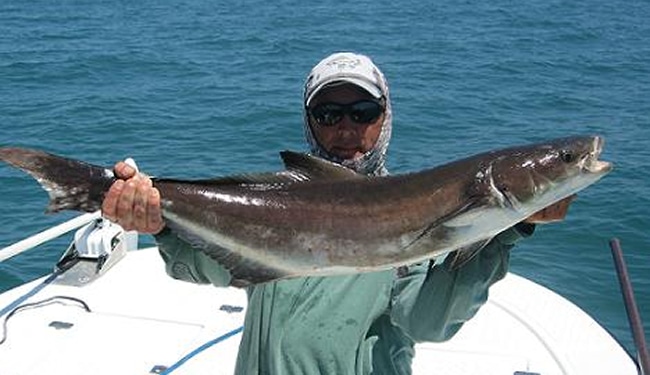
What Cobia bait? Because the waters of Florida, which have a warm temperature and abundant marine life. It’s home to thousands of fish species including the great Cobia. The Cobia is among the most favored game fishes because of its variations in size, growing from 2 meters to 6 feet. This fish is abundant all throughout the state of Florida but does have a few favorite places to hang out. Including, Tampa, Palm Coast, St Augustine, Florida Keys, and a regular to Destin, which also known as “The World’s Luckiest Fishing Village”.
Found on Florida’s Emerald Coast, the city of Destin is one of the top places for Cobia fishing in the world. Cobia can be found inshore in Destin particularly in the city’s bays, inlets, and mangroves, and also nearshore around stationary and floating objects like pilings, beacons, markers buoys, and wrecks.
The Cobia can be easily caught fish because it is attracted to boats. Being an extremely curious fish species, causes it to be very vulnerable. However, just like fishing for any other game fish, the equipment you use is key to success. Among the most important fishing items to consider in Cobia fishing is bait. When choosing a bait to catch Cobia, of course, you can choose between natural or artificial bait.
Natural Best Cobia Bait
When choosing natural bait, get a hint from the Cobia’s feeding behavior. The Cobia’s diet mainly consists of crabs though they also feed on eels, shrimps, clams, squids, and smaller fishes. Fishes that serve as prey of the Cobia include the menhaden, minnows, mullet, perch, and spot among others which we will get more info below.
Because all the above-mentioned baits are not available all-year-round, you should choose on the basis of their availability during the season. You can purchase live bait in tackle shops in and around your fishing area. Many anglers choose to catch them on there own.
Another common forage species, juvenile mullet. A black and silver juvenile mullet are mostly caught by casting a net. Although some coastal tackle shops stock them in season. The size and shape make for aerodynamic casting or trolling ability. And they stay frisky in large live wells or even 5-gallon buckets for a long time. By covering the bucket with a damp towel. It prevents escape and keeps them calm.
Artificial Cobia Bait Rigs
When using artificial bait, you can use any type as long as they match the natural bait the Cobia is feeding on at that time of the year. Because the Cobia is a very discerning fish, the diversity of artificial baits in size and styles is important. The Cobia has great eyesight!
There are no rules in choosing the type of bait to use. Normally, the kind of bait to use depends on personal preference and experience of the angler. A variety of baits, however, is the key to a successful Cobia fishing as one type of bait that may catch a Cobia may not catch the next one.
You can find Cobia following bigger marine predators such as turtles, sharks, and manta rays as they scavenge for food. You could also search for them in bays and channels. Although they are available year-round in Florida, they are most abundant during November when they migrate northwards.
Fishing Regulations
Cobia is a specie that can be fished all year long. In Federal waters, you can keep up to two fish per angler. In Florida State waters on the Atlantic side, you can keep one fish per person, or six fish per boat maximum, whichever is less. On the Gulf coast of Florida, you can only keep two fish per boat. The minimum size limit is 33 inches, head to tail fork. All fish must be landed intact and kept that way before cleaning.
Fly Fishing Tactics
Fly fishing for Cobia is best done when you can spot the fish, what they refer to as sight-fishing your target. A really efficient way to catch Cobia on a fly is the same technique used fishing for Mahi Mahi. One you the first Cobia hooked, use the fly rod to catch repeatedly around the hooked Cobia as they almost always travel in groups. This technique will arouse those fish nearby and there’s a very good chance they will bite.
Chumming, Who, What, How, Where, and When to do it?
What does “chum the waters” mean?
There are plenty of meanings for chumming or “chum the waters”, but it all depends on the context. The expression may be used to mean “churn the waters” or to make the waters muddy. It also used to indicate that someone got sick on the trip and threw up on the waters. Bird enthusiasts often “chum the waters” by dumping fish to attract seagulls and other sea birds that they, then, try to identify.
Still, in the world of fishing, “chum the waters” or chumming means dumping bait or something into the waters to attract fish. What to dump in the water largely depends on what species you are trying to attract. Though theoretically, any type of bait or fish that you dump into the saltwater will surely attract many fish species – or the fish that you had lured to the chum will attract bigger fish, the ones that you wanted to land. Well, it is often a win-win situation.
What is chumming for sharks?
Chumming simply brings sharks closer that would otherwise not be in the area in proximity to people in the water? Does the chumming alter shark behavior in any significant way? If you are targeting sharks, use a bloody fish. Sharks have a very keen sense of smell so that they could smell blood no matter how diluted it might be.
Unlike the other fish species, sharks aren’t going to congregate on the surface, and spend time cavorting in the same area month after month. Sharks need a little incentive to show up at the boat side. By applying chumming techniques to your fishing arsenal you can lure sharks to your fishing grounds. By tossing the sharks chum, you can keep them in the area for hours. There are certain species of sharks that will readily come to your boat and stay close by. Other sharks like the mako, porbeagle, and thresher a much smarter. They can get lured in and will come very close, but remain at the boat for a few minutes, quickly leaving to get to a safe zone.
What is chumming the water?
There are many different techniques and devices used to be placed in the water. The simplest is throwing it directly into the waters but if you want to make it last longer, you might want to use a perforated bucket attached to a rope that will tug the bucket along as the boat moves. You can also use a mesh bag – and cage, if you are trolling for sharks.
Grinding it up is also a good idea, though you might still want to add in a few pieces of cut fish. So, what does chumming it up mean? It’s when you use dead bait, old fish carcass, and grid or cut it up in many small pieces. Mixed thoroughly, with added fish remains and blood you are ready and go “chum the waters”.
Why is chumming bad?
Each individual situation is different. It depends on the location your chumming? the species you are chumming? and the amount you are chumming? All these can lead to reasons to answer, “why is chumming bad?” or even “when is chumming bad.” Massive amounts in any area are mot good for the environment of the local species. It also provides a high level of aggression to all fish feeding in the area.
Based on the species and location, it can lead to a chain of feeding attacks. Smaller fish feeding on the chum, attract large fish which then feed on them creating a cycle up the food chain until you reach the top which could be sharks. As to how much chumming is bad, it always going to be a decision that needs to be measured locally based on the gathering of information.
Where is chumming illegal?
Where is chumming illegal? Why chumming is legal widely around the world, but in some places, it has become illegal. In the United States, several different states are treating this differently. The state of Alabama is treating it as a danger. Solely based on the pose conditioning it associates with sharks when feeding. And that residents could swim in the same waters. Florida FWC also put forth regulation, but ones that obviously had more thought put into it. Florida also made it illegal when shark fishing, but only when fishing for any species from the beach.
Where is chumming legal?
Chumming is a common practice seen as effective by fishermen all over the world, typically used in ocean waters. Florida looked at all the restrictions for this and decided that it is a safe widely spread used and that based on the science that was no reason to make it illegal. Mainly because many of the areas fished have vast barren sandy bottom structure around Florida. Most of the state views it as a necessity and common practice. The new ruling went into effect on July 1, 2019
Offshore Fishing:
Offshore fishing is the most relevant place to use chum. Chumming the waters can be done in a multitude of ways. Most common, with bags, buckets, or chunking it out there are all excellent ways to attract fish. The use of frozen sardines or your own recipe can be effective. Play around with either and head to your local tackle shop to get all the supplies you need. Local experts come ready to the waters and get you on that fish of a lifetime!
The Barracuda is a saltwater fish belonging to the genus Sphyraena in the family Sphyraenidae. It can be found in tropical and subtropical oceans worldwide. It can be described as a ray-finned fish and is known for its large and fearsome appearance. Barracuda, any of about 20 species of predacious fishes of the family Sphyraenidae (order Perciformes). Barracudas are found in all warm and tropical regions; some also range into more temperate areas. It possesses a long body, fairly compressed, and is covered with small, smooth scales. Some of the species can grow to a length of 1.8meters and 30 centimeters in width. This species is a nocturnal creature.
Habitat
Barracudas can be found in warm, tropical regions. They can also be found in more temperate areas. They can be found near the surface of the water but have been seen in depths of 100 meters or around 90 feet. Most Barracuda live in near-shore habitats, such as seagrass beds, mangroves, and coral reefs. They’re primarily marine fish, although a few varieties can tolerate brackish water at times. Barracuda inhabit the Atlantic, Pacific, and Indian Oceans, and are also commonly found in the Caribbean and Red seas
Demeanor
A group of barracudas is termed as a battery. These species are voracious and opportunistic predators that rely on surprise and short bursts of speed in order to overtake their prey. Barracudas are usually solitary when they reach adulthood. However, young and half-grown fish frequently congregate. They prey primarily on fish, even those as large as themselves, and attack by tearing off small chunks.
Habit
Barracudas are known to be bold and inquisitive. They may even be dangerous to humans. They have been known to inhabit open waters and bay areas in the shadow and under floating objects. This fish is attracted to things that are silvery in color and have a high reflection similar to the fish they eat. This explains why some of the human attacks made by barracudas are on those wearing earrings, bracelets, or those wearing something shiny.




 What Cobia bait? Because the waters of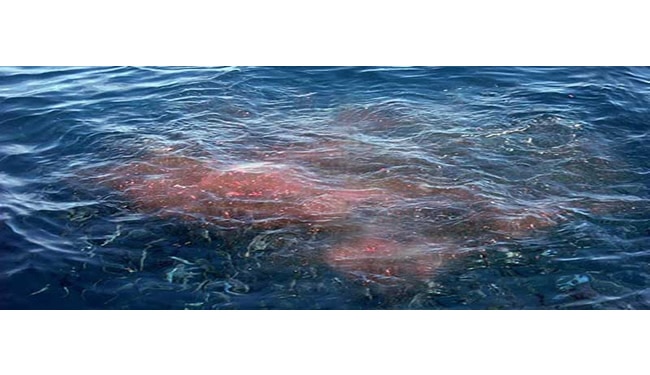
 There are plenty of meanings for chumming or “chum the waters”, but it all depends on the context. The expression may be used to mean “churn the waters” or to make the waters muddy. It also used to indicate that someone got sick on the trip and threw up on the waters. Bird enthusiasts often “chum the waters” by dumping fish to attract seagulls and other sea birds that they, then, try to identify.
