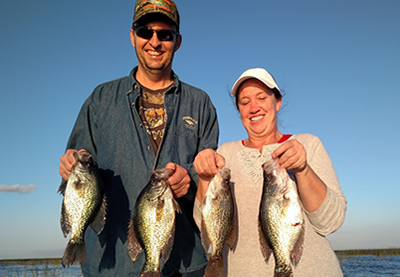
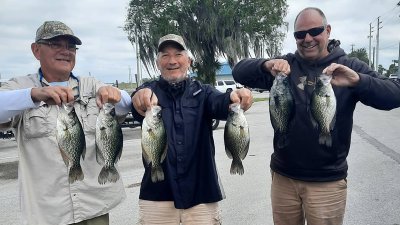
Crappie fishing is often overshadowed by the state’s reputation for trophy largemouth bass fishing. However, never let that stop you from planning a trip to catch a mess of tasty slabs.
Florida is consistently at the top crappie states in the nation, due in large part to its abundance of lakes and rivers, as well as warm seasonal weather.
This article will share how to catch crappie in Florida and where the seven best places to go fishing are in Fl.
About Speckled Perch fishing in Florida
Crappies are found everywhere in Florida. Crappie can sometimes be called speck. Also, they have been called perch and sometimes called speckled perch. While crappies are often found around fallen trees, they are also well adapted for aquatic habitat, which Florida lake has abundantly.
Crappies spawn during winter in Florida. The same week varies according to the region in which the county you are fishing. It could be as early as January in the southern part, while in Tallassee, Crappie spawns in March near the border.
They are so acceptable to be caught that they usually school in larger groups in shallower waters then go near the bank or shallow bottom to spawn. An excellent chance for anglers to catch them!
Top Florida Crappie lakes
Top speckled perch crappie lakes in Florida were the most common popular panfish before introducing Cichlids species. Even though Florida crappies are caught year-round, they’re really at their peak between the end of the summer and early spring.
Great time to bring family and friends to enjoy the most affordable fishing for Crappie in Florida. Florida was once known as the Speckled Perch Capital of the world. This vast state and all the lakes have abundant crappie-producing slab-sized crappies. While states like Texas and others also have great fishing for crappies, Florida has the most variety of fishing styles. Let’s talk about some of the prime areas!
NORTH REGION
Tallahassee, FL
Look no further than the state capital for an excellent crappie experience in a beautiful setting. Lake Talquin is the regional favorite here, and it’s where a state record crappie weighs in at a whopping 3.83 pounds.
Rolling hills, moss-draped oak trees, and a slow pace make the Tallahassee area admired by many. Other famous lakes for crappie include Lake Miccosukee, Lake Seminole, and Lake Jackson.
The north region is an excellent destination for striped bass, catfish, and crappie in the area, especially near the dam. In addition, the Ochlockonee river offers excellent fishing opportunities for all the above!
In Alachua County, Orange Lake is the most significant public lake. The shallow lakes are designated fish management areas about 20 miles southeast of Gainsville, Florida. Orange lake public boat ramps offer quick access to Marjorie Kinnan Rawling Park. The vast open water area is enclosed in shallow, dense vegetation with extensive marshes great for Florida black crappie. As a result, Orange lake has a diverse habitat plentiful, and these fishing activities have been flourishing recently.
NORTHEAST REGION
Palatka, FL
If you are familiar with Crappie USA events and other large crappie tournament circuits, you’ve likely heard of Palatka, FL. Situated on the St. Johns River, this historic town offers river fishing and access to a chain of lakes that are known to produce big specks.
Speck is the term locals often use to refer to Black Crappie in Florida.
Famed trophy bass Rodman reservoir, known for its bass fishing, also has many good crappie fishing opportunities. In addition, St Johns River, Lake George, Crescent Lake, and Dunns Creek are popular areas and hold plenty of hungry fish.
The mighty St. Johns River is the lifeline to this area and makes for a beautiful setting to fish for crappie with no shortage of fish camps and rentals.
For years now, Lake Marian – Osceola County has been known for its crappie populations and crappie size. Anglers usually catch crappie trawling minnows off of Whiskey Point. Jig fishing is excellent on nearby native vegetation, shrubs, and flower beds while the crappie spawns. Most crappies that have been from Marian are more than 10 inches long.
SOUTH REGION – LAKE OKEECHOBEE
Okeechobee, FL
Lake Okeechobee is so giant it made our list twice. First, the small hometown of Okeechobee City is situated in the North part of the lake. It offers a distinctly different atmosphere and environment than the south end of the lake.
It is not uncommon for anglers to get their per-person bag limit of crappie and then transition to largemouth bass or bluegill fishing. So you’d be hard-pressed to find an article about fishing for Crappie in Florida that doesn’t mention The Big O.
Okeechobee has always featured trophy largemouth bass, and Trophy Catch submissions by bass anglers prove that. In addition, the crappie numbers are often recognized nationally and internationally as the most popular tourist attractions. As a result, Okeechobee is among the best waters to qualify for qualifying submission during the nine completed Trophy Catch seasons.
Clewiston, FL
Clewiston is a small town on the world-famous Okeechobee lake situated on the southwest banks. Here you’ll find the Jolly Rogers Marina and no shortage of experienced black crappie anglers going fishing.
The Big lake supports a robust commercial and recreational fishery. The lake has a shallow average depth of 8 feet. Fishing for crappie is commonly in the weeds, channels, or rivers. Bait of choice is small jigs and Missouri minnows.
If you’ve never been, do yourself a favor and check it out!
CENTRAL REGION
Sanford, FL
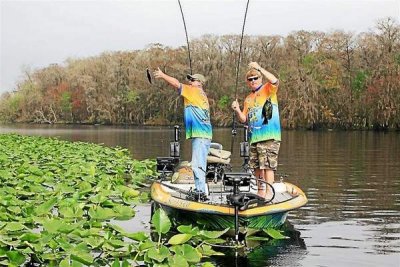
Just a stone’s throw away from Orlando and the Spacecoast, this river town is known for Lake Monroe and Lake Jessup. Both lakes are within the Upper St. Johns River system, which offers spectacular scenery.
When planning your trip, pay special attention to water levels- low water levels on the river can concentrate fish and make for phenomenal fishing. Lake Monroe has been a staple black crappie lake for years!
Lakeland, FL
Polk County host, the city of Lakeland, is situated roughly between Orlando and Tampa Bay off I-4. As its namesake suggests, there are plenty of lakes to choose from in this area ranging from small ponds to 2,000+ acres lakes.
Check out the Tenoroc Fish Management Area for a unique spin on fishing for crappie. It’s a series of reclaimed phosphate pits managed and stocked by the state for 20+ years.
Lake Parker, Banana Lake, and the Saddle Creek Recreation area are other famous lakes.
Kissimmee, FL
On the heels of Disney World and other central Florida attractions lies the historic cattle town of Kissimmee, Florida. The Kissimmee river flows through this area, and the chain of lakes along its path are known as Prairie lakes.
These shallow, grassy, and sand-bottom lakes make for excellent crappie habitat. Famous lakes include Lake Kissimmee, Lake Toho, Lake Hatchineha, Lake Cypress, and East Lake Toho. But don’t overlook smaller lakes such as Lake Marian, Alligator Lake, or the Kissimmee River.
Why Fish for Florida Panfish and Crappie
The article is primarily about Florida fish and crappie species. Both crappie fish offer anglers a great sport with light tackle with great food! In addition, freshwater panfish is very popular around the country. The Florida panfish population includes several different species.
Next to crappie, the bluegill, warmouths, and redear are most popular. In recent years many other types of cichlids have become very popular. The crappie is the most populous panfish, and perhaps it’s favorite. All panfish varieties are delicious. In South Florida, the Oscars and Mayan cichlids have become popular with anglers that target crappie because they are tasty panfish.
How to Catch Florida Panfish?
Speck anglers who are fishing will usually use floats at least two feet above the water surface. The rig will be fished towards the weed line, over submerged vegetation, and may also be close to an underwater tree stump. In the summer months, your fish without a float and fish deeper, which could consist of 6 to 15 feet of water.
The bait should remain in the water while it’s waited for some time so the fish can see it. The slackline is tightened when the float disappears until the hook is firmly in the fish’s mouth. Artificial lures and flies also can be thrown in similar locations. During your preparation, be sure to research the correct types of fishing hooks, this will land you additional fish. Generally, panfishing is a slow, steady, and efficient retrieval process no matter the lure or bait.
Best Florida crappie fishing lures and baits
Most anglers target crappie with small baitfish. So known as Missouri minnows or baits that resemble them are ideal for the future. Live minnow is a typical breed used for Florida crappies as live bait, most often for commercial use.
These are available for fishing in shallower waters on rigs deep below the surface. We love using jigs to catch crappy. Whether vertically cast or trolling a waterway, it is a versatile bait to use. The 1/8 ounce jig works perfectly. Chartreuse is a color of high intensity on dark-colored waters. However, the crappie lies near the river’s edge in cleaner water during the spawn seasons, so white, silver, and other natural colors will work.
Fishing for all Florida Panfish
Fishing for panfish is easy for most Florida anglers and most anglers in general. Many people grab an 18-foot cane pole with a light line. A certain kind of bait such as worms, Missouri minnow, or crickets is expected, and they head to the fish hole. These types of fishermen have a great relaxation and are still very effective today.
While cane poles can be helpful, spinning tackles can be more versatile. Spinning rods give anglers a reasonable distance for casting very light baits and lures. In addition, a spinning rod can be pretty inexpensive these days. A reliable rod is available for around $70. Below are links to some suitable spinning outfits.
Crappie
Black Crappie, commonly known as the speckled perch and the speck, is a favorite of the Florida summer. Occasionally crappies can weigh more than three pounds. Florida state record books show Lake Talquin produced 3.82-pound crappie. The following areas listed in this article are considered the high potential for black crappie production during 2022.
Bluegill was the most common and most abundant species of panfish before the cichlid families came to Florida. Usually, southern fishermen call it the “bream.” The name means “brim.” They are very excited to catch and fight for their size, whatever your name. If bluegill weighed 5 pounds, you could never land it!
Bluegills are highly aggressive and easily caught with most bait and fly equipment. These species are like deep weeds in sandy soil, and they love wood. Among others, they like trees and the dock. Depending on location, Florida bluegill spawns during the full moon from May to July.
Spotted Sunfish (stumpknocker)
Sunfish or “Stumpknocker’ is also an incredibly common Florida panfish. This explains their love of woody structures. Spotted Sunfish mainly feed on plant material, and however, their aggressive nature makes them easily captured with any lure. These are smaller than the bluegills and have firm white meat.
Redear Sunfish (shellcrackers)
Redear Sunfish (also called shell crushers) is a prominent family member. They prefer shallower waters than most panfish. Despite hitting artificial lures, anglers aiming at redear Sunfish are more likely to use live minnows or worms as bait.
Warmouth
Warmouths can be highly aggressive and are more isolated than some fish. However, they’re broad and have an excellent fight. The warmouth generally prefers small bodies of water, notably streams or wetlands. They are a distance from their cousins in taste because they are eatable.
Frequently Asked Questions
Where Is The Best Crappie Fishing in Fl?
Many locations throughout the sunshine state could claim the best crappie location in Florida. The 310 miles along St. Johns river and its numerous lakes are world-renowned for crappie fishing and very popular with residents and non-residents. Overalls would be on the top of the list because of their vast size and variety of waters.
Where To Catch Crappie In Florida?
Crappie can be caught through Florida, as we have written about, from the Everglades in South Florida to the extreme tip of Florida lakes in the panhandle. We have discussed many popular areas, including the Rivers, the Kissimmee River, and countless lakes throughout the state.
Try contacting a local guide, tackle shop, or Florida Fish and Wildlife Conservation Commission regional office in your area to find out about local crappie fishing near you.
How deep should I fish for crappie?
Crappie is known to spawn near shallow waters, usually around two feet in-depth, covered by sand or weeds, and easy access to deeper waters. I often found these near shore in areas where the water was murky and stained.
Due to the warm climate, crappie can be caught year-round in Florida. Peak season coincides with the spawning cycle of crappie, which typically runs from December to early March.
What’s the best month for crappie fishing?
Crappie’s best seasons are in spring. The weather is good to hunt crappies moving from the deep water to spawning areas. In many Florida lakes like Lake Talquin, Lake Arbuckle, Lake Istokpoga, and Winter haven Chain, the fish move in large groups to feed, spawn and help each other protect the eggs.
Does Florida have size limits on crappie?
All states and fisheries have black crappie and white crappie limits. The limits are the same no matter the technique you use to produce fish, artificial bait, spinnerbaits, Hal flies, or fly fishing.
And sunshine bass (only five are allowed in the total length to be 22 inches); 50 crappies (specked perches must be at least 9 inches; 58 fish.
Do you have a favorite crappie tip you’d like to share? Is there something we missed? Which waterway would you recommend for a productive fishing day?
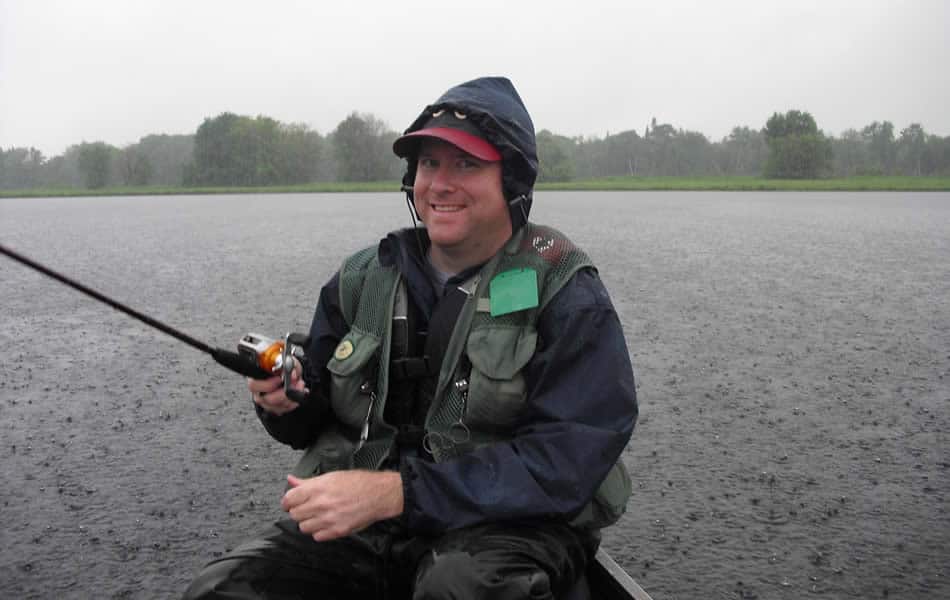
One mistake that a lot of anglers make is assuming that they need to hang up their rod when it starts to rain, this couldn’t be further from the truth. Obviously, it’s not the most ideal time to fish and you want to beware of thunder and lightning but fishing in the rain brings about a unique set of advantages.
In this quick guide, we’re going through some of my top bass fishing in the rain tips so next time you can plan a trip about the rainstorm rather than avoiding it.
1. Go for the Runoff
Runoff is an interesting thing because it brings a lot of nutrients and vitamins into the water. When it rains, the surface runoff draws out the soil, and with that comes an assortment of things that the bass want. Not only does it bring food into the water but it also brings oxygen and minerals.
Bass will hang around wherever there is surface runoff because they want all of these elements and this is where you come in and take advantage of the situation. Now you have a direct tell as to where the bass will be when it’s raining. Look for overhanging ground where it has eroded beneath. Chances are the bass will be hanging out there.
Best of all, the runoff will cloud up the water which will make it easier to disguise yourself so they won’t get spooked by the boat or motor.
There’s another benefit here as well. Since it’s raining and you have an overcast sky, there are no shadows which will allow the bass to feel even more comfortable with the situation which could increase the chances of them taking your lure.
2. Bass Are Actually More Active
The initial thought is that fish operate like we do but it’s quite the opposite. When it’s raining is when the bass are most active. Let me give you a quick science lesson.
A lot of bass activity is based on barometric pressure. During periods of high pressure, bass are slow, sluggish, and uninterested. This would be when the air is very dry which is typical during cold weather and that’s why most people don’t fish for bass during the winter. If you do, you’ll have a much harder time catching anything.
During periods of low pressure, bass are highly active, aggressive, and hungry. This is when the air is humid and the highest level of humidity occurs right before it rains.
As a result, high humidity and low barometric pressure result in the best fishing opportunities for bass. When do you have this combination?
Fishing in the rain brings on some of the most active fish on the water but you’ll want to cater to this now that you know it. Speed up your presentation, use a fast action lure, and cover a lot of water in a short amount of time.
3. Be Aggressive with Your Lure Choice
Throwing a topwater when it’s raining is the way to go. Bass are attracted to the surface during periods of low barometric pressure. Let’s go back to science real quick and learn why.
There’s less light penetration when you have an overcast sky which means you have a larger strike zone. Since the sun is creating reflections on the water and your lure, throwing something really aggressive into the water will attract a lot more attention.
So, when you’re bass fishing in the rain you want to choose something like a buzz bait, spinnerbait, or spoon because what little light refraction you create will draw a lot of attention and get the energetic bass to strike.
4. Go With Frogs
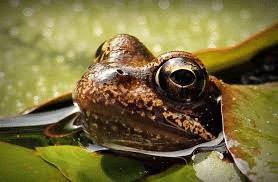
Frogs are another great lure choice for fishing bass in the rain. Using a topwater frog around a weedy location is a solid strategy. Troll the shoreline and look for tall grass or overhanging trees where you think frogs might hang out. You’ll want to pitch your frog right into the grass so make sure you have a weedless presentation otherwise you’ll get hung up.
Create movement on the frog by slowing retrieving with brief pauses in between. If possible, the best strategy here would be to cast parallel to the shoreline so shore anglers actually have an advantage here. If you can maneuver your boat properly, that’s what I recommend doing.
5. Look for Openings on the Water
One of my favorite things about fishing during and after a rainstorm is seeing what areas of the water have opened up. I fished a place pretty frequently a few years ago that had this one inlet where you could only reach it if the water levels were really high. We’d be able to get in there in the late in Spring/ early Summer before everything started to dry up.
I used to drop a wacky worm anywhere within 50 feet around my boat and pull in bass like you wouldn’t believe. Rain storms create these opportunities and it’s great to see how the rain changes the structure of the water.
If it’s been raining for a bit or perhaps you’re fishing the day after a big storm, hit the water and look for places that are deep enough for boat access. These could be money spots if the bass are still hiding there. This strategy is especially powerful in the Spring when bass are spawning. The higher water levels could push them out of their nesting location. It’s even better if you’re fishing with a kayak.
Fishing After The Rain
What happens if you’ve just hit the water and you have a slight drizzle but it’s mostly stopped? You’ll want to apply a lot of the same principles.
If it was a heavy rain storm you’ll likely still have areas where runoff is present and the water clarity might have cleared up. You could see a little better and use a larger variety of lures without creating a shadow if it’s still cloudy.
Moving water is another factor you want to pay attention to because movement means oxygen is flowing and bass are attracted to that because that’s where they get their energy. Highly oxygenated water creates aggressive and active bass so if you can find an area where two bodies of water meet you’re likely to create great fishing opportunities.
Rainy Day FAQs
Here are some of the most commonly asked questions we get about fishing in the rain.
Is fishing better in the rain?
Yes and no, it depends on what you mean by “better.” Fishing is always good and you can have a great day when it’s 95 degrees, zero humidity, and no clouds. On the flip side, you could go out when it’s raining and have a horrible day fishing. There’s no way to know for sure what’s going to happen and there are so many factors that come into play.
The ultimate goal we all have is to learn as much as we can about the habits of fish so we can try to track them down and present lures in a way that will draw their attention. If you’re doing everything right, yes, fishing is better in the rain.
What about saltwater fishing in the rain?
Many of the same rules apply to saltwater especially if you’re fishing for peacock bass in canals. They’re still attracted to surface runoff, they’ll hit topwaters more, and you’ll want to look for openings where they might be hiding and you couldn’t get to before. Whether the water is fresh, brackish, or salty, it doesn’t really matter.
Is it better to fish before or after rain?
Fishing is better before the rain because this is when the humidity is the highest and the barometric pressure is the lowest. You’ll also have decreasing water and air temperatures at this time which will trigger the bass to feed more aggressively because they’ll know that rain is coming.
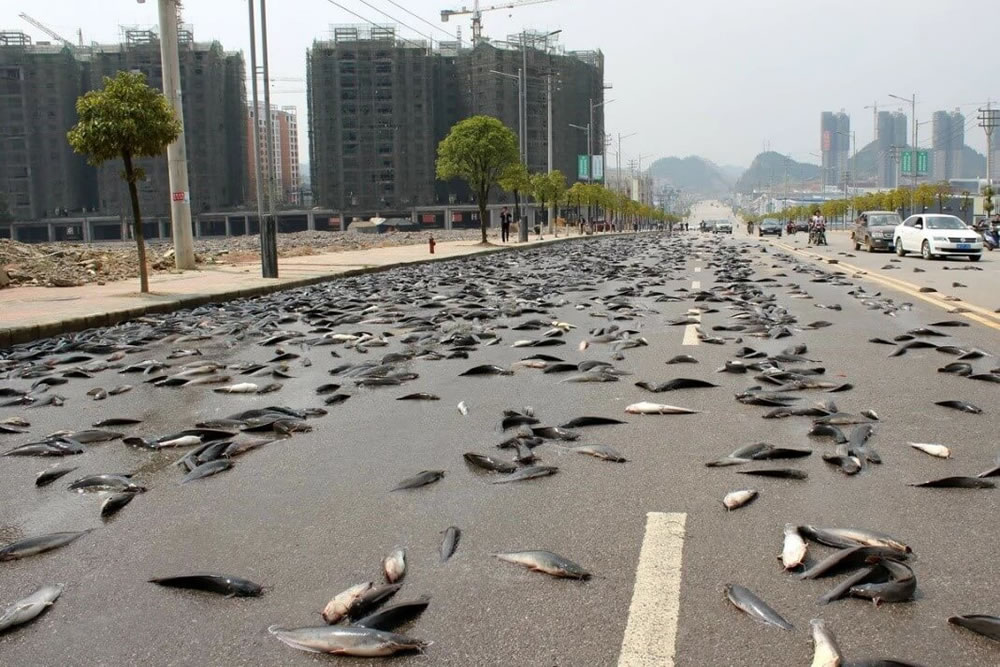
In the past, many things have fallen from the sky, pieces of space debris, frozen waste from planes, and even live animals. Yes, that’s right, live animals. While most of the animals that fall from the sky are dead or at the very least dying, there have been some cases of live animals falling from the sky and repeated occasions. There are reports, as recent as 2016, of large catfish falling from the sky and other reports of fish rain.
Why Do Fish Fall From the Sky?
This is not something that happens all that often. Though the expression “raining cats and dogs” is quite common, the likelihood of a fish, even a catfish falling from the sky in any capacity and hitting you is incredibly low. Low, but that does not mean that it cannot happen. There have been numerous reports of catfish and other fish falling from the sky onto people and each has its own unique story. In 2016 a woman claims a catfish fell from the sky and hit her, in 2017 a family claims that a catfish fell from the sky and landed in their family pool, and in 2019 a woman claims that a catfish fell from the sky and landed on her car, smashing her windshield.
So what’s really happening? Are fishes figuring out how to fly only to fall on people as they pass? Are catfish materializing in the sky then falling on passerby? The more likely answer is simpler than you might imagine. In most cases, those people that are reporting falling fish live in areas where large birds, mainly those that feed on fish, are known to live and hunt. The woman that was injured by the catfish in 2016 lived in Florida where herons and pelicans are common. The family that had the catfish in the pool lived in Florida as well. Lastly, the woman that had the catfish land on her windshield lived in North Carolina, a coastal state that does have large fish-eating birds.
Can Other Animals Be Rained Down?
Scientists believe that the most likely story is that these birds have eaten a catfish whole. Some other large fish and are then startled into flight before the fish can begin to digest. When the bird takes flight it upsets their stomachs, as they fly. The fish that they just scarfed down whole is regurgitated and lands wherever it might land. This means that it is going to fall on whatever hapless person happens to be under it when the bird is forced to expel its stomach contents.
Fish falling from the belly of a bird flying over is not the only occasion in which animals can rain down from the sky. In coastal areas where large water bodies are nearby, “animal rain” is somewhat more common and more likely to occur. Animal rain is a phenomenon that occurs when small water animals. Like frogs, crabs, and small fishes are swept up in waterspouts or drafts that occur on the surface of the earth. Are then rained down at the same time as the rain.
For this to happen, the weather event has to be very strong and very fast. Waterspouts can spin at speeds of up to 100 miles per hour. They can pick up small objects with relative ease. In most cases, animal rain involves aquatic or semi-aquatic animals. Commonly found near water sources where waterspouts and updrafts are common. Though this is the most common, there have been other cases of mysterious things falling from the sky too.
Believe it or Not
One interesting case happened in 1876. What people thought was a gift from the heavens turned out to be rotting meat from vultures. Either dropping it or regurgitating it as they took flight.
The most famous and mysterious modern-day fish rain phenomenon is the legend of llu1via de pesces. Every year in May or June, small silver fishes rain from the sky. Though there are many scientific reasons behind this phenomenon, many residents believe it’s a miracle of God as this is the only time they get to eat fresh seafood.
Long story short, all sorts of weird things can fall from the sky. The weather is capable of creating some truly fascinating and mysterious phenomena. Birds may drop fish on you if they are startled when they take off after a large meal.
But you can’t depend on the weather or birds to catch a fish. The best way to have a fish is to go on a fishing trip and catch amazing species yourself. iOutdoor provides you with exactly that. We provide you with the best fishing charters in Florida and guides who know the weather and waters for an adventure of a lifetime.
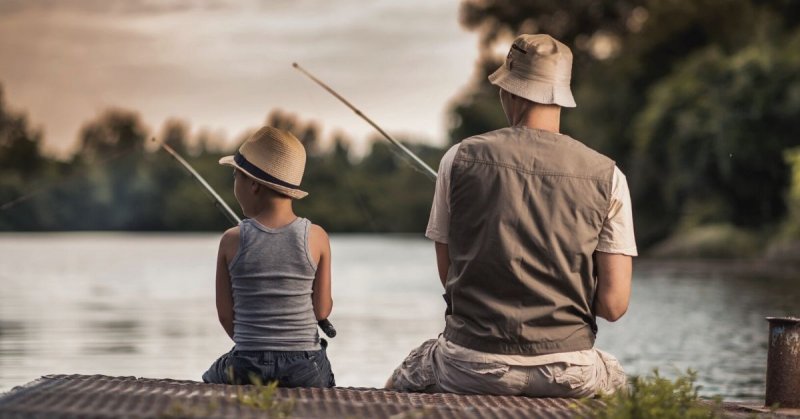
Kids love to be outside and do activities, why not engage them in activities that not only get them up and move but also use their mind. Fishing is one of those activities which help in developing skills in kids and love for nature at the same time. Many parents complain that their kids think of fishing a bit boring. Making up games can turn fishing into an engaging activity for kids.
Build Skills by Turning Fishing into Games for Kids
Kids learn everything quickly if you turn it into a game. The same goes for fishing. Today when kids are more interested in mobile games, the best way to induce interest in fishing is if we can make it seem like a game. You can do a ton of different things to get your kids engaged and to make sure they stay involved in fishing.
Keep it Simple
Do not over complicate things. Means, do not put too much pressure on them to do well, encourage them, don’t make it a be all end all situation. Pressure takes the fun out of the activity. Keeping your child engaged and helping them to learn the basics of fishing without too much stress lets them enjoy themselves.
Cast Appropriately
Casting is the most crucial part of fishing. Take time to teach how casting appropriately can make a big difference in the number of fishes we catch. Make them practice a bit before they get on a fishing charter. Practicing on land is a safe way to get the hang of casting and to build the confidence they need to be able to be successful when you do go offshore fishing.
Safety First
Safety should always be the foremost concern. Teach all the safety steps you need to take while fishing. Discuss everything like hook safety, life jackets, casting, and what to do if the fish is too large or if kids get scared. Preparing them mentally before fishing can make a big difference.
Teach Your Kid Fishing with Games
Once you get the basics down, present the fishing trip as a game to the kids. Kids do better with games than they do with straightforward, cut and dry information. Taking the time to make a game of it will also help to enrich the time you have together. It will make fishing more exciting for you too, after all “we all have a kid inside us”.
Fish Finder
In this game, all the fishes you catch should be of different species. Whoever catches more different species wins. You can keep a log of what you catch perhaps even take pictures of the fish you catch so that you can look them up and learn about them later. This is a great game for kids to learn about different species and well suited for fishing charters as you can see some really out there fishes.
Shore Fishing High Score
You can also rate or apply a point system to the fishes you catch. Try not to put too much emphasis on catching the most number of fishes but make a game of whatever you catch. Focus more on just catching fish and having a good time than making it a quantity game.
Fly Fishing Fun
Yet another great activity is fly fishing. Once the kids are little used to fishing, teach them the fly fishing technique. In this, they need to catch the fish with artificial bait. The fun part is making bait, like bugs or small fish. They will be excited during the whole process, from making bait to catching fish with that bait. This game introduces a creative aspect in kids and moves them towards advanced techniques of fishing.
Like any sport, if you take the time to make it fun and not put too much pressure, kids are going to have a great time and learn it more quickly. Fishing is a life skill that can double as a great way to spend time with kids and have fun while doing it. Make your next fishing trip truly memorable with iOutdoors, contact us to know, How?.
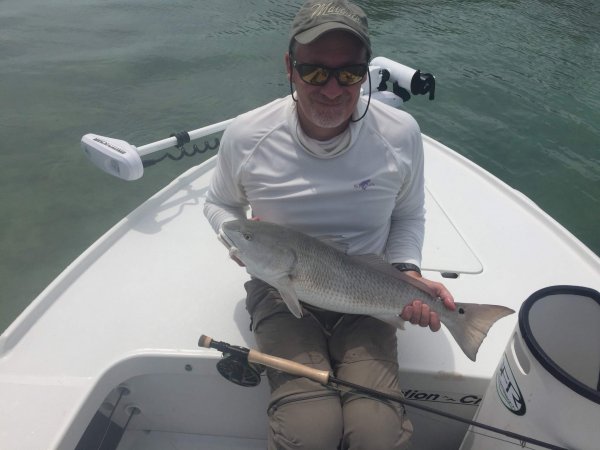
Mosquito Lagoon, along with Indian River Lagoon, is considered “The Redfish Capital of the World” because redfish are found there all year-round. Moreover, redfish caught in the lagoon are often larger so that you’d best prepare the fight of a lifetime. This can be done with spinning tackle, artificial lures, live-bait, or for the faint of hearts we challenge you to go Fly fishing Mosquito Lagoon for the maximum thrill.
Because the Mosquito Lagoon is home to Florida’s largest concentration of redfish, it is considered a premier fly-fishing destination. A lot of anglers, even those from far lands, travel to this side of the world to catch redfish. In fact, there are boats for rent on the lagoon. So that traveling anglers need not bring along their own boats and equipment. Because of is popularly and difficult to fish, there are also many guides offering their expertise.
EQUIPMENT TO GET THE JOB DONE
The Rod
A quality fly rod in 6, 7, and 9 weight, preferably a G-Loomis, Orvis, Hardy, Sage something that will help you cast and with accuracy. The average fish can be caught on a 6wt, but if you are less experienced the 7 is easier to cast into the wind, casting longer distances and fighting the fish. Majority of the anglers fish with a 7 or 8wt rod. It’s best to only use floating lines, definitely needed for fly fishing Mosquito Lagoon on the flats. We suggest anglers use 8′ to 10′ tapered leaders. Spooled with 14lb to 16lb test line.
The Fly
I would recommend using a #4 hooks, in the summer months. Use a #5 with topwater flies such as gurglers and poppers during the winter months. It’s common to use flies with weed guard when fishing the Mosquito Lagoon area. You truly can use any Fly bait that resembles flies, insects, which are becoming the most common baits to use. But other flies that mimic worms and minnows are also growing in popularity. There are plenty of different types of baits and lures available in the market. Just choose the one that is the most attractive or the one that resembles common bait.
Most days, the accuracy and speed of the cast are far more important than what rod type or color of a fly being used.
THE RIGHT CONDITIONS FOR FISHING
Finding clear water in the lagoon is of the utmost importance whenever fishing. But it is tremendously important when sight fishing for the obvious reason of increased visibility of the lure and fish. Most of these area lagoons have up and downs, meaning water shifts and causes a stain or off-color water.
The area also has numerous large algae blooms that occurred based on rain, water levels, and so on. This causes lack of sunlight to the submerged grass which then dies off no providing the natural seagrass beds for baitfish to feed. Lack of sunlight then creates algae, which then begins to deplete the up oxygen. Thankfully this is now being addressed and is happening less and less each year allow the fish to flourish again.
LOCATIONS TO TARGET FISH
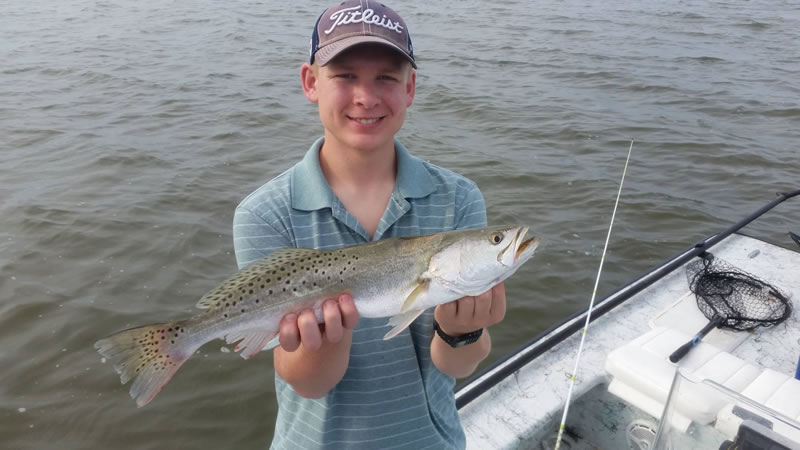
The Lagoon is an all year round fishery, for all anglers. Fly fishing anglers can fish the majority of the year comfortably except in windy season. Which is only a couple of months a year. Common species caught in the Lagoon are redfish, black drum, and spotted seatrout in the Mosquito Lagoon and the Indian River. These fish are found all around the state of Florida and other states. But the grass flats of the lagoon are special in that you catch then in water less than two feet deep.
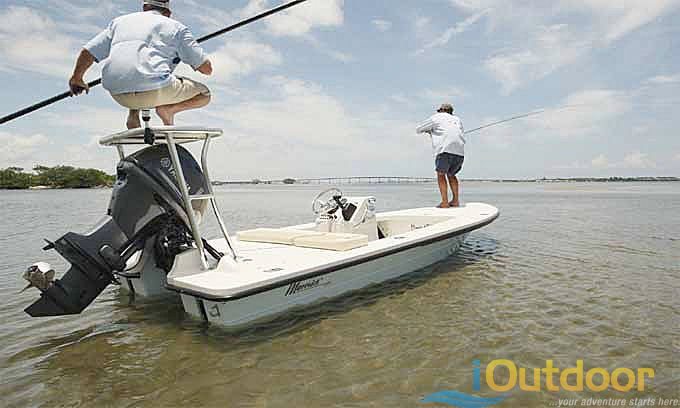
The standard method of fishing, either conventional tackle or fly fishing is sight fishing. For the best success, be in stealth mode and stand on the bow of the boat to get the closest position to the fish. Fish can be spotted by anyone, but local guides really know what to look for in the water. It is important to make your casts count, quality over quantity. Always present your bait to a specific target you can see.
WHEN AND WHAT TO TARGET
Other times of the year, like summer and fall you can see migrating species like tarpon, ladyfish, and super fun jack crevalle. Most of these fish are in the 5-20 pound range and are best targeted in the summer months. The fish are very active early and late in the day and respond well to flies during these times. Once hooked, all these species provide a great fight. The Fly fishing in Mosquito Lagoon, Indian River, and the Banana River are collectively the best saltwater area in Florida.
All three locations are excellent because they are very accessible by great destinations that surround them. Daytona Beach, New Smyrna Beach, Titusville, and Cocoa Beach area in the heart of the lagoons. But a plethora of traffic comes from nearby Orlando and Kissimmee. If you are in those areas, it should be something to consider.
WHY HIRE A FISHING CHARTER
If you have children or family-friendly members and you really want them to catch fish. If you’re looking to score a few points and entertain a client for business. We encourage you to seek a professional fishing chart captain for the best results. On a scale 1 to 10 on fishery difficulty the three lagoons are rated an 8+ for the difficulty to catch and navigate.
When bringing your kids and wanting to expose them to the wonders of nature and local fishing, you need results. Fishing the waters of the 3 Lagoons can be challenging, even for the experienced angler. Fishing guides, don’t guaranty results but it’s extremely better odds. When family or business clients are brought to on these fishing trips. They offer mixed bag fishing to keep the action fast and furious.
This can be done in the tidal waters of Ponce Inlet, New Smyrna Beach, and Edgewater, these areas provide a greater chance of catching fish as there is an abundance of fish. So risk it or not, a fishing charter is a great way to get consistent measurable results with the right captain.
THE LAGOON RULES
There are certain rules to follow when fishing in the Mosquito Lagoon. A federal permit or license is required before anyone can start to take their personal boat in these areas. Also, remember that there are certain areas where boating is not permitted. Such as in protected areas designated for manatees. It is important to know these specific areas plus where you’ll be able to get the most redfish catch. Most of these areas are posted well from the water sight.
It might take some time after you arrive at a certain portion of the lagoon to catch a redfish. Remember, the sound of the boat is key and scares them away. So be patient, and stealthy quiet while you fly fishing. And before you know it, the redfish will come out to play!
KNOW YOUR BOAT RAMPS
The Mosquito Lagoon and Indian River systems are filled with easy access points for both kayaks and skiffs. Knowing where these boat ramps are in relation to where you are hoping to fish. This will help you decrease the travel amount, and have more time fishing. Spend less time running over other potential fishing areas. Running 10 miles north over the same flats to fish later is not a good plan. Don’t be that guy!
Talking with locals, looking on google earth, and even reading a few road signs. This will drastically help you find the boat ramp best for you on that particular day.
The fish responsible for making the Florida Keys and Key West backcountry and flat fishing famous is none other than the bonefish. Bonefishing is a catch and releases sport that is quite popular in Florida. Catching bonefish is quite a challenge even to the most hardened anglers. This is because the bonefish is built for speed. It requires lightning-quick runs with the drag system of the greatest tackle to be able to catch this fish.
The Gray Ghost
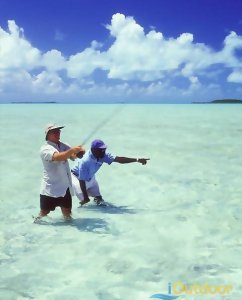
The bonefish is known by the name “The Gray Ghost” for its silver color with a blue or greenish color in the back. It has a slender and round body with a long drawn snout and an overhanging and downward pointing mouth. The bonefish can be found in the inshore water of the Atlantic Ocean, Gulf of Mexico, and the Pacific Ocean. This type of fish likes to dwell in shallow waters but go back to deeper waters with the tide. Other areas where this fish can be located are in grass flats or white sand flat, usually in waters that are less than three feet deep. Bonefish is often seen in multiple numbers especially in shallow flats while scavenging for food.
Successful Bone Fishing
There are different ways to fish for bonefish in the flats of Florida. One type is to use light tackle with live bait. Bonefish feed on shrimp and crabs. Baiting them with live shrimp can prove to be successful. Light tackling bonefish can also be done with artificial bait.
Fly fishing can also be used to catch bonefish and is a big technique when boning in the Keys. When fly fishing, it is best to use a number 7 to 9 weight fly rod that comes with a complimentary weight reel. It should also have lots of backing and have a fluorocarbon leader system. Fly patterns that can reel in bonefish include Crazy Charlie, Borski shrimp, and Merchant Crab.
Hooking a bonefish may be easy enough; the real challenge, however, is in reeling them in. So once a bonefish is hooked, anglers should hold on tight and let the drag burn as they are positioned for a fight. Being able to catch a bonefish is one victory that can repeat itself over and over again with still that same glorious feeling of achievement.


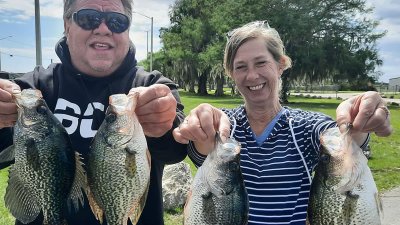 Sanford, FL
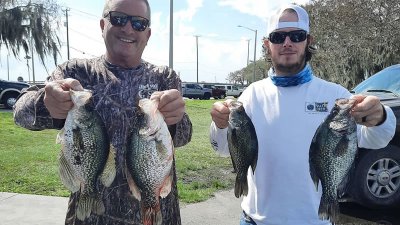 How to Catch Florida Panfish?
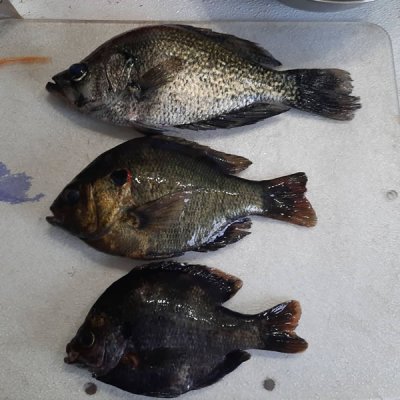 Black Crappie, commonly known as the speckled perch and the speck, is a favorite of the Florida summer. Occasionally crappies can weigh more than three pounds. Florida state record books show Lake Talquin produced 3.82-pound crappie. The following areas listed in this article are considered the high potential for black crappie production during 2022.
 Frequently Asked Questions
 Frogs are another great lure choice for