
Backcountry Fishing, Bonefish Fishing, Flats Fishing, Fly Fishing, Inshore Fishing, iOutdoors Blog, Marathon Fishing, Permit Fishing, Redfish Fishing, Snook Fishing, Tarpon Fishing
Marathon Backcountry Saltwater Fishing
Have you ever wondered where the best backcountry saltwater fishing is? The Florida Keys and more specifically Marathon have beyond exceptional backcountry fishing. A whole array of species can be caught whether on light tackle or fly. Explore what Marathon Backcountry Saltwater Fishing can provide you and your family!
Travel the backcountry canals and shallow water flats of the Florida Keys with light tackle in search for several elusive silver species. These backwaters can provide you with the most breathtaking outdoor experience while exploring absolute Florida fishing paradise. The heat of the summer is a perfect time to come catch and visit Marathon.
As the summer months roll on, Marathon Backcountry Fishing will continue to get better. Fishing begins to heat up for species like Bonefish and Permit on the flats. Air temperatures will continue to rise and are maintaining in the mid 90s. The best time to get out on the water is early morning in order to beat the heat and catch some quality fish.
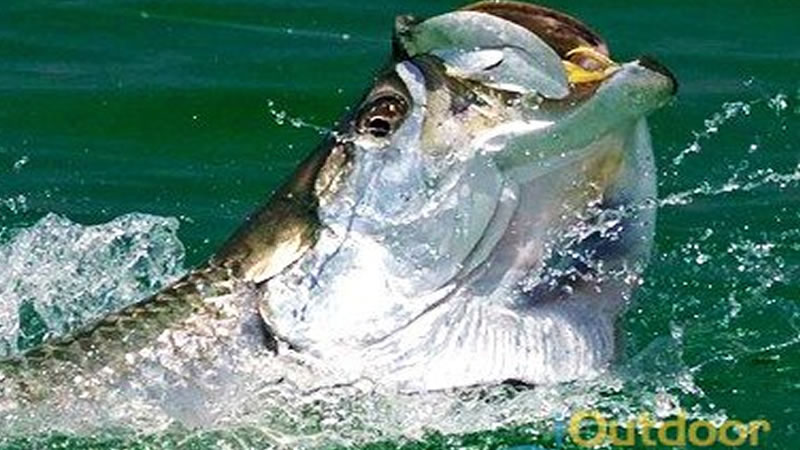
Marathon Tarpon Fishing can be best experienced when the sun is rising up and the light is just breaking the horizon. When you hook into these silver giants, hold on for a fight of a lifetime! Don’t worry too much about missing first light as they still bite strong through the first half of the morning. One of the pleasures of fishing these flats, backcountry and inshore waterways is that you have resident tarpon roaming around looking for a good meal. Tarpon will hold up in channels providing you with an excellent opportunity to land the one you are after whether using light tackle or fly fishing equipment.
Many come to the Florida Keys to catch the Florida Slam which would be landing a Tarpon, Snook and Redfish. You are highly likely to get to experience this during these incredible summer months. Our local expert and knowledgeable Captains know exactly where to hunt down all three species. Captain Robert Horachek is one of the best in Marathon especially for exploring the Florida Keys backwaters. Years of experience has led to understanding fishing conditions that play a pivotal role in landing all three species of Florida game fish.
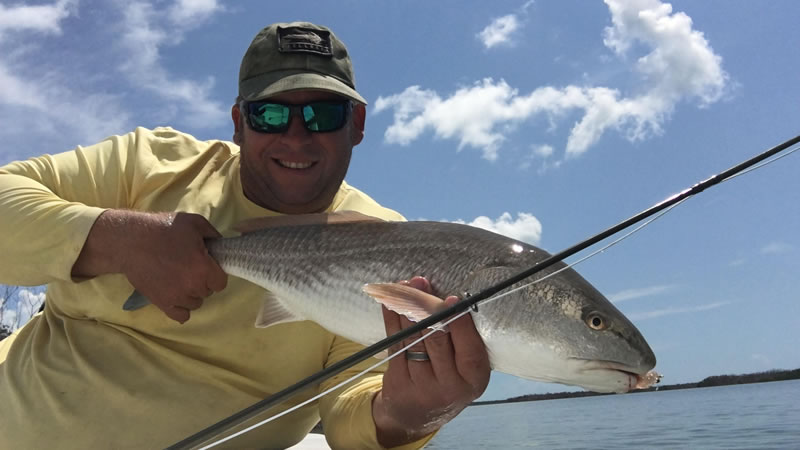
Finding schools of Redfish is one of the highlights of Marathon Backcountry Saltwater Fishing Charters. Some days have been better than others with locating schools but once you find them, they bite good. Red Drum Fishing here in Florida and especially the Keys is one of the ultimate fishing experiences. They are incredible hard fighters and great eating when in season.
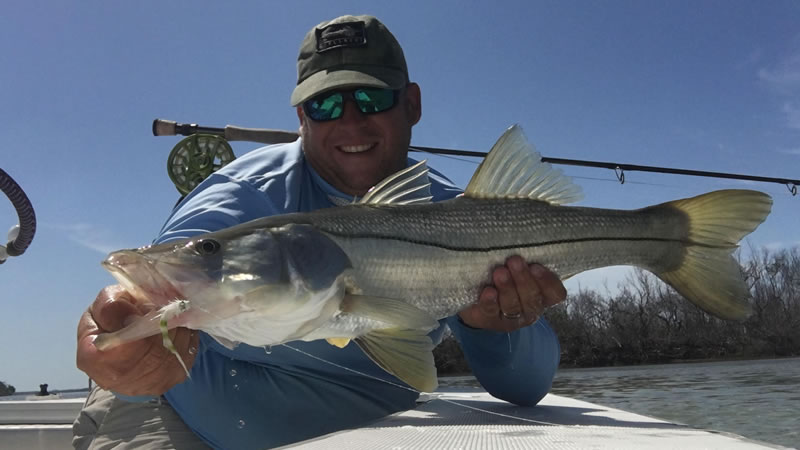
Another exceptional species to catch here in the Backwaters of Marathon, Florida is the Florida Snook. The fishing has been spectacular especially this summer. Our clients and anglers are finishing their days on the water satisfied with the numbers of quality snook they caught. Each snook will fight harder and harder which will keep you hooked and looking forward to your next fishing charter.
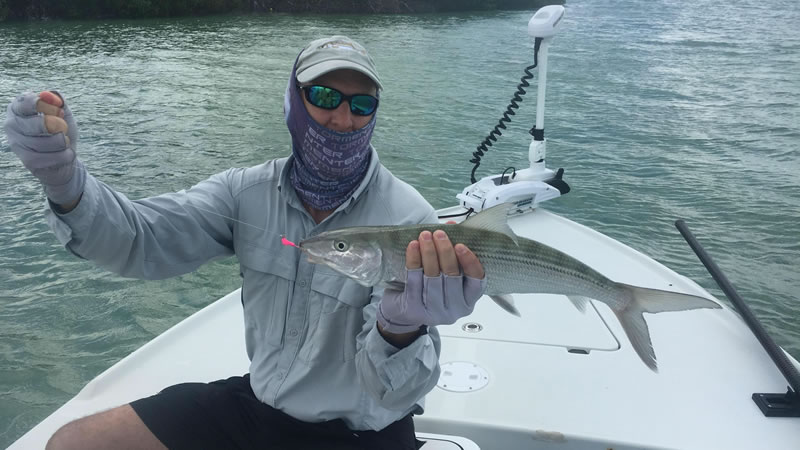
One of the most sought after game fish in the Backwaters is the elusive Bonefish. Different times and conditions throughout the summer have provoked more favorable conditions to land a Bone. As long as the water doesn’t heat up to rapidly in the flats, you will be able to land several nice and quality fish. Once you are on them, the fishing is great for bonefish all day long. If you are looking for the best opportunity to catch the bonefish of your lifetime, make sure you get out early in the morning. The stealthy hunt will keep you focused and excited for the next chance to fish for them in the flats.
Additonal Marathon Backcounty Saltwater Fishing Species:
Even though all of these species can keep you occupied for days on the water, there are several other species that can provide some fun in the backwaters of Marathon. Barracudas, Jack Crevalle and even the occasional shark can provide additional action worth remembering! You never know what will bite the end of your line and take you for a ride.
Summer time is by far the most exciting time to come fishing here in Florida. Not only can you enjoy the beautiful blue waters and white sandy beaches of the Florida Keys, you can get hooked up on some of the best species and backcountry game fish. Whether you are looking for the Florida Slam or just to enjoy an amazing fishing adventure, Marathon Florida has you covered. Marathon Backcountry Saltwater Fishing is one of the best opportunities to explore what the Florida Keys truly has to offer.
Don’t miss out on your adventure today with our local experts and professional Captains. Hop on board and let us take care of all your fishing needs. We look forward to seeing you on the water next time!
Your Adventure Starts Today while Visiting Marathon.
If you enjoyed this post about Saltwater Fishing, you might also enjoy our Fishing Blogs.
Don’t forget to follow us on Facebook, YouTube, Twitter and Instagram.
Bass Fishing, Fly Fishing, iOutdoors Blog, Miami Beach Fishing, Peacock Bass, Tarpon Fishing
Miami Freshwater Tarpon Fishing
Miami Florida Fishing can provide ample opportunities to catch an abundance of species. If you are looking for the perfect vacation getaway destination where you can experience it all, don’t look any further than Miami. The sunny beautiful beaches, amazing night life and restaurants can truly draw you in. One of the only missing pieces is a Florida Fishing Adventure in Freshwater. Come enjoy a Miami Freshwater Tarpon Fishing trip of a lifetime next time visiting.
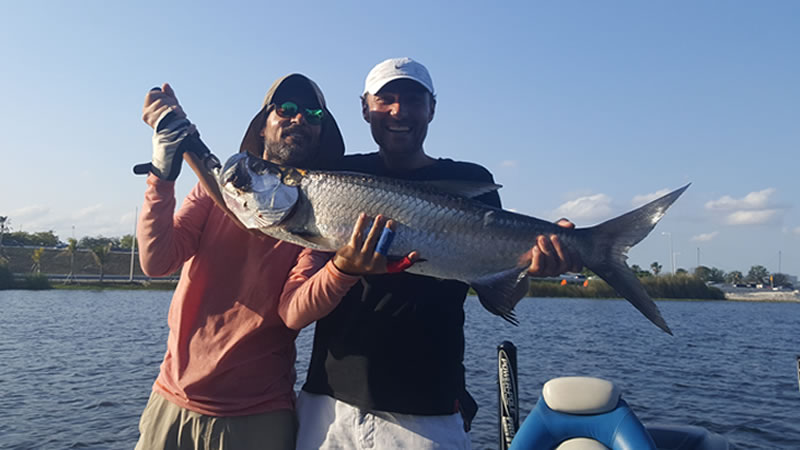
Captain Kirk Osborne had the pleasure of fishing with Stefano and his long time friend for over 20 years. While traveling from France, it was almost irresistible to come experience what Miami Fishing had to offer. They were adventuring out on a fishing trip to Miami International Airport Lakes. One of their dreams was to land a peacock bass on fly. Fly fishing has been something they have shared for many years together.
Florida Fly Fishing can be incredible interesting. Conditions play a major part to the success of a fishing trip. Some days, like this one, you can have the best fishing trip of your life. Each fishing charter will provide you with a unique experience that will keep you coming back for more.
One of the best parts of this fishing trip was that we had perfect conditions. The weather was partly cloudy with a slight breeze to cool down the 84 degree temperature. Water temperatures were 76 degrees with a light chop on top. Stefano and his friend fished an afternoon trip for 4 hours which was the right amount of time to get in all the action.
On this amazing fishing trip, they caught 4 different Florida Fishing Species. Stefano’s friend conquered the goal of catching peacock bass on a fly rod. He landed 6 nice peacock bass on fly. Blue Lagoon was the best location to do this. The edges were the main focal points that were holding fish. As well, he caught Mayan Cichlids and the exotic Jaguar Guapote on fly.

Once the fly fishing bite slowed down, we switched over to live bait. They landed 7 Florida peacock bass on live bait as well. The best catch of the day also came on live bait. You never can predict what will bite your bait when fishing in Miami.
Stefano landed a fish of a lifetime on this fishing trip. A Mighty Miami freshwater tarpon was caught on live bait. It was a fight worth remembering. Tarpon are very acrobatic and exciting to catch whether you are in fresh or saltwater. The tarpon was about 38 inches long weighing over 20 pounds. There was a rattle trap stuck in the inside of the tarpons mouth. It was removed and the tarpon was released unharmed.

Practicing catch and release is the most reward part of Florida fishing. It was a true honor to be part of this incredible fishing trip of a lifetime. They were able to land several fish that were on their bucket list. Another amazing part was that this was the biggest fish they had ever caught fresh or saltwater fishing. I am looking forward to fishing with them again as they said they will be back next month.
Miami freshwater tarpon fishing is one of the most exciting fishing trips you can partake in. The best part is that you don’t have to target them and catch multiple Florida species while adventuring out. While you are Visiting Miami next time come explore what the freshwater or saltwater locations can offer you here in Florida. Don’t miss out on an adventure of a lifetime that can have you hooked and ready to go on for many more times!
~~~~Your Adventure Starts Today~~~
If you enjoyed this post about Miami Florida Fishing, you might also enjoy our other Freshwater Salt Species Trips.
Don’t forget to follow us on Facebook, YouTube, Twitter and Instagram.
Fly Fishing, Backcountry Fishing, Cape Canaveral Fishing, Flats Fishing, Inshore Fishing, Redfish Fishing
Mosquito Lagoon Fishing Report
 “Fishing has improved along Florida’s Space Coast. During the past few days, calm conditions and warmer temperatures have allowed anglers several opportunities to catch some nice fish throughout our region. To begin with, several nice speckled trout have been caught in both the Indian and Banana Rivers. Live shrimp or small scented jerk baits rigged under a popping cork has worked well during the mid-morning hours. When targeting trout, anglers can expect these fish to feed near sandy potholes in 2-4 feet of water. Anglers should keep in mind trout can be easily spooked at times. Making long casts while drifting can help increase your chances of catching a nice fish,” reports Capt. Keith Mixon of Mixin’ Work With Play Fishing Charters for this Mosquito Lagoon Fishing Report.
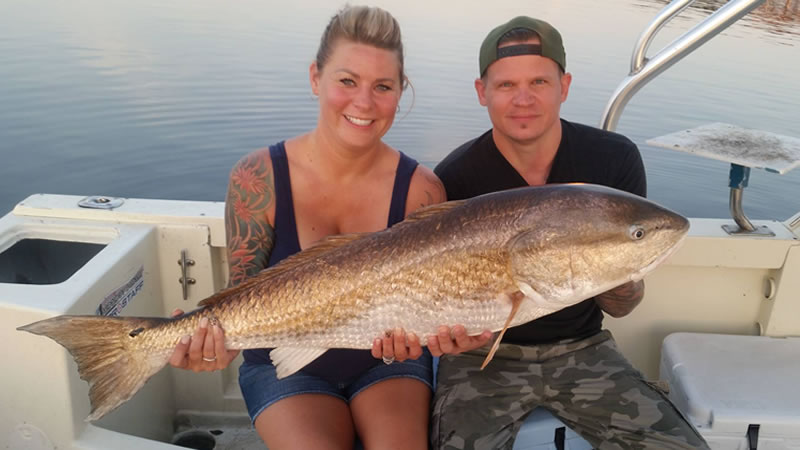
“A few slot size redfish have also been caught in the northern end of the Indian River. Sight casting to them has worked best during calm conditions. Live shrimp or Bass Assassin’s four-inch Saltwater Assassin’s Shrimp Cocktail in Houdini or Drunk Monkey color has worked well when rigged weedless. The key to hooking up with one of these redfish is to fish the bait as slowly as possible,” Mixon reports.
“At the port, a few tripletail have been caught along the Canaveral buoy line as well as a floating structure. A free-lined shrimp has been the bait of choice for these hard fighting fish. Sight casting is the best way to catch them when conditions are calm during mid-day. Some of these fish have measured up to 22 inches in length,” Mixon reports.
Capt. Keith Mixon
February 5, 2014
Our Mosquito Lagoon Fishing Report allows you access to understand how the fish are moving and where you can catch Redfish. The Cape Canaveral Area is one of the best Red Fish destinations in Florida. Inshore Fishing dominates and this is the perfect reason why. These river systems that make up the Lagoon provide ample fishing territory to enjoy an amazing fishing trip. Bring along your friends or families for an adventure of a lifetime on an iOutdoor Fishing Charter.
Your Adventure Starts Today while Visiting Florida.
If you enjoyed this post about Saltwater Fishing, you might also enjoy our other Fishing Blogs.
Don’t forget to follow us on Facebook, YouTube, Twitter and Instagram.

Fly Fishing, iOutdoors Blog
Fly Fishing the Flats
Fly fishing is a small sliver of the fishing world in Florida’s inshore waters. But for those who participate, it’s addictive.
Fly fishers will never land the numbers of snook, redfish and trout caught by the sardine fleet or even by those who cast plugs and jigs. But the equipment they use and the way the fish are sighted, stalked and battled make each memorable.
Successful winter fly fishing is mostly sight fishing, and that’s the magic of it. The cold water kills off the algae that makes the water cloudy in summer, and the flats become air clear — ideal for visually stalking even hard-to-see critters such as sea trout.
Tampa Bay and Charlotte Harbor have miles of these clear flats, and during a cold winter like this one, the clarity is likely to extend through March. The fish prowl the knee-deep water looking for tiny crabs, shrimp, and killifish that have survived the cold, making ideal targets for fly-fishers.
Wade-fishing is ideal for fly-rodders; it eliminates the problems of hooking the outboard, or your fishing buddy, on the backcast, and also presents a low profile that allows a close, quiet approach without spooking the fish. They can see you almost as well as you can see them, thanks to the clear water.
Saltwater fly-rodding has a bad reputation as being ultra-difficult, mostly because its most dramatic venue is fly fishing for giant tarpon in spring and summer. That fishing does, indeed, require special skills, and the ability to deliver a fly 90 to 100 feet can be essential.
But when wading for snook, reds and trout, a much more leisurely skill set is sufficient. If you can get the fly out there 60 feet — and are a patient, silent stalker — you can catch plenty. Occasionally, if you’re very quiet, you’ll have a redfish swim-up almost within rod length to eat your fly.
Eight-weight gear is the all-around choice for inshore, though those skilled with the tackle enjoy 6-weight, much lighter to handle and much more sporty, especially when a 30-inch redfish inhales the streamer. A weight-forward floating line, maybe a size heavy to ease short-range casting, and 8 feet of homebuilt leader, 30 taperings to 20 taperings to 10-pound-test tippet, is all you’ll need.
An assortment of small streamers and crab flies work well. You can catch plenty of all three flats species never throwing anything but a Clouser minnow in size 2 to 4. Chartreuse or shrimp brown are good colors, and many anglers swear by a bit of gold thread for redfish.
You’ll wade with the sun at your back and wear Polarized glasses to cut surface glare. With a bit of patience, you’ll eventually begin to pick out the bottom clumps that are fish from those that are grass. It’s much like stalk-hunting deer; take a step or two, then stop and scan everything within range before you think about taking the next step.
Often, you’ll see a fin or the tip of a tail pop through the surface, a swirl where a fish chases a baitfish or a puff of mud where a red roots into the bottom.
The casts are usually most successful if landing about 3 to 4 feet ahead of the fish, at an angle so they can be pulled away from them. A fly that appears to “attack” the fish rarely gets eaten.
One good strategy is to let the fly drift down to the bottom, then give it a slight twitch when the fish is within a foot or two — particularly good with crab and shrimp imitations.
Things frequently go wrong in this scenario, and you’re likely to see 10 fish for every one you catch. But seeing them and enjoying the beauty of the flats is a big part of the reason fly fishing has such a strong following in the Bay area.
The best way to learn fly fishing is to join one of the active local clubs: the Tampa Bay Fly Fishing Club in Tampa (www.tbffc.org) or the Suncoast Fly Fishers in St. Petersburg (www.suncoastflyfishers.com). Regular meetings where they share information and provide free casting instruction make it easy to get started.
BY FRANK SARGEANT
Tribune correspondent
Fly Fishing, Everglades Fishing, Flamingo Fishing, Flats Fishing, Inshore Fishing, iOutdoors Blog, Snook Fishing
Recreational Harvest Snook Season
FLORIDA (AP) — Snook Fishing season is back in Florida’s Atlantic coastal and inland waters.
The recreational harvest season reopens Saturday from the Miami-Dade and Monroe county line north, including Lake Okeechobee and the Kissimmee River. The season runs through May 31.
The Florida Fish and Wildlife Conservation Commission says anglers can keep one snook per day during the season. The fish can’t be less than 28 or more than 32 inches in length. A snook permit is required to keep Snook, along with a saltwater fishing license unless exempt from the license requirements. Only hook-and-line gear is allowed.
The FWC says it’s illegal to buy or sell snook. Make sure you abide by these rules and not allow any one convince you to break the law. FWC will be monitoring the boat ramps to protect our species and fishing regulations.
The harvest of snook in all of Florida’s Gulf of Mexico state waters will reopen March 1. Snook Fishing along the Gulf of Mexico is also very good especially along the Paradise Coast. You never know what you will experience and catch while adventuring down the mangroves and back islands.
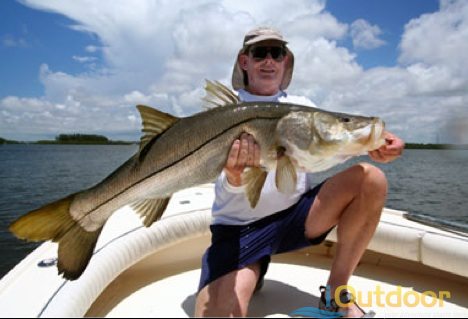
Harvesting a Snook under legal limits is well worth the fishing and wait. Snook are an excellent Inshore Fishing game species. They put up an excellent fight that is worth experiencing. You can catch them across the whole state of Florida, but the Atlantic Coast has some of the BEST in the state. Recreational Harvest Snook Season is the perfect time to put away some tasty meals. iOutdoor Fishing Captains and local experts know the Migratory Habits of this incredible fish. Port Canaveral is a great destination to explore Saltwater Inshore Snook Fishing.
iOutdoor Inshore Fishing Charters will provide you with the best experience possible. Our professional service is perfect for the family, friends or die-hard inshore angler. We look forward to seeing you during this season! Let’s catch some tasty treats.
Your Adventure Starts Today while Visiting Florida
Don’t forget to follow us on Facebook, YouTube, Twitter and Instagram.
Fly Fishing, Backcountry Fishing, Inshore Fishing, iOutdoors Blog, Miami Beach Fishing, Sport Fishing, Tarpon Fishing
TARPON: The Silver King!
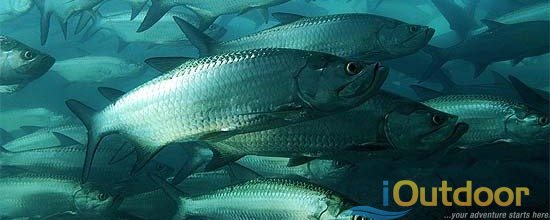
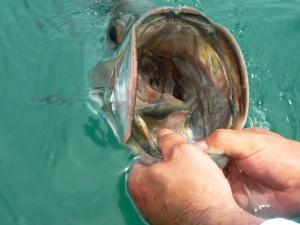 Tarpon are also known as The Silver King and for good reason! Tarpon are large, hard fighting fish and are judged by many to be the world’s most exciting game fish on both fly and spinning reel. Once a tarpon is hooked, it begins a spectacular display of leaping and twisting acrobatic displays into the air. Tips for Tarpon are generally between 25 to 80 pounds on average but can range from a few inches in length to almost 300 pounds. The world all tackle record is 283 pounds 4ounces, a truly mighty fish! Tarpon eat crabs, shrimp, pinfish and mullet.
Fishing Technique.
You really need a game plan if you are going to be a successful light tackle tarpon master. Tarpon are powerful and have hard rough mouths, sharp gill plates and abrasive scales. They have extremely tough mouths that are hard and boney and it takes special skill to successfully stick the big ones and get a good hook set. Rule number one – use a sturdy sharp hook and re-sharpen it often! Because of their sharp gill plates and equally sharp tough scales leaders and leader materials are very important I suggest tarpon fishing leaders should be about 6 to 12 feet in length and of heavy monofilament or fluorocarbon line from 60 to 125 LB test. A 6/0 live bait hook to an 11/0 circle hook is a good place to start when selecting a hook. Your choice of rod and reel is less important – spend your time on a variety of fresh live bait and on your terminal tackle and on getting it right.
Baits
 Tarpon are difficult fish to catch. One day they will like small pinfish and another day crabs and on another day something else entirely different, so having a good variety of bait to offer when you go out is important and will increase your chance of a hook up. Tarpon are successfully caught on artificial lures and fly rods and is really considered the top of the sport. From old stand bys like the topwater Zara Spook to sophisticated handcrafted fly’s- the choices for artificial baits are endless. In my opinion fly fishing tips for Tarpon is at the very pinnacle of the game and my all-time preferred method of hunting and catching these fantastic game fish. On light tackle or fly, a large tarpon can take you on an hour-long adventure that will cover most of the available landscape as you chase him and he pulls you around. Your skill as an angler and the quality of your gear and terminal tackle are tested to the extreme. Knots! Knots, knots, and more knots!! All fishing depends on good knot tying- if you don’t have a good understanding of knots then start learning how to tie them now- there is nothing more important to any angler and especially so in big tough game fish like tarpon fishing. At a bare minimum know these knots and how to constantly and successfully tie them under a variety of conditions and with a variety of line sizes and types of line materials- the loop knot, the clinch knot or uni-knot, the surgeons’ knot and the blood knot. Always be sure you pull your knots uptight!
Catch and Release!
We don’t eat Tarpon– they are strictly a catch and release game fish. Always take the greatest care with these beautiful prehistoric sea creatures. These incredible fish were made for angling and you should do everything possible to preserve our tarpon fishery for the generations to come. When using live bait tarpon fishing with circle hooks are the best for releasing the fish unharmed. Try not to fight a tarpon so long that it becomes completely exhausted- their perfect shark food in this state. Releasing tarpon at the side of the boat without lifting the fish out of the water produces the best results for the health of the tarpon. Lifting a tarpon out of the water or dragging a tarpon over the side of a boat for a photograph will potentially kill or damage the fish. Wear gloves to the leader and handle a tarpon so you can leave the tarpon in the water and grab the lower jaw you’re your gloved hand to remove a hook. If you can’t remove the hook don’t panic- just cut the leader as short as possible- the saltwater will dissolve the hook and the fish will recover fine.

 Tarpon are difficult fish to catch. One day they will like small pinfish and another day crabs and on another day something else entirely different, so having a good variety of