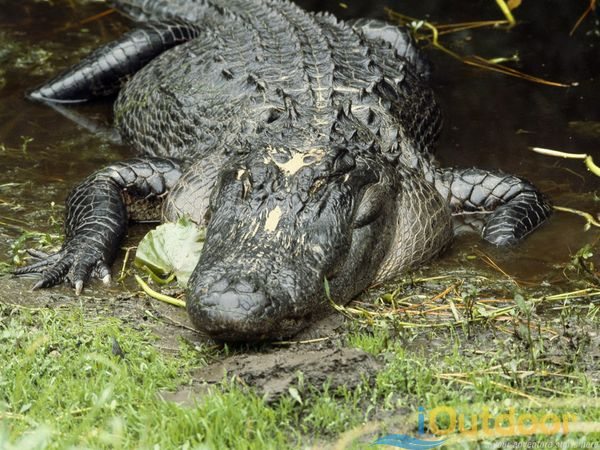
Hunting Fl, Alligator Hunting Fl, iOutdoors Blog
ALLIGATOR HUNTING IN FLORIDA!
Alligators are considered dangerous game in Florida! They are the sort of prehistoric reptilian predator that our ancestors have battled for centuries. Get ready for the adventure of a lifetime! And what could be more exciting? Doing it at NIGHT from an airboat- the best gator hunting in Florida is done with a guide after dark! You can hunt gator by harpoons, gigs, snatch hooks, spears, spear guns, crossbows or archery equipment and bang stick at night or by rifle or handgun during daylight hours. These hunts are up close and personal. They provide a thrilling hands on adventure. These hunts usually involve an exciting airboat ride at night to locate the alligators. Once located, the alligator must be caught by harpoon with a line attached to a float or shot with a bow equipped with a fishing rigged arrow. Once the alligator is secured with the line, he must be harvested with a bang stick.
This is the most exciting method for harvesting a trophy alligator. Alligator hunts can be done year round on private lands and lakes or during the state season on public lands and waters which requires a state issued tag- these tags are available by application at large in a limited set number so it is important to make your reservations and choices early to make sure your outfitter has a tag for you- preplanning is paramount to have a successful stress free adventure!

A few facts about Alligators! Alligators may occur anywhere there is water—lakes, ponds, rivers, marshes, swamps, and even man-made canals. According to the Everglades National Park website, the largest alligator ever recorded in Florida was 17 feet 5 inches, although according to the Florida Fish and Wildlife Conservation Commission the Florida state record for length is a 14 feet 5/8 inches male from Lake Monroe in Seminole County. The largest specimen ever recorded was found in Louisiana and measured 19 feet 2 inches. A true dinosaur! The general family Alligatoridae first appeared about 35 million years ago.
When the Spanish explorers first began to trek across Florida and into North America about 500 years ago, they discovered “dragons,” dubbing these giant hard-to-kill toothy reptiles, “El Lagarto,” or “the lizard.” Over the centuries, English-speaking people corrupted the Spanish phrase into “alligator,” known to scientists as “Alligator Mississippi” The U.S. Fish and Wildlife Service removed alligators from the Endangered Species List in 1987, there are over 1,300,000 alligators in Florida alone- the average lifespan for an alligator is 50 years. In the state of Florida, it is illegal to feed wild alligators at any time. If fed, alligators eventually lose their fear of humans and learn to associate humans with food, thereby becoming a great danger to people. .

DANGEROUS GAME!
Alligators are considered dangerous game in Florida and should be treated as such, with respect at all times- an alligator can outrun a horse over a short distance! Alligators primarily hunt at dusk or during the night and will eat just about anything including fish, frogs, birds, turtles, insects, snakes, small mammals, other alligators, white-tailed deer, wild hogs, and sometimes people’s pets. Alligator Hunting in Florida are agile and can be good climbers! Adults have been known to climb fences to get to water or escape captivity. Fences should be more than 4.5 feet tall if you are attempting to keep alligators out of your yard and away from your pets.
More than 200 unprovoked alligator attacks on humans have been documented since 1948, with 17 resulting in fatalities. There have been 11 people killed by an alligator in the past 53 years in Florida. Five of the deaths have been children under age 12. But don’t worry too much!! Did you know that an average of 150 people per year are killed worldwide by falling coconuts? Or that from 1959 to 2003, lightning killed 425 people in the Sunshine State. With proper care and using common sense alligators can be viewed, enjoyed and hunted safely in Florida’s natural beauty!
Alligator Recipes
Ingredients
- 1 pound alligator meat, cut into chunks Salt and freshly ground black pepper
- Flour, for dredging
- 1 cup buttermilk
- 1 cup hot sauce
- 1 bottle store bought ranch dressing for dipping
Directions
Heat a deep-fryer to 350 degrees F. Lightly season gator meat with salt and pepper prior to dredging them in flour. Combine buttermilk and hot sauce into 1 mixture. Dip the gator meat into the buttermilk and hot sauce mixture and dip, once again, in flour. Then place in deep fryer until golden brown, just a couple minutes. Drain on paper towels and serve with ranch dressing.

Hunting Fl, Hog Hunting Fl, iOutdoors Blog
Hog Hunting in Florida!
There is open season on hog hunting in Florida during all daylight hours, seven days a week, 365 days a year! Hogs are not native to Florida and do tremendous damage to pasture lands and crops. The control of wild hogs is a serious business, they have invaded nearly every corner of the state. European pigs arrived in the country with some of the earliest settlers, and they either escaped or were released into the wild nearly 500 years ago. pigs were probably brought to this country by Hernando DeSoto, the Spanish explorer, who landed in Florida at Charlotte Harbor in 1539.
There are about 4-5 million wild hogs in the US. Wild hogs are the most destructive invasive species in the United States. An estimated 500,000 wild pigs now roam through the dense vegetation of Florida. Female hogs can bread at 8 months and A pig can produce two, and sometimes more, litters a year, especially in southern Florida where conditions are perfect, a litter can number a dozen, that’s a lot of pigs.
Hogs can weigh more than 300 pounds, are extremely intelligent and aggressive, and can be very aggressive when it comes to foraging for food. They have been known to attack domestic calves and lambs. Hogs can also carry diseases that can be transmitted to livestock, making them enemy #1 to farmers and cattlemen alike.
Florida Hunting!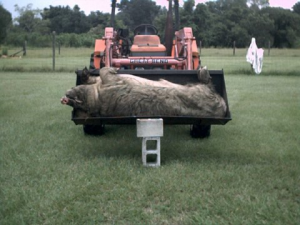
Florida Hog Hunting is a booming industry and can be hunted year-round. The only exception is on public lands according to FWC: “On wildlife management areas, hogs may be taken during most hunting seasons, except spring turkey. But, if it’s during archery season, you must use a bow – during muzzleloading gun season, you can only use a muzzleloader.
Licenses
You do need a hunting license as well as management area permit and any other necessary permits to hunt wild pigs on WMAs – where on some, daily bag limits on wild pigs do apply, and on a few, there’s even a minimum size limit on what you can take.” Hogs can be hunted in Florida using a rifle, handgun, spear, crossbow, dogs, knife, bow and arrow, and muzzleloader.
Method of Hunting
Hogs can be hunted on foot, horseback, ATV, or from a swamp buggy or still hunted from ground or tree blind. Unusually large, trophy-sized feral pigs have been taken that reach three feet tall, six feet long, and over 500 pounds. Trophy Boars have four continually growing tusks that can be extremely sharp. The upper tusks are often 3 to 5 inches long but have sometimes been recorded at 9 inches in length. These tusks can be deadly to animals like catch dogs and humans.
Hog Habits
Hogs can run up to 30 miles per hour and are good swimmers. Hogs feed most heavily at dawn and dusk, spending the majority of the day either wallowing in mud holes or resting in dense vegetation. Wild boar in Florida is considered a dangerous game and a charging boar is considered exceptionally dangerous quarry, due to its thick hide and dense bones, making anything less than a “kill shot” a potentially deadly mistake. Wild boar hunting is neither for the faint of heart nor for solo hunters, the boar can prove to be a vicious opponent that never surrenders without a fight.
Hunting Knife
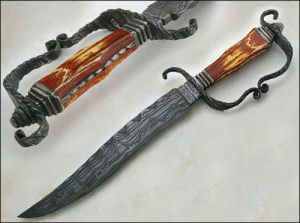
Hunting Pistols
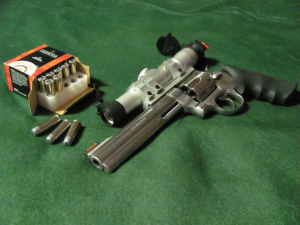
Cooking & Preparing Wild Hog
Going Whole Hog
Feed an Army the Old Fashioned Way
So the army’s coming over for dinner and you need to come up with something to feed them. How about cooking up a whole hog. It’ll serve nearly 40-50 people so it’s a great choice for that church social or the family reunion.
The first thing you’ll need is a place to do the cooking. You can run out and spend $1000 or so on a good high-quality smoker or you can put one together in the backyard. Depending on how industrious you are you could buy some plans or you could rig one up.
Pit Building:
One way of building a pig cooker is to get some 8 inch stone blocks a few metal rods and a wire screen. Build a rectangle with the blocks so it’s inside measurements are about 42″ wide 50″ long and 18″ deep. Set the metal rods on top of the blocks to support the hog and place the wire screen over the rods. Then you can place the hog right on top and let it cook.
Preparing the Pig:
Once you know how and where you are going to cook the hog you need to get the pig. Try to find a skinned and trimmed carcass around 60 to 100 pounds. You want it to be lean so that you don’t start any grease fires. The carcass should be butterflied so it can lay it out relatively flat. To get a whole hog, call around to some local butchers and see if they can help you out.
If you can refrigerator a whole hog get it a day in advance and season it up with a good rub then let it sit for a good day. If you don’t have a place to store it then get everything ready so you can get the hog on the fire as soon as you get it home. Season it as you cook.
Building the Fire:
Now you’re ready to build a fire. If you are using charcoal briquettes you need about 60 pounds you can also use hardwood logs burned down to coals. For use of professional smokers, follow the instructions on building a fire. If you are using a backyard pit, I suggest building a fire ring next to the pit so you can build up the fire there and then move the coals to the pit.
You’ll want to keep adding coals to the pit throughout the day. Start with about 20 pounds of coals. Load them all along the bottom of the pit with more coals on the ends under the hams and the shoulders so the hog will cook evenly.
Cooking: The plan is to cook the hog for about 10 hours. Start in the morning. Build up the heat throughout the day and watch the temperature carefully. Use a good meat thermometer placed deep into one of the hams. When you hit about 170 degrees F. (no less) the hog is done. Cook skin side up for 4-8 hours and then flip. Cook an additional 1-2 hours and turn again. Finish cooking skin side up. Make up a good mop and baste the hog about every hour or so. Apply whatever sauce you want at the end.
Pulling:
Once the pig is cooked remove it from the fire and let it sit for about an hour, wrapped up tightly. This will let it cool down a bit, but also let the heat even out and the juices flow back into the meat. Now you are ready to start pulling the meat. The meat should pull free from the bones. You should start by cutting or breaking the pig up into large pieces about 5 to 10 pounds each.
From these large sections shred the meat into small pieces or strips. You do not want to crush the meat but gently pull it apart. A good pair of insulative, latex cooking gloves are a must. You will want to put the shredded meat into a large pot to keep warm and to mix up. A perfect pile of pulled pork should have meat from every part of the pig.
Hog Recipes
Native American Wild Hog Roast Recipe
Ingredients
1/4 cup vegetable oil
1 1/2 cups chopped onion
3 garlic cloves, minced
4 dried juniper berries, crushed
1/2 tsp. crushed coriander seed
1 bay leaf
4 lg. ripe tomatoes, quartered, seeded
1 1/4 cups water
2/3 cup cider vinegar
1/2 cup honey
1 Tbl. ground red chile
1 dried medium-hot red chile, crushed
2 tsp. salt
1 oz. square unsweetened chocolate, grated
4 lb. or 5 lb. wild hog / wild bore rib roast
Heat oil in a large heavy saucepan and saute onions in it over medium heat until soft. Add garlic, juniper berries, coriander seed, and bay leaf and saute for 2 to 3 minutes longer. Add tomatoes, water, vinegar, honey, ground, and crushed chile and salt. Simmer, covered, 30 minutes. Add chocolate and simmer, uncovered, for 20 to 30 minutes, until fairly thick. Preheat oven to 350 degrees F.
Place roast fat side up in a roasting pan and baste generously with the sauce. Roast for about 3 hours, basting occasionally with sauce and pan drippings. Let roast sit for 10 minutes in a warm place before carving. Slice and spoon additional sauce over each portion.
Super Tasty Wild Boar Summer Sausage
Wonderful and super easy Wild Boar Hog
summer sausage recipe here:
2 pounds ground boar meat
1 cup of water
2 tbsp tender quick salt
1/2 tbsp cayenne pepper
1 tsp nutmeg
1/2 tsp liquid smoke (if baked in the oven)
1/8 tsp garlic powder
1/2 tsp black pepper
Mix well and refrigerate for 24 hours. Form into logs. Bake at 300 degrees for
1-1/2 hours, or till the internal temperature reaches 160 degrees or smoke until
internal temp reaches 160 degrees.
Plan your next adventure today will Hog hunting in Florida. You can explore so many destinations and add some additional activities including fishing in as well.
Eco Tours, Everglades Fishing, Hunting Fl, iOutdoors Blog, Nature Adventures, Swim with Dolphins
Clean Water Is at Stake
When all is said and done in the long effort to improve the quality of the water flowing out of Lake Okeechobee, Federal District Judge Alan S. Gold may go down in history as the person who took the most concrete and decisive action.
The Judge ruled in Miami in April that the U.S. Environmental Protection Agency, after 20 years of ducking the issue, had to take action to enforce the Clean Water Act in South Florida. The judge also heaped criticism on the South Florida Water Management District and the Florida Department of Environmental Protection for failing to limit phosphorus discharges into the Everglades.
Why and How?
It is high levels of phosphorus that causes cattails to take the place of saw grass and in the process fundamentally change the nature of the glades. Massive discharges of bad water down the Caloosahatchee River and the St. Lucie River periodically damage the saltwater estuaries at Fort Myers and Stuart.
The EPA reported back to the judge in September with new rules. Since then some argue the new rules are not tough enough while others argue that they are too tough.
The EPA, Florida agencies and politicians have 15 months to find a reasonable compromise.
The final decision will have a big impact on the long-term prospects for the game fish population that needs clean water in order to thrive.
![Unique qualities of shark teeth]()
Animal Park Experience, Hunting Fl, iOutdoors Blog, Shark Fishing
Unique qualities of shark teeth
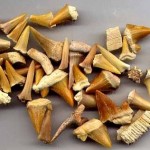 Sharks have no body skeleton; its skeletal structure is comprised mostly of cartilage. Only the teeth are left as evidence of the existence of an individual shark. Sharks are best known for being ferocious predators and for having jagged, oblique, and serrated triangular teeth that have plenty of unique qualities.
Most of the creatures blessed with teeth have a fixed number of sets. For instance, in people, we have milk teeth that are replaced by permanent teeth. Well, shark teeth are not like that. If you’ll look close, you’ll notice that there are rows and rows of teeth inside the shark’s mouth. Now, the best part about these teeth is that these continually move to the front row. When these are in the front row, they only have about 10 days of life as front liners before they are shed or less if they fall off when the shark attacks a rather difficult-to-tear pray.
Another thing, most of the teeth are held fast by a very strong fibrous tissue that makes the shark teeth become erect when the mouth is opened. With front-facing sharp teeth, the shark will surely have a firmer grip on its victim. Also, this fibrous tissue makes the shark deadly even after it died. So many accounts have been told and written about shark jaws (which are left to dry) that suddenly snap shut, hurting those whose hands have lingered too long inside them.
Also, each of these strong teeth bears a smaller tooth. That is why the shark has a very nasty, often fatal, bite. Read more facts about shark teeth.
![Unique qualities of shark teeth]()
Hunting Fl, iOutdoors Blog, Nature Adventures, Water Sports
 Safety Precautions on the Water
When out fishing or boating in the open water, the last thing that comes to mind is emergency precautions. Some anglers and even leisure kayakers often go out into the water thinking only of the refreshing ocean breeze, catching fish and the pristine waters. However, when worse comes to worst, it is best to be prepared for water emergencies.
Safety Tips to Follow:
1. Pay attention to the weather. No matter how small or large your boat is, it is no match for the ocean and its power especially during bad weather. Weather can change in an instant out in the open water. It is best not only to rely on weather forecasts but by also observing the sky and cloud formations
2. Tell someone where you are going before heading out into the water. This will give you some reassurance that somebody knows where you are and where you were headed especially if it has taken you quite a long time to go back because of bad weather. It is a superb idea to leave a manifest of your planned trip.
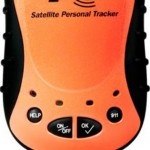
3. Carry a EPIRB or the latest GPS tracking device. It is also a must to Carry a VHF marine band radio. This will make it easier for you to contact someone especially when you are in trouble.
4. Carry safety items. Items such as life jacket, flashlight, oars, bucket, first aid kit, rope, blanket, mirror or shiny object, garbage bags, or an extra expandable raft. These items should be with you at all times when you are headed into the water.
5. Learn to swim. In a worst case scenario wherein you lose your boat, it is best to know how to float and swim in order to prevent drowning.
6. Wear proper attire and carry extra attire for bad weather. The proper attire or even rain-attire will help keep you warm and dry when you are stranded in the water.
7. Carry extra food, especially water so that you won’t get dehydrated.
So many dangers can happen when you are in the water. The ocean is an unpredictable realm. It can be pleasant one minute, and then storming the next. Be prepared in order to come out alive and ready for your next boating experience.
![Unique qualities of shark teeth]()
Animal Park Experience, Eco Tours, Hog Hunting Fl, Hunting Fl, iOutdoors Blog, Nature Adventures
Wild Boar Eat What?
Hunting wild boars is an exciting sport. It can be quite adrenaline-pumping to chase them through thickets or face them as they charge. However, just like any other animals hunted for game, wild boars can be quite difficult to hunt as they do not stay in just one area. Their ability to run fast, and heightened senses of hearing and smell all contribute to the difficulty in hunting them.
As a tip to make tracking them easier, learn more about the social and natural behavioral traits of these creatures. Important information you must know about wild boars, to better hunt them, are their eating habits. Knowing what, when, and where they eat will help you understand the behavior and hunting grounds of these animals. Understanding their eating habits will allow you to spot more of their tracks as you hunt them down.
Wild boars are crepuscular animals, mainly active beginning dawn until dusk. Thus, it is also expected that they would go about and hunt for food during these times. Wild boars are highly omnivorous animals, capable of feeding on both plants to animals; and are scavengers, eating almost anything they would come across.
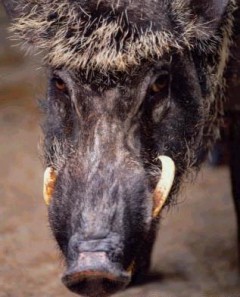
One of the most common signs that you should look for when tracking wild boars is rooting. Although their eyesight is not great, wild boars have an excellent sense of smell. These creatures use their long snouts to dig up the ground to look for tender roots and morsels such as tubers, grass, mushrooms, worms, and insects. By rooting, wild boars would leave a trail – an easily discernable patch of the area that has been dugout. In fact, in some areas, they leave quite widespread damage that causes erosion and spoil ecological balance. Although this activity is year-round, it reaches its peak before spring ends and continues until summer and winter.
Wild boars also feed on berries, nuts, acorns, pecans, fruits, and carrions. On occasion, they also feed on eggs, small reptiles and birds, young deer, rabbits, and even dead animals. When there is an abundance of food in their territory, wild board normally do not wander too far, never crossing 10 square miles. When food is scarce though, especially during the cold months, expect your hunting range to expand as they can search for food for up to 50 square miles.
Be an intelligent wild boar hunter. Knowing your prey makes hunting it easier. It would not be amiss to research information among friends or on the internet about these creatures’ behaviors including their eating habits. Next time, before you go wild boar hunting, pay attention to these small important details because they could be your ticket to catching the biggest wild boar!


