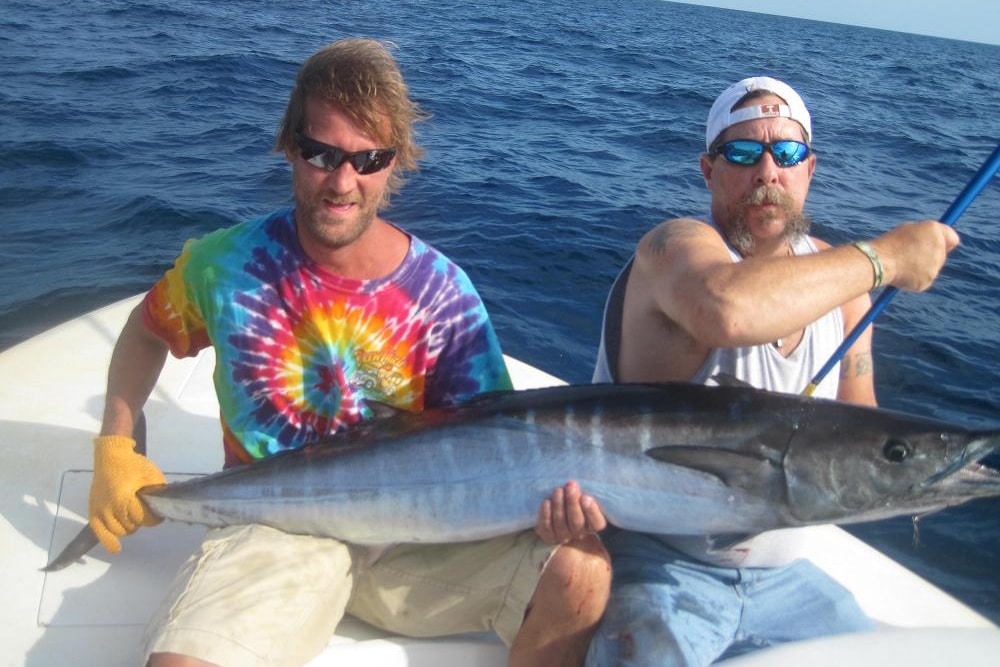
iOutdoors Blog, Amelia Island Fishing, Cape Canaveral Fishing, Cocoa Beach Fishing, Daytona Beach Fishing, Fishing Destinations, Florida Fishing, Fort Pierce Fishing, Ft Lauderdale Fishing, Islamorada Fishing, Jacksonville Fishing, Marathon Fishing, Miami Beach Fishing, New Smyrna Fishing, Offshore Fishing, Pompano Beach Fishing, St Augustine Fishing, Wahoo fishing
Wahoo can be caught year-round along Florida’s Atlantic coast from Amelia Island to Key West. However, July and August full moons are the best times to target Wahoo in Florida, at least on the east coast of Florida. Like most other fish species, the structure, water movement, and season are important to consider when targeting Wahoo. When all three of these conditions align, it will happen favorably, and you will be sure to load your fish box.
Many anglers are successful in July and August, around the full moon, which is 100% due to water movement. During July and August, the moon is the closest to South Florida. Due to this, the full moon will produce the two most prominent tide swings along the east coast of Florida during the entire year. Large tide swings have very favorable currents, enabling wahoos to feed.
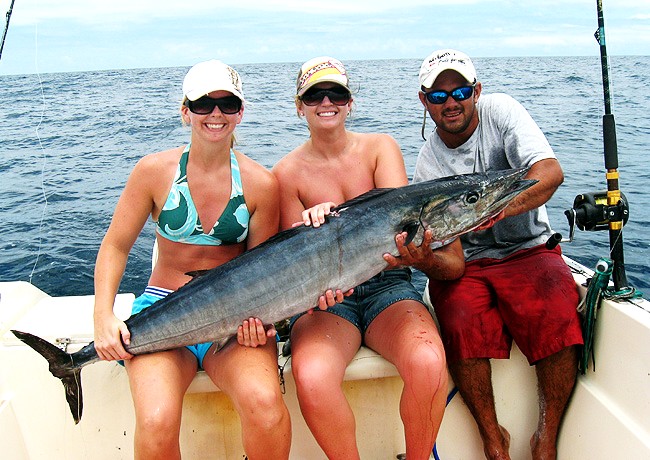
Wahoo Fishing Charters
Wahoos are lovely fish that can sometimes be very elusive. They possess excellent eyesight, great camouflage significant talents but are often finicky. Wahoos average around 20-50 lbs on the east coast except for small fish; they usually find underwater debris. They are caught in Kite fishing, trolling, and vertical jigging, among other methods. The varied techniques depend on time and place and the weight and form of the fish.
If you are interested in a specific fishing charter, we highly suggest you plan to book a more extended charter, like an 8 hour, because of the amount of trolling and areas that need to be covered.
Top Wahoo Fishing Locations
Wahoo is an impressive pelagic fish found in a variety of waters. They swim from the coastlines of the Islands in the Caribbean and all around Florida. You can hook these streamlined speedsters in plenty of destinations. They inhabit tropical and subtropical waters, which reach 600 feet from the ocean’s surface.
Below, we’ve listed 5 of the top prolific spots around Florida. Of course, the fish swims in so many others, but here are places we have had great success catching Wahoo. Visiting one of these destinations increases your odds of having a pretty good Wahoo encounter!
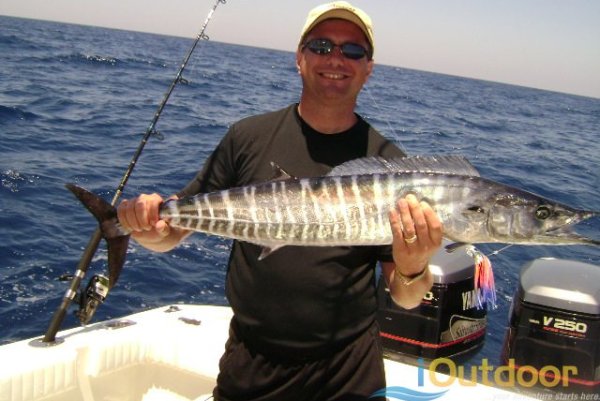
1) Wahoo Fishing in Key West
Anglers fish for wahoo in the Florida Keys because the meat has an exquisite taste; at least to most, it seems different. This fish reaches speeds up to 80 mph and is the fastest fish in the ocean, especially when attacking baitfish. Wahoos in the Keys can reach weights pushing 100lbs. But the average caught fish has just over 30 lbs. It spends much of its life within the deeper dark blue waters of the Gulf Stream Ocean.
Wahoo fishing season in Key West
The Wahoo may be caught in the Summer Time at sea in the cooler water of the open ocean. From November until February, the water temperature becomes perfect for this available sea predator in the winter months. It appears to be the most enjoyable on both sides of the full moon during the December months. Wahoo and many other fish species can be caught at Key West anytime throughout the year, but in December, only one week in either direction is the best time to encounter the Wahoo in the Florida Keys. The Winter is the best action for Wahoo because the water is warmer, and fish migrate south.
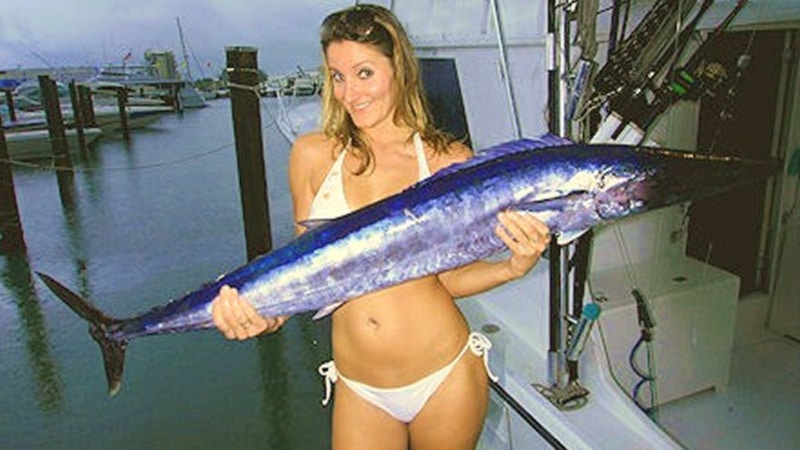
2) Fishing in Miami for Wahoo
Florida’s Atlantic Coast is at times saturated with Wahoo up and down the coast. The migration travels South to North, and when in Miami, they are plentiful. Miami’s city port provides direct access to the Gulf Stream, a deep water channel less than 3 miles offshore. These warm waters are home to many pelagic fish who call these waters home! Although the species is found all year, the best angling action usually occurs from early spring into late summer.
3) Wahoo Fishing in Biloxi
Not always known for its abundance of deepsea fishing, these deep drops offshore of the coast is home to big Wahoo and have become a hotspot. It provides the structure, current, and oasis these fish love to flock to! Even better, they live here all year, sticking close to deepwater rigs and structures anywhere from 10–30 miles from shore. However, the hottest times to cast your line are January through March.
4) Wahoo Fishing in Stuart
Fishing out of the St. Lucie Inlet in Stuart, Florida, is like all ports; it can sometimes be hit or miss. In Stuart, the season is less consistent but available all year round.
The best time of the year can be argumentative; most people would say the summer months of July, August, and September to target Wahoo. But at times, the Winter, October through February, can be impressive. Most Wahoos during the Winter are a bi-catch of fishing for sailfish. If you desire to catch Wahoo during the Winter months, be sure to specify when booking the charter so the crew and make the proper adjustments to target just Wahoo.
During the summer months, high-speed trolling baits and lures are the most effective targeting the Wahoo because they love to ambush its prey, look for them to be hiding around and structure, are down on ledges so they and quickly surprise its next victim. The average weight of a Wahoo caught in Stuart this time of the year is around 25lbs, but it’s not uncommon to catch a 45lb plus.
5) Catch Wahoo in St Augustine
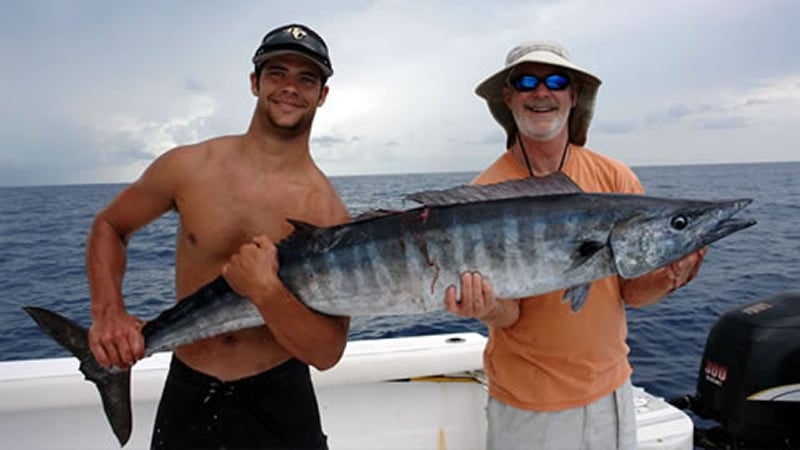
Northeast Florida is known for its deepwater ledges off Jacksonville and St. Augustine coast, approxally 70 miles out, and prime hangout for large Wahoo. This migration of big Wahoo seems to show up between February and March and is fishable for Wahoo from January and April.
Generally, the time of the year when high-speed trolling for Wahoo works. Keep trolling once the fish are located, and the first hookup happens. It’s essential to use 50 series reels or larger ones to hold plenty of fishing lines.
The most success comes from rigging your trolling lines with a sinker. You want to try and keep your lines about 25 to 30 feet below the surface. It has proven that Wahoo like bright colors, and for that reason, a combination of purple and silver and red and black work most all year. This area has one of the largest averages of Wahoo, almost all coming from the ledges. The average size is 40 pounds, and it’s common to encounter fish in the 90-pound range during the season regularly.
Although you have an occasional by-catch of dolphin, blackfin tuna, you will know when the Wahoo hits without any dought.
Wahoo in the United States
In general, the Wahoo population is plentiful in the Pacific Ocean, Atlantic, and the Gulf of Mexico. All these waters provide ample Wahoo fishing opportunities throughout the USA, and the about are some of highlighted best destinations.
How do I Target Wahoo in Florida?
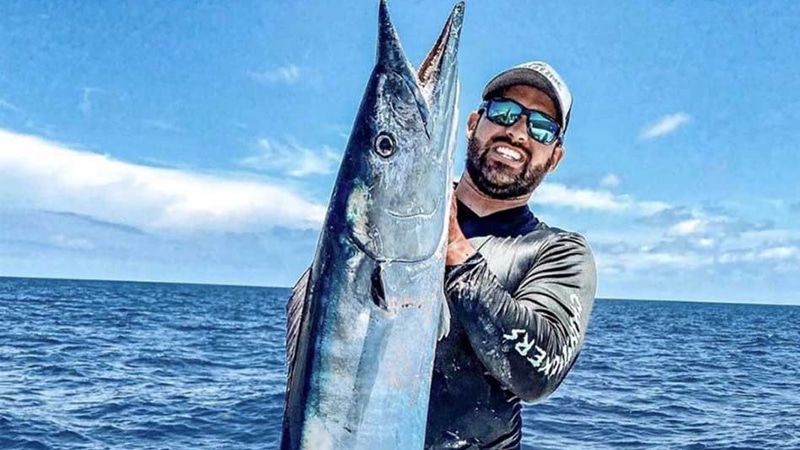
We have discussed lures to this point, but you can also slow troll with live bait, live blue runners, goggle-eye, mullet, and juvenile bonito. Live baits should be set up using a double hook rig, also known as a stinger hook.
If considering this method, be sure to load up on Spanish sardines, pilchards, ballyhoo, threadfins, and head offshore looking for a ledge, weed-line, rip current, anything to create a color change in the water. Generally, start fishing in about 180 to 400 feet of water; when doing this, it also helps to chum the waters. You can chum with dead bait or live baits, consistently placing a hooked similar-sized bait as an additional weapon behind the boat.
When Wahoo sense the chum smell, they will instinctively swim right under the boat to be caught by sight casting to them. When fishing in the mornings, you should expect a line on the water up to 35 minutes before sunrise. The morning bite usually lasts for about 2 hours during the sun rising.
What is the Florida Wahoo Spread?
Start by trolling for Wahoo, using small and medium-sized lures, especially in South Florida. Try using six-lure spread out equally. Try placing the Wahoo lures out 150, 250, and 350 feet on the port side and 200, 300, and 450 feet on starboard. In winds and waves, the farther the lures are fed-out, the slows it sinks, and then it speeds up again after cresting the wave. By using six lures, they cover different parts of the ledge at different speeds and depths.
High Speed Trolling Wahoo Lures
Each lure uses the highest quality materials available. The industry has extensively selected and supplied the best accessories and wood, including shellings and screws. Most Wahoo fishing products intend it to last fishing for the rugged, sharp toothfish species. Unlike some other lures on the market, most Wahoo lure companies use high-quality industrial-grade urethane. As a result, the lures will hold up to species and not turn black or crack in use.
Closing
Free to contact us for additional information or leave a comment below.

Bass Fishing, Dolphin Fishing, iOutdoors Blog, Tuna Fishing, Wahoo fishing
[fusion_builder_container type=”flex” hundred_percent=”no” hundred_percent_height=”no” min_height_medium=”” min_height_small=”” min_height=”” hundred_percent_height_scroll=”no” align_content=”stretch” flex_align_items=”flex-start” flex_justify_content=”flex-start” flex_column_spacing=”” hundred_percent_height_center_content=”yes” equal_height_columns=”no” container_tag=”div” menu_anchor=”” hide_on_mobile=”small-visibility,medium-visibility,large-visibility” status=”published” publish_date=”” class=”” id=”” spacing_medium=”” margin_top_medium=”” margin_bottom_medium=”” spacing_small=”” margin_top_small=”” margin_bottom_small=”” margin_top=”” margin_bottom=”” padding_dimensions_medium=”” padding_top_medium=”” padding_right_medium=”” padding_bottom_medium=”” padding_left_medium=”” padding_dimensions_small=”” padding_top_small=”” padding_right_small=”” padding_bottom_small=”” padding_left_small=”” padding_top=”” padding_right=”” padding_bottom=”” padding_left=”” link_color=”” link_hover_color=”” border_sizes=”” border_sizes_top=”” border_sizes_right=”” border_sizes_bottom=”” border_sizes_left=”” border_color=”” border_style=”solid” box_shadow=”no” box_shadow_vertical=”” box_shadow_horizontal=”” box_shadow_blur=”0″ box_shadow_spread=”0″ box_shadow_color=”” box_shadow_style=”” z_index=”” overflow=”” gradient_start_color=”” gradient_end_color=”” gradient_start_position=”0″ gradient_end_position=”100″ gradient_type=”linear” radial_direction=”center center” linear_angle=”180″ background_color=”” background_image=”” skip_lazy_load=”” background_position=”center center” background_repeat=”no-repeat” fade=”no” background_parallax=”none” enable_mobile=”no” parallax_speed=”0.3″ background_blend_mode=”none” video_mp4=”” video_webm=”” video_ogv=”” video_url=”” video_aspect_ratio=”16:9″ video_loop=”yes” video_mute=”yes” video_preview_image=”” render_logics=”” absolute=”off” absolute_devices=”small,medium,large” sticky=”off” sticky_devices=”small-visibility,medium-visibility,large-visibility” sticky_background_color=”” sticky_height=”” sticky_offset=”” sticky_transition_offset=”0″ scroll_offset=”0″ animation_type=”” animation_direction=”left” animation_speed=”0.3″ animation_offset=”” filter_hue=”0″ filter_saturation=”100″ filter_brightness=”100″ filter_contrast=”100″ filter_invert=”0″ filter_sepia=”0″ filter_opacity=”100″ filter_blur=”0″ filter_hue_hover=”0″ filter_saturation_hover=”100″ filter_brightness_hover=”100″ filter_contrast_hover=”100″ filter_invert_hover=”0″ filter_sepia_hover=”0″ filter_opacity_hover=”100″ filter_blur_hover=”0″][fusion_builder_row][fusion_builder_column type=”1_1″ layout=”1_1″ align_self=”auto” content_layout=”column” align_content=”flex-start” valign_content=”flex-start” content_wrap=”wrap” spacing=”” center_content=”no” link=”” target=”_self” min_height=”” hide_on_mobile=”small-visibility,medium-visibility,large-visibility” sticky_display=”normal,sticky” class=”” id=”” type_medium=”” type_small=”” order_medium=”0″ order_small=”0″ dimension_spacing_medium=”” dimension_spacing_small=”” dimension_spacing=”” dimension_margin_medium=”” dimension_margin_small=”” margin_top=”” margin_bottom=”” padding_medium=”” padding_small=”” padding_top=”” padding_right=”” padding_bottom=”” padding_left=”” hover_type=”none” border_sizes=”” border_color=”” border_style=”solid” border_radius=”” box_shadow=”no” dimension_box_shadow=”” box_shadow_blur=”0″ box_shadow_spread=”0″ box_shadow_color=”” box_shadow_style=”” background_type=”single” gradient_start_color=”” gradient_end_color=”” gradient_start_position=”0″ gradient_end_position=”100″ gradient_type=”linear” radial_direction=”center center” linear_angle=”180″ background_color=”” background_image=”” background_image_id=”” background_position=”left top” background_repeat=”no-repeat” background_blend_mode=”none” render_logics=”” filter_type=”regular” filter_hue=”0″ filter_saturation=”100″ filter_brightness=”100″ filter_contrast=”100″ filter_invert=”0″ filter_sepia=”0″ filter_opacity=”100″ filter_blur=”0″ filter_hue_hover=”0″ filter_saturation_hover=”100″ filter_brightness_hover=”100″ filter_contrast_hover=”100″ filter_invert_hover=”0″ filter_sepia_hover=”0″ filter_opacity_hover=”100″ filter_blur_hover=”0″ animation_type=”” animation_direction=”left” animation_speed=”0.3″ animation_offset=”” last=”true” border_position=”all” first=”true”][fusion_text columns=”” column_min_width=”” column_spacing=”” rule_style=”default” rule_size=”” rule_color=”” content_alignment_medium=”” content_alignment_small=”” content_alignment=”” hide_on_mobile=”small-visibility,medium-visibility,large-visibility” sticky_display=”normal,sticky” class=”” id=”” margin_top=”” margin_right=”” margin_bottom=”” margin_left=”” font_size=”” fusion_font_family_text_font=”” fusion_font_variant_text_font=”” line_height=”” letter_spacing=”” text_color=”” animation_type=”” animation_direction=”left” animation_speed=”0.3″ animation_offset=””]
Fishing is not easy, but some fishes elude even the most talented of sports fishers! Experienced anglers look for species that can make fishing more adventurous for them. They don’t want to just “throw hooks and catch the easiest fish”. These anglers want to catch something for bragging rights. For that adventure head angler here’s the list of some of the most challenging freshwater and saltwater catches.
With a professional angler by your side you might be able to land one without requiring thousand casts or five hours.
[/fusion_text][fusion_text columns=”” column_min_width=”” column_spacing=”” rule_style=”default” rule_size=”” rule_color=”” content_alignment_medium=”” content_alignment_small=”” content_alignment=”” hide_on_mobile=”small-visibility,medium-visibility,large-visibility” sticky_display=”normal,sticky” class=”” id=”” margin_top=”” margin_right=”” margin_bottom=”” margin_left=”” font_size=”” fusion_font_family_text_font=”” fusion_font_variant_text_font=”” line_height=”” letter_spacing=”” text_color=”” animation_type=”” animation_direction=”left” animation_speed=”0.3″ animation_offset=””]
List of Hardest Fighting Fish (Your Next Trophy Fish)
[/fusion_text][fusion_builder_row_inner][fusion_builder_column_inner type=”2_3″ layout=”2_3″ align_self=”auto” content_layout=”column” align_content=”flex-start” valign_content=”flex-start” content_wrap=”wrap” spacing=”” center_content=”no” link=”” target=”_self” min_height=”” hide_on_mobile=”small-visibility,medium-visibility,large-visibility” sticky_display=”normal,sticky” class=”” id=”” type_medium=”” type_small=”” order_medium=”0″ order_small=”0″ dimension_spacing_medium=”” dimension_spacing_small=”” dimension_spacing=”” dimension_margin_medium=”” dimension_margin_small=”” dimension_margin=”” padding_medium=”” padding_small=”” padding_top=”” padding_right=”” padding_bottom=”” padding_left=”” hover_type=”none” border_sizes=”” border_color=”” border_style=”solid” border_radius=”” box_shadow=”no” dimension_box_shadow=”” box_shadow_blur=”0″ box_shadow_spread=”0″ box_shadow_color=”” box_shadow_style=”” background_type=”single” gradient_start_color=”” gradient_end_color=”” gradient_start_position=”0″ gradient_end_position=”100″ gradient_type=”linear” radial_direction=”center center” linear_angle=”180″ background_color=”” background_image=”” background_image_id=”” background_position=”left top” background_repeat=”no-repeat” background_blend_mode=”none” render_logics=”” filter_type=”regular” filter_hue=”0″ filter_saturation=”100″ filter_brightness=”100″ filter_contrast=”100″ filter_invert=”0″ filter_sepia=”0″ filter_opacity=”100″ filter_blur=”0″ filter_hue_hover=”0″ filter_saturation_hover=”100″ filter_brightness_hover=”100″ filter_contrast_hover=”100″ filter_invert_hover=”0″ filter_sepia_hover=”0″ filter_opacity_hover=”100″ filter_blur_hover=”0″ animation_type=”” animation_direction=”left” animation_speed=”0.3″ animation_offset=”” last=”false” border_position=”all” first=”true” spacing_right=””][fusion_text columns=”” column_min_width=”” column_spacing=”” rule_style=”default” rule_size=”” rule_color=”” content_alignment_medium=”” content_alignment_small=”” content_alignment=”” hide_on_mobile=”small-visibility,medium-visibility,large-visibility” sticky_display=”normal,sticky” class=”” id=”” margin_top=”” margin_right=”” margin_bottom=”” margin_left=”” font_size=”” fusion_font_family_text_font=”” fusion_font_variant_text_font=”” line_height=”” letter_spacing=”” text_color=”” animation_type=”” animation_direction=”left” animation_speed=”0.3″ animation_offset=””]
Marlin Fish
Every fisher will tell you that catching a blue marlin is one of his or her greatest fishing accomplishments. There are three species of marlin which are all beauties.
This species prefers to dive deep and warm waters. Troll the bait at a speed of about 8.5 knots. Marlins prefer live baits, but there are tackles made to lure them in.
Marlin also are known to fight particularly hard after they strike! The largest may tip the scales at over 500 kg!
Related Blog : Where is the Best Place in Florida to Catch Marlin?
[/fusion_text][/fusion_builder_column_inner][fusion_builder_column_inner type=”1_3″ layout=”1_3″ align_self=”auto” content_layout=”column” align_content=”flex-start” valign_content=”flex-start” content_wrap=”wrap” spacing=”” center_content=”no” link=”” target=”_self” min_height=”” hide_on_mobile=”small-visibility,medium-visibility,large-visibility” sticky_display=”normal,sticky” class=”” id=”” type_medium=”” type_small=”” order_medium=”0″ order_small=”0″ dimension_spacing_medium=”” dimension_spacing_small=”” dimension_spacing=”” dimension_margin_medium=”” dimension_margin_small=”” dimension_margin=”” padding_medium=”” padding_small=”” padding_top=”” padding_right=”” padding_bottom=”” padding_left=”” hover_type=”none” border_sizes=”” border_color=”” border_style=”solid” border_radius=”” box_shadow=”no” dimension_box_shadow=”” box_shadow_blur=”0″ box_shadow_spread=”0″ box_shadow_color=”” box_shadow_style=”” background_type=”single” gradient_start_color=”” gradient_end_color=”” gradient_start_position=”0″ gradient_end_position=”100″ gradient_type=”linear” radial_direction=”center center” linear_angle=”180″ background_color=”” background_image=”” background_image_id=”” background_position=”left top” background_repeat=”no-repeat” background_blend_mode=”none” render_logics=”” filter_type=”regular” filter_hue=”0″ filter_saturation=”100″ filter_brightness=”100″ filter_contrast=”100″ filter_invert=”0″ filter_sepia=”0″ filter_opacity=”100″ filter_blur=”0″ filter_hue_hover=”0″ filter_saturation_hover=”100″ filter_brightness_hover=”100″ filter_contrast_hover=”100″ filter_invert_hover=”0″ filter_sepia_hover=”0″ filter_opacity_hover=”100″ filter_blur_hover=”0″ animation_type=”” animation_direction=”left” animation_speed=”0.3″ animation_offset=”” last=”true” border_position=”all” first=”false”][fusion_imageframe image_id=”117117|medium” max_width=”” sticky_max_width=”” skip_lazy_load=”” style_type=”” blur=”” stylecolor=”” hover_type=”none” bordersize=”” bordercolor=”” borderradius=”” align_medium=”none” align_small=”none” align=”none” margin_top=”” margin_right=”” margin_bottom=”” margin_left=”” lightbox=”no” gallery_id=”” lightbox_image=”” lightbox_image_id=”” alt=”” link=”” linktarget=”_self” hide_on_mobile=”small-visibility,medium-visibility,large-visibility” sticky_display=”normal,sticky” class=”” id=”” animation_type=”” animation_direction=”left” animation_speed=”0.3″ animation_offset=”” filter_hue=”0″ filter_saturation=”100″ filter_brightness=”100″ filter_contrast=”100″ filter_invert=”0″ filter_sepia=”0″ filter_opacity=”100″ filter_blur=”0″ filter_hue_hover=”0″ filter_saturation_hover=”100″ filter_brightness_hover=”100″ filter_contrast_hover=”100″ filter_invert_hover=”0″ filter_sepia_hover=”0″ filter_opacity_hover=”100″ filter_blur_hover=”0″]https://storage.googleapis.com/cdn-ioutdoor-com/2021/07/4a2699a0-blue-marlin-big-fish-300×450.jpg[/fusion_imageframe][/fusion_builder_column_inner][/fusion_builder_row_inner][fusion_builder_row_inner][fusion_builder_column_inner type=”1_3″ layout=”1_3″ align_self=”auto” content_layout=”column” align_content=”flex-start” valign_content=”flex-start” content_wrap=”wrap” spacing=”” center_content=”no” link=”” target=”_self” min_height=”” hide_on_mobile=”small-visibility,medium-visibility,large-visibility” sticky_display=”normal,sticky” class=”” id=”” type_medium=”” type_small=”” order_medium=”0″ order_small=”0″ dimension_spacing_medium=”” dimension_spacing_small=”” dimension_spacing=”” dimension_margin_medium=”” dimension_margin_small=”” dimension_margin=”” padding_medium=”” padding_small=”” padding_top=”” padding_right=”” padding_bottom=”” padding_left=”” hover_type=”none” border_sizes=”” border_color=”” border_style=”solid” border_radius=”” box_shadow=”no” dimension_box_shadow=”” box_shadow_blur=”0″ box_shadow_spread=”0″ box_shadow_color=”” box_shadow_style=”” background_type=”single” gradient_start_color=”” gradient_end_color=”” gradient_start_position=”0″ gradient_end_position=”100″ gradient_type=”linear” radial_direction=”center center” linear_angle=”180″ background_color=”” background_image=”” background_image_id=”” background_position=”left top” background_repeat=”no-repeat” background_blend_mode=”none” render_logics=”” filter_type=”regular” filter_hue=”0″ filter_saturation=”100″ filter_brightness=”100″ filter_contrast=”100″ filter_invert=”0″ filter_sepia=”0″ filter_opacity=”100″ filter_blur=”0″ filter_hue_hover=”0″ filter_saturation_hover=”100″ filter_brightness_hover=”100″ filter_contrast_hover=”100″ filter_invert_hover=”0″ filter_sepia_hover=”0″ filter_opacity_hover=”100″ filter_blur_hover=”0″ animation_type=”” animation_direction=”left” animation_speed=”0.3″ animation_offset=”” last=”false” border_position=”all” first=”true” spacing_right=””][fusion_imageframe image_id=”117118|medium” max_width=”” sticky_max_width=”” skip_lazy_load=”” style_type=”” blur=”” stylecolor=”” hover_type=”none” bordersize=”” bordercolor=”” borderradius=”” align_medium=”none” align_small=”none” align=”none” margin_top=”” margin_right=”” margin_bottom=”” margin_left=”” lightbox=”no” gallery_id=”” lightbox_image=”” lightbox_image_id=”” alt=”” link=”” linktarget=”_self” hide_on_mobile=”small-visibility,medium-visibility,large-visibility” sticky_display=”normal,sticky” class=”” id=”” animation_type=”” animation_direction=”left” animation_speed=”0.3″ animation_offset=”” filter_hue=”0″ filter_saturation=”100″ filter_brightness=”100″ filter_contrast=”100″ filter_invert=”0″ filter_sepia=”0″ filter_opacity=”100″ filter_blur=”0″ filter_hue_hover=”0″ filter_saturation_hover=”100″ filter_brightness_hover=”100″ filter_contrast_hover=”100″ filter_invert_hover=”0″ filter_sepia_hover=”0″ filter_opacity_hover=”100″ filter_blur_hover=”0″]https://storage.googleapis.com/cdn-ioutdoor-com/2021/07/8829105b-wahoo-fish-northeast-florida-358×450.jpg[/fusion_imageframe][/fusion_builder_column_inner][fusion_builder_column_inner type=”2_3″ layout=”2_3″ align_self=”auto” content_layout=”column” align_content=”flex-start” valign_content=”flex-start” content_wrap=”wrap” spacing=”” center_content=”no” link=”” target=”_self” min_height=”” hide_on_mobile=”small-visibility,medium-visibility,large-visibility” sticky_display=”normal,sticky” class=”” id=”” type_medium=”” type_small=”” order_medium=”0″ order_small=”0″ dimension_spacing_medium=”” dimension_spacing_small=”” dimension_spacing=”” dimension_margin_medium=”” dimension_margin_small=”” dimension_margin=”” padding_medium=”” padding_small=”” padding_top=”” padding_right=”” padding_bottom=”” padding_left=”” hover_type=”none” border_sizes=”” border_color=”” border_style=”solid” border_radius=”” box_shadow=”no” dimension_box_shadow=”” box_shadow_blur=”0″ box_shadow_spread=”0″ box_shadow_color=”” box_shadow_style=”” background_type=”single” gradient_start_color=”” gradient_end_color=”” gradient_start_position=”0″ gradient_end_position=”100″ gradient_type=”linear” radial_direction=”center center” linear_angle=”180″ background_color=”” background_image=”” background_image_id=”” background_position=”left top” background_repeat=”no-repeat” background_blend_mode=”none” render_logics=”” filter_type=”regular” filter_hue=”0″ filter_saturation=”100″ filter_brightness=”100″ filter_contrast=”100″ filter_invert=”0″ filter_sepia=”0″ filter_opacity=”100″ filter_blur=”0″ filter_hue_hover=”0″ filter_saturation_hover=”100″ filter_brightness_hover=”100″ filter_contrast_hover=”100″ filter_invert_hover=”0″ filter_sepia_hover=”0″ filter_opacity_hover=”100″ filter_blur_hover=”0″ animation_type=”” animation_direction=”left” animation_speed=”0.3″ animation_offset=”” last=”true” border_position=”all” first=”false”][fusion_text columns=”” column_min_width=”” column_spacing=”” rule_style=”default” rule_size=”” rule_color=”” content_alignment_medium=”” content_alignment_small=”” content_alignment=”” hide_on_mobile=”small-visibility,medium-visibility,large-visibility” sticky_display=”normal,sticky” class=”” id=”” margin_top=”” margin_right=”” margin_bottom=”” margin_left=”” font_size=”” fusion_font_family_text_font=”” fusion_font_variant_text_font=”” line_height=”” letter_spacing=”” text_color=”” animation_type=”” animation_direction=”left” animation_speed=”0.3″ animation_offset=””]
Wahoo
Wahoo live in the warm waters of Florida and Louisiana. The warmer weather seasons are the best time to fish for them. Part of what makes it the most difficult fish to catch is its speed– they can swim up to 60 miles an hour! Use a planer to troll 12, 14, or up to 16 or 20 knots.
Each expert has their own technique. Some use dead bait, others use live baits, and some swear by dragging multiple lures. During low tide, go for 200 to 400 feet depth. However, during the last part of the incoming tide and the first part of an outgoing tide, the fish will congregate around inlets.
Another challenge in baiting a Wahoo is their strength. Be sure you have a firm grip because these guys may be able to hurl a fisherman off the boat!
Related Blog: Why is a Wahoo Fish Called a Wahoo?
[/fusion_text][/fusion_builder_column_inner][/fusion_builder_row_inner][fusion_builder_row_inner][fusion_builder_column_inner type=”2_3″ layout=”2_3″ align_self=”auto” content_layout=”column” align_content=”flex-start” valign_content=”flex-start” content_wrap=”wrap” spacing=”” center_content=”no” link=”” target=”_self” min_height=”” hide_on_mobile=”small-visibility,medium-visibility,large-visibility” sticky_display=”normal,sticky” class=”” id=”” type_medium=”” type_small=”” order_medium=”0″ order_small=”0″ dimension_spacing_medium=”” dimension_spacing_small=”” dimension_spacing=”” dimension_margin_medium=”” dimension_margin_small=”” dimension_margin=”” padding_medium=”” padding_small=”” padding_top=”” padding_right=”” padding_bottom=”” padding_left=”” hover_type=”none” border_sizes=”” border_color=”” border_style=”solid” border_radius=”” box_shadow=”no” dimension_box_shadow=”” box_shadow_blur=”0″ box_shadow_spread=”0″ box_shadow_color=”” box_shadow_style=”” background_type=”single” gradient_start_color=”” gradient_end_color=”” gradient_start_position=”0″ gradient_end_position=”100″ gradient_type=”linear” radial_direction=”center center” linear_angle=”180″ background_color=”” background_image=”” background_image_id=”” background_position=”left top” background_repeat=”no-repeat” background_blend_mode=”none” render_logics=”” filter_type=”regular” filter_hue=”0″ filter_saturation=”100″ filter_brightness=”100″ filter_contrast=”100″ filter_invert=”0″ filter_sepia=”0″ filter_opacity=”100″ filter_blur=”0″ filter_hue_hover=”0″ filter_saturation_hover=”100″ filter_brightness_hover=”100″ filter_contrast_hover=”100″ filter_invert_hover=”0″ filter_sepia_hover=”0″ filter_opacity_hover=”100″ filter_blur_hover=”0″ animation_type=”” animation_direction=”left” animation_speed=”0.3″ animation_offset=”” last=”false” border_position=”all” first=”true” spacing_right=””][fusion_text columns=”” column_min_width=”” column_spacing=”” rule_style=”default” rule_size=”” rule_color=”” content_alignment_medium=”” content_alignment_small=”” content_alignment=”” hide_on_mobile=”small-visibility,medium-visibility,large-visibility” sticky_display=”normal,sticky” class=”” id=”” margin_top=”” margin_right=”” margin_bottom=”” margin_left=”” font_size=”” fusion_font_family_text_font=”” fusion_font_variant_text_font=”” line_height=”” letter_spacing=”” text_color=”” animation_type=”” animation_direction=”left” animation_speed=”0.3″ animation_offset=””]
Tarpon
Tarpons are one of the trophy list fish, and every serious fisher remembers the first time they caught one! This species is also known as the Silver King. The like warm summer months, particularly June, that’s a great time to try to catch them.
They will fight and jump once you catch one on the line. To hook one, have at least a 30 lb line and crab or fish live bait. Tarpons are caught in piers or shallows many times. Troll the line at slow speeds, from 1.5 miles to 2.5 miles.
[/fusion_text][/fusion_builder_column_inner][fusion_builder_column_inner type=”1_3″ layout=”1_3″ align_self=”auto” content_layout=”column” align_content=”flex-start” valign_content=”flex-start” content_wrap=”wrap” spacing=”” center_content=”no” link=”” target=”_self” min_height=”” hide_on_mobile=”small-visibility,medium-visibility,large-visibility” sticky_display=”normal,sticky” class=”” id=”” type_medium=”” type_small=”” order_medium=”0″ order_small=”0″ dimension_spacing_medium=”” dimension_spacing_small=”” dimension_spacing=”” dimension_margin_medium=”” dimension_margin_small=”” dimension_margin=”” padding_medium=”” padding_small=”” padding_top=”” padding_right=”” padding_bottom=”” padding_left=”” hover_type=”none” border_sizes=”” border_color=”” border_style=”solid” border_radius=”” box_shadow=”no” dimension_box_shadow=”” box_shadow_blur=”0″ box_shadow_spread=”0″ box_shadow_color=”” box_shadow_style=”” background_type=”single” gradient_start_color=”” gradient_end_color=”” gradient_start_position=”0″ gradient_end_position=”100″ gradient_type=”linear” radial_direction=”center center” linear_angle=”180″ background_color=”” background_image=”” background_image_id=”” background_position=”left top” background_repeat=”no-repeat” background_blend_mode=”none” render_logics=”” filter_type=”regular” filter_hue=”0″ filter_saturation=”100″ filter_brightness=”100″ filter_contrast=”100″ filter_invert=”0″ filter_sepia=”0″ filter_opacity=”100″ filter_blur=”0″ filter_hue_hover=”0″ filter_saturation_hover=”100″ filter_brightness_hover=”100″ filter_contrast_hover=”100″ filter_invert_hover=”0″ filter_sepia_hover=”0″ filter_opacity_hover=”100″ filter_blur_hover=”0″ animation_type=”” animation_direction=”left” animation_speed=”0.3″ animation_offset=”” last=”true” border_position=”all” first=”false”][fusion_imageframe image_id=”117119|medium” max_width=”” sticky_max_width=”” skip_lazy_load=”” style_type=”” blur=”” stylecolor=”” hover_type=”none” bordersize=”” bordercolor=”” borderradius=”” align_medium=”none” align_small=”none” align=”none” margin_top=”” margin_right=”” margin_bottom=”” margin_left=”” lightbox=”no” gallery_id=”” lightbox_image=”” lightbox_image_id=”” alt=”” link=”” linktarget=”_self” hide_on_mobile=”small-visibility,medium-visibility,large-visibility” sticky_display=”normal,sticky” class=”” id=”” animation_type=”” animation_direction=”left” animation_speed=”0.3″ animation_offset=”” filter_hue=”0″ filter_saturation=”100″ filter_brightness=”100″ filter_contrast=”100″ filter_invert=”0″ filter_sepia=”0″ filter_opacity=”100″ filter_blur=”0″ filter_hue_hover=”0″ filter_saturation_hover=”100″ filter_brightness_hover=”100″ filter_contrast_hover=”100″ filter_invert_hover=”0″ filter_sepia_hover=”0″ filter_opacity_hover=”100″ filter_blur_hover=”0″]https://storage.googleapis.com/cdn-ioutdoor-com/2021/07/12c269f5-tarpon-338×450.jpg[/fusion_imageframe][/fusion_builder_column_inner][/fusion_builder_row_inner][fusion_builder_row_inner][fusion_builder_column_inner type=”1_3″ layout=”1_3″ align_self=”auto” content_layout=”column” align_content=”flex-start” valign_content=”flex-start” content_wrap=”wrap” spacing=”” center_content=”no” link=”” target=”_self” min_height=”” hide_on_mobile=”small-visibility,medium-visibility,large-visibility” sticky_display=”normal,sticky” class=”” id=”” type_medium=”” type_small=”” order_medium=”0″ order_small=”0″ dimension_spacing_medium=”” dimension_spacing_small=”” dimension_spacing=”” dimension_margin_medium=”” dimension_margin_small=”” dimension_margin=”” padding_medium=”” padding_small=”” padding_top=”” padding_right=”” padding_bottom=”” padding_left=”” hover_type=”none” border_sizes=”” border_color=”” border_style=”solid” border_radius=”” box_shadow=”no” dimension_box_shadow=”” box_shadow_blur=”0″ box_shadow_spread=”0″ box_shadow_color=”” box_shadow_style=”” background_type=”single” gradient_start_color=”” gradient_end_color=”” gradient_start_position=”0″ gradient_end_position=”100″ gradient_type=”linear” radial_direction=”center center” linear_angle=”180″ background_color=”” background_image=”” background_image_id=”” background_position=”left top” background_repeat=”no-repeat” background_blend_mode=”none” render_logics=”” filter_type=”regular” filter_hue=”0″ filter_saturation=”100″ filter_brightness=”100″ filter_contrast=”100″ filter_invert=”0″ filter_sepia=”0″ filter_opacity=”100″ filter_blur=”0″ filter_hue_hover=”0″ filter_saturation_hover=”100″ filter_brightness_hover=”100″ filter_contrast_hover=”100″ filter_invert_hover=”0″ filter_sepia_hover=”0″ filter_opacity_hover=”100″ filter_blur_hover=”0″ animation_type=”” animation_direction=”left” animation_speed=”0.3″ animation_offset=”” last=”false” border_position=”all” first=”true” spacing_right=””][fusion_imageframe image_id=”117120|medium” max_width=”” sticky_max_width=”” skip_lazy_load=”” style_type=”” blur=”” stylecolor=”” hover_type=”none” bordersize=”” bordercolor=”” borderradius=”” align_medium=”none” align_small=”none” align=”none” margin_top=”” margin_right=”” margin_bottom=”” margin_left=”” lightbox=”no” gallery_id=”” lightbox_image=”” lightbox_image_id=”” alt=”” link=”” linktarget=”_self” hide_on_mobile=”small-visibility,medium-visibility,large-visibility” sticky_display=”normal,sticky” class=”” id=”” animation_type=”” animation_direction=”left” animation_speed=”0.3″ animation_offset=”” filter_hue=”0″ filter_saturation=”100″ filter_brightness=”100″ filter_contrast=”100″ filter_invert=”0″ filter_sepia=”0″ filter_opacity=”100″ filter_blur=”0″ filter_hue_hover=”0″ filter_saturation_hover=”100″ filter_brightness_hover=”100″ filter_contrast_hover=”100″ filter_invert_hover=”0″ filter_sepia_hover=”0″ filter_opacity_hover=”100″ filter_blur_hover=”0″]https://storage.googleapis.com/cdn-ioutdoor-com/2021/07/3abce3e3-dolphin-fish-heavy-tackle-fish-in-the-world-360×450.jpg[/fusion_imageframe][/fusion_builder_column_inner][fusion_builder_column_inner type=”2_3″ layout=”2_3″ align_self=”auto” content_layout=”column” align_content=”flex-start” valign_content=”flex-start” content_wrap=”wrap” spacing=”” center_content=”no” link=”” target=”_self” min_height=”” hide_on_mobile=”small-visibility,medium-visibility,large-visibility” sticky_display=”normal,sticky” class=”” id=”” type_medium=”” type_small=”” order_medium=”0″ order_small=”0″ dimension_spacing_medium=”” dimension_spacing_small=”” dimension_spacing=”” dimension_margin_medium=”” dimension_margin_small=”” dimension_margin=”” padding_medium=”” padding_small=”” padding_top=”” padding_right=”” padding_bottom=”” padding_left=”” hover_type=”none” border_sizes=”” border_color=”” border_style=”solid” border_radius=”” box_shadow=”no” dimension_box_shadow=”” box_shadow_blur=”0″ box_shadow_spread=”0″ box_shadow_color=”” box_shadow_style=”” background_type=”single” gradient_start_color=”” gradient_end_color=”” gradient_start_position=”0″ gradient_end_position=”100″ gradient_type=”linear” radial_direction=”center center” linear_angle=”180″ background_color=”” background_image=”” background_image_id=”” background_position=”left top” background_repeat=”no-repeat” background_blend_mode=”none” render_logics=”” filter_type=”regular” filter_hue=”0″ filter_saturation=”100″ filter_brightness=”100″ filter_contrast=”100″ filter_invert=”0″ filter_sepia=”0″ filter_opacity=”100″ filter_blur=”0″ filter_hue_hover=”0″ filter_saturation_hover=”100″ filter_brightness_hover=”100″ filter_contrast_hover=”100″ filter_invert_hover=”0″ filter_sepia_hover=”0″ filter_opacity_hover=”100″ filter_blur_hover=”0″ animation_type=”” animation_direction=”left” animation_speed=”0.3″ animation_offset=”” last=”true” border_position=”all” first=”false”][fusion_text columns=”” column_min_width=”” column_spacing=”” rule_style=”default” rule_size=”” rule_color=”” content_alignment_medium=”” content_alignment_small=”” content_alignment=”” hide_on_mobile=”small-visibility,medium-visibility,large-visibility” sticky_display=”normal,sticky” class=”” id=”” margin_top=”” margin_right=”” margin_bottom=”” margin_left=”” font_size=”” fusion_font_family_text_font=”” fusion_font_variant_text_font=”” line_height=”” letter_spacing=”” text_color=”” animation_type=”” animation_direction=”left” animation_speed=”0.3″ animation_offset=””]
Dolphin Fish
This species goes by a few names, including Mahi-Mahi and Dorado. They are fast swimmers and many know how to avoid a hook. These fish live in subtropical and tropical waters between 68 Fahrenheit and 83 Fahrenheit.
Catching them means you should know they are surface dwellers and may be easier to spot near weed lines or temperature breaks. Cut fish of any kind, squid and ballyhoo make for good mahi-mahi bait. Use 30 to 50 lb line and troll usually no more than 6. Mahi means “strong” in Hawaiian, and you will see where they get their name once they strike! They have a distinct shape and are very popular for eating.
[/fusion_text][/fusion_builder_column_inner][/fusion_builder_row_inner][fusion_builder_row_inner][fusion_builder_column_inner type=”2_3″ layout=”2_3″ align_self=”auto” content_layout=”column” align_content=”flex-start” valign_content=”flex-start” content_wrap=”wrap” spacing=”” center_content=”no” link=”” target=”_self” min_height=”” hide_on_mobile=”small-visibility,medium-visibility,large-visibility” sticky_display=”normal,sticky” class=”” id=”” type_medium=”” type_small=”” order_medium=”0″ order_small=”0″ dimension_spacing_medium=”” dimension_spacing_small=”” dimension_spacing=”” dimension_margin_medium=”” dimension_margin_small=”” dimension_margin=”” padding_medium=”” padding_small=”” padding_top=”” padding_right=”” padding_bottom=”” padding_left=”” hover_type=”none” border_sizes=”” border_color=”” border_style=”solid” border_radius=”” box_shadow=”no” dimension_box_shadow=”” box_shadow_blur=”0″ box_shadow_spread=”0″ box_shadow_color=”” box_shadow_style=”” background_type=”single” gradient_start_color=”” gradient_end_color=”” gradient_start_position=”0″ gradient_end_position=”100″ gradient_type=”linear” radial_direction=”center center” linear_angle=”180″ background_color=”” background_image=”” background_image_id=”” background_position=”left top” background_repeat=”no-repeat” background_blend_mode=”none” render_logics=”” filter_type=”regular” filter_hue=”0″ filter_saturation=”100″ filter_brightness=”100″ filter_contrast=”100″ filter_invert=”0″ filter_sepia=”0″ filter_opacity=”100″ filter_blur=”0″ filter_hue_hover=”0″ filter_saturation_hover=”100″ filter_brightness_hover=”100″ filter_contrast_hover=”100″ filter_invert_hover=”0″ filter_sepia_hover=”0″ filter_opacity_hover=”100″ filter_blur_hover=”0″ animation_type=”” animation_direction=”left” animation_speed=”0.3″ animation_offset=”” last=”false” border_position=”all” first=”true” spacing_right=””][fusion_text columns=”” column_min_width=”” column_spacing=”” rule_style=”default” rule_size=”” rule_color=”” content_alignment_medium=”” content_alignment_small=”” content_alignment=”” hide_on_mobile=”small-visibility,medium-visibility,large-visibility” sticky_display=”normal,sticky” class=”” id=”” margin_top=”” margin_right=”” margin_bottom=”” margin_left=”” font_size=”” fusion_font_family_text_font=”” fusion_font_variant_text_font=”” line_height=”” letter_spacing=”” text_color=”” animation_type=”” animation_direction=”left” animation_speed=”0.3″ animation_offset=””]
Permit
Found in shallow waters and subtropical areas, permits can be the most difficult yet prized catch. These fish can be easy to spot but they are adept at throwing a line or pushing away hooks. While they can grow to approximately 20 lbs many skilled fishers consider them to be a challenge.
Experts recommend using the trolling motor as infrequently as possible. Use bait like live crabs or dead crabs or lobster.
[/fusion_text][/fusion_builder_column_inner][fusion_builder_column_inner type=”1_3″ layout=”1_3″ align_self=”auto” content_layout=”column” align_content=”flex-start” valign_content=”flex-start” content_wrap=”wrap” spacing=”” center_content=”no” link=”” target=”_self” min_height=”” hide_on_mobile=”small-visibility,medium-visibility,large-visibility” sticky_display=”normal,sticky” class=”” id=”” type_medium=”” type_small=”” order_medium=”0″ order_small=”0″ dimension_spacing_medium=”” dimension_spacing_small=”” dimension_spacing=”” dimension_margin_medium=”” dimension_margin_small=”” dimension_margin=”” padding_medium=”” padding_small=”” padding_top=”” padding_right=”” padding_bottom=”” padding_left=”” hover_type=”none” border_sizes=”” border_color=”” border_style=”solid” border_radius=”” box_shadow=”no” dimension_box_shadow=”” box_shadow_blur=”0″ box_shadow_spread=”0″ box_shadow_color=”” box_shadow_style=”” background_type=”single” gradient_start_color=”” gradient_end_color=”” gradient_start_position=”0″ gradient_end_position=”100″ gradient_type=”linear” radial_direction=”center center” linear_angle=”180″ background_color=”” background_image=”” background_image_id=”” background_position=”left top” background_repeat=”no-repeat” background_blend_mode=”none” render_logics=”” filter_type=”regular” filter_hue=”0″ filter_saturation=”100″ filter_brightness=”100″ filter_contrast=”100″ filter_invert=”0″ filter_sepia=”0″ filter_opacity=”100″ filter_blur=”0″ filter_hue_hover=”0″ filter_saturation_hover=”100″ filter_brightness_hover=”100″ filter_contrast_hover=”100″ filter_invert_hover=”0″ filter_sepia_hover=”0″ filter_opacity_hover=”100″ filter_blur_hover=”0″ animation_type=”” animation_direction=”left” animation_speed=”0.3″ animation_offset=”” last=”true” border_position=”all” first=”false”][fusion_imageframe image_id=”117121|medium” max_width=”” sticky_max_width=”” skip_lazy_load=”” style_type=”” blur=”” stylecolor=”” hover_type=”none” bordersize=”” bordercolor=”” borderradius=”” align_medium=”none” align_small=”none” align=”none” margin_top=”” margin_right=”” margin_bottom=”” margin_left=”” lightbox=”no” gallery_id=”” lightbox_image=”” lightbox_image_id=”” alt=”” link=”” linktarget=”_self” hide_on_mobile=”small-visibility,medium-visibility,large-visibility” sticky_display=”normal,sticky” class=”” id=”” animation_type=”” animation_direction=”left” animation_speed=”0.3″ animation_offset=”” filter_hue=”0″ filter_saturation=”100″ filter_brightness=”100″ filter_contrast=”100″ filter_invert=”0″ filter_sepia=”0″ filter_opacity=”100″ filter_blur=”0″ filter_hue_hover=”0″ filter_saturation_hover=”100″ filter_brightness_hover=”100″ filter_contrast_hover=”100″ filter_invert_hover=”0″ filter_sepia_hover=”0″ filter_opacity_hover=”100″ filter_blur_hover=”0″]https://storage.googleapis.com/cdn-ioutdoor-com/2021/07/e448a7db-permit-game-fish-hardest-fighting-fish-600×450.jpg[/fusion_imageframe][/fusion_builder_column_inner][/fusion_builder_row_inner][fusion_builder_row_inner][fusion_builder_column_inner type=”1_3″ layout=”1_3″ align_self=”auto” content_layout=”column” align_content=”flex-start” valign_content=”flex-start” content_wrap=”wrap” spacing=”” center_content=”no” link=”” target=”_self” min_height=”” hide_on_mobile=”small-visibility,medium-visibility,large-visibility” sticky_display=”normal,sticky” class=”” id=”” type_medium=”” type_small=”” order_medium=”0″ order_small=”0″ dimension_spacing_medium=”” dimension_spacing_small=”” dimension_spacing=”” dimension_margin_medium=”” dimension_margin_small=”” dimension_margin=”” padding_medium=”” padding_small=”” padding_top=”” padding_right=”” padding_bottom=”” padding_left=”” hover_type=”none” border_sizes=”” border_color=”” border_style=”solid” border_radius=”” box_shadow=”no” dimension_box_shadow=”” box_shadow_blur=”0″ box_shadow_spread=”0″ box_shadow_color=”” box_shadow_style=”” background_type=”single” gradient_start_color=”” gradient_end_color=”” gradient_start_position=”0″ gradient_end_position=”100″ gradient_type=”linear” radial_direction=”center center” linear_angle=”180″ background_color=”” background_image=”” background_image_id=”” background_position=”left top” background_repeat=”no-repeat” background_blend_mode=”none” render_logics=”” filter_type=”regular” filter_hue=”0″ filter_saturation=”100″ filter_brightness=”100″ filter_contrast=”100″ filter_invert=”0″ filter_sepia=”0″ filter_opacity=”100″ filter_blur=”0″ filter_hue_hover=”0″ filter_saturation_hover=”100″ filter_brightness_hover=”100″ filter_contrast_hover=”100″ filter_invert_hover=”0″ filter_sepia_hover=”0″ filter_opacity_hover=”100″ filter_blur_hover=”0″ animation_type=”” animation_direction=”left” animation_speed=”0.3″ animation_offset=”” last=”false” border_position=”all” first=”true” spacing_right=””][fusion_imageframe image_id=”117122|medium” max_width=”” sticky_max_width=”” skip_lazy_load=”” style_type=”” blur=”” stylecolor=”” hover_type=”none” bordersize=”” bordercolor=”” borderradius=”” align_medium=”none” align_small=”none” align=”none” margin_top=”” margin_right=”” margin_bottom=”” margin_left=”” lightbox=”no” gallery_id=”” lightbox_image=”” lightbox_image_id=”” alt=”” link=”” linktarget=”_self” hide_on_mobile=”small-visibility,medium-visibility,large-visibility” sticky_display=”normal,sticky” class=”” id=”” animation_type=”” animation_direction=”left” animation_speed=”0.3″ animation_offset=”” filter_hue=”0″ filter_saturation=”100″ filter_brightness=”100″ filter_contrast=”100″ filter_invert=”0″ filter_sepia=”0″ filter_opacity=”100″ filter_blur=”0″ filter_hue_hover=”0″ filter_saturation_hover=”100″ filter_brightness_hover=”100″ filter_contrast_hover=”100″ filter_invert_hover=”0″ filter_sepia_hover=”0″ filter_opacity_hover=”100″ filter_blur_hover=”0″]https://storage.googleapis.com/cdn-ioutdoor-com/2021/07/4160c548-tuna-fishing-bluefin-tuna-yellowfin-tuna-fish-in-the-world-340×450.jpg[/fusion_imageframe][/fusion_builder_column_inner][fusion_builder_column_inner type=”2_3″ layout=”2_3″ align_self=”auto” content_layout=”column” align_content=”flex-start” valign_content=”flex-start” content_wrap=”wrap” spacing=”” center_content=”no” link=”” target=”_self” min_height=”” hide_on_mobile=”small-visibility,medium-visibility,large-visibility” sticky_display=”normal,sticky” class=”” id=”” type_medium=”” type_small=”” order_medium=”0″ order_small=”0″ dimension_spacing_medium=”” dimension_spacing_small=”” dimension_spacing=”” dimension_margin_medium=”” dimension_margin_small=”” dimension_margin=”” padding_medium=”” padding_small=”” padding_top=”” padding_right=”” padding_bottom=”” padding_left=”” hover_type=”none” border_sizes=”” border_color=”” border_style=”solid” border_radius=”” box_shadow=”no” dimension_box_shadow=”” box_shadow_blur=”0″ box_shadow_spread=”0″ box_shadow_color=”” box_shadow_style=”” background_type=”single” gradient_start_color=”” gradient_end_color=”” gradient_start_position=”0″ gradient_end_position=”100″ gradient_type=”linear” radial_direction=”center center” linear_angle=”180″ background_color=”” background_image=”” background_image_id=”” background_position=”left top” background_repeat=”no-repeat” background_blend_mode=”none” render_logics=”” filter_type=”regular” filter_hue=”0″ filter_saturation=”100″ filter_brightness=”100″ filter_contrast=”100″ filter_invert=”0″ filter_sepia=”0″ filter_opacity=”100″ filter_blur=”0″ filter_hue_hover=”0″ filter_saturation_hover=”100″ filter_brightness_hover=”100″ filter_contrast_hover=”100″ filter_invert_hover=”0″ filter_sepia_hover=”0″ filter_opacity_hover=”100″ filter_blur_hover=”0″ animation_type=”” animation_direction=”left” animation_speed=”0.3″ animation_offset=”” last=”true” border_position=”all” first=”false”][fusion_text columns=”” column_min_width=”” column_spacing=”” rule_style=”default” rule_size=”” rule_color=”” content_alignment_medium=”” content_alignment_small=”” content_alignment=”” hide_on_mobile=”small-visibility,medium-visibility,large-visibility” sticky_display=”normal,sticky” class=”” id=”” margin_top=”” margin_right=”” margin_bottom=”” margin_left=”” font_size=”” fusion_font_family_text_font=”” fusion_font_variant_text_font=”” line_height=”” letter_spacing=”” text_color=”” animation_type=”” animation_direction=”left” animation_speed=”0.3″ animation_offset=””]
Tuna
Tuna are notoriously difficult to catch. These fish can survive in cold water and can dive to depths from 500 feet to 1000 feet. Troll for tuna between 4.5 knots and 7.5 knots. Live baiting with mullet, herring, blue runners and other fish is often successful.
This fish can be spooked easily and they have good eyesight which makes them a challenge to hook.
[/fusion_text][/fusion_builder_column_inner][/fusion_builder_row_inner][fusion_builder_row_inner][fusion_builder_column_inner type=”2_3″ layout=”2_3″ align_self=”auto” content_layout=”column” align_content=”flex-start” valign_content=”flex-start” content_wrap=”wrap” spacing=”” center_content=”no” link=”” target=”_self” min_height=”” hide_on_mobile=”small-visibility,medium-visibility,large-visibility” sticky_display=”normal,sticky” class=”” id=”” type_medium=”” type_small=”” order_medium=”0″ order_small=”0″ dimension_spacing_medium=”” dimension_spacing_small=”” dimension_spacing=”” dimension_margin_medium=”” dimension_margin_small=”” dimension_margin=”” padding_medium=”” padding_small=”” padding_top=”” padding_right=”” padding_bottom=”” padding_left=”” hover_type=”none” border_sizes=”” border_color=”” border_style=”solid” border_radius=”” box_shadow=”no” dimension_box_shadow=”” box_shadow_blur=”0″ box_shadow_spread=”0″ box_shadow_color=”” box_shadow_style=”” background_type=”single” gradient_start_color=”” gradient_end_color=”” gradient_start_position=”0″ gradient_end_position=”100″ gradient_type=”linear” radial_direction=”center center” linear_angle=”180″ background_color=”” background_image=”” background_image_id=”” background_position=”left top” background_repeat=”no-repeat” background_blend_mode=”none” render_logics=”” filter_type=”regular” filter_hue=”0″ filter_saturation=”100″ filter_brightness=”100″ filter_contrast=”100″ filter_invert=”0″ filter_sepia=”0″ filter_opacity=”100″ filter_blur=”0″ filter_hue_hover=”0″ filter_saturation_hover=”100″ filter_brightness_hover=”100″ filter_contrast_hover=”100″ filter_invert_hover=”0″ filter_sepia_hover=”0″ filter_opacity_hover=”100″ filter_blur_hover=”0″ animation_type=”” animation_direction=”left” animation_speed=”0.3″ animation_offset=”” last=”false” border_position=”all” first=”true” spacing_right=””][fusion_text columns=”” column_min_width=”” column_spacing=”” rule_style=”default” rule_size=”” rule_color=”” content_alignment_medium=”” content_alignment_small=”” content_alignment=”” hide_on_mobile=”small-visibility,medium-visibility,large-visibility” sticky_display=”normal,sticky” class=”” id=”” margin_top=”” margin_right=”” margin_bottom=”” margin_left=”” font_size=”” fusion_font_family_text_font=”” fusion_font_variant_text_font=”” line_height=”” letter_spacing=”” text_color=”” animation_type=”” animation_direction=”left” animation_speed=”0.3″ animation_offset=””]
Goliath Tigerfish
Goliath Tigerfish lives in Africa and is an extremely large predatory hardest freshwater fish. Because its range is limited to the Congo, it is very hard to find. Jeremy Wade hosted a special about it in Animal Planet which documented his journey to catch one.
Their distinctive razor-sharp teeth and strong jaws make them dangerous, and they will shred bait. Experts recommend surface fishing for this unique species. Lures are ideal to catch this fish which puts up quite the fight once they are on the line.
[/fusion_text][/fusion_builder_column_inner][fusion_builder_column_inner type=”1_3″ layout=”1_3″ align_self=”auto” content_layout=”column” align_content=”flex-start” valign_content=”flex-start” content_wrap=”wrap” spacing=”” center_content=”no” link=”” target=”_self” min_height=”” hide_on_mobile=”small-visibility,medium-visibility,large-visibility” sticky_display=”normal,sticky” class=”” id=”” type_medium=”” type_small=”” order_medium=”0″ order_small=”0″ dimension_spacing_medium=”” dimension_spacing_small=”” dimension_spacing=”” dimension_margin_medium=”” dimension_margin_small=”” dimension_margin=”” padding_medium=”” padding_small=”” padding_top=”” padding_right=”” padding_bottom=”” padding_left=”” hover_type=”none” border_sizes=”” border_color=”” border_style=”solid” border_radius=”” box_shadow=”no” dimension_box_shadow=”” box_shadow_blur=”0″ box_shadow_spread=”0″ box_shadow_color=”” box_shadow_style=”” background_type=”single” gradient_start_color=”” gradient_end_color=”” gradient_start_position=”0″ gradient_end_position=”100″ gradient_type=”linear” radial_direction=”center center” linear_angle=”180″ background_color=”” background_image=”” background_image_id=”” background_position=”left top” background_repeat=”no-repeat” background_blend_mode=”none” render_logics=”” filter_type=”regular” filter_hue=”0″ filter_saturation=”100″ filter_brightness=”100″ filter_contrast=”100″ filter_invert=”0″ filter_sepia=”0″ filter_opacity=”100″ filter_blur=”0″ filter_hue_hover=”0″ filter_saturation_hover=”100″ filter_brightness_hover=”100″ filter_contrast_hover=”100″ filter_invert_hover=”0″ filter_sepia_hover=”0″ filter_opacity_hover=”100″ filter_blur_hover=”0″ animation_type=”” animation_direction=”left” animation_speed=”0.3″ animation_offset=”” last=”true” border_position=”all” first=”false”][fusion_imageframe image_id=”117123|medium” max_width=”” sticky_max_width=”” skip_lazy_load=”” style_type=”” blur=”” stylecolor=”” hover_type=”none” bordersize=”” bordercolor=”” borderradius=”” align_medium=”none” align_small=”none” align=”none” margin_top=”” margin_right=”” margin_bottom=”” margin_left=”” lightbox=”no” gallery_id=”” lightbox_image=”” lightbox_image_id=”” alt=”” link=”” linktarget=”_self” hide_on_mobile=”small-visibility,medium-visibility,large-visibility” sticky_display=”normal,sticky” class=”” id=”” animation_type=”” animation_direction=”left” animation_speed=”0.3″ animation_offset=”” filter_hue=”0″ filter_saturation=”100″ filter_brightness=”100″ filter_contrast=”100″ filter_invert=”0″ filter_sepia=”0″ filter_opacity=”100″ filter_blur=”0″ filter_hue_hover=”0″ filter_saturation_hover=”100″ filter_brightness_hover=”100″ filter_contrast_hover=”100″ filter_invert_hover=”0″ filter_sepia_hover=”0″ filter_opacity_hover=”100″ filter_blur_hover=”0″]https://storage.googleapis.com/cdn-ioutdoor-com/2021/07/bc82e77a-goliath-tigerfish-hardest-fighting-fish-311×450.jpg[/fusion_imageframe][/fusion_builder_column_inner][/fusion_builder_row_inner][fusion_builder_row_inner][fusion_builder_column_inner type=”1_3″ layout=”1_3″ align_self=”auto” content_layout=”column” align_content=”flex-start” valign_content=”flex-start” content_wrap=”wrap” spacing=”” center_content=”no” link=”” target=”_self” min_height=”” hide_on_mobile=”small-visibility,medium-visibility,large-visibility” sticky_display=”normal,sticky” class=”” id=”” type_medium=”” type_small=”” order_medium=”0″ order_small=”0″ dimension_spacing_medium=”” dimension_spacing_small=”” dimension_spacing=”” dimension_margin_medium=”” dimension_margin_small=”” dimension_margin=”” padding_medium=”” padding_small=”” padding_top=”” padding_right=”” padding_bottom=”” padding_left=”” hover_type=”none” border_sizes=”” border_color=”” border_style=”solid” border_radius=”” box_shadow=”no” dimension_box_shadow=”” box_shadow_blur=”0″ box_shadow_spread=”0″ box_shadow_color=”” box_shadow_style=”” background_type=”single” gradient_start_color=”” gradient_end_color=”” gradient_start_position=”0″ gradient_end_position=”100″ gradient_type=”linear” radial_direction=”center center” linear_angle=”180″ background_color=”” background_image=”” background_image_id=”” background_position=”left top” background_repeat=”no-repeat” background_blend_mode=”none” render_logics=”” filter_type=”regular” filter_hue=”0″ filter_saturation=”100″ filter_brightness=”100″ filter_contrast=”100″ filter_invert=”0″ filter_sepia=”0″ filter_opacity=”100″ filter_blur=”0″ filter_hue_hover=”0″ filter_saturation_hover=”100″ filter_brightness_hover=”100″ filter_contrast_hover=”100″ filter_invert_hover=”0″ filter_sepia_hover=”0″ filter_opacity_hover=”100″ filter_blur_hover=”0″ animation_type=”” animation_direction=”left” animation_speed=”0.3″ animation_offset=”” last=”false” border_position=”all” first=”true” spacing_right=””][fusion_imageframe image_id=”117124|medium” max_width=”” sticky_max_width=”” skip_lazy_load=”” style_type=”” blur=”” stylecolor=”” hover_type=”none” bordersize=”” bordercolor=”” borderradius=”” align_medium=”none” align_small=”none” align=”none” margin_top=”” margin_right=”” margin_bottom=”” margin_left=”” lightbox=”no” gallery_id=”” lightbox_image=”” lightbox_image_id=”” alt=”” link=”” linktarget=”_self” hide_on_mobile=”small-visibility,medium-visibility,large-visibility” sticky_display=”normal,sticky” class=”” id=”” animation_type=”” animation_direction=”left” animation_speed=”0.3″ animation_offset=”” filter_hue=”0″ filter_saturation=”100″ filter_brightness=”100″ filter_contrast=”100″ filter_invert=”0″ filter_sepia=”0″ filter_opacity=”100″ filter_blur=”0″ filter_hue_hover=”0″ filter_saturation_hover=”100″ filter_brightness_hover=”100″ filter_contrast_hover=”100″ filter_invert_hover=”0″ filter_sepia_hover=”0″ filter_opacity_hover=”100″ filter_blur_hover=”0″]https://storage.googleapis.com/cdn-ioutdoor-com/2021/07/55e53147-bass-trophy-fish-hard-fighting-fish-291×450.jpg[/fusion_imageframe][/fusion_builder_column_inner][fusion_builder_column_inner type=”2_3″ layout=”2_3″ align_self=”auto” content_layout=”column” align_content=”flex-start” valign_content=”flex-start” content_wrap=”wrap” spacing=”” center_content=”no” link=”” target=”_self” min_height=”” hide_on_mobile=”small-visibility,medium-visibility,large-visibility” sticky_display=”normal,sticky” class=”” id=”” type_medium=”” type_small=”” order_medium=”0″ order_small=”0″ dimension_spacing_medium=”” dimension_spacing_small=”” dimension_spacing=”” dimension_margin_medium=”” dimension_margin_small=”” dimension_margin=”” padding_medium=”” padding_small=”” padding_top=”” padding_right=”” padding_bottom=”” padding_left=”” hover_type=”none” border_sizes=”” border_color=”” border_style=”solid” border_radius=”” box_shadow=”no” dimension_box_shadow=”” box_shadow_blur=”0″ box_shadow_spread=”0″ box_shadow_color=”” box_shadow_style=”” background_type=”single” gradient_start_color=”” gradient_end_color=”” gradient_start_position=”0″ gradient_end_position=”100″ gradient_type=”linear” radial_direction=”center center” linear_angle=”180″ background_color=”” background_image=”” background_image_id=”” background_position=”left top” background_repeat=”no-repeat” background_blend_mode=”none” render_logics=”” filter_type=”regular” filter_hue=”0″ filter_saturation=”100″ filter_brightness=”100″ filter_contrast=”100″ filter_invert=”0″ filter_sepia=”0″ filter_opacity=”100″ filter_blur=”0″ filter_hue_hover=”0″ filter_saturation_hover=”100″ filter_brightness_hover=”100″ filter_contrast_hover=”100″ filter_invert_hover=”0″ filter_sepia_hover=”0″ filter_opacity_hover=”100″ filter_blur_hover=”0″ animation_type=”” animation_direction=”left” animation_speed=”0.3″ animation_offset=”” last=”true” border_position=”all” first=”false”][fusion_text columns=”” column_min_width=”” column_spacing=”” rule_style=”default” rule_size=”” rule_color=”” content_alignment_medium=”” content_alignment_small=”” content_alignment=”” hide_on_mobile=”small-visibility,medium-visibility,large-visibility” sticky_display=”normal,sticky” class=”” id=”” margin_top=”” margin_right=”” margin_bottom=”” margin_left=”” font_size=”” fusion_font_family_text_font=”” fusion_font_variant_text_font=”” line_height=”” letter_spacing=”” text_color=”” animation_type=”” animation_direction=”left” animation_speed=”0.3″ animation_offset=””]
Bass
Bass is one of the much-hyped fish out there, for any adventure head angler. Largemouth bass grows bigger and can be fun to search out in cover. Smallmouth bass is much more aerial acrobatics and puts up a better fight pound-for-pound.
Bass is also a sport fish. This doesn’t mean that you cannot catch Bass with beer by your side and line in your hand. What it means is that Bass is so unpredictable that on its day it can put experienced anglers to shame and some days even casual anglers can catch it like a small fish.
Smallmouth is often known as “Brown Bass,” while Largemouth is nicknamed “Green Bass.” In reality, though, both can vary in color depending on their age, location, and a bunch of other factors.
[/fusion_text][/fusion_builder_column_inner][/fusion_builder_row_inner][fusion_text columns=”” column_min_width=”” column_spacing=”” rule_style=”default” rule_size=”” rule_color=”” content_alignment_medium=”” content_alignment_small=”” content_alignment=”” hide_on_mobile=”small-visibility,medium-visibility,large-visibility” sticky_display=”normal,sticky” class=”” id=”” margin_top=”” margin_right=”” margin_bottom=”” margin_left=”” font_size=”” fusion_font_family_text_font=”” fusion_font_variant_text_font=”” line_height=”” letter_spacing=”” text_color=”” animation_type=”” animation_direction=”left” animation_speed=”0.3″ animation_offset=””]
While there are many challenging fishes in the ocean to catch, these are the toughest ones.
Each of these fishes has its own unique qualities that distinguish them as challenging. From their massive size and strength to elusive habitats or evasive behaviors, these all are tough one to hook.
Most anglers are a big fans of these bad boys and all they want is to go out with their fishing rods in the ocean for a valiant fishing trip. Like most seasoned anglers, if you also love fishing, iOutdoor fishing charter is waiting for you.
Fishing is a great outdoor adventure! You can try this adventurous fishing in Orlando FL with an iOutdoor fishing boat and charters.
[/fusion_text][/fusion_builder_column][/fusion_builder_row][/fusion_builder_container]

iOutdoors Blog, Jacksonville Fishing, Miami Beach Fishing, Sport Fishing, Wahoo fishing
Why is a Wahoo Fish Called a Wahoo?
A Wahoo fish is a tropical species of game fish that is a member of the mackerel family like the Tuna. For anglers, it is known not only for its speed and fighting power. But also for its high-quality, white, tasty meat. In fact, it is among the most highly regarded gourmet fish meat, of course, also demanding a hefty price tag. No wonder Hawaiians call this fish Ono, which means delicious. It is also called by other names in other countries like “Peto” in Central America and the Caribbean. And in Japan, it’s called “Kamasu-sawara.”
Wahoo has mild-sweet tasting flesh with a firm texture, moderate fat, and large, circular flakes when cooked. Their flesh is a beautiful white color and remains white when cooked. Fillets have less blood-line than similar pelagic fish. This means they have a higher yield from fillets to useable portions. Shelf life for Wahoo is relatively short…up to 10 days if properly cared for.
It’s Appearance
The Atlantic wahoo fish is steel-blue below and pale blue above its dorsal fins. They have small scales covered there body, smaller than the average fish their size. Depending on the size of the fish, it can have up to 25 to 30 irregular blackish vertical bars on their sides. These will fade rapidly after being caught or by death. They have very large mouths with strong, triangular, compressed jaws, and finely serrated teeth. Their snouts are about as long as the rest of their heads.
About the Wahoo
“Wahoo” is quite a peculiar name to call a fish. There are no actual records to explain why a Wahoo is called as such. It is said, however, that the fish’s name originated from the first European explorers who came to the islands of Hawaii. During their first exploration of the islands, they discovered a delectable local fish. This fish thrived in abundance off the island of Oahu year-round. The maps they produced during those times referred to Oahu as Wahoo. Thus, the fish carries the same name until today in Hawaii.
Another name of Wahoo Fish
Scientifically Wahoo fish can be classified into:
Family – Scombridae
Genus – Acanthocybium
Species – Solandri
Wahoo fish are also known as Barracuda, Kingfish, Malta Kingfish, Pacific King-Fish, and Queenfish around the world.
Why Wahoo so Popular
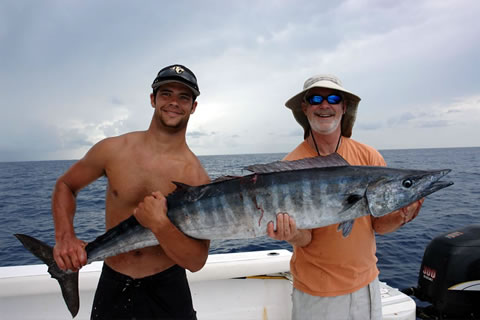
Regardless of the peculiarity of its name, the Wahoo is among the most-prized game fishes. This fish is incredibly beautiful with iridescent, grayest-blue vertical stripes running along its body. It can also reach an amazing size, reaching up to 180 pounds and 8 feet in length. Most importantly, it is known for its unbelievable speed. It is considered one of the ocean’s fastest swimmers, with recorded speeds up to 60 miles an hour!
This species of fish generally prefer a solitary environment, but it is also common to find them in small schools. In pristine conditions, some of their schools have been known to reach up to 100 fish. But it is a rare occurrence these days to find that many. Wahoo is thought to be relatively fast-growing compared to other species in the ocean. In one study, a wahoo that was tagged, released, and recovered ten months later had grown around 22 pounds in less than a year-from 11 lb.
Where can you catch Wahoo
There are many places you can catch Wahoo fish these days. Were going to talk a minute about a few broad locations and more detail on specific locations. So let’s get started. We know that Hawaii has an abundance of Wahoo and on record as one of the first places they were seen. But over time anglers have found places all over the world and more importantly the United States.
Texas in the past few years has become a hot spot, especially around Port Aransas, Texas. We believe the additions of offshore oil rigs have helped isolate these species off the Texas coast. Additional to the oil rigs, the area weed lines, and debris fields have not hurt the fishing. Really throughout the northern Gulf of Mexico has become a great place during the season when the run is on.
Moving east to Florida, there are many locations that have become a hotbed for Wahoo. Starting at the southern tip, being caught in the Florida Keys, moving north to Miami, Stuart, St Augustine all the way north to Jacksonville. The Wahoo uses the Gulf stream to migrate just as many of the other species. But they do seem to stay around a little longer than other species. Between the months of July and November, you can expect to have pretty good odds of catching one or more.
The Bahamian islands with its crystal clear water are one of the best places to catch a Wahoo. Simply because you can spot the fish well in the water and get to enjoy its speed and talent like nowhere else.
iOutdoors Blog, Offshore Fishing, Pompano Beach Fishing, Sail Fishing, Sport Fishing, Wahoo fishing
Florida Sailfish Fishing Charter
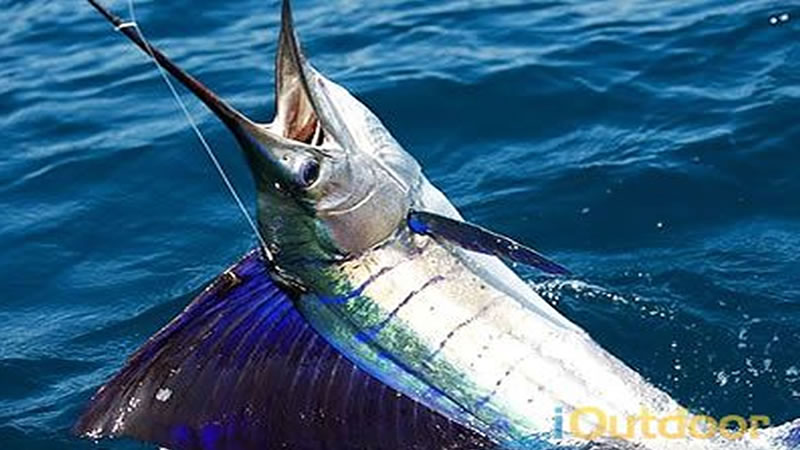
Have you ever pondered to yourself what the fastest fish swimming in the ocean was? Florida is the ultimate location to experience the best saltwater fishing in the world. It is home to the fastest species roaming the ocean clocking in at a max speed of 70 miles an hour.
The Sailfish is an incredible pelagic species to catch especially during the early summer months here in Florida. Embark on a Florida Sailfish Fishing Charter out of Hillsboro Inlet next time you are visiting.
Pompano Beach is perfectly located on the east coast of South Florida. It holds some excellent waters to adventure out in. The Gulf Stream is close to the shoreline allowing for quick access to excellent saltwater fishing. After exploring the beautiful beaches and awesome eateries, get out on the water for a fishing trip that you will not forget. Take a quick cruise to the best waters to catch sailfish in the state.
Florida Fishing action has been hot and heavy according to Captain Anthony Dipilito. Hillsboro Inlet is the perfect place to adventure out of to catch a variety of species. On this trip, the conditions were lining up for a great day of catching the abundance of fish that were available. Captain Anthony approached his fishing spot with a beautiful northwest wind setting the tone for the trolling that was about to begin.
It was not much time before we began to see some incredible action. Sailfish were everywhere and the water was teaming with potential opportunity. They landed a Wahoo and black fin tuna within the first 20 minutes of trolling our baits. Soon after that the Captain made an adjustment to his location and pointed toward the famous Pompano rodeo wreaks. It wasn’t long before the Chinese fire drill began.
When the Action Began on this Florida Sailfish Fishing Charter:
As they approached the wrecks, 7 lines were out in search for the elusive incredible sailfish. Immediately, they got hooked up to 6 sailfish and it was absolute adrenaline rush. Sailfish were jumping everywhere and it was hard to control and direct where the sails were running. Unfortunately, we only caught and released 2 of them. Another boater was traveling to a similar spot and ran over the lines causing us to lose the rest.
Captain Anthony knew that the action was not going to stop there. He spotted several free jumpers and sails in the swells. After trolling around for a bite and not getting any bites, it was time to make a change. Another effective method to catching sailfish is live bait, especially under a kite. Kites went up and sure enough the fish began to bite. It was a much better experience as all the fish did not bite at the same time. Captain Anthony’s party leader touched 4 more sailfish totaling 6 for the day.
Hillsboro Inlet is a great location to experience this action on a Florida Sailfish Fishing Charter. You can’t beat going out for a quick 4 hour Hillsboro Inlet Sport Fishing Charter and catch 6 sailfish and a Wahoo. Don’t miss out on this amazing fishing here in South Florida. Jump on board one of our cruisers and get hooked up on a fish of a lifetime!
Florida Fishing Sailfish:
Sailfish are not native to the state of Florida. They travel far and wide throughout the whole Atlantic Ocean. The Average size of a sailfish ranges from 30 to 60 pounds, even though most caught are less than 30 pounds. Florida’s record is 116 pounds and it is very rare to catch one over 100 pounds. Many people never get the opportunity to experience what this acrobatic species has to offer. They love to jump, spread their sails and fight incredibly hard. Harvesting is only allowed when the sail is inadvertently killed while being fought. If you happen to kill this incredible offshore species, it is very tasty smoked. Once you get hooked up once on this spectacular offshore pelagic species you will be hooked for life.
One of the downfalls for fishing Sailfish is that the best times to catch them are when the seas are rough. If you have a large enough boat to adventure out in, enjoy reeling in this hard fighter. Sailfish are the fastest fish in the seas. They can chase down bait and out swim any other species. Every Captain and Fishing destination in Florida has their own method of targeting the elusive sailfish.
Light ocean trolling or heavy spinning outfits with lines up to 30 pound test will get the job done when looking to catch a Florida sailfish. As you become more experienced in catching Sailfish you can adventure out and use lighter tackle. In Southeast Florida, most that fish offshore for this species use live bait. The methods to approach live bait would be to use kites or flat line drifting. Blue Runners, Google-Eyes, Pilchards, or Pinfish are the most common and most effective bait to use.
Florida Fishing Experience:
Now is the perfect time to come experience what Florida has to offer for catching Sailfish. The most abundant locations and destinations to catch the Atlantic Sailfish would be from Fort Pierce to the Keys. If you are visiting these areas on vacation in the next couple of months, make sure you adventure out into the deep blue sea and catch a fish of a lifetime. Bring your family on board for a great cruise and scenic experience through some of the best offshore fishing waters on a Florida Sailfish Fishing Charter.
Your Adventure Starts Today with Captain Anthony Dipilato in Pompano Beach.
Book Your Florida Sailfish Fishing Charter Adventure NOW
If you enjoyed this post about Saltwater Fishing, you might also enjoy our Fishing Blogs.
Don’t forget to follow us on Facebook, YouTube, Twitter and Instagram.
Offshore Fishing, Dolphin Fishing, iOutdoors Blog, Sport Fishing, Wahoo fishing, Water Sports, Wreck Fishing
Port Canaveral Offshore Trolling
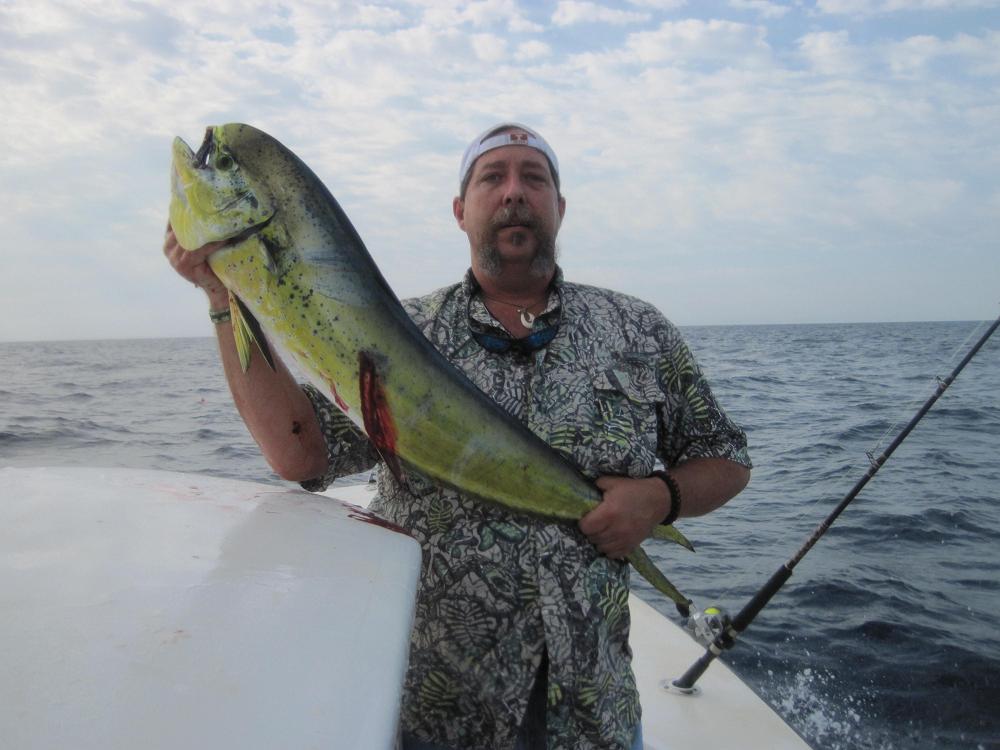
Great weather for fishing. West winds are starting to stack up some weeds offshore, and they proved to be somewhat fishy this trip. NE of the weather buoy some tightly scattered weeds proved to be just what the icebox needed. We started around the perimeter first, and the results came slowly, but good. First fish in was a 15lb Mahi. Like the last few weeks of fishing, these anglers had never caught a “Dolphin”, and made it the target species of the trip. No company with this catch, so lines back to work.
Client David Bunch and his friend were traveling from Oklahoma to adventure out on a Cape Canaveral Offshore Fishing Charter with iOutdoor. They were in-store for an amazing day of fishing with great fish in the boat. You never know what to expect when Port Canaveral Offshore Trolling!

Another half hour and the line goes off again. It did not seem too big till the angler put some bend in the rod, then a couple of hundred yards of line peeled. This fish was not a jumper, but still, we waited till we saw the colors to know what we had. It took a while with our Dolphin rigs to finally work it to the boat, but the Blue stripes was a very welcome sight. Wahoo in the boat. This 50lb fish made the day for these guys, and we still had time to fish.
Another pass around the area with no results, so we decided to cut through the weed field. A little time passed, and a lot of cleaning fouled lines of weed, but another hookup. Another Mahi-Mahi was on the line, dragging weeds with it. As we got it near the boat we saw it had company. The second fish did not take the other lines, so a pitch rod went to work. It looked, it followed, but nada. Other offerings were put in front of it but it turned its nose up at all we offered and eventually made its way off. We sent
lines back out, working the weed field some more with no more action while Port Canaveral Offshore Trolling.
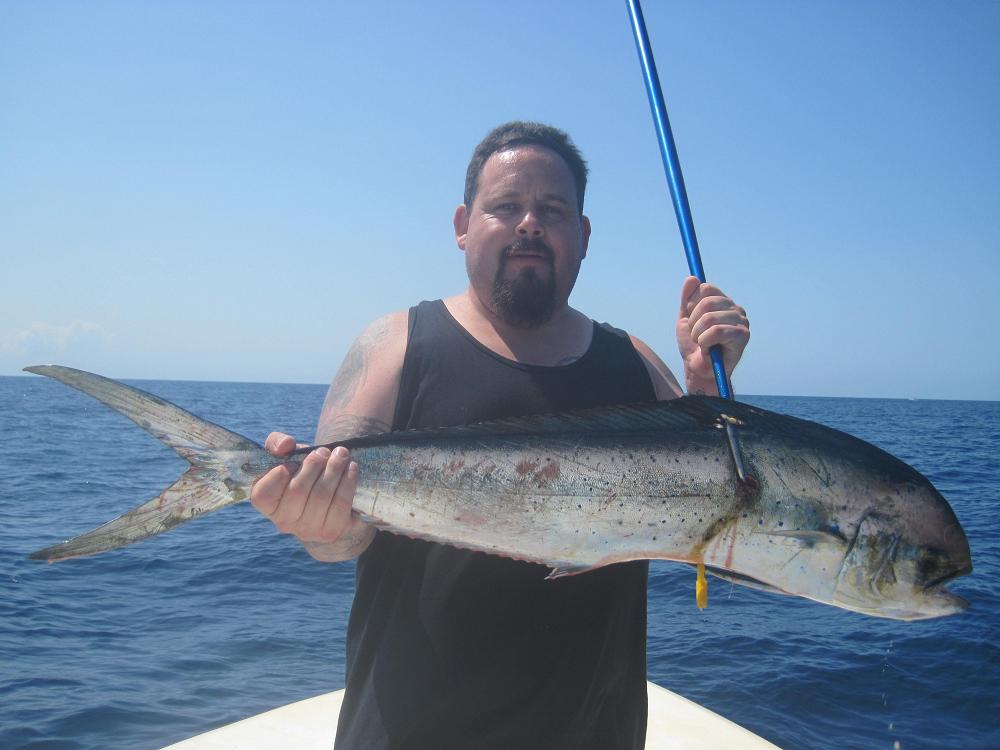
Finally, we headed to 8A to see if we could pick up a King or two to make a Slam. One line down, another out the back, and into slow gear we went. 20 minutes into the run, the downrigger released, and drag went out. This fish came to the surface and went airborne. A nice 20 lb bull Mahi was on the line. We worked it to the boat, and about a foot short of gaff range it decided it no longer wanted to play the game and unhooked itself. Big smiles were on the anglers faces despite the loss of this fish. With lobster red sunburnt skin, they were ready to return to port and clean fish.
Your Adventure Starts Today while Visiting Florida.
If you enjoyed this post about Saltwater Fishing, you might also enjoy our Fishing Blogs.
Don’t forget to follow us on Facebook, YouTube, Twitter and Instagram.
Fly Fishing, Backcountry Fishing, Bottom Fishing, Destin Fishing, Dolphin Fishing, Drift Fishing, Flats Fishing, Grouper Fishing, Inshore Fishing, iOutdoors Blog, Islamorada Fishing, Key West Fishing, Kite Fishing, Lobster Catching, Marlin Fishing, Miami Beach Fishing, Offshore Fishing, Permit Fishing, Redfish Fishing, Sail Fishing, Shark Fishing, Snapper Fishing, Snook Fishing, Sport Fishing, Sword Fishing, Tarpon Fishing, Trout Fishing, Tuna Fishing, Wahoo fishing, Wreck Fishing
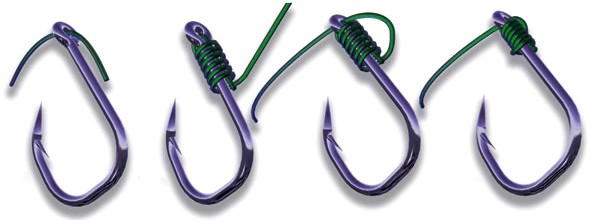
What hook should you use for which fish?
Wow! Old as man itself but it can really be overwhelming when you start to choose a hook. Freshwater, saltwater, bait hooks,“J” hook, circle hook or live bait hooks. Hook choice is VERY important! As a general rule I judge the hook size I need to use as a function of the bait size I am using, not the size of the fish I am targeting. The fish I am targeting determines the bait size. I particularly prefer circle hooks- they virtually hook themselves and are very fish friendly in catch and release situations. Experience is the best teacher on hook selection- use the right hook for the right fish and type of fishing you are doing and be prepared have a selection of hooks at hand. One common mistake is using a hook that is to big. Imagine this – if I hook you in the arm with a small quarter size hook are you going to be able to get a way or are you going to follow me anywhere? A sharp point and a strong hook is much more important than the size. Except in the case of top water lures please consider twice before you use a treble hook- there is virtually no opportunity for catch and release using a treble hook and they are banned in many areas. Treble hooks are dangerous to fisherman as well- use them sparingly and only when you plan to kill and eat the fish. One very important rule: Even though a new hook seems sharp out of the package always, always sharpen your hooks before you use them and re-sharpen them often.
Fish hooks come in several types. Knowing a few of the more popular ones and their uses can help you be successful.
Which hook should you use for which fish?
 O’SHAUGHNESSY This hook is named for the specific design of the hook. It’s a standard hook, forged with a very strong bend. This hook is relatively thick, very strong, and not likely to bend out of shape. Generally designed for saltwater, it is good for general bottom fishing use. Sizes range from #3 to as large as 19/0.
 ABERDEEN These hooks, while primarily used in smaller sizes in freshwater, are also used by saltwater anglers. They are generally made from shaped wire. Unlike the O’Shaughnessy, it can and does bend. It can be bent back into shape several times before it becomes too weak. However, once a fish is hook and the barb has completely penetrated, this hook holds quite well. These hooks are modified with bends in their shanks for use in jig molds.
 CIRCLE Perhaps the best innovation in hooks to come along, circle hooks promote healthy catch and release. The design of the hook itself, when used properly, prevents fish from being hooked in the gut. Many anglers have a problem using these hooks because they require no hook set. If you do try to set the hook, it will generally come out of the mouth of the fish. These hooks are designed to move to the corner of the fish’s mouth and set themselves as the fish swims away from you. Anglers feel a bite and simply begin reeling, slowly at first, then faster as the hook gets set.
 LIVE BAIT These hooks generally have a shorter shank than other hooks. Whether that is to allow the live bait to swim more freely or to be less apparent to the fish is debatable. My vote is to allow the bait to swim more freely. These hooks come in regular and circle designs. Regular live bait hooks will be swallowed and result in gut hooks most of the time. Circle live bait hooks provide a greater chance for a good release.
 KAHLE The curve on these hooks makes them ideal for live bait. Made from the same wire as the Aberdeen hooks, they will bend if hung on the bottom of some structure. However, once a fish is hooked, the design of the hook prevents it from being straightened.
The Guide below provides an overview of the parts of a fishing hook. There are some common parts to all hooks. Those parts include the eye, shank, gap, point and barb. The variations on these characteristics result in dozens of hook styles.
Anatomy of a Hook
The Eye
The hook eye is the connection point to the fishing line or the body of lures. Ringed eyes are the most common. The metal is bent in a uniform loop and the end sits flush against the shank. Needle, looped and tapered are some other types of hook eyes, but they tend to be used for specific applications, like saltwater or dry flies.
The Shank
The shank is the length of the hook from the eye to where the bend starts. Shanks come in short, medium or long lengths. Short ones greatly reduce the size of the hook. Medium length shanks are the most common and used in an array of fishing situations. Long shanks can be used for live bait fishing where finesse isn’t critical, or to match a longer profile of an artificial bait.
The Gap
The gap is the size of the bend in a hook from the shank to its point. An average size gap will do in most situations, but sometimes a wide gap is needed. A wide gap is used for rigging thick-bodied baits to ensure that the hook point will be exposed on the hook set.
The Point
This is the tapered end of the hook. As its name suggests, it’s the sharp point that penetrates a fish’s mouth. The shape of the point will vary. Needle, knife edge, spear, or rolled ones are some examples. The most important thing, however, is that you keep your points sharp, so invest in a hook file and use it often. Quality hooks are packaged extremely sharp and will stay sharp longer than cheaper ones.
The Barb
The barb is designed to hold the hook in place once it penetrates the fish’s mouth. The larger the barb, the more difficult it is for the fish (and likely yourself) to get the hook free. Many catch and release anglers pinch barbs with pliers or file them down for easy hook removal.
Other Basic Hooks
 BAIT HOOKS come in a variety of styles. Most feature barbs on the shaft to hold bait in place. Longer shank hooks are good for teaching kids to fish, while shorter shank ones are often used in snells.
 TREBLE HOOKS feature three bends and points in one hook. Trebles provide more hooking potential to many artificial baits such as crankbaits, jerkbaits or topwaters. Bait anglers also use trebles. Cut bait for catfish or threading minnows for lake trout are two examples where trebles are regularly used.
 SIWASH HOOKS are quite strong and have a long shank and point. These hooks have a straight eye so they sit properly on lures. Siwash hooks are often used on single-hook baits, such as spinnerbaits. I also use them sometimes to replace factory-provided treble hooks on certain baits, especially spoons.

JIG HOOKS are designed to sit in specific jig molds. They feature a bend just below the hook eye, with a 90-degree bend being the most common. Pouring your own jigs can save you money and be a fun winter hobby to gear up for the next season


 Long shanks can be used for live bait fishing where finesse isn’t critical, or to match a longer profile of an artificial bait.


