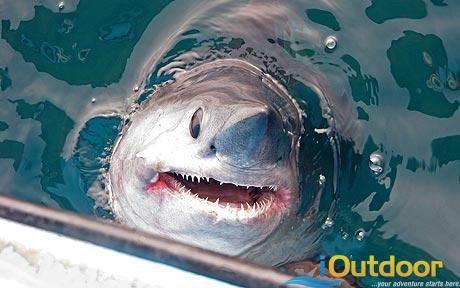
Charter Head Boat, Drift Fishing, iOutdoors Blog, Islamorada Fishing, Key West Fishing, Shark Fishing
I’m sure that our recent run of frigid weather has had more than just a few folks seriously contemplating a trip south for a chance to thaw out under a palm tree, where the water isn’t solid and dressing for cold weather means putting on a T-shirt. Florida has always been a popular winter getaway for a lot of anglers.
But if you think you know Florida but have never been to the Keys then you don’t know the half of it. Miami, Palm Beach, Fort Lauderdale, Daytona and so many of the other big coastal cities of the state have their share of fishing and a whole lot more to keep folks busy. But for some of us, it’s the “whole lot more” part of the big cities that has us bypassing them altogether as we beeline our way straight for the Keys.
You know you’re in a place that caters to fishermen when you can buy ballyhoo and chum in grocery stores or get a mixed drink in bait and tackle shop! Yea, leave the glamour and the glitz up in Miami, the Keys is all about fishing. And when it comes to fishing, the opportunities are about endless.
The Keys are a chain of Islands that stretch about 120 miles from Florida’s mainland to Key West with the Overseas Highway linking island to island and allowing travelers to drive across some of the most beautiful waters in the world. Headed south the ocean is on the left side of the highway and the Gulf of Mexico on the right.
On the ocean side, it’s about a 5-6 mile run to the main reef which is a great place to fish the bottom for snapper, grouper, yellowtail and countless other structure oriented species. Just beyond the reef, the water drops down to a few hundred feet and has anglers in the zone for catching sailfish, marlin, dolphin, tuna, wahoo, king mackerel and even Swordfish.
On the Gulf side of the highway, the water stays relatively shallow, like 1-12 feet, until you get 6-12 miles out and then it starts to slope down to 30 or more feet. The shallow water zone is where anglers do the “flats fishing” and target bonefish, tarpon, redfish, permit, sharks, barracuda, jacks and other fish that frequent the shallow water.
Much of this is “sight fishing” whereby the angler stands on the bow of the boat as someone else stands on a platform at the stern and quietly pushes the boat ahead with a long pole. Lines don’t go into the water until a fish is spotted and the boat is moved to within casting range.
Anglers also find that the channels between the Gulf-side flats hold a variety of fish including snapper, grouper, yellowtail, tarpon, cobia, sharks, speckled trout, jacks and mackerel. Since many of these channels are somewhat sheltered from the wind by surrounding mangrove Islands, they are particularly attractive to anglers on windy days when the oceanside reefs are too rough to fish.
While the waters of the Keys offer fly fishing opportunities that attract and challenge some of the best fishermen in the world, they also provide simplistic fishing where even the most novice angler can sit on a dock with nothing but a hand-line, a hook, and a little bait and catch fish after fish, and perhaps even bring home dinner.
In fact, there are so many bridges, piers and shorelines to fish in the Keys that some folks successfully fish for years down there without ever stepping into a boat.
So if you’re looking for a place to thaw out for a while — head to south Florida. But if you also want to enjoy some exceptional fishing in a naturally beautiful environment rather than being surrounded by tall buildings and neon lights — be sure to make it all way down to the Florida Keys. By the way, I’ll be guiding down there in March and April and I’m always happy to answer calls or emails from folks who are new to the Keys and looking for local fishing information.
Contact me through my BigSharks.com website.
Written by Mark Sampson

Water Sports, Charter Head Boat, Inshore Fishing, iOutdoors Blog, Key West Fishing, Miami Beach Fishing, Offshore Fishing, Party Boat Fishing, Sport Fishing, Wreck Fishing
SAFETY AT SEA AND YOUR CHARTER.
Charter Boat laws:
Operating a Charter Fishing operation requires more than just a captain and a boat. The Captain must hold a current USCG license with homeland security TWIC card. To be a saltwater Fishing Guide in Florida, you must also comply with U.S. Coast Guard (USCG) requirements. The U.S. Coast Guard (USGC) requires all operators of for-hire vessels to have a Captain license. Charter vessels must also be commercially registered. Charter, headboat and saltwater fishing guide operations must have an FWC charter captain or boat license to cover their passengers, who are not required to hold a recreational saltwater fishing license.
This license allows the captain and vessel to engage in charter fishing, whale watching, SCUBA diving, and tour cruises. This license is limited to near coastal waters only not more than 100 miles offshore and is not valid for international voyages. He must be enrolled in a random drug testing program, and carry a current first aid card. The boat must meet USCG – UPV standards (for 6 or less guest). There are many additional safety items required on a charter boat than a recreational boat. Trash and pollution place-cards are required onboard, as well as an emergency plan. Coast Pilot, Tide Charts and Light List for the waters operated are required onboard. Type 1 PFD’s with a whistle, lightened reflective tape are required for everyone on board. A life-ring is also required. This and the PFD’s are required to include either the boats name or registration numbers. Though inspections are not required, it is best if it is done to ensure compliance.
A state fishing license must be provided for all guest fishing on the boat. Federal (NOAA) Fishing Permits are required if the boat will engage in any fishing activity past state lines (3 miles Atlantic – 9 miles Gulf). Although VHF’s nor GPS locators are not required, they should be considered as a very important safety equipment that should be on every boat. Properly licensed Captains and charter operations spend a good deal of money to be so, and will not mind showing these required licenses and permits. If a charter operator will not show you these, then it may be best to look elsewhere.
Always make sure your boat and captain has these safety items on board:
-
- Working radio.
- A correctly fitting life preserver for each passenger.
- Signaling devices both visual and audible such as flairs, whistle and/or hand held air horn.
- Anchor.
- Some type of shade.
- Plenty of fresh water.
- Fire extinguisher.
- A throw-able flotation device.
- First aid kit.
You can do your part by:
-
- Wearing proper clothing for a day out in the elements.
- Using alcoholic beverages moderately.
- Following the instructions of the captain, guide or mate.
- Getting plenty of sleep the night before and staying hydrated.
- Wear sunscreen and a hat. The Florida sun can be brutal.
- Proper shoes that protect your feet and boat deck.
- A life jacket is no substitute for adult supervision of children in and around the water. Children float differently than adults. Because their body weight is distributed differently, children are more likely to float face down in the water.
If you are not sure the boat you are chartering has the necessary equipment ask your captain or guide to show you. If he does not or cannot comply think twice about continuing your charter. Your safety is your ultimately your responsibility, don’t leave it up to the other guy, insist on good boating safety practices!

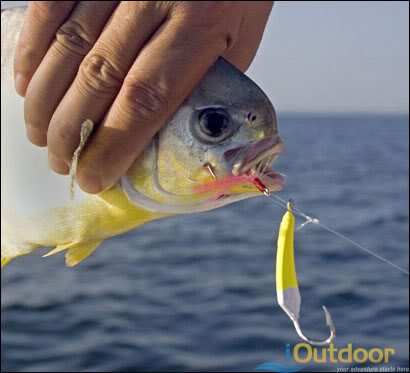
Backcountry Fishing, Bottom Fishing, Charter Head Boat, Everglades Fishing, Flamingo Fishing, Flats Fishing, Inshore Fishing, iOutdoors Blog, Permit Fishing, Trout Fishing
Top 5 most popular jigs for saltwater
Fishing using jigs will help you have better chances of landing a bigger fish as compared to using other types of bait. Jigging is done in both freshwater and saltwater alike, though it works better in areas that offer some type of obstruction.
Different anglers will surely have different preferences and favorites in terms of the jigs they choose in fishing. Also, different fish species will be attracted to different forms of jigs. Still, based on sales and usage, there really are jigs that stand out from all the rest, in terms of popularity. Whether this is because they are effective or because a lot of people are trying to fish the same fish species, it is difficult to determine but the following are the top 5 most popular jigs for saltwater.
1. Jig with a round head
The jig with a round head is quite popular because it easily sinks and moves in the direction and speed that the angler wants it to take.
2. Bucktail jig
The bucktail jig comes in different colors and shapes. What is so great about this jig is that it attracts a wide range of fish species. It is also better to use a tapered head bucktail.
3. The jig that closely resembles live bait (such as holographic live jig)
If the jig resembles live bait, there is a higher chance of tricking the fish in thinking that this is real fish or fly – effectively increasing your chances of hooking a big one.
4. Football-shaped jig
This jig is especially popular for bass fishing and was so-named because the head resembles that of a football.
5. Flipping jig
Although the flipping jig is great for seasoned anglers, many claims that this is difficult to use. Still, with technique, the jig will help you catch that elusive trophy fish.
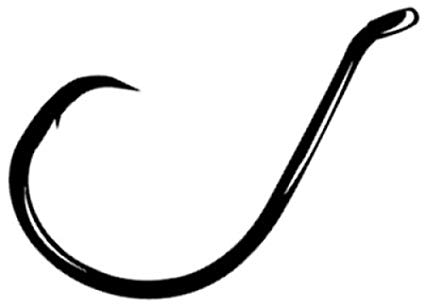
Bottom Fishing, Charter Head Boat, Grouper Fishing, iOutdoors Blog, Snapper Fishing
A circle hook is a fish hook which is sharply curved back to form a circular shape. It is rarely swallowed by the fish, though if swallowed, it can be easily pulled back. What is so great about this type of hook is that it hooks the fish in the corner of its mouth and not harm the gills or the internal organs. Believe it or not, when the fish swallows the bait along with the hook, all you have to do is slowly reel it in and it will not harm the internal organs but will just catch the corner of the mouth.
The Bait
When using a circle hook, hook the bait at its fleshy part, away from the bones. This way, the bait won’t be stuck on the hook and defeat the purpose of using a circle hook as the bones might gut-hook the fish or lacerate the internal organs of the fish. Most anglers that use Circle Hooks are using live bait. All live bait is great to use with circle hooks including pilchards, google-eyes, sardines, croakers, grunts and much more while Saltwater Fishing in Florida!
Uses
A circle hook is, perhaps, the greatest tool for catch-and-release fishing.
Also, if you have tried fishing even once, chances are you might have hooked a fish that is below the allowed limits for that species and must be released. If you were using a regular hook, then you must have cut the leader so as not to do further damage to the fish. However, biologists say that these hooks often slash at or damage the internal organs, gut, or gills of the fish so that its chances of survival are slim even when released immediately.
What is so great about the circle hook is that it works well on unattended lines – the fish eats the bait with the hook, tries to swim away, and is hooked in the mouth.
Whether you are fishing on a catch-and-release system or just fishing for any kind of fish that is you might release for not meeting the standards, you should try using a circle hook. You’ll find it quite useful in catching a lot of fish and improving their survival rate upon release.
Common fish that are caught with circle hooks include Sailfish, Tarpon, Marlin, Snook, and many more. The most practical uses and most common uses come from Florida Offshore Fishing. Learn and Know Your Fish and equipment before you go!
![Five Great Depth Finders]()
Bottom Fishing, Charter Head Boat, Drift Fishing, Grouper Fishing, iOutdoors Blog, Party Boat Fishing
Five Great Depth Finders
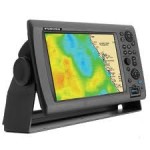 Depth finders are among the best equipment to bring on your fishing trip. You’ll surely be able to land that big fish of your dreams, if you know how to use these gadgets. Let’s list 5 of the best depth finders available in the market.
1. Lowrance
A lot of anglers would swear by Lowrance depth and fish finders. This brand has a wide range of gadgets that offer advanced GPS systems that let you calculate your position within 10 ft; thus, it is often favored not only by serious anglers but hunters, professional pilots, and backpackers as well. What’s so great about Lowrance products is that most have a built-in feature that offer full color display screens and displays various underwater conditions like temperature. Also, some models can even store coordinates of up to 1000 different locations.
2. Humminbird
Products by Humminbird are relatively cheap yet are able to provide readings of up to 600 ft and can be used even at speeds on 70 mph. These products are easy to install, easy to figure out, easy to use, and dependable. Just remember to keep it dry and away from saltwater.
3. Garmin
Garmin depth finders are in full color with a dual beam transducer which makes it quite accurate not only for finding fish under the boat but also along the sides. It can even be easily mounted on the trolling motors – you won’t need an adaptor.
4. Norcross
Norcross offers no-frills products that will show you the depth, precisely for up to 200 ft even at 63 mph. It has shallow and deep water alarms. It is also waterproof.
5. Uniden
Uniden provides products that have a large, backlit LCD screen precisely showing depths from 2.5 ft to 199 ft. It features shallow water alarms.
![Five Great Depth Finders]()
Charter Head Boat, Inshore Fishing, iOutdoors Blog, Offshore Fishing
Deep Sea Jacks– Amberjack. Inshore Flats Jacks – Crevalle
The Jack fish or Jack Crevalle is characterized by their beautiful color of bluish-green to greenish-gold on their backs. These fish also have silvery or yellowish bellies. Its soft dorsal fin and anal fins are almost identical in size and it has a prominent black spot on the gill cover and black spots at the base of each pectoral fins. There are no scales on the throat of the Jack fish. This fish species can grow to nearly 60 pounds. Species similar to Jacks are the Caranx.
 Jackfish Habitat
Jack fish or Jacks can be found in both inshore waters and the open sea. They tend to show up anywhere and everywhere but most of the time in places where there are lots of food or baitfish. Jacks often travel into fresh or brackish waters and are often seen in springs that lead to the ocean.
Jackfish Traits
Jacks school by size, the largest fish forming the smallest schools. When they sight prey, often near the surface of the water, they perform remarkable slashing attacks and with such commotion that can be seen at a great distance. When they are done attacking and feeding, they regroup again for their next assault. Jacks are known to be a predatory species and are one of the most contentious bullies in the waters.
Their main food item is fish. A food study reveals that 80% of fish were found in their stomachs, 40% invertebrates, and 2% pieces of wood. They have great swimming endurance as evidenced by their red flesh and falcate tail fin. Jacks also tolerate a wide range of salinities.


 Jackfish Habitat