
Backcountry Fishing, Bonefish Fishing, Flats Fishing, Fly Fishing, Inshore Fishing, iOutdoors Blog, Marathon Fishing, Permit Fishing, Redfish Fishing, Snook Fishing, Tarpon Fishing
Marathon Backcountry Saltwater Fishing
Have you ever wondered where the best backcountry saltwater fishing is? The Florida Keys and more specifically Marathon have beyond exceptional backcountry fishing. A whole array of species can be caught whether on light tackle or fly. Explore what Marathon Backcountry Saltwater Fishing can provide you and your family!
Travel the backcountry canals and shallow water flats of the Florida Keys with light tackle in search for several elusive silver species. These backwaters can provide you with the most breathtaking outdoor experience while exploring absolute Florida fishing paradise. The heat of the summer is a perfect time to come catch and visit Marathon.
As the summer months roll on, Marathon Backcountry Fishing will continue to get better. Fishing begins to heat up for species like Bonefish and Permit on the flats. Air temperatures will continue to rise and are maintaining in the mid 90s. The best time to get out on the water is early morning in order to beat the heat and catch some quality fish.
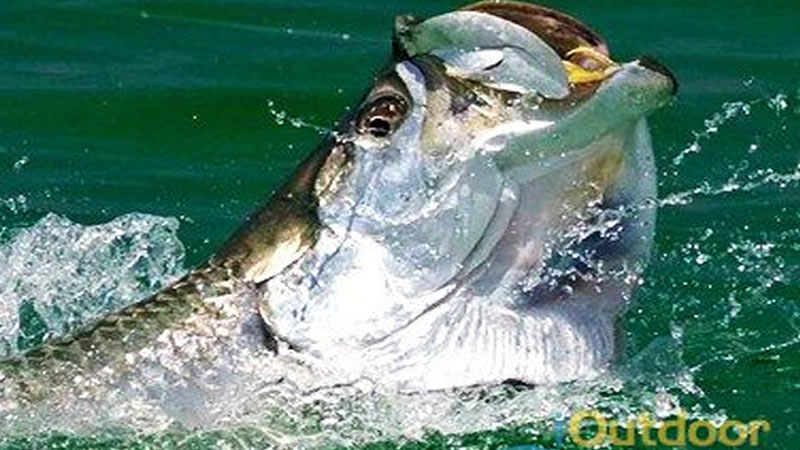
Marathon Tarpon Fishing can be best experienced when the sun is rising up and the light is just breaking the horizon. When you hook into these silver giants, hold on for a fight of a lifetime! Don’t worry too much about missing first light as they still bite strong through the first half of the morning. One of the pleasures of fishing these flats, backcountry and inshore waterways is that you have resident tarpon roaming around looking for a good meal. Tarpon will hold up in channels providing you with an excellent opportunity to land the one you are after whether using light tackle or fly fishing equipment.
Many come to the Florida Keys to catch the Florida Slam which would be landing a Tarpon, Snook and Redfish. You are highly likely to get to experience this during these incredible summer months. Our local expert and knowledgeable Captains know exactly where to hunt down all three species. Captain Robert Horachek is one of the best in Marathon especially for exploring the Florida Keys backwaters. Years of experience has led to understanding fishing conditions that play a pivotal role in landing all three species of Florida game fish.
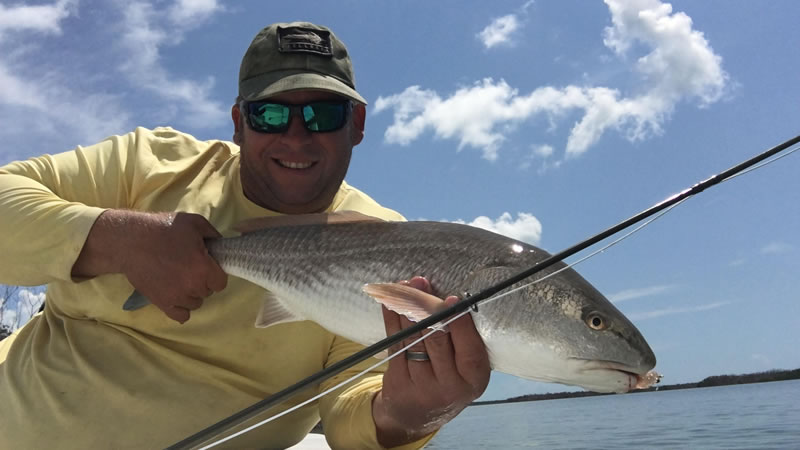
Finding schools of Redfish is one of the highlights of Marathon Backcountry Saltwater Fishing Charters. Some days have been better than others with locating schools but once you find them, they bite good. Red Drum Fishing here in Florida and especially the Keys is one of the ultimate fishing experiences. They are incredible hard fighters and great eating when in season.
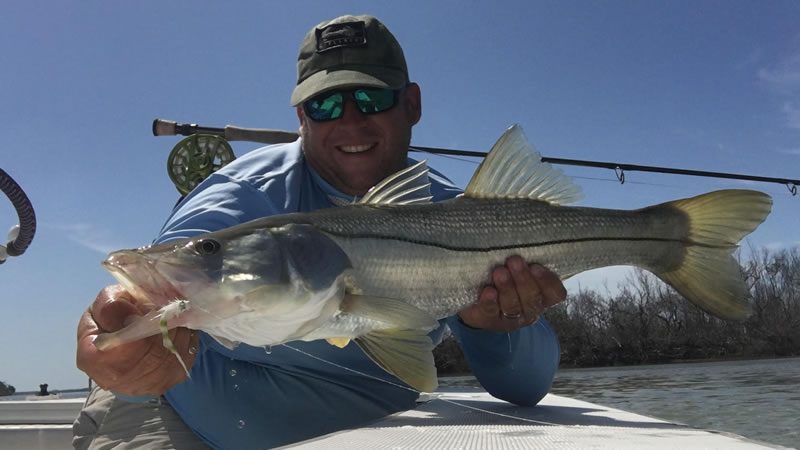
Another exceptional species to catch here in the Backwaters of Marathon, Florida is the Florida Snook. The fishing has been spectacular especially this summer. Our clients and anglers are finishing their days on the water satisfied with the numbers of quality snook they caught. Each snook will fight harder and harder which will keep you hooked and looking forward to your next fishing charter.
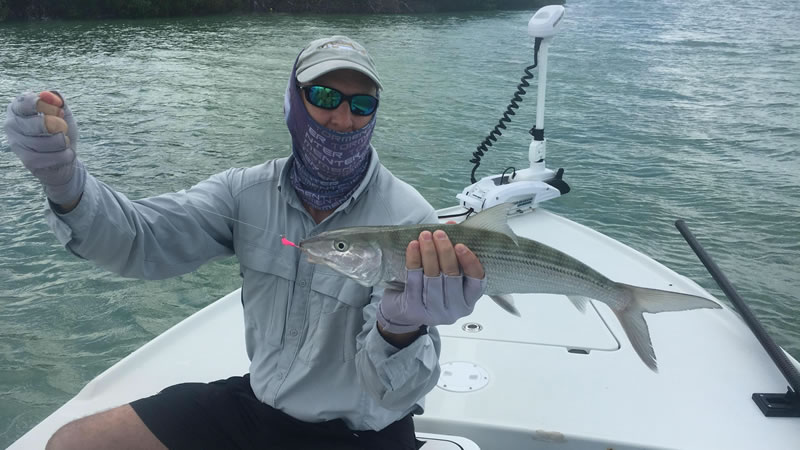
One of the most sought after game fish in the Backwaters is the elusive Bonefish. Different times and conditions throughout the summer have provoked more favorable conditions to land a Bone. As long as the water doesn’t heat up to rapidly in the flats, you will be able to land several nice and quality fish. Once you are on them, the fishing is great for bonefish all day long. If you are looking for the best opportunity to catch the bonefish of your lifetime, make sure you get out early in the morning. The stealthy hunt will keep you focused and excited for the next chance to fish for them in the flats.
Additonal Marathon Backcounty Saltwater Fishing Species:
Even though all of these species can keep you occupied for days on the water, there are several other species that can provide some fun in the backwaters of Marathon. Barracudas, Jack Crevalle and even the occasional shark can provide additional action worth remembering! You never know what will bite the end of your line and take you for a ride.
Summer time is by far the most exciting time to come fishing here in Florida. Not only can you enjoy the beautiful blue waters and white sandy beaches of the Florida Keys, you can get hooked up on some of the best species and backcountry game fish. Whether you are looking for the Florida Slam or just to enjoy an amazing fishing adventure, Marathon Florida has you covered. Marathon Backcountry Saltwater Fishing is one of the best opportunities to explore what the Florida Keys truly has to offer.
Don’t miss out on your adventure today with our local experts and professional Captains. Hop on board and let us take care of all your fishing needs. We look forward to seeing you on the water next time!
Your Adventure Starts Today while Visiting Marathon.
If you enjoyed this post about Saltwater Fishing, you might also enjoy our Fishing Blogs.
Don’t forget to follow us on Facebook, YouTube, Twitter and Instagram.

Permit Fishing, Flats Fishing, Inshore Fishing, iOutdoors Blog, Marathon Fishing
iOutdoor Marathon fishing Captain’s have been guiding anglers to trophy size Permit in the Florida Keys already this year!
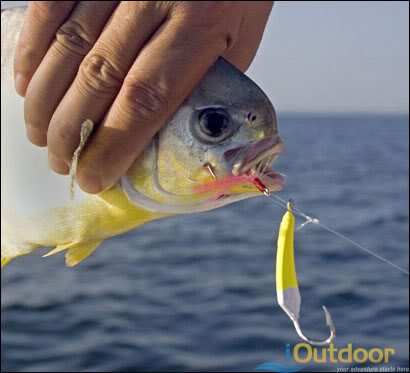
Marathon Springtime fishing is the best time to catch trophy permit. They are in schools and come together over wrecks and other offshore structure. This happens all along the Gulf and Atlantic coasts. These large schools are because they are spawning. We catch them with crabs using Berkley Trilene professional braid 20-pound braided line with Berkley Trilene 100% Fluoro 30-pound leader. During different times of the day, they have a tendency to come up to the surface. At times you can sight cast to them even in the deep water.
It’s not uncommon at these times around Marathon to catch a Permit between 20 to 30-pounds. While many love to hunt the huge permit, many have passed the offering because of the incredible fight that can take up to 30 minutes. It’s not long for a baited crab meet its end when they are biting in the Springtime. Some of the bigger Permit stay on the bottom and will come up from below to eat a crab, when they do you will have to battle that huge permit.
To add to the excitement and fight of a Permit, bull sharks roamed the same waters, tring to make meals of many hooked permit. Luckily this year the sharks seem to have been laying low and haven’t bothered us this year. In past years we have had issues with the sharks attacking hooked Permit during the fight. In the Florida Keys, this kind of behaviour is not uncommon from sharks even while tarpon fishing. It’s something you learn to work around and deal with!
Things to know about Marathon Springtime fishing
The current Florida record is 56 pounds and 2 ounces caught near Fort Lauderdale, while the world record was caught in 2002 from Brazil weighed an even 60 pounds.
Permit are grayish, dark or iridescent blue on top, and have silvery sides. In dark waters, the fish shows golden tints around their breasts. They possess teeth on their tongues, no scutes, and have a dorsal fin insertion directly above that of their anal fin. The common size of this species is 25 pounds. Permit are seen in schools of 10 to 20 fish, they also travel in larger numbers and their diet consists mainly of crab but they eat shrimp, clams and sometimes small fish as well. To read more on how to catch Permit read this article.
If you are interested and would like to learn more about Marathon Springtime fishing for Permit please visit this link which has 24/7 online booking for the top fishing charter guides in Florida Keys
Fly Fishing, Backcountry Fishing, Bottom Fishing, Destin Fishing, Dolphin Fishing, Drift Fishing, Flats Fishing, Grouper Fishing, Inshore Fishing, iOutdoors Blog, Islamorada Fishing, Key West Fishing, Kite Fishing, Lobster Catching, Marlin Fishing, Miami Beach Fishing, Offshore Fishing, Permit Fishing, Redfish Fishing, Sail Fishing, Shark Fishing, Snapper Fishing, Snook Fishing, Sport Fishing, Sword Fishing, Tarpon Fishing, Trout Fishing, Tuna Fishing, Wahoo fishing, Wreck Fishing
What hook should you use for which fish?
Wow! Old as man itself but it can really be overwhelming when you start to choose a hook. Freshwater, saltwater, bait hooks,“J” hook, circle hook or live bait hooks. Hook choice is VERY important! As a general rule I judge the hook size I need to use as a function of the bait size I am using, not the size of the fish I am targeting. The fish I am targeting determines the bait size. I particularly prefer circle hooks- they virtually hook themselves and are very fish friendly in catch and release situations. Experience is the best teacher on hook selection- use the right hook for the right fish and type of fishing you are doing and be prepared have a selection of hooks at hand. One common mistake is using a hook that is to big. Imagine this – if I hook you in the arm with a small quarter size hook are you going to be able to get a way or are you going to follow me anywhere? A sharp point and a strong hook is much more important than the size. Except in the case of top water lures please consider twice before you use a treble hook- there is virtually no opportunity for catch and release using a treble hook and they are banned in many areas. Treble hooks are dangerous to fisherman as well- use them sparingly and only when you plan to kill and eat the fish. One very important rule: Even though a new hook seems sharp out of the package always, always sharpen your hooks before you use them and re-sharpen them often.
Fish hooks come in several types. Knowing a few of the more popular ones and their uses can help you be successful.
Which hook should you use for which fish?
 O’SHAUGHNESSY This hook is named for the specific design of the hook. It’s a standard hook, forged with a very strong bend. This hook is relatively thick, very strong, and not likely to bend out of shape. Generally designed for saltwater, it is good for general bottom fishing use. Sizes range from #3 to as large as 19/0.
 ABERDEEN These hooks, while primarily used in smaller sizes in freshwater, are also used by saltwater anglers. They are generally made from shaped wire. Unlike the O’Shaughnessy, it can and does bend. It can be bent back into shape several times before it becomes too weak. However, once a fish is hook and the barb has completely penetrated, this hook holds quite well. These hooks are modified with bends in their shanks for use in jig molds.
 CIRCLE Perhaps the best innovation in hooks to come along, circle hooks promote healthy catch and release. The design of the hook itself, when used properly, prevents fish from being hooked in the gut. Many anglers have a problem using these hooks because they require no hook set. If you do try to set the hook, it will generally come out of the mouth of the fish. These hooks are designed to move to the corner of the fish’s mouth and set themselves as the fish swims away from you. Anglers feel a bite and simply begin reeling, slowly at first, then faster as the hook gets set.
 LIVE BAIT These hooks generally have a shorter shank than other hooks. Whether that is to allow the live bait to swim more freely or to be less apparent to the fish is debatable. My vote is to allow the bait to swim more freely. These hooks come in regular and circle designs. Regular live bait hooks will be swallowed and result in gut hooks most of the time. Circle live bait hooks provide a greater chance for a good release.
 KAHLE The curve on these hooks makes them ideal for live bait. Made from the same wire as the Aberdeen hooks, they will bend if hung on the bottom of some structure. However, once a fish is hooked, the design of the hook prevents it from being straightened.
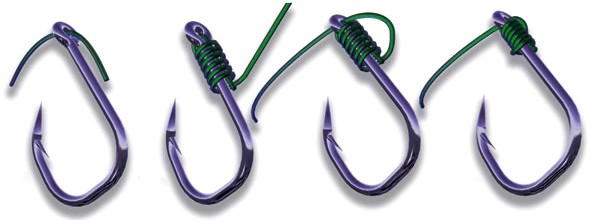
The Guide below provides an overview of the parts of a fishing hook. There are some common parts to all hooks. Those parts include the eye, shank, gap, point and barb. The variations on these characteristics result in dozens of hook styles.
Anatomy of a Hook
The Eye
The hook eye is the connection point to the fishing line or the body of lures. Ringed eyes are the most common. The metal is bent in a uniform loop and the end sits flush against the shank. Needle, looped and tapered are some other types of hook eyes, but they tend to be used for specific applications, like saltwater or dry flies.
The Shank
The shank is the length of the hook from the eye to where the bend starts. Shanks come in short, medium or long lengths. Short ones greatly reduce the size of the hook. Medium length shanks are the most common and used in an array of fishing situations. Long shanks can be used for live bait fishing where finesse isn’t critical, or to match a longer profile of an artificial bait.
The Gap
The gap is the size of the bend in a hook from the shank to its point. An average size gap will do in most situations, but sometimes a wide gap is needed. A wide gap is used for rigging thick-bodied baits to ensure that the hook point will be exposed on the hook set.
The Point
This is the tapered end of the hook. As its name suggests, it’s the sharp point that penetrates a fish’s mouth. The shape of the point will vary. Needle, knife edge, spear, or rolled ones are some examples. The most important thing, however, is that you keep your points sharp, so invest in a hook file and use it often. Quality hooks are packaged extremely sharp and will stay sharp longer than cheaper ones.
The Barb
The barb is designed to hold the hook in place once it penetrates the fish’s mouth. The larger the barb, the more difficult it is for the fish (and likely yourself) to get the hook free. Many catch and release anglers pinch barbs with pliers or file them down for easy hook removal.
Other Basic Hooks
 BAIT HOOKS come in a variety of styles. Most feature barbs on the shaft to hold bait in place. Longer shank hooks are good for teaching kids to fish, while shorter shank ones are often used in snells.
 TREBLE HOOKS feature three bends and points in one hook. Trebles provide more hooking potential to many artificial baits such as crankbaits, jerkbaits or topwaters. Bait anglers also use trebles. Cut bait for catfish or threading minnows for lake trout are two examples where trebles are regularly used.
 SIWASH HOOKS are quite strong and have a long shank and point. These hooks have a straight eye so they sit properly on lures. Siwash hooks are often used on single-hook baits, such as spinnerbaits. I also use them sometimes to replace factory-provided treble hooks on certain baits, especially spoons.

JIG HOOKS are designed to sit in specific jig molds. They feature a bend just below the hook eye, with a 90-degree bend being the most common. Pouring your own jigs can save you money and be a fun winter hobby to gear up for the next season
Backcountry Fishing, Bottom Fishing, Charter Head Boat, Everglades Fishing, Flamingo Fishing, Flats Fishing, Inshore Fishing, iOutdoors Blog, Permit Fishing, Trout Fishing
Top 5 most popular jigs for saltwater
Fishing using jigs will help you have better chances of landing a bigger fish as compared to using other types of bait. Jigging is done in both freshwater and saltwater alike, though it works better in areas that offer some type of obstruction.
Different anglers will surely have different preferences and favorites in terms of the jigs they choose in fishing. Also, different fish species will be attracted to different forms of jigs. Still, based on sales and usage, there really are jigs that stand out from all the rest, in terms of popularity. Whether this is because they are effective or because a lot of people are trying to fish the same fish species, it is difficult to determine but the following are the top 5 most popular jigs for saltwater.
1. Jig with a round head
The jig with a round head is quite popular because it easily sinks and moves in the direction and speed that the angler wants it to take.
2. Bucktail jig
The bucktail jig comes in different colors and shapes. What is so great about this jig is that it attracts a wide range of fish species. It is also better to use a tapered head bucktail.
3. The jig that closely resembles live bait (such as holographic live jig)
If the jig resembles live bait, there is a higher chance of tricking the fish in thinking that this is real fish or fly – effectively increasing your chances of hooking a big one.
4. Football-shaped jig
This jig is especially popular for bass fishing and was so-named because the head resembles that of a football.
5. Flipping jig
Although the flipping jig is great for seasoned anglers, many claims that this is difficult to use. Still, with technique, the jig will help you catch that elusive trophy fish.
Flats Boat, Flats Fishing, Fly Fishing, Inshore Fishing, iOutdoors Blog, Islamorada Fishing, Permit Fishing, Redfish Fishing
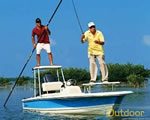 How do you POLE a FLATS boat?
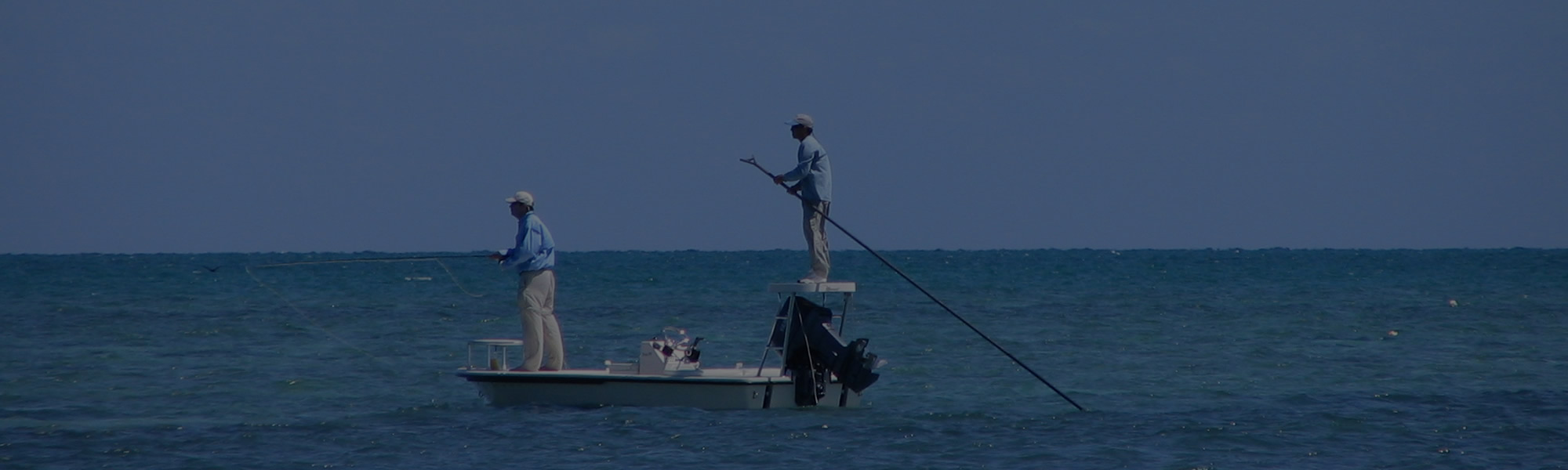
Fishing on a flats boat is a unique experience because you can get pretty close to your target with this skinny watercraft. Imagine a quiet morning where it’s just you on your flats boat, your push pole in your hand, and as you glide slowly across the waters, a Redfish comes so close that you could trace the pattern of black patches on its red scales! This extraordinary fishing experience is only possible of course if you know how to pole a flats boat.
Don’t be intimidated by the popular notion that flats boat poling is difficult. It’s actually quite easy. You just have to be familiar and be comfortable in steering the boat. The best thing to take note of is that you are driving your skiff from the transom, and naturally you must steer the boat in the direction of your target area from the rear.
In moving straight ahead, you need to place the foot of the push pole on the rear of the boat, right in the center. Your target area must be parallel with the boat’s centerline. Push until you reach your target area. It’s best to position your push pole foot near the engine and drive it right to the bottom of the river.
It makes steering a whole lot easier. In poling a flats boat though, your goal is always to reach your target area, and you may do this in a straight line, or in a diagonal pattern. As long as you’re poling towards your desired area, you’re good to go.
Poling is perfected in Miami and The Keys where guides and anglers chase skinny water fish 365 days a year.
Flats Fishing, Fly Fishing, Inshore Fishing, iOutdoors Blog, Islamorada Fishing, Key West Fishing, Permit Fishing, Redfish Fishing, Snook Fishing, Tarpon Fishing
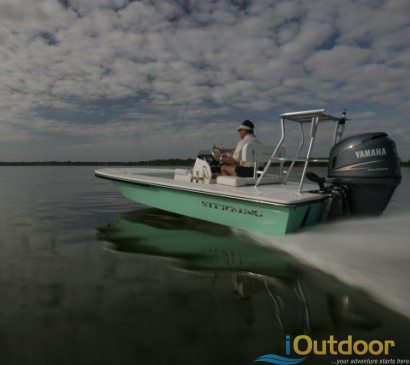
What is a Flats Boat and what is it used for in the Keys?
A Flats Boat, also known as a skiff, is a saltwater fishing boat commonly used in Flats fishing in Florida and is perfect to use in protected, shallow coastal waters.
Features of a Flats Boat
The Flats Boat is the best and most durable fishing boat to use when fishing in protected, shallow waters that is 12 inches deep. There are also models though that can safely glide through the water as thin as 5 inches. This boat normally spans a length of 15 to 25 feet and is equipped with outboard engine propulsion. It can comfortably accommodate two to three people and can be maneuvered with the use of a pole. Most Flats Boats are designed to have enough casting deck space for fishing and ample storage area for fishing equipment and gears.
Flats Fishing in Florida Keys
Florida is one of the best places to fish including the flats or the shallow areas of the sea which are abundant with grass. These shallow, grassy areas are home to crustaceans that serve as food to predatory fishes. Those who want to catch these fishes may head to the Florida Keys as the area is rich in marine life that thrives in shallow waters. The best fishing vessel to use when fishing in these parts of the Keys is the Flats Boat.
A Flats Boat would perfectly run over the shallow waters of Florida Keys, providing you the convenience that will increase your chances of finding a trophy-worthy catch. Possible catches in the Keys through flats fishing include species like the bonefish, redfish, snook, and tarpon.
Choosing a Flats Boat
There are several charter companies in the Florida Keys, from which you can rent out a Flats Boat. You could also choose to purchase one should flats fishing is your regular hobby.
When finding a Flats Boat to rent or purchase, use one that will provide you a stable in shallow waters. You should also choose one that is quite otherwise it would be futile to catch a fish with all noise the engine makes. So as not to get wet, also choose a Flats Boat that provides a smooth ride since you will be standing most of the time. In most cases, the larger the size of the boat, the more stable it is. You could also choose a Flats Boat that has extra accessories like a custom flats helm tower.
The quality of the Flats Boat can also be influenced by its brand. So also take note of the following reputable manufacturers of Flats Boats:
- Action Craft
- Hells Bay
- Sterling
- Century Coastline
- Flats Cat
- Egret
- Ranger
- Sea Hunter


 Long shanks can be used for live bait fishing where finesse isn’t critical, or to match a longer profile of an artificial bait.


