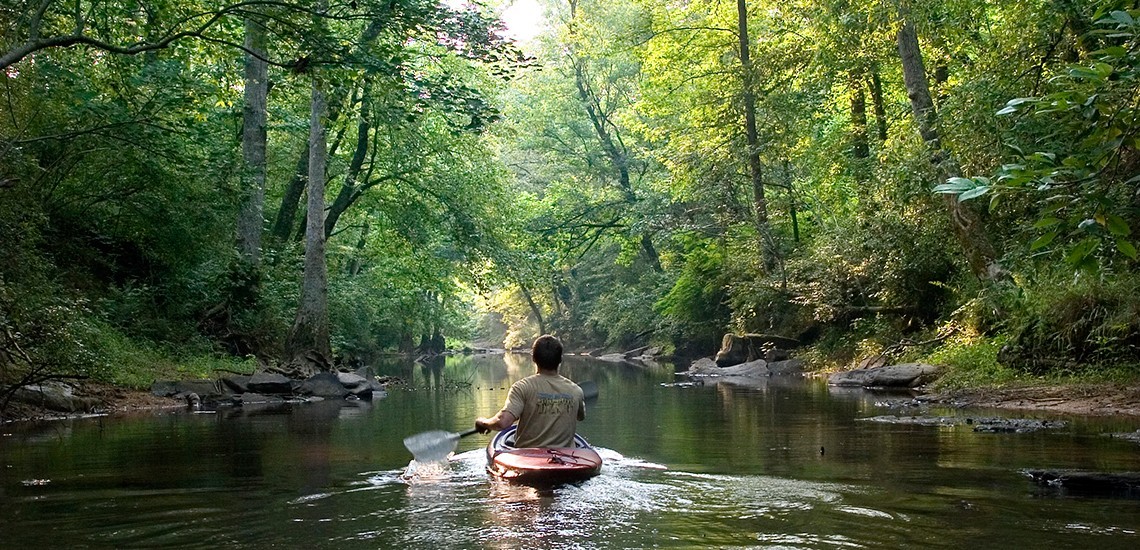
Eco Tours, Everglades Fishing, Hunting Fl, iOutdoors Blog, Nature Adventures, Swim with Dolphins
Clean Water Is at Stake
When all is said and done in the long effort to improve the quality of the water flowing out of Lake Okeechobee, Federal District Judge Alan S. Gold may go down in history as the person who took the most concrete and decisive action.
The Judge ruled in Miami in April that the U.S. Environmental Protection Agency, after 20 years of ducking the issue, had to take action to enforce the Clean Water Act in South Florida. The judge also heaped criticism on the South Florida Water Management District and the Florida Department of Environmental Protection for failing to limit phosphorus discharges into the Everglades.
Why and How?
It is high levels of phosphorus that causes cattails to take the place of saw grass and in the process fundamentally change the nature of the glades. Massive discharges of bad water down the Caloosahatchee River and the St. Lucie River periodically damage the saltwater estuaries at Fort Myers and Stuart.
The EPA reported back to the judge in September with new rules. Since then some argue the new rules are not tough enough while others argue that they are too tough.
The EPA, Florida agencies and politicians have 15 months to find a reasonable compromise.
The final decision will have a big impact on the long-term prospects for the game fish population that needs clean water in order to thrive.
![Unique qualities of shark teeth]()
Animal Park Experience, Hunting Fl, iOutdoors Blog, Shark Fishing
Unique qualities of shark teeth
 Sharks have no body skeleton; its skeletal structure is comprised mostly of cartilage. Only the teeth are left as evidence of the existence of an individual shark. Sharks are best known for being ferocious predators and for having jagged, oblique, and serrated triangular teeth that have plenty of unique qualities.
Most of the creatures blessed with teeth have a fixed number of sets. For instance, in people, we have milk teeth that are replaced by permanent teeth. Well, shark teeth are not like that. If you’ll look close, you’ll notice that there are rows and rows of teeth inside the shark’s mouth. Now, the best part about these teeth is that these continually move to the front row. When these are in the front row, they only have about 10 days of life as front liners before they are shed or less if they fall off when the shark attacks a rather difficult-to-tear pray.
Another thing, most of the teeth are held fast by a very strong fibrous tissue that makes the shark teeth become erect when the mouth is opened. With front-facing sharp teeth, the shark will surely have a firmer grip on its victim. Also, this fibrous tissue makes the shark deadly even after it died. So many accounts have been told and written about shark jaws (which are left to dry) that suddenly snap shut, hurting those whose hands have lingered too long inside them.
Also, each of these strong teeth bears a smaller tooth. That is why the shark has a very nasty, often fatal, bite. Read more facts about shark teeth.
![Unique qualities of shark teeth]()
Hunting Fl, iOutdoors Blog, Nature Adventures, Water Sports
 Safety Precautions on the Water
When out fishing or boating in the open water, the last thing that comes to mind is emergency precautions. Some anglers and even leisure kayakers often go out into the water thinking only of the refreshing ocean breeze, catching fish and the pristine waters. However, when worse comes to worst, it is best to be prepared for water emergencies.
Safety Tips to Follow:
1. Pay attention to the weather. No matter how small or large your boat is, it is no match for the ocean and its power especially during bad weather. Weather can change in an instant out in the open water. It is best not only to rely on weather forecasts but by also observing the sky and cloud formations
2. Tell someone where you are going before heading out into the water. This will give you some reassurance that somebody knows where you are and where you were headed especially if it has taken you quite a long time to go back because of bad weather. It is a superb idea to leave a manifest of your planned trip.
3. Carry a EPIRB or the latest GPS tracking device. It is also a must to Carry a VHF marine band radio. This will make it easier for you to contact someone especially when you are in trouble.
4. Carry safety items. Items such as life jacket, flashlight, oars, bucket, first aid kit, rope, blanket, mirror or shiny object, garbage bags, or an extra expandable raft. These items should be with you at all times when you are headed into the water.
5. Learn to swim. In a worst case scenario wherein you lose your boat, it is best to know how to float and swim in order to prevent drowning.
6. Wear proper attire and carry extra attire for bad weather. The proper attire or even rain-attire will help keep you warm and dry when you are stranded in the water.
7. Carry extra food, especially water so that you won’t get dehydrated.
So many dangers can happen when you are in the water. The ocean is an unpredictable realm. It can be pleasant one minute, and then storming the next. Be prepared in order to come out alive and ready for your next boating experience.
![Unique qualities of shark teeth]()
Animal Park Experience, Eco Tours, Hog Hunting Fl, Hunting Fl, iOutdoors Blog, Nature Adventures
Wild Boar Eat What?
Hunting wild boars is an exciting sport. It can be quite adrenaline-pumping to chase them through thickets or face them as they charge. However, just like any other animals hunted for game, wild boars can be quite difficult to hunt as they do not stay in just one area. Their ability to run fast, and heightened senses of hearing and smell all contribute to the difficulty in hunting them.
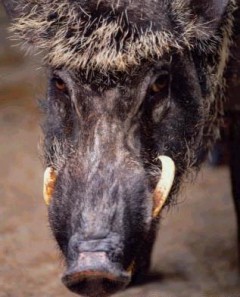
As a tip to make tracking them easier, learn more about the social and natural behavioral traits of these creatures. Important information you must know about wild boars, to better hunt them, are their eating habits. Knowing what, when, and where they eat will help you understand the behavior and hunting grounds of these animals. Understanding their eating habits will allow you to spot more of their tracks as you hunt them down.
Wild boars are crepuscular animals, mainly active beginning dawn until dusk. Thus, it is also expected that they would go about and hunt for food during these times. Wild boars are highly omnivorous animals, capable of feeding on both plants to animals; and are scavengers, eating almost anything they would come across.
One of the most common signs that you should look for when tracking wild boars is rooting. Although their eyesight is not great, wild boars have an excellent sense of smell. These creatures use their long snouts to dig up the ground to look for tender roots and morsels such as tubers, grass, mushrooms, worms, and insects. By rooting, wild boars would leave a trail – an easily discernable patch of the area that has been dugout. In fact, in some areas, they leave quite widespread damage that causes erosion and spoil ecological balance. Although this activity is year-round, it reaches its peak before spring ends and continues until summer and winter.
Wild boars also feed on berries, nuts, acorns, pecans, fruits, and carrions. On occasion, they also feed on eggs, small reptiles and birds, young deer, rabbits, and even dead animals. When there is an abundance of food in their territory, wild board normally do not wander too far, never crossing 10 square miles. When food is scarce though, especially during the cold months, expect your hunting range to expand as they can search for food for up to 50 square miles.
Be an intelligent wild boar hunter. Knowing your prey makes hunting it easier. It would not be amiss to research information among friends or on the internet about these creatures’ behaviors including their eating habits. Next time, before you go wild boar hunting, pay attention to these small important details because they could be your ticket to catching the biggest wild boar!
![Unique qualities of shark teeth]()
Bird Watching, Eco Tours, iOutdoors Blog, Nature Adventures
What to Take on Your Bird Watching Adventure

Bird watching is an exciting adventure. After all, you do not know exactly what lies ahead, what species you might encounter. Identifying the species you see or hear during a trip can also be challenging, especially to novice bird watchers. To maximize the fun and learning experience, be prepared.
A pair of binoculars is an essential tool when bird watching. A lot of birds have colors that easily blend with the surrounding foliage or many species are so small that you can’t easily see them unless they are located close or are magnified by your binoculars.
You can also bring a field guide. However, familiarize yourself with the book or booklet before you go bird watching else you’ll be doing more book reading than bird watching. The field guide will help you identify the species that you see. This is especially useful to distinguish species that might look closely alike but differ in certain aspects.
A camera, especially one attached to your binoculars, is always a piece of good equipment to bring along. You’ll be able to take photos of the birds and identify them at home. That way, you’ll have more time to look for other species. A better option is a video camera with extra memory cards so you won’t miss the action.
Some birdwatchers also bring along audio recording equipment to help them identify both the species that they see and the ones that they missed but heard calling/singing.
It is also possible to bring a portable media player. Also, to easily store data or upload them to the internet, some bird watchers also prefer bringing laptops or mobile phones with internet browsing capabilities.
iOutdoors Blog, Nature Adventures, Swim with Dolphins
Swim with our Sea Dwelling Friends
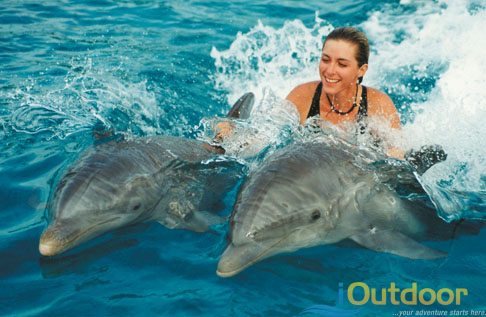
Dolphin watching is one thing, but swimming with dolphins is a whole new realm. Swimming with dolphins enables humans to interact first hand with the dolphins in their natural habitat, the water.
 Where to Go
There are many places that offer swimming with dolphin activities, usually oceanariums and aquariums. It is important to go to certified areas only, and not to just go out in the open water to swim with any dolphin passing by. Though it is not clear cut, there are restrictions when it comes to swimming with dolphins out in the open water. Besides, the added advantage of swimming with these lovely creatures in oceanariums or aquariums is the presence of a trainer or keeper to keep the activity safe between the two parties. Swimming with dolphins in these confined places will also get any interested individual their money’s worth.
Who Can Swim with Dolphins
Not everybody can swim with dolphins. In order to be allowed to swim with these sea creatures, individuals need to be at least six years old and must be comfortable in water that is three feet deep. Children wishing to swim with dolphins who are under 18 years old must be accompanied by an adult.
What to Expect
Swimming with dolphins not only involves pure swimming but other activities as well. These activities include:
- the swirl, where dolphins swim in concentric circles around swimmers;
- the kiss, where the dolphin puckers their snout to receive a kiss;
- the hug, where the dolphin attempts to hug a swimmer with their pectoral fins;
- the footpush, where two dolphins push the swimmer from the feet;
- the jump, where dolphins are coaxed into jumping into the air and performing tricks;
- the dance, where the dolphin dances while the swimmer holds their pectoral fins;
- the singing, where dolphins emit their characteristic sounds and;
- the signaling, where swimmers are taught basic signals for dolphins to follow.
