![Florida Bill Fish- the Marlin, Sailfish, Sword Fish, Spear Fish and Saw Fish]()
Charter Head Boat, Inshore Fishing, iOutdoors Blog, Marlin Fishing, Offshore Fishing, Sail Fishing
Florida Bill Fish- the Marlin, Sailfish, Sword Fish, Spear Fish and Saw Fish
In fishing, it is extremely important for anglers to know what types of fish there are in a certain location, like Florida. While tuna is one of the most abundant species in Florida, there is also another species of fish that thrives in the Florida waters just as much. These other species are known as bill fish.
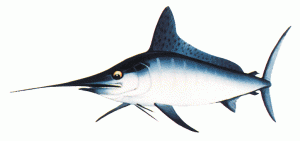
Bill fish is a common term applied to large predatory fish that are known for typically being large in size with long sword-like bills. Some of the most popular bill fish that have been identified include sailfish and marlin. In addition, these species can be found in the migratory, pelagic, and all oceans.
In Florida, however, there are specific species that are found in abundance in its waters. Some of the bill fish found in Florida includes the following:
- Sailfish –is a bill fish that is blue to grey in color and has an erectile dorsal fin which stands for its sail.
- Blue marlin – also known as the Atlantic blue marlin, is a popular game fish and has high fat content.
- White marlin – is an elongated fish with an upper jaw that forms a spear and has dark blue to chocolate-brown color.
- Striped marlin – a species of marlin known to be one of the biggest game fish, weighing at 190 kg.
While there are other fishes that are also found in Florida, a number of anglers travel to Florida for a chance to catch bill fish since these fishes are sometimes deemed a bit aggressive and hard to capture making it more challenging for them. To catch a billfish is one of those memorable moments in an angler’s record that beats capturing the often common snappers.
Come explore a iOutdoor Fishing Adventure on your next visit to Florida setting kite on your favorite offshore species!
![Florida Bill Fish- the Marlin, Sailfish, Sword Fish, Spear Fish and Saw Fish]()
Charter Head Boat, iOutdoors Blog, Marlin Fishing, Offshore Fishing
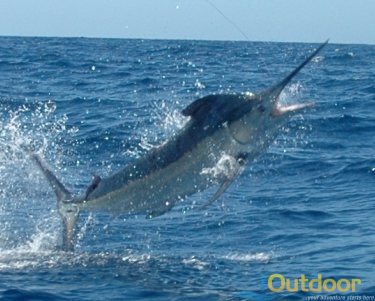
Catch and Release! Save the day for other Marlin fisherman to come!
There is more to fishing that anglers should be and must be aware of. For those who do not yet know, recreational fishing has made a great impact on the fish population and their habitat. This impact has caused a decline of several fish species and is a problem that needs to be addressed immediately. One of the best ways to answer this problem is through the observation of conservation techniques when fishing.
Conservation Techniques:
- Handle your boat properly while on the water. Fishing and boating always go together. No fishing can occur without the aid of a boat. However, when fishing in shallow waters, a boat can cause huge damage to a fish habitat. It can chop up underwater vegetation and stir up sediments that can affect aquatic vegetation.
- Fishing gear, especially lost or abandoned ones can harm fish and other underwater creatures. Lost sinkers made of lead can be toxic when mistaken for food and swallowed. Discarded fishing lines can cause strangulation or starvation when accidentally swallowed for food or tangled up with an underwater creature’s body part.
- Resist dumping garbage and other belongings in the water. Dirty water is poisonous and can risk underwater wildlife. Remember, whatever fish eat, you end up eating too.
- Always think about the possible invasion of non-native plants or species in your local fishing spot. Before heading home, make sure to rinse off your gear and shoes. Do not use live bait if it is prohibited and do not dump extra and unused bait into the water if it is prohibited. This can cause competition between native and non-native species. In some cases, non-natives have outnumbered native species because of these habits.
- When catching and releasing, make it an effort to handle your catch gently and carefully. Many fish that have been caught and released end up dying because of improper handling.
Explore Marlin Fishing next time Visiting Florida especially when looking for a Miami Deep Sea Fishing Adventure!
![Florida Bill Fish- the Marlin, Sailfish, Sword Fish, Spear Fish and Saw Fish]()
Bottom Fishing, Charter Head Boat, Fly Fishing, Grouper Fishing, iOutdoors Blog, Marlin Fishing, Offshore Fishing, Party Boat Fishing, Sail Fishing, Shark Fishing, Sword Fishing, Tarpon Fishing, Tuna Fishing
Offshore Fishing – What to Bring
 No matter how good your fishing skills are, sometimes, they are not simply enough to get that trophy catch. To assist you in this endeavor, fishing tackles can be used, which can highly improve your chances of snagging your dream blue marlin or bluefin tuna.
Fishing tackles, also known as “fishing gear”, are the physical equipment’s needed when fishing. Almost all gears and equipment’s used in fishing can be called fishing tackles from terminal tackles such as hooks to lines, sinkers, reels and rods to name a few. Because of their number, it is impossible for you to bring all of them in an offshore fishing trip. So that you will not over pack or leave anything essential, here are the top ten fishing tackles to use for offshore fishing, which can serve as your guide in packing.
- Fishing rod. The fishing rod is the most important fishing tackle you will ever need for offshore fishing. In choosing your fishing rod, make sure that its weight and length are perfect for you so that you will still remain comfortable using it despite hours of fishing.
- Fish Hook. Hooks are the devices that impale the fish in the mouth or body. During every fishing opportunity, make it sure to bring hooks in different sizes and styles so you’ll have plenty to choose from.
- Fishing line. A fishing line is a cord used in angling, its end being where the hook is attached. Important factors in choosing your fishing line are: length, weight and material. Remember that they must be tough enough to resist offshore fishes.
- Fishing sinker. A sinker is device which weight is used to improve casting distance and the speed of sink of the bait.
- Fishing reel. Reels are devices used together with a fishing rod to allow the deployment and recovery of a fishing line with the use of a spool supported by an axle.
- Fishing bait. Baits or lures, whether natural or artificial, can also make or break your fishing expedition. Choose your bait depending on the type of fish you would like to catch.
- Net. A net can be handy to secure a fish already caught because it would be agonizing to lose a prize catch at your feet.
- Tackle box. Of course, with the number of your fishing tackles, it would be easy to damage them, or worse, misplace or lose them. Thus, it is always wise to bring a tackle box where you can keep your fishing equipment’s, gears, accessories and baits.
- Fishing basket or cooler. Having caught a prize fish, of course, you’ll need a fishing basket or cooler where to store them.
- Right Fishing Outfit. Although most people who go fishing are keen on their fishing equipment’s and gears, they rarely think about their outfit. For practicability, make it sure that you wear comfortable clothes, fishing boots or waders if you intent to stand in the riverbank fishing, fishing vest with utility pockets, and a fishing hat to keep you protected from the rays of the sun.
You should Read this blog: Why Deep-Sea Fishing Should Be In Your 2021 Fishing Trip List
Bass Fishing, Grouper Fishing, iOutdoors Blog, Marlin Fishing, Shark Fishing, Sword Fishing, Tuna Fishing
Redfish:
Redfish are one of the most popular backcountry and flats game fish. Redfish will take a wide variety of flies, lures, and top water plugs. This makes Redfish are one of the most sought after fish by light tackle anglers. They are one of the hardest fighting fish on the grass flats. Because of this reputation and the fact that they spend most of the year in shallow water they are a great fish to sight fish with light spinning tackle or fly rod!
Snook:
Snook mania! Why Snook are so popular no one knows but it is one fish that has fans every wher. Snook are seasonal in Florida waters, are a tasty treat and are very ellusive. The can be found in inlets, backcountry mangroves and flats. Snook on light tackle and fly rod are a favorite methode for serious anglers. Snook like live bait best like shrimp, crabs and fingerlings but will take artificials and flies.
Trout:
Speckled trout are a river, backwater and flats favorite. They are good eating and are fun to catch on live shrimp under a popper cork. Speckled trout also respond well to buck tails jigs anytime and surface lures in the mornings. Drift fishing across a grass flat free lining live shrimp make the best day trout fishing there is on the water!
Permit:
Permit are among the hardest fighting fish, pound for pound, and can be found throughout Florida’s salt waters. They can grow over thirty pounds and are a sought out by light tackle specialist. Permit eat small crustaceans like shrimp, crab and sand fleas. The permit, is a relative of the Jacks and relatively a common catch from wreck fishing in South Florida. Few sights on the flats are more exciting than the tail of a tailing Permit extending a foot out of the water in search of food.
Tarpon:
Tarpon are one of the most exciting and sought after game fish to be found anywhere! They can grow to immense size and are light tackle and fly favorites. There are tarpon tournaments held in several key spots on Florida’s coast during special times of the year. The Tarpon is one of the most remarkable sport fish in the world, when hooked they perform acrobatic jumps which defy belief. Spin or fly casting with lures or live bait (crabs or shrimp) and big flies are effective ways to catch Tarpon. Tarpon are generally cooperative eaters, but their bony jaws make it hard to maintain a hook up, the result is that many fish throw the hook after a few jumps.
Dolphin:
Dolphin, Mahi Mahi, Dorado. Whatever the name, the dolphin is a mainstay of offshore game species. They have a tremendous growth rate and make excellent table fare. They are primarily fished by the trolling method with artificial baits. Dolphin are a pelagic striking fish, if you get into a school you may be able to make your days catch in one sitting. Dolphin are acrobatic fighters that can make your day both in the boat and at the dinner table; Dolphin like pink and red and blue and white trolling skirts over fresh ballyhoo.
Marlin:
The Marlin is perhaps the best known of the offshore fighting billfish next to the sailfish, the differance is you can catch marlin over several hundreds of pounds- the largest are over a thousand pounds. There are several species of marlin, the black, the white, the blue and the stripped. These are heavy duty warriers that take special gear and large artificial or natural baits. A marlin catch is a lifetime accomplishment and to be envied by every angler. Marlin are found in nearly every ocean worldwide. Marlin fishing is strickly a catch and release proposition!
Cobia:
Cobia are a very tasty dish! They are migratory and like to hang out with manta rays, when the rays appear cobia are not far behind. Cobia will respond to lures thrown tipped with bally hoo and are primarily sight fished from the tower of an ocean going boat. Cobia can become very large and they are an obstinate pray- they can really put up a bulldog fight!
Barracuda:
The barracuda is one of the most underappreciated game fish in Florida. They are big (up to 5 feet and 65 pounds), they run and they jump like the most favorite of our game fish and can be found anywhere in Florida’s saltwater.. The barracuda is plentiful and fishing for them in water depths of 3 to 5 feet, with their explosive strikes is a thrill one won’t forget. They can be persuaded to take a fly and are equally unable to risk a tube lure on a spinning rig. Barracuda are plentiful and are an amazing acrobat when hooked!
Grouper:
There are many verities of grouper and most are tasty and delicious! Grouper are a bottom species that like live bait offerings and can put up a tremendous fight. In hooking and catching grouper it is primarily important in the first moments of battle to get the fish out of the vicinity of his home- be it a wreck, reef or other structure, if you do not- they will cut you off for sure! Certain species of grouper, the Goliath or Jew fish, can grow to over six hundred pounds, this species is protected from kill fishing but is an amazing thrill to catch and release. Grouper are found liberally in all Florida salt waters both inshore and offshore.
Snapper:
Snapper are one of Florida’s most sought after and tasty bottom species. There are a number of snapper varieties and all are good to eat. It takes special tackle and technique to catch these wary fish, they are very sensitive to terminal tackle and presentation of bait; fluorocarbon leaders are important part of your presentation. Snapper like shrimp, crab and other small crustaceans. Snapper like bottom cover like reefs, wrecks and other structure and can be found in all Florida saltwater bodies.
Bonefish:
Bonefish are one of the most popular sport fish on the flats. More has been written about bone fishing that almost any another light tackle species. Sight fishing for bonefish is the most popular method and is incomparable on light tackle and fly. The Keys are home to the largest bonefish species in the world. Bonefish are found on sand and grass flats on both the Ocean (Florida Straits) and Gulf (Florida Bay) sides of the Keys in water as shallow as a few inches. Bonefish feed on small crustaceans like crabs and shrimp. For a thrill of a lifetime go bone fishing!!
Sailfish:
Atlantic Sailfish. The Sailfish is a species beloved by the fisherman and captain alike, they provide endless opportunities to experience the thrill of catching a bill fish. These fish are acrobatic and present themselves at trolled bait with bill noodling in the air behind the bait, then striking with a slash and run! This is strictly a catch and release fishery and sailfish catches in an organized tournament can run in the dozens per boat. Sails are caught by kite, light spinning tackle, on fly and stand up rod and real. Truly a great game fish and most anglers’ first time bill fish. They will eat any trolled ballyhoo with or without a skirt.
Wahoo:
The don’t call it a Wahoo for nothing! When this top predator takes your bait you will know it there is no doubt about it. The first run is a reel screamer- sorry for the pun- but it is true! Wahoo are delicious on the plate and amazing underwater athletes, they seldom jump like other species but they can burn the line off of a reel and put the fear of God in any angler! Wahoo like dark lures trolled at high speed- eight to twelve knots in fact. They are a toothy critter and need to be respected when brought on board; they can weigh up to one hundred pounds.
Kingfish:
The kingfish is the poor man’s Wahoo; they have saved the day on many a charter. Kingfish are an aggressive pelagic species and love trolled bait or a pinfish drifted along the beach rigged with a circle hook and a trailing stinger treble. These guys can be single heavy weights up to 70 pounds but usually run in schools of twenty to thirty pound fish. Steaked, seasoned with Italian dressing and then grilled these fish can be tasty fare. Don’t miss out on the fun, kingfish are common to all Florida waters and should be on your fun list.
Swordfish:
Night time sword fishing has become one of the most popular offshore fishing adventures south Florida has to offer. These are mysterious looking bill fish that live in the deep waters of both the Atlantic and Gulf waters. They can grow to enormous size and love squid and are fished with a luminescence chemical light attached near the bait and at great depths. At least once in your fishing career you should experience night time sword fishing!
![Florida Bill Fish- the Marlin, Sailfish, Sword Fish, Spear Fish and Saw Fish]()
Bass Fishing, Bottom Fishing, Charter Head Boat, Fly Fishing, Grouper Fishing, iOutdoors Blog, Kite Fishing, Lobster Catching, Marlin Fishing, Offshore Fishing, Sail Fishing, Shark Fishing, Sword Fishing, Tuna Fishing
Ridin’ the Waves in Florida
Florida boasts of having over 8,000 miles of coastline as well as 4,500 miles of inland waterways. With this much water for cruising, it is no wonder that boating is such a popular sport in the state. Many boaters often find themselves cruising over Florida waters and its waterways for the sheer beauty of it. Many types of boats have graced the waters of Florida ranging from mega-yachts to wooden skiffs. In Florida, owning a boat is as normal as owning a car.
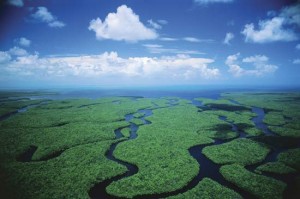
Florida Waterways
The wonders of boating in Florida are further enhanced with its waterways, passages where boats can pass through for maximum boating experience. There are many waterways maintained by the Florida Inland Navigation District, the two most common and popular are the Intracoastal Waterway or ICW and the Okeechobee Waterway.
The ICW is also known as “the ditch” and is a natural but dredged channel. This channel extends 500 miles down the east coast of Florida to the tip of the Keys. This is a very popular boating route because it runs through rivers, creeks as well-dredged canals, giving boaters an extremely great variety in boating experience.
The Okeechobee Waterway, on the other hand, is composed of 135 miles of boating route. Extremely popular during the summer, this waterway runs along the St. Lucie Canal from Stuart, across the lake, then on to Sanibel Island via the Caloosahatchee River.
Best Places to Anchor Out
Just as cars park in a parking lot, boats do so as well but in ports. Boats aren’t just anchored anywhere. There are many great places to anchor in Miami including across Baker’s Haulover Inlet in front of Florida International University; in front of Watson Island; the anchorage in Boca Chica Harbor; and the bayside by Sand’s Cut. Palm Beach County also has a great place to anchor such as Peanut Island across Lake Worth Inlet.
Boating Rules and Regulations
It is recommended that before purchasing a boat or even before boating in Florida, especially for those new in the area, to get acquainted with the state’s boating rules and regulations for a safe and legal boating experience.
iOutdoors Blog, Marlin Fishing
Time to Catch Some Marlin
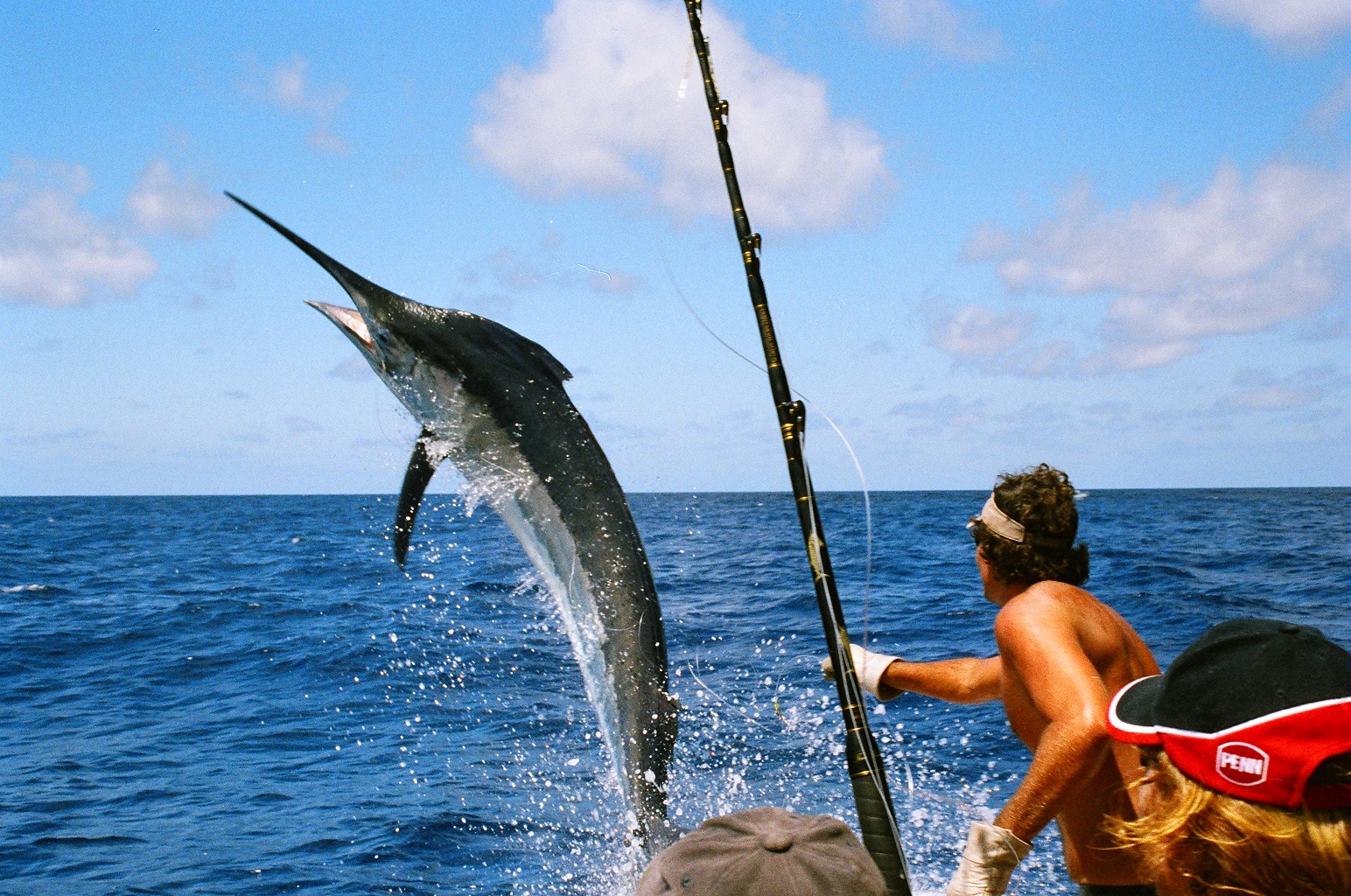
An angler knows that there is nothing more majestic than seeing a giant marlin jumping out of the water after it’s been hooked. The fight to reel in the billed behemoth is also a one-of-a-kind experience. Nothing brings more pride than having hooked a beautiful marlin, especially after having struggled to reel it in.
When planning to fish for Marlin, it would be best to do so when the pickings are good. After all, you would want to plan your fishing trip around the time when there is a good chance for you to get the best catch.
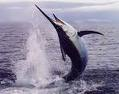 Marlin is generally available all year round. They are, however, more common beginning in late April. Marlin spotting continues from this month until the end of July and in some reported cases, even until early August. Many anglers swear by the number of Marlin they spot during these months of the year. So, if you want to catch the most Marlin or a trophy-worthy catch, schedule your fishing trip during these months.
When fishing for Marlin, you have to make sure that you are aware of some of the local rules and regulations. Like the land games, some countries impose certain restrictions on Marlin fishing. In some areas, anglers are prohibited to fish for Marlin during certain periods or only allowed to catch and release. To keep from getting into trouble, make sure that you keep abreast with pertinent regulations.
Aside from knowing when to fish for Marlin, it is also a good idea to go to the best places to fish for it. Some of the top places include the Atlantic Ocean, the Bahamas, Bermuda, Brazil, the Cape Verde Islands, Spain, Venezuela, and St. Thomas in the Virgin Islands. Marlin can also be caught in Portugal, especially in the Azores and Madeira. If you live in the US, Florida and North Carolina are some of the great destinations for Marlin angling.

 No matter how good your