
iOutdoors Blog, Bass Fishing, Redfish Fishing, Sail Fishing, Shark Fishing, Snapper Fishing, Snook Fishing, Striper Fishing, Sword Fishing, Tarpon Fishing, Tripletail Fishing, Trout Fishing, Tuna Fishing, Wreck Fishing
What Fishing Line to use?
As a fisherman, there is a good chance that you have choices to make regarding your fishing line? Perhaps you have difficulties, your lines breaking while you were reeling a catch or casting your favorite lure. Having a faulty fishing line may not be the whole reason.
These events may reinforce the fact that you need to change your fishing line or use the wrong type. The question now is – What fishing line to use?
Like the lure and rod and reel, fishing lines are one of the components necessary for any angler’s success. It doesn’t matter if you’re catching bluegill from the bank, flipping bass out of thick grass, or trolling offshore for sailfish. You need the excellent quality and right type of line to land fish and have a hassle-free time.
With hundreds of different fishing lines on the market, what types, what sizes, what diameters should you use? It’s about the most difficult choice for most anglers.
So we were going to break down all the different fishing lines reasonably according to their uses, faults, and certain types of fishing best suited for each style.
It’s in the little details
Identifying the target species, fishing style, habitat, lures, and baits, and the angler’s skill all have a bearing in choosing the best line for the job.
From trolling spoons for oversized pike and steelhead; to deep jigging lead heads for walleyes and smallmouths; to working topwater frogs or spinner-baits for bass; there’s a specific kind of line to help anglers get the best results.
There are four significant types of fishing lines on the market today that matter for all practical purposes. Each has its pros (strengths) and cons (weaknesses), and anglers love each type.
99.9% of the anglers, when starting, only understand the difference in the packaging and color of the line. Braid, fluorocarbon, and monofilament mean nothing to them. We want to share what the pros already know about the fishing line and how they choose the different types. Share the cons no one wants to talk about and the pros of why you should be using it. You will know the perfect fishing line to use when selecting your favorite lure. Additionally, plan on fighting your favorite fish species by article end.
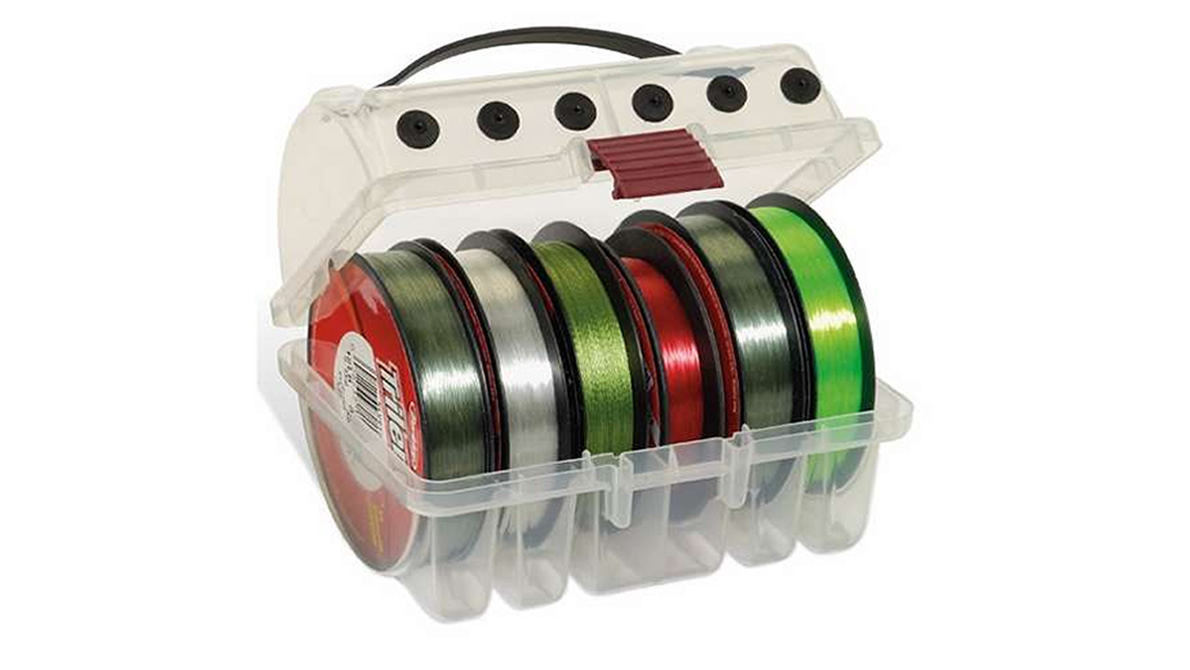
All Fishing Lines have Personalities
Before we start suggesting different products on the market, there are a few personalities of each line to go over. Later in the article, this will help you understand why one line might be not as good as another in your current situation.
- Abrasion Proof: Ever have a fish cut the line with his teeth? Maybe your favorite fishing spot has lots of rocks, and you get cut off all the time? Having a line that is more abrasion-resistant will help. Or, more importantly, make sure you are not using a fishing line that is not abrasion-resistant.
- Buoyancy: This is how your line floats in the water or how quickly it may sink. Different situations are going to call for a specific fishing line. The more buoyant the line is, the better it will work for topwater lures. Lik that sinking provides a better feel of the fishing lure or bite of a fish. It also helps with the hooking of fish in some cases.
- Memory: This happens to some types of lines when it gets old or is stored in the sunlight. When you cast, and your line lies in the water, is it straight or curled up? That’s memory. A fishing line with lots of memory will also get kinks or knots as you reel cast and retrieve. The biggest problem that occurs from the fishing line with lots of memory is losing all your casting distance.
- Strength: It comes in all types and forms of fishing line. Strength should not be only the breaking point. The most critical factor to consider regarding power is the diameter of the fishing line. Not all fishing lines are equally treated when looking just at diameter vs. strength. There is a time when stability is more important than the diameter, and the diameter is more important than power.
- Stretch: Is the distance the line with giving before breaking. The stretchy line is vital for certain fish and lures. In some cases, it helps with fighting a fish; other times, like with crankbaits, it gives the fish time to inhale the bait before you can react. Typically, the stretchy line also provides less sensitivity to the lure and bite of a fish.
- Visibility: This should be a given; fish can see line color. The fishing line’s specific colors work better in different color water, other fishing techniques, and various fish species. Spooking of fish because of line color is one of the number of mistakes beginners make in choosing a line.
Okay, now that we understand the fishing line’s personalities, let’s deep dive into the types of lines on the market today!
Monofilament: The Old Reliable
Since I can remember, monofilament has been the standard line for catching bluegill or Blue Marlin worldwide. Even today, the retail stores are full of inexpensive fishing lines, which is monofilament. It’s an excellent value for anglers; it works, catches fish, and casts well initially. It can be used on any style fishing reel, is easy to work with, and has good knot strength.
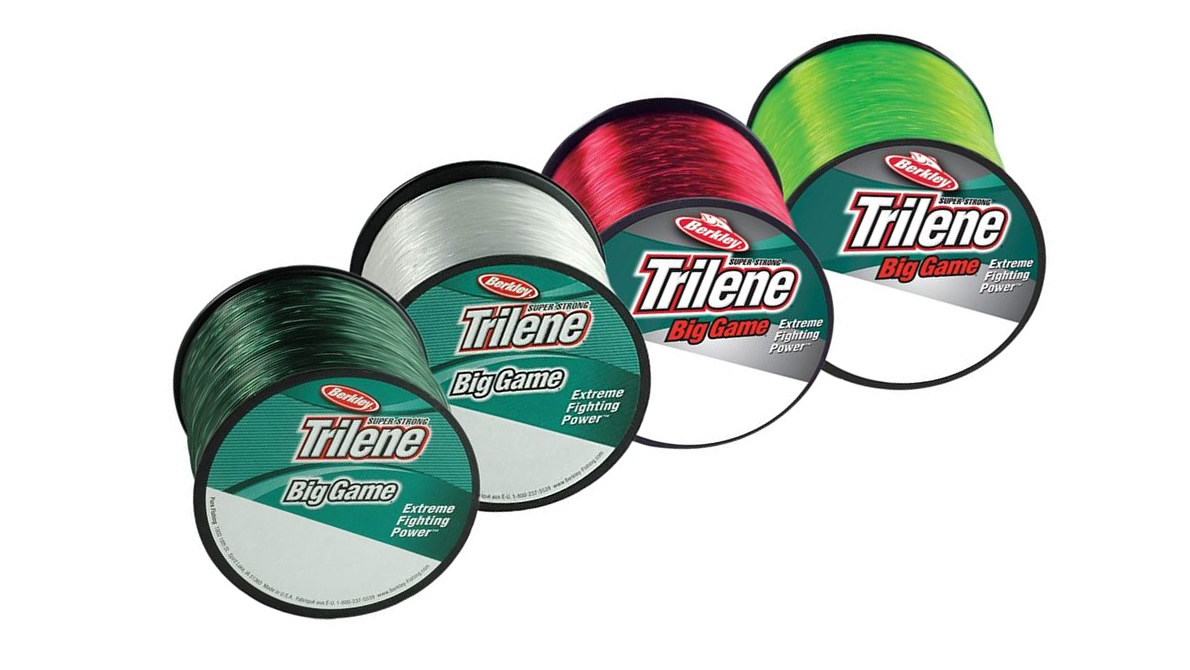
Pros of Monofilament
Monofilament is known for its reliability. It stretches under pressure; it’s durable and forgiving in the same breathe. The bulk of the fish landed in the world happen on monofilament. Some Monos are a bit stretchy; they still provide a right hook to drive hooks deep in to fish. Unlike its sister line fluorocarbon, monofilament is more forgiving and softer. It is helping with abrasions from rocks, fish teeth, and others. Think of mono as the old reliable; when you need a line you can rely on for almost all fishing forms, she won’t let you down.
Because it’s softer and more flexible than fluorocarbon, knots tie easier with mono, and cutting the line with almost anything, including your teeth, works for a Mono connection. Monofilament is exceptional for line sizes smaller than 12 pounds. It’s easy to cast lighter lures and adaptable for any terminal tackle, such as snaps, hooks, sinkers, bobbers, and swivels.
Cons of Monofilament
Monofilament is the line with the most stretch. It can be a fault or an asset for anglers. It provides less sensitivity than the fluorocarbon line, which can lead to anglers’ loss of fish as some anglers have difficulty detecting light strikes. Stretch also requires anglers to set the hook harder to drive deeply into the fish’s mouth.
The monofilament fishing line’s main fault is the memory, which creates loops, knocks, and twists, causing multiple casting issues. Monofilament can be especially tricky with lures that spin the line, like that happens when trolling. Twisting is caused by not adequately using leaders and swivels to decrease line twists.
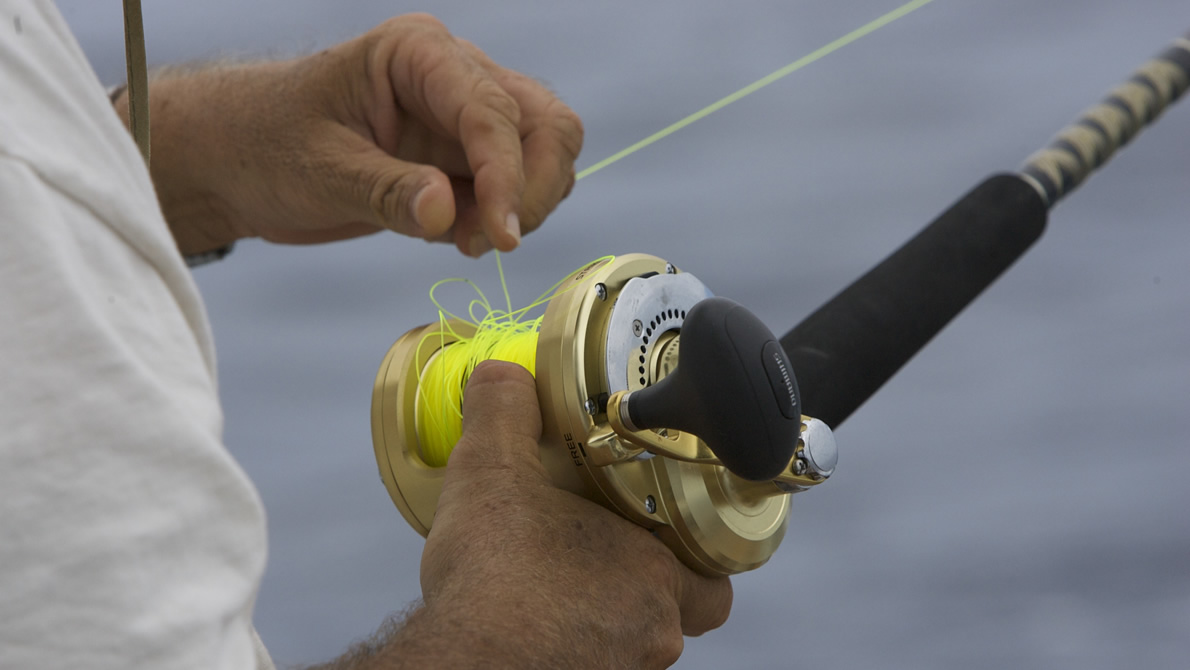
How And Why Anglers Use Mono
There are many monofilament applications, and since it’s been around for decades, many top anglers are committed to it, like a veteran fishing guide, Capt John Leech, of Kissimmee, Florida.
“I use Trilene XL monofilament line the most it’s what I feel like I get the most bites on,” he says. “Yes, still use braid and fluorocarbon with no-fault, braid has many advantages in thick covers, such as no stretch, incredible strength, solid hooksets, lots more sensitivity, longer life spam on the reel. And use monofilament because it works on sunny days, cloudy days, and all days in between. I have just always had confidence in it, so if it’s not broken, why change.”
Capt John also commented that monofilament is much cheap when your fishing every day as he does. It’s smooth, and it makes it easier to tie knots quickly.
Florida fishing guide Capt Al out of new Smyrna Beach uses limp monofilament leaders when he uses live bait, especially when bobber fishing with a slip-float rig.
For Saltwater fishing trout and redfish, it mostly uses monofilament.
“Being able to see my line is important so a hi-vis Mono is a majority what I use. And so fish won’t see or shy from it, I always employ a fluorocarbon leader.” My preferred monofilament is Berkley Trilene Big Game for trout and redfish; both are smooth casting.
Copolymer: A Basic Improvement
Attempt to make improvements to monofilament; the industry created a copolymer fishing line. It’s a newer version of the version of monofilament, with slite changes. They embedded a different cord of nylon, making it two or stains of material instead of one. This process strengths the line reduces stretch and, more importantly, provides manufacturers access to create a unique recipe and customize the line’s characteristics to specific types of fishing.
Pros of Copolymer
You wonder when you go to the store and see so many different fishing lines and ask, why? The copolymer is responsible, as the manufacturing process allows quickly unique signatures of a new line into the market. The manufacturers can mimic existing lines and make slight changes so they can say it’s better and different”? In general, its a lower stretch than monofilament but carries less memory. All while maintaining shock strength, improved casting, and knot strengths. It’s also more abrasion-proof, all while adding increased stability to the line.
Cons of Copolymer
A unique difference between monofilament and copolymer is it doesn’t float very well. While it is still nylon-based, the core to monofilament can still heat up and get sunlight damage from the UV rays. The big loser is the angler; with all the technology changes to monofilament to create copolymer, it has made the price considerably more expensive. You have to decide if the difference is of value to you.
How And Why Anglers Use Copolymer
There are many specific applications for copolymer that lead Captain Troy Wells of FortLauderdaleFishing.com uses in his day-to-day operation.
“I use copolymer line on most all reel types, and I love it for deep-water tactics like jigging and suspension rigs. It’s what we get the most fish on,” he says.” I don’t mind paying a little more; there’s no reason not to. We land more fish; you can’t convince me otherwise.”
The Ever So Popular Braided Line
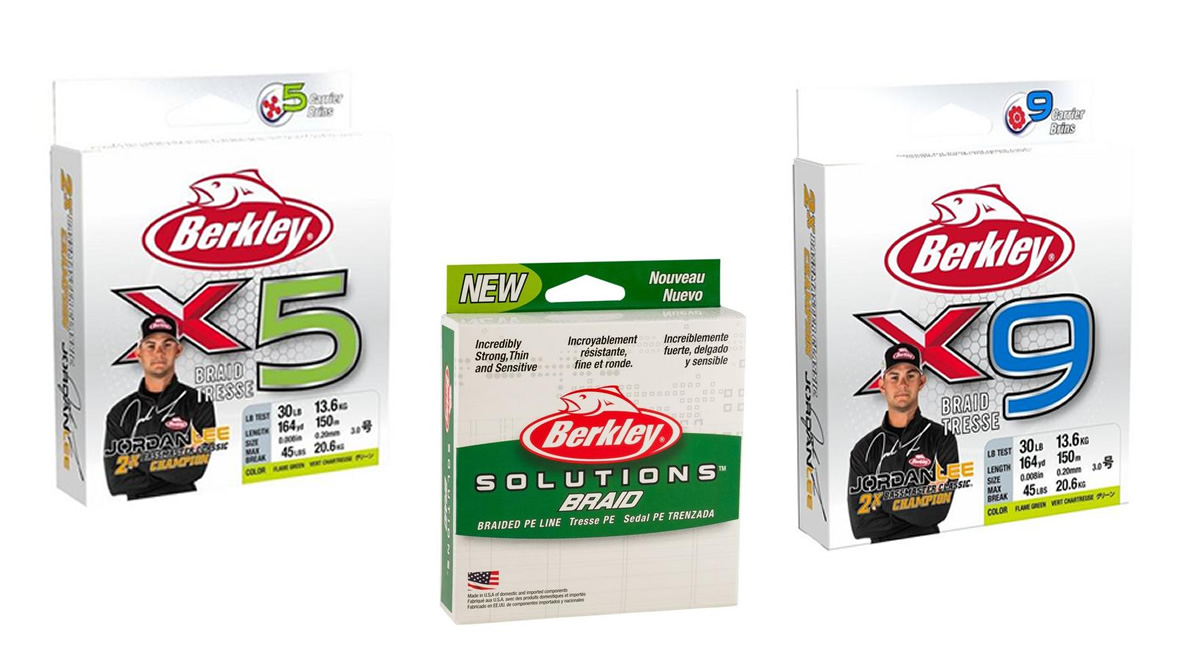
Braided line has boomed in popularity in recent years due to comparatively new improvements that have resulted in high abrasion resistance, excellent diameter per test, superb casting characteristics, and extended life use. Perhaps braid’s biggest asset is that it has virtually no stretch; thus, it’s exceptional sensitivity. It makes it a top choice for deep water and heavy cover fishing and “feeling” the slightest bite from fish. However, no stretch can be detrimental if anglers overplay fish, pulling out or straightening hooks, resulting in a loss.
Pros of Braided Line
Its strength, clearly the #1 feature of the braid. Secondly, it would be the diameter, especially in the big sizes like 15, 30, 50, and 80 pounds. In very light tests, let’s say, under 10 pounds, it is extremely sensitive and still super strong. Most people use it for its casting distance, which outperforms all of its counterparts. The addition of adding a monofilament or fluorocarbon leader provides an exceptional advantage over the fish.
Cons of Braided Line
It’s the most expensive, more than monofilament, copolymer, fluorocarbon, and it can be tricky; even wind knots can tie in a ball of waste. It can be much harder to tie knots; if the proper knot is not connected, the braid tends to slip. Many stand monofilament knots that work great, such as the Clinch Knot and Blood Knot, do not hold well with braided lines. Not necessarily a negative, unless you don’t have them. With braid, it requires a pair of clippers or scissors to retie.
How And Why Anglers Use Braid
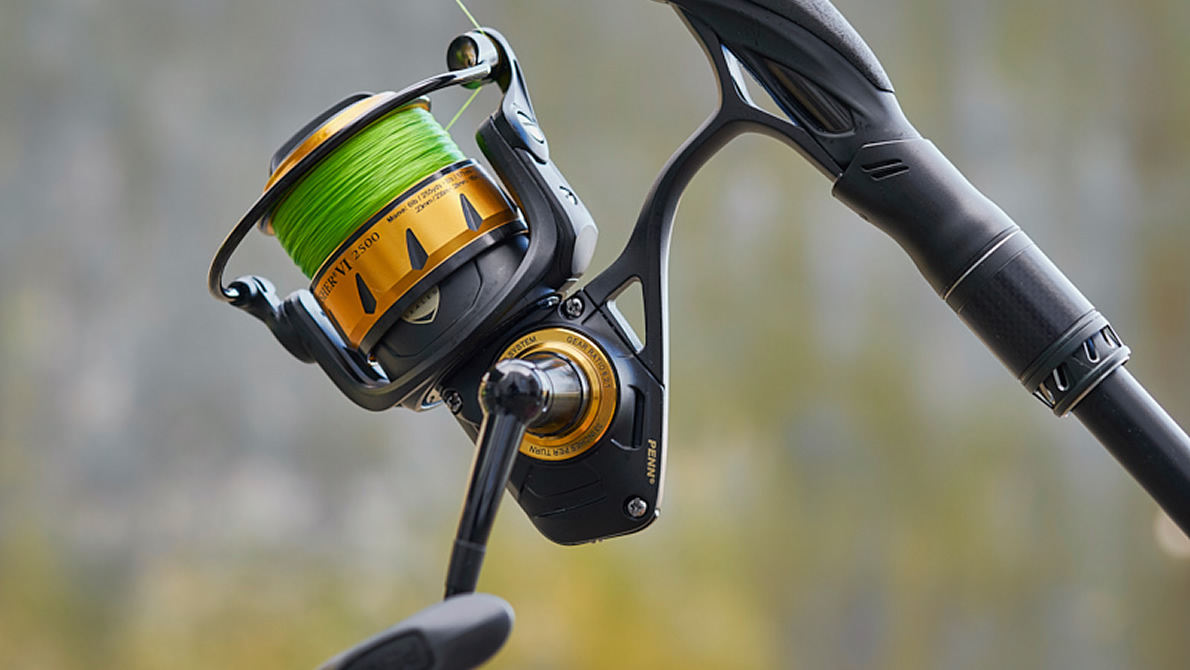
Well, respected multi-species angler and Lake Erie fishing guide Capt Mark Rose out of Erie, PA uses braid for finesse applications deep jigging for big smallmouth. “I use Berkley X9 braid attached to a fluorocarbon leader for most deep and clear water fishing applications I do.” Capt Mark says explicitly, “for drop shot fishing in the clear waters of the Northeast, I use 6- or 8-pound braid with an 8 to 10pound fluorocarbon leader.”
Mark adds that one of the primary reasons he uses braided lines is that it increases his customer’s sense of “feel” when fishing deep water. He says the benefits of supper thin diameter and lack of stretch are unbeatable.
Capt Tom Goodrick, Lake Erie Walleye expert, says, “braided line is his first choice when running moving baits to set hooks in fish like pike and walleye. Crankbait trolling for walleyes and other species is perfect for braid because I can ‘clear’ a lure of debris without reeling the bait back to the boat. Deep jigging with hyper-sensitive, no-stretch braided line makes for controlled solid hook-sets by customers.”
Fluorocarbon
The fluorocarbon fishing line is a relatively new product compared to its counterparts that have been around forever and improved dramatically over the years. Its price had also come down considerably from when it was introduced into the marketplace.
Pros of Fluorocarbon
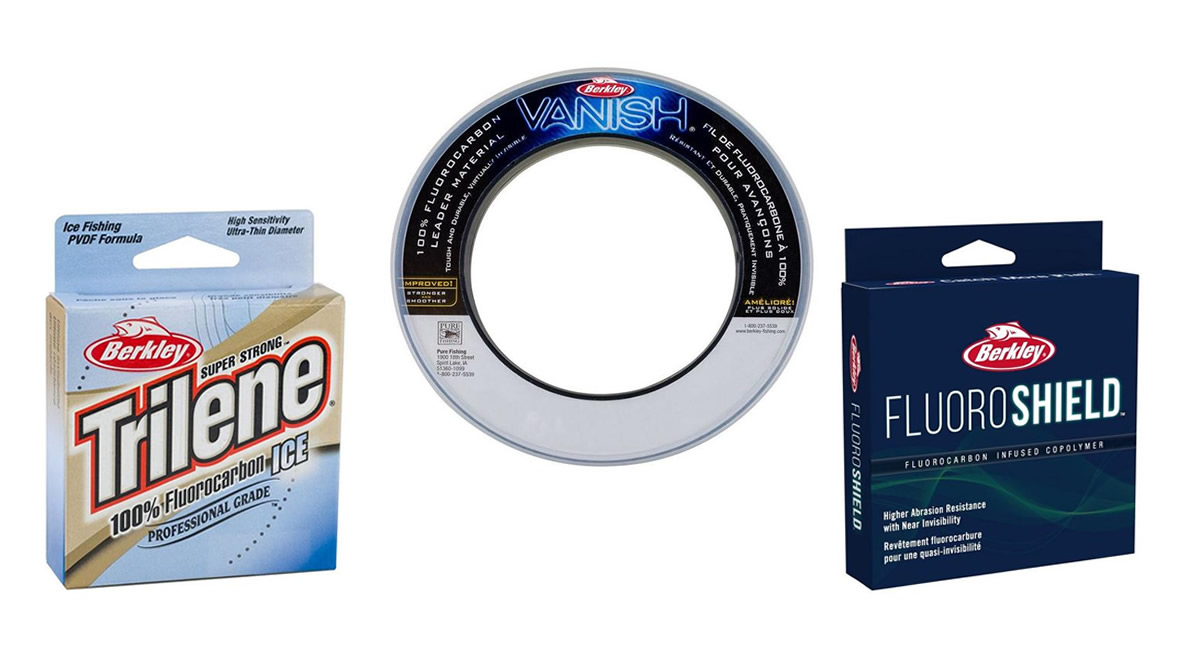
Visibly almost identical in design to monofilament in that it’s round and feels very similar. It’s virtually invisible, ultra-clear underwater because light passes through it. For this reason, anglers can use fluorocarbon in heavier pound tests than monofilament and copolymer lines that are more visible.
While fluorocarbon does stretch, it has much less bonce than monofilament, although it feels more elastic than braided line. It’s built with a hard casing, so it’s more rigid and more resistant to abrasion. Fluorocarbon is known as a stiffer line than all its counterparts, and it is. But technology and development have made many improvements in recent years. Cleary excepted by new era of anglers, fluorocarbon is quickly gaining lots of endorsements from top anglers.
Cons of Fluorocarbon
Fluorocarbon, because of its density, sinks faster than monofilament. So for topwater lures, it’s not the best choice of line. The bigger continued to complain from the weekend angler is the difficulty of tieing knots due to additional stiffness. It is most critical to wet your line when tying with fluorocarbon to help the line slip and tighten the knot.
How And Why Anglers Use Fluorocarbon Line
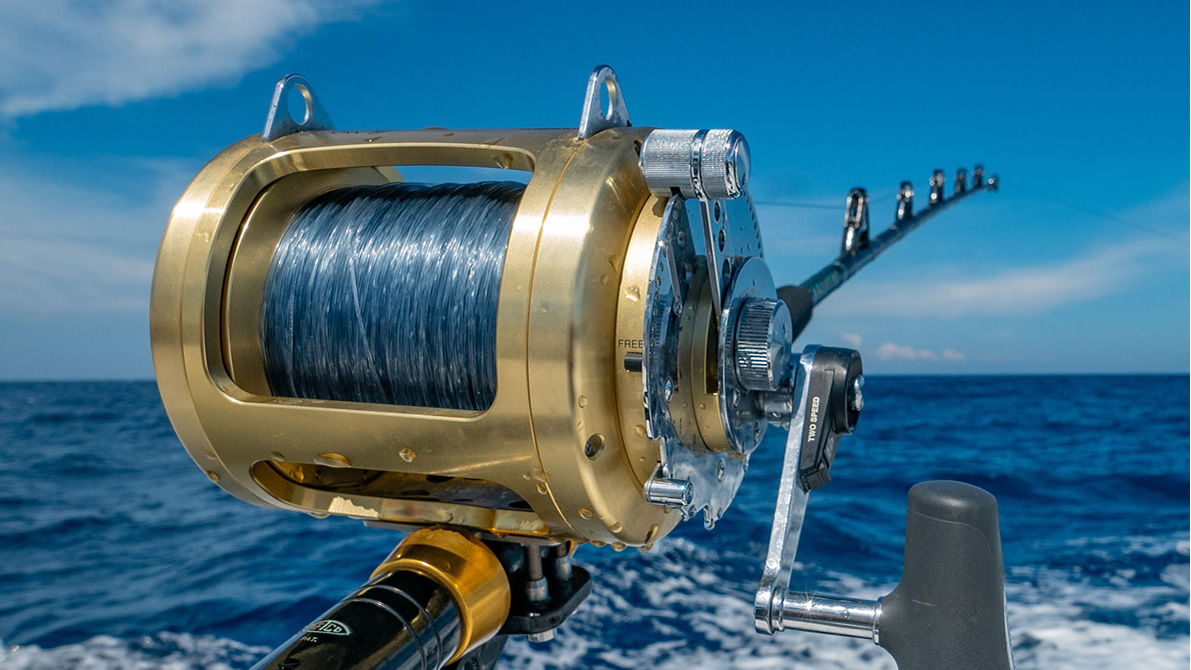
“Berkley FLUOROSHIELD Fluorocarbon has become my number one all-purpose line,” says Capt Mark Shepard. “It’s durable and castable on bait-casters while still maintaining lots of abrasion resistance. I mainly use it because it’s the most transparent line of all that is manufactured. That means it’s the closest to transparent of anything other than water.
Shepard says he uses it almost exclusively for throwing his WOW Factor Crankbaits. “It’s stronger than monofilament and abrasion-resistant, and fluorocarbon helps a bunch.” everything else.
In closing
Most anglers know that they have to change their fishing line regularly. However, most only do so when something happens to remind them of this. Choosing the correct one based on conditions and species will change how you fish and the results!
iOutdoors Blog, Bottom Fishing, Mahi Mahi Fishing, Miami Beach Fishing, Offshore Fishing, Sail Fishing, Snapper Fishing, Sport Fishing, Tuna Fishing
Miami Pelagic Fishing Charter
Miami is a premier destination for outdoor activities. Whether you are visiting the heart of downtown or South Beach, you can access endless fun. If you are tired of sitting on the beach or shopping around town, hop on board our fishing vessels and head offshore. Offshore fishing or Deep Sea Fishing is a great way to soak up some sun and experience the fight of your lifetime. Our Miami pelagic fishing charter can show you the amazing fishing experience you can have.
Offshore fishing can be accessed quite quickly when fishing out of Miami. South Florida is a prime location for offshore fishing because of its access to the Gulf Stream. The Gulf Stream is a large stream of water that moves water, bait and fish from one destination to the other. You can catch some of the biggest fish you can find right along this incredible water highway. It is not too often that you get the chance to go offshore so when you do, you want to be with a local expert.
Our fishing charters are run by highly professional and knowledgeable experts that will put you on fish the whole trip. Sit back and enjoy the ride while your captain takes you to promising fishing grounds. As a result, you will have the time of your life with friends and family. Captain John Barker is an excellent fishing captain that will work endlessly to get you on your dream fish.
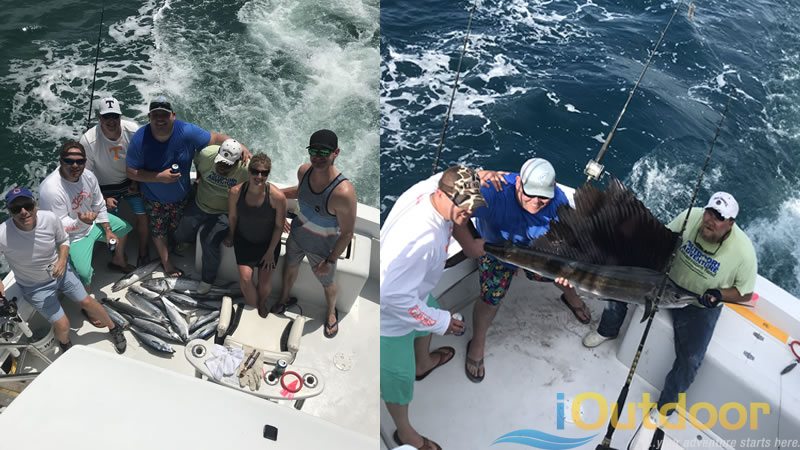
When you are adventuring offshore in Miami, you will be leaving out of Bayside Marina. If you get the opportunity to fish with Captain Barker, you will be fishing on a 45’ Hatteras sport fishing boat. This boat comes equipped with everything you need for offshore fishing along. Due to the size of this boat, you also get comfort and luxary. Enjoy the air condition and comfortable sitting inside your cabin when you get too warm. 
Miami Offshore Fishing is absolutely incredible this time of year. Captain Barker had the pleasure of fishing with Pablo Sierra and a group of his friends. The boat was loaded and these gentlemen were looking to get into some quality pelagic species. Luckily, they were in store for an excellent day on the water. If you are looking for a wide variety of species, you have to come visit South Florida and more specifically Miami.
Beautiful weather and perfect fishing conditions led to a strong bite right off the bat. Pablo and his friends reeled in numbers of fish of each species. Adventuring offshore is like adventuring into the unknown. You never know what is going to bite the line. Pablo and his crew got the chance to experience some of the best species to catch. They started out with the bonito then they caught a barracuda. These fish were just getting their arms warm for what was to come. After these species were caught, schools of black fin tuna came up and they started putting them in the boat as well. It was not long after this that the Mahi-Mahi showed up. They did not catch a bull but put several quality fish in the boat. After trolling live bait and ballyhoo, they slowed down their fishing tactics and landed some bottom fish including snapper.
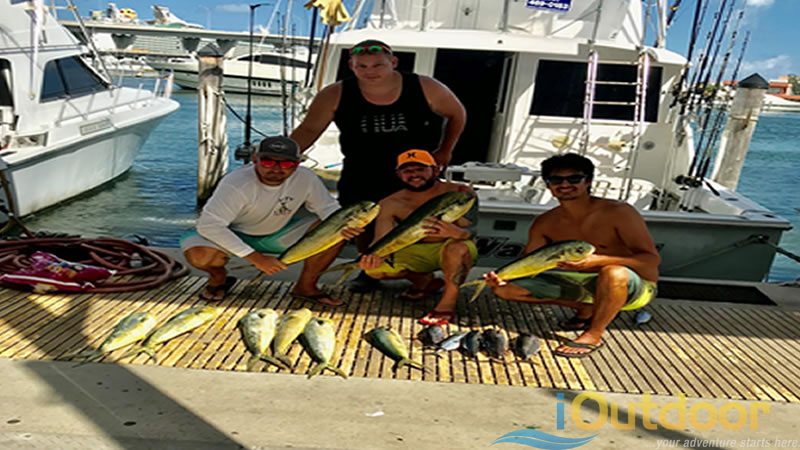
Finally, we get to the catch of the day. Pablo and his friends landed a beautiful sailfish while fishing with live bait. The bait of choice was a google-eye. They also love to eat pilchards and blue runners. Whatever live bait you can get your hands on will provide you the best chance to catch that trophy fish. As a result, you have much great success putting a wide variety of species in the boat. Sailfish put up an excellent fight truly worth experiencing.
Certainly, this amazing group of men had a fantastic time cruising offshore. The ability to relax, sit back and enjoy a couple cold ones while reeling in fish is what life is all about. Bring your family and friends on a fishing adventure of a lifetime. You never know what you will catch and every fishing trip is a new adventure. 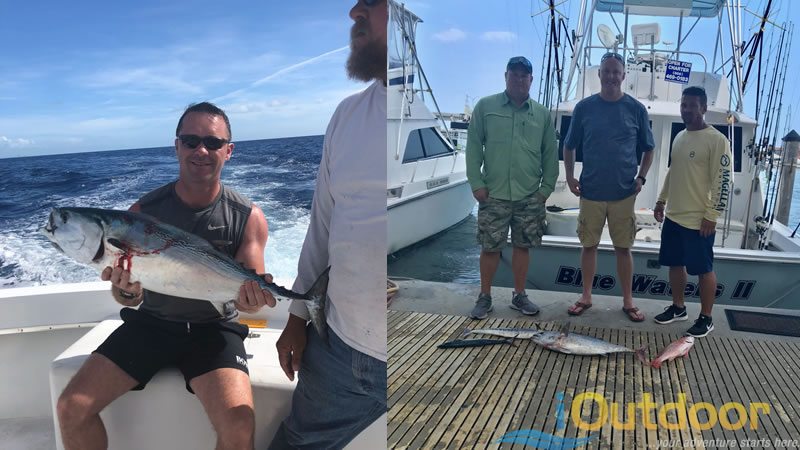
Furthermore, one of the many benefits of fishing out of Bayside Marketplace Marina is that you can come back and enjoy downtown Miami after your trip. Give your captain some time after the trip to clean your fish and you can take it to the local restaurant to have them cook it up. There is no better way to end a day of fishing then relaxing with your friends, enjoying the Miami views and eating your fresh catch. Tradewinds restaurant is the perfect place to do so!
Captain Barker is looking forward to the next opportunity to take out Pablo and his crew. They were awesome to fish with and they absolutely had a blast.
Miami is one of the best locations to come visit. Don’t miss out on the endless fishing adventures that are available to you. Bring your family along on an adventure that can change your life. Relax and enjoy while your professional captain take you to the prime fishing grounds for your desired catch. We look forward to seeing you on the water next time!
Your Adventure Starts Today while Visiting Miami.
If you enjoyed this post about Saltwater Fishing, you might also enjoy our Fishing Blogs.
Don’t forget to follow us on Facebook, YouTube, Twitter and Instagram.
[fusion_builder_row_inner][fusion_builder_column_inner type=”1_2″ layout=”1_2″ last=”no” min_height=”” hover_type=”none” link=”” border_position=”all”][fusion_button link=”https://ioutdoor.com/fishing/sport-fishing/florida/miami/” text_transform=”uppercase” title=”VIEW BOOKING AVAILABILITY” target=”_self” link_attributes=”” alignment=”center” modal=”” hide_on_mobile=”small-visibility,medium-visibility,large-visibility” class=”” id=”” color=”blue” button_gradient_top_color=”” button_gradient_bottom_color=”” button_gradient_top_color_hover=”” button_gradient_bottom_color_hover=”” accent_color=”green” accent_hover_color=”” type=”” bevel_color=”” border_width=”3px” size=”small” stretch=”yes” shape=”pill” icon=”fa-ticket-alt fas” icon_position=”left” icon_divider=”no” animation_type=”flash” animation_direction=”left” animation_speed=”0.3″ animation_offset=”top-mid-of-view”]VIEW AVAILABLE CHARTERS[/fusion_button]

Miami Beach Fishing, Bottom Fishing, Dolphin Fishing, iOutdoors Blog, Kite Fishing, Offshore Fishing, Sail Fishing, Snapper Fishing, Sport Fishing, Sword Fishing, Wreck Fishing
Miami Offshore Fishing Report
Miami, FL is one of the most sought after fishing destinations in the world. You can experience some of the best fishing during the fall season. When you visit Miami, you are opening yourself up for a fishing adventure of a lifetime. Here is a Miami Offshore Fishing Report which consists of some clues to what is going to be biting during these times.
You may be drawn to Florida for beautiful weather, great beaches and exciting night life but don’t count of the exceptional fishing opportunities. If you are planning a vacation from September through November to Miami, you will be visiting during the prime offshore fishing months. Every offshore angler dreams about hunting down some of their favorite catches or to take a fish off their bucket list but you have to know your fish first!
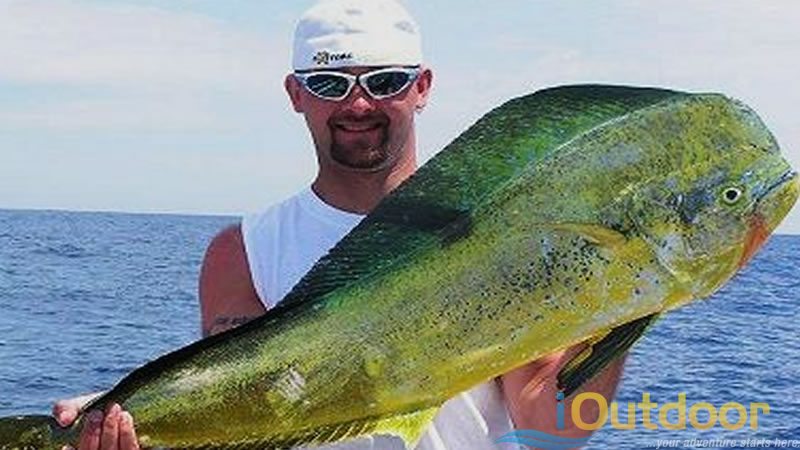 September is a great month to continue to search for that bull dolphin or mahi-mahi. The Gulf Stream is still bringing them through Miami and provides potentials for you to catch great numbers of them. You can also troll some wrecks for king fish during the month of September. Both species enjoy big baits. Stop by your local tackle shop and pick up some ballyhoo. We would also advise to never travel offshore without live bait. You can find schools of pilchards along the beaches or you can also pick up a dozen or two from your local tackle shop. Live bait comes in handy when you come across a large school of fish and want to load the boat quickly. Run out to the largest weed line or structure you can find and hold on for the fight of your life.
October through November bring about the first cold snaps of the year. When this occurs, it will change the way we approach and fish especially offshore. Colder waters and temperatures bring in the sailfish. Live bait is most certainly the most effective method in catching this bill fish. Fly a kite and get ready to have some fun as you watch a sailfish circle your live pilchard or goggle-eye. Get out on the water and determine which depth and location these sailfish are moving in. Keep an eye out for action in shallow depths and jumping sailfish. Don’t count out the king fish from sky-rocketing through the water to chase or eat your live bait.
Swordfish Fishing is also going to be excellent during these months. Whether you want to catch them during the daytime or nighttime is your preference but make sure you know the different techniques in order to do so. Each situation will call for different depths and equipment. Hop on board with a local expert and we can show you how to catch them in either day or night. 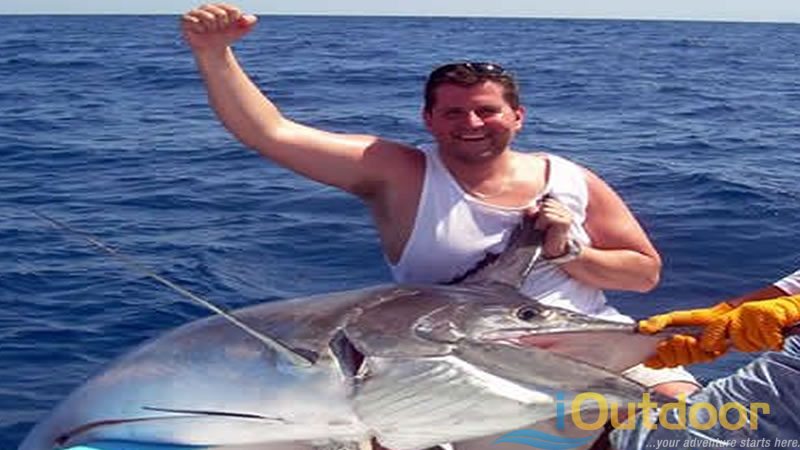
Don’t count out bottom fishing throughout these months. Your local reefs and wrecks will have endless species that you can catch. The main species would be snapper. Not only are they incredible fun to catch but they are most certainly a treat. Snapper is one of the most delicious bottom fish you can catch. Throw out a chicken rig with some deep or live bait and hold on for a great bite.
Your adventure starts when visiting Miami! Offshore fishing is going to be spectacular for an abundance of species. Don’t miss out on the action and take a break from the beaches and enjoy some beautiful weather in the deep blue sea. Feel free to contact us with any questions and we would be glad to help! We can get you in touch with our local experts.
To find out what will be biting during your trip, check out our Miami FL Fishing Calendar!
[fusion_builder_row_inner][fusion_builder_column_inner type=”1_2″ layout=”1_2″ last=”no” min_height=”” hover_type=”none” link=”” border_position=”all”][fusion_button link=”https://ioutdoor.com/fishing/deep-sea/florida/miami/” text_transform=”uppercase” title=”Plan Your Next Outdoor Vacation” target=”_self” link_attributes=”” alignment=”center” modal=”” hide_on_mobile=”small-visibility,medium-visibility,large-visibility” class=”” id=”” color=”blue” button_gradient_top_color=”” button_gradient_bottom_color=”” button_gradient_top_color_hover=”” button_gradient_bottom_color_hover=”” accent_color=”green” accent_hover_color=”” type=”” bevel_color=”” border_width=”3px” size=”small” stretch=”yes” shape=”pill” icon=”fa-ticket-alt fas” icon_position=”left” icon_divider=”no” animation_type=”flash” animation_direction=”left” animation_speed=”0.3″ animation_offset=”top-mid-of-view”]PLAN YOUR NEXT FISHING VACATION[/fusion_button]
Your Adventure Starts Today while Visiting Miami.
Don’t forget to follow us on Facebook, YouTube, Twitter and Instagram.
iOutdoors Blog, Offshore Fishing, Pompano Beach Fishing, Sail Fishing, Sport Fishing, Wahoo fishing
Florida Sailfish Fishing Charter
Have you ever pondered to yourself what the fastest fish swimming in the ocean was? Florida is the ultimate location to experience the best saltwater fishing in the world. It is home to the fastest species roaming the ocean clocking in at a max speed of 70 miles an hour.
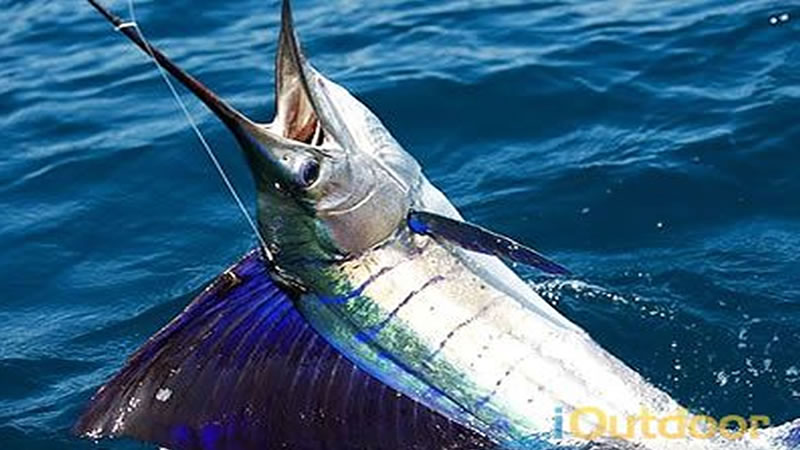
The Sailfish is an incredible pelagic species to catch especially during the early summer months here in Florida. Embark on a Florida Sailfish Fishing Charter out of Hillsboro Inlet next time you are visiting.
Pompano Beach is perfectly located on the east coast of South Florida. It holds some excellent waters to adventure out in. The Gulf Stream is close to the shoreline allowing for quick access to excellent saltwater fishing. After exploring the beautiful beaches and awesome eateries, get out on the water for a fishing trip that you will not forget. Take a quick cruise to the best waters to catch sailfish in the state.
Florida Fishing action has been hot and heavy according to Captain Anthony Dipilito. Hillsboro Inlet is the perfect place to adventure out of to catch a variety of species. On this trip, the conditions were lining up for a great day of catching the abundance of fish that were available. Captain Anthony approached his fishing spot with a beautiful northwest wind setting the tone for the trolling that was about to begin.
It was not much time before we began to see some incredible action. Sailfish were everywhere and the water was teaming with potential opportunity. They landed a Wahoo and black fin tuna within the first 20 minutes of trolling our baits. Soon after that the Captain made an adjustment to his location and pointed toward the famous Pompano rodeo wreaks. It wasn’t long before the Chinese fire drill began.
When the Action Began on this Florida Sailfish Fishing Charter:
As they approached the wrecks, 7 lines were out in search for the elusive incredible sailfish. Immediately, they got hooked up to 6 sailfish and it was absolute adrenaline rush. Sailfish were jumping everywhere and it was hard to control and direct where the sails were running. Unfortunately, we only caught and released 2 of them. Another boater was traveling to a similar spot and ran over the lines causing us to lose the rest.
Captain Anthony knew that the action was not going to stop there. He spotted several free jumpers and sails in the swells. After trolling around for a bite and not getting any bites, it was time to make a change. Another effective method to catching sailfish is live bait, especially under a kite. Kites went up and sure enough the fish began to bite. It was a much better experience as all the fish did not bite at the same time. Captain Anthony’s party leader touched 4 more sailfish totaling 6 for the day.
Hillsboro Inlet is a great location to experience this action on a Florida Sailfish Fishing Charter. You can’t beat going out for a quick 4 hour Hillsboro Inlet Sport Fishing Charter and catch 6 sailfish and a Wahoo. Don’t miss out on this amazing fishing here in South Florida. Jump on board one of our cruisers and get hooked up on a fish of a lifetime!
Florida Fishing Sailfish:
Sailfish are not native to the state of Florida. They travel far and wide throughout the whole Atlantic Ocean. The Average size of a sailfish ranges from 30 to 60 pounds, even though most caught are less than 30 pounds. Florida’s record is 116 pounds and it is very rare to catch one over 100 pounds. Many people never get the opportunity to experience what this acrobatic species has to offer. They love to jump, spread their sails and fight incredibly hard. Harvesting is only allowed when the sail is inadvertently killed while being fought. If you happen to kill this incredible offshore species, it is very tasty smoked. Once you get hooked up once on this spectacular offshore pelagic species you will be hooked for life.
One of the downfalls for fishing Sailfish is that the best times to catch them are when the seas are rough. If you have a large enough boat to adventure out in, enjoy reeling in this hard fighter. Sailfish are the fastest fish in the seas. They can chase down bait and out swim any other species. Every Captain and Fishing destination in Florida has their own method of targeting the elusive sailfish.
Light ocean trolling or heavy spinning outfits with lines up to 30 pound test will get the job done when looking to catch a Florida sailfish. As you become more experienced in catching Sailfish you can adventure out and use lighter tackle. In Southeast Florida, most that fish offshore for this species use live bait. The methods to approach live bait would be to use kites or flat line drifting. Blue Runners, Google-Eyes, Pilchards, or Pinfish are the most common and most effective bait to use.
Florida Fishing Experience:
Now is the perfect time to come experience what Florida has to offer for catching Sailfish. The most abundant locations and destinations to catch the Atlantic Sailfish would be from Fort Pierce to the Keys. If you are visiting these areas on vacation in the next couple of months, make sure you adventure out into the deep blue sea and catch a fish of a lifetime. Bring your family on board for a great cruise and scenic experience through some of the best offshore fishing waters on a Florida Sailfish Fishing Charter.
Your Adventure Starts Today with Captain Anthony Dipilato in Pompano Beach.
Book Your Florida Sailfish Fishing Charter Adventure NOW
If you enjoyed this post about Saltwater Fishing, you might also enjoy our Fishing Blogs.
Don’t forget to follow us on Facebook, YouTube, Twitter and Instagram.
iOutdoors Blog, Key West Fishing, Sail Fishing
Florida Deep Sea Fishing Trip
Florida Deep Sea fishing can be extremely lucrative to the customer if done right. Many people plan out a Florida deep sea fishing trip with family and friends. If you take the time to carefully plan out these trips you will have a successful trip.
All fishermen know that the best fishing trips are the ones that are carefully planned out in advance. There are several things you need to consider when planning a Florida deep sea fishing trip. These include things such as the weather and the type of fish you are going to look for.
First, you will need to decide whether or not you are going to charter a boat. Many people like to take their own boats out, but sometimes it is nice to head out on a charter boat. If you want a more private setting then you will definitely want to take your own boat out on the water for the day. If you do not own your own boat there is no need to worry. The reason for this is that you can easily rent a boat for a day. It is not too expensive to rent a boat for a day and it is well worth the investment!
Many people don’t take the proper time to plan out fishing trips. You will want to plan out your fishing trip at least one or two weeks in advance. The reason for this is that it will allow you to invite friends and make sure you have all of your necessary supplies. Sometimes people are busy, so you will want to invite your friends weeks in advance. This will ensure that all of your best buddies are with you on your fishing trip.
Fishing trips are great, but a successful Florida Deep Sea Fishing trip is never complete without the proper food. Many people like to cook their own food the night before a fishing trip. The problem with this is that cooking your own food can take a lot of time.
Another problem with this is that not everyone is a world-class chef! If you are not good at cooking there is no need to worry. The reason for this is that you can easily order some sandwiches from a local deli. Normally, there is a deli located next to most docks.
Another thing you should consider is the safety of all the people on board. Many times young children are brought on fishing trips with their parents. The problem with this is that they may not be able to swim. This is why it is extremely important to bring a life jacket on board for young children. It is also important for the adults on the boat to wear a life jacket. The reason for this is that you never know what is going to happen when you are on a fishing boat. Sometimes, the seas can get choppy unexpectedly.
Safety should always come first when planning a Successful Florida fishing trip. Therefore, a first aid kit is a must-have when it comes to gathering supplies for a possible trip. Sometimes, a person may fall unexpectedly or accidentally scrape themselves on the side of the boat.
Florida is the Ultimate Deep Sea Fishing Destination. You truly can’t beat the variety of species along with locations you can fish. When it comes to Deep Sea, the Florida Keys especially Marathon have Offshore Fishing to die for. Miami, Naples, Daytona and Cape Canaveral are also very popular destinations for excellent fishing. Whether you are looking for a nice ocean ride in an open fisherman or a cool air-conditioned environment for the kids, we have you covered here at iOutdoors.
~~~Your Adventure Starts Today~~~
If you enjoyed this post about Saltwater Fishing, you might also enjoy our Fishing Blogs.
Don’t forget to follow us on Facebook, YouTube, Twitter and Instagram.
Sail Fishing, iOutdoors Blog, Kayaking Canoeing, Sport Fishing
Broken Arrows Chris Thomas
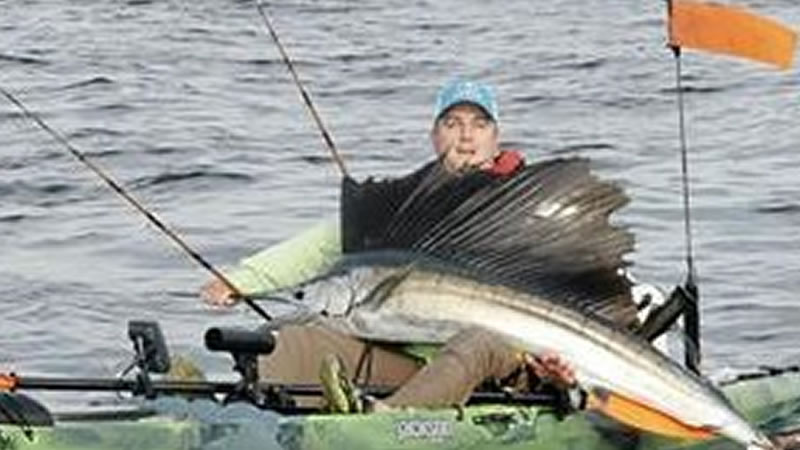
Vegas oddsmakers missed a golden opportunity last week as a pair of Oklahoma kayak bass fishermen entered the nation’s first offshore sailfish tournament — and won.
Broken Arrow firefighter Chris Thomas and friend Ryan Jones of OKC Kayak in Oklahoma City took first and second place, respectively, in the Extreme Kayak Fishing Sailfish Smack Down at Pompano Beach, Fla. on Jan. 25-26.
Thomas landed a nice trophy, $3,000 and some Costa sunglasses. Jones brought in $1,000 and some Costa shades. The prizes were secondary to the experience, however. It was the first sailfish for Thomas and a first time fishing offshore, ever, for Jones.
Thomas often fishes Texas offshore waters, but it’s hard to find a sailfish down there, so he has had his eye on the Florida coast for some Saltwater Fishing in Florida.
The tournament came along as an off-chance opportunity and, as Thomas put it, “we accidentally won it.”
Entering a tournament seemed like a good way to learn.
“I figured I could spend money and hire a guide or pay a $150 entry fee and fish with some of the best around,” he said.
Thomas and Jones researched in advance and quizzed locals upon their arrival and went offshore before the tournament to troll for king mackerel and use their electronics to scan the bottom for structures and depths. “We kind of pre-fished it like a bass tournament,” Thomas said.
While scouting they spotted sailfish “free jumping” and planned to return to that spot the next morning for the tournament. It paid off as Thomas hooked up first, then Jones.
As the anglers catch the fish they are required to radio a help boat that documents the catch and takes the fish from the angler for safe release. The fish are not weighed or measured. “The fish only comes out of the water for the picture,” Thomas said.
Winner of the tournament is determined by who catches the most fish. Twelve anglers in the tournament last week caught three fish on the weekend, “which I guess isn’t bad for kayak anglers,” Thomas said. He won by virtue of being the first to land a fish. He almost caught a second sailfish, but it spit the hook, he said.
Sailfish are the fastest fish in the world and can swim up to 68 mph. Thomas said his fight with a 30- to 40-pound sailfish lasted about 20 minutes and ended three-quarters of a mile from where it began. He described the fight as “a sleigh ride of a lifetime.”
Extreme Kayak Fishing is the biggest offshore kayak tournament series in the country, said founder Joe Hector. Their main summer series often has 150 to 200 entrants.
Radio chatter as Thomas hooked up relayed local anglers’ feelings on the matter. All the anglers carry VHF radios so all can hear it when the help boat is called, he said. “When Chris got on and said, “Oklahoma’s hooked up” you heard guys moan, but Ryan, then when he called in “Oklahoma Two” the locals were cursing, ‘Oh, crap! You gotta be kiddin’ me!’ We even asked him if he was joking and he said, ‘No, I’m hooked up!’ ”
Hector credited Thomas and Ryan for doing their research and listening to advise of locals and getting it done.
“For them to come down and beat those guys, it was unbelievable and awesome,” he said.
“All I wanted to do on the trip was catch a sailfish and I did that,” Thomas said. “And I got an incredible looking glass trophy.”
