Bottom Fishing, Inshore Fishing, iOutdoors Blog, Naples Fishing, Offshore Fishing, Snapper Fishing, Snook Fishing
[fusion_builder_container hundred_percent=”no” hundred_percent_height=”no” hundred_percent_height_scroll=”no” hundred_percent_height_center_content=”yes” equal_height_columns=”no” menu_anchor=”” hide_on_mobile=”small-visibility,medium-visibility,large-visibility” class=”” id=”” background_color=”#ffffff” background_image=”” background_position=”center center” background_repeat=”no-repeat” fade=”no” background_parallax=”none” enable_mobile=”no” parallax_speed=”0.3″ video_mp4=”” video_webm=”” video_ogv=”” video_url=”” video_aspect_ratio=”16:9″ video_loop=”yes” video_mute=”yes” video_preview_image=”” border_size=”” border_color=”” border_style=”solid” margin_top=”” margin_bottom=”” padding_top=”” padding_right=”” padding_bottom=”” padding_left=””][fusion_builder_row][fusion_builder_column type=”1_1″ layout=”1_1″ background_position=”left top” background_color=”” border_size=”” border_color=”” border_style=”solid” border_position=”all” spacing=”yes” background_image=”” background_repeat=”no-repeat” padding_top=”” padding_right=”” padding_bottom=”” padding_left=”” margin_top=”0px” margin_bottom=”0px” class=”” id=”” animation_type=”” animation_speed=”0.3″ animation_direction=”left” hide_on_mobile=”small-visibility,medium-visibility,large-visibility” center_content=”no” last=”no” min_height=”” hover_type=”none” link=””][fusion_text]
Naples Saltwater Fishing
Many places across the United States can be consider wonderful or pleasant but Florida is Paradise by definition. It is an idyllic place or state that makes you extremely happy and at peace. Destinations across the whole state can capture this mantra but the Paradise Coast is by far the best. When you are exploring this incredible coast in Southwest Florida, make sure you adventure out and truly experience what Naples Saltwater Fishing can truly offer you.
Paradise Coast is a cultural gem worth experiencing while visiting Florida consisting of Naples, Marco Island, Everglades City, Immokalee and Ave Marie. It is filled with an abundance of excellent experiences including night life, resorts, white sandy beaches and most important true Florida Outdoor Adventures. Paradise Coast Fishing is by far the best way to truly explore this incredible corner of Florida.
Inshore Naples Saltwater Fishing
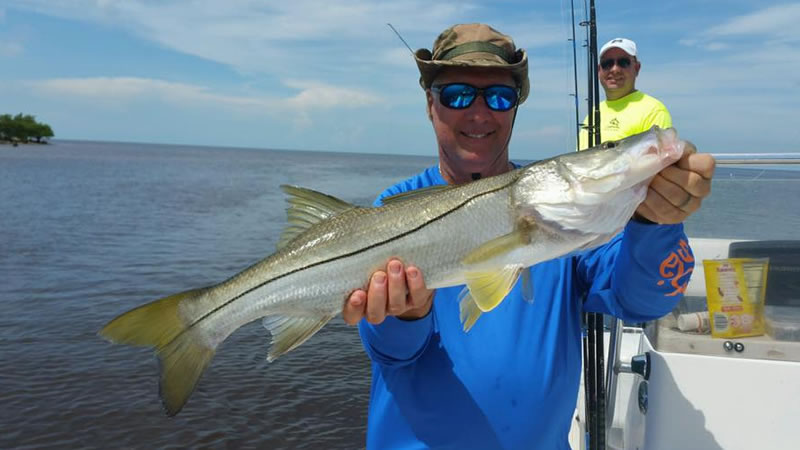
While on vacation in Naples, one of the premier cities for saltwater fishing, enjoy a short cruise to the inshore waters to catch an abundance of Florida species. Depending on the conditions, you can be right off where your toes were in the sand the previous day. Most of the inshore fishing can be experienced very close to shore. The hard sandy bottoms allow for a variety of great species to be caught.
May and June are fantastic months to saltwater fish here in Naples. As our professional captains get the water ready for a battle of a lifetime with chum, enjoy the views of the cities and gorgeous paradise coast. Snook are beginning to cruise the beach lines and inshore waters especially during this time. Snappers, sheepshead, and lady fish are a more consistent catch. These hard bottoms especially in the month of June will attract small goliaths along with smaller sharks you can have fun fighting and catching. Blue Runners are also a great aggressive species to reel in which can provide excitement for anglers of all levels. Captain Nick Pasquarello and Captain Rick Mitchell cover an expansive amount of inshore waters to make sure they put you on the best fish possible! All year round you can find quality species and fish that are considered resident fish and don’t relocate to spawn.
The furthest you will ever go out on a Naples Inshore Fishing Charter would be 7 miles. The interesting part about fishing Naples is that you have to travel much further to get into deep water. At 7 miles out, you are only in 35 feet of water. Enjoy catching up to 60 fish while bottom fishing snappers along with the variety of other species listed. Small hooks and shrimp are the best method to catching these species. You can also count on catching bonito, Spanish mackerel and even blue fish while traveling and fishing these waters.
If conditions are not conducive to fishing that far off the coast, the mangroves would be the next destination. The mangroves hold excellent waters to catch Snook, mangrove snapper and lady fish. Using corks and shrimps keep the bite exciting for the vacationer looking to set the hook. Inshore species excluding the snook bite light so you have to set the hook gentle and often.

Offshore Naples Saltwater Fishing
While many anglers would enjoy inshore fishing, Naples also has some of the best offshore fishing in Southwest Florida. Take a beautiful boat ride to the offshore waters of Naples. Your professional captain will work endlessly to put you on fish in waters much deeper than the inshore. While fishing 9+ miles off the coast, enjoy fishing for species you can catch all year round.
While species may appear to be the same, they are not. Red Snappers which are a much more exciting species and harder fighter up to 8 pounds on average can be caught in deeper waters. Yellow Tail and Vermillion Snapper are also excellent catches to catch year round and strongest in the summer time. If you are looking for game fish like Kingfish, the best time to catch those are when the water is cooler in the winter time. You can also count on catching grouper of all sizes all year long.
Offshore Fishing Naples Florida is such a unique experience especially while you are reeling in excellent catches. Whether you are looking for action packed fishing days or to fill up your cooler, off shore fishing is the way to go. Enjoy not only the ride but the consistent bottom fishing bite. Let your captain take you to the best waters for doing so, relax as they put a rod rigged and ready for action in your hands and make sure you set the hook once you feel the bite. Captain Mark Rogers is highly knowledgeable of the waters and will work hard to put you on the best bite!
If you are a fish lover and you love to eat fish, Naples Saltwater Fishing along the Paradise Coast is the destination activity for you. Snappers, grouper and snook are some of the best eating species. Make sure you allow your captain extra time after you have docked to clean up your catches to take home. If you are here on vacation, visit local restaurants that will cook your fresh catch that you bring in. Never miss the opportunity to truly get a taste of Southwest Florida.
Florida Fishing is by far the best way to soak in the sunshine. It is also a very relaxing and exciting way to experience the outdoors here in Florida. The Paradise Coast is not only the perfect destination for vacation but also holds excellent waters for Inshore and Offshore Fishing. Naples Saltwater Fishing is one of our specialties and we pride ourselves on our professionalism and knowledge toward crafting our passion. Don’t miss out on an adventure of a lifetime which could be perfect for the family or loved ones while visiting Florida. Let’s get you hooked up today!
~~~~~~~~Your Adventure Starts Today~~~~~~~~
If you enjoyed this post about Naples Saltwater Fishing, you might also enjoy Marathon Fishing, Amelia Island Fishing, or our Fishing Blogs.
Don’t forget to follow us on Facebook, YouTube, Twitter and Instagram.
[/fusion_text][/fusion_builder_column][/fusion_builder_row][/fusion_builder_container]
Fly Fishing, Backcountry Fishing, Bottom Fishing, Destin Fishing, Dolphin Fishing, Drift Fishing, Flats Fishing, Grouper Fishing, Inshore Fishing, iOutdoors Blog, Islamorada Fishing, Key West Fishing, Kite Fishing, Lobster Catching, Marlin Fishing, Miami Beach Fishing, Offshore Fishing, Permit Fishing, Redfish Fishing, Sail Fishing, Shark Fishing, Snapper Fishing, Snook Fishing, Sport Fishing, Sword Fishing, Tarpon Fishing, Trout Fishing, Tuna Fishing, Wahoo fishing, Wreck Fishing
What hook should you use for which fish?
Wow! Old as man itself but it can really be overwhelming when you start to choose a hook. Freshwater, saltwater, bait hooks,“J” hook, circle hook or live bait hooks. Hook choice is VERY important! As a general rule I judge the hook size I need to use as a function of the bait size I am using, not the size of the fish I am targeting. The fish I am targeting determines the bait size. I particularly prefer circle hooks- they virtually hook themselves and are very fish friendly in catch and release situations. Experience is the best teacher on hook selection- use the right hook for the right fish and type of fishing you are doing and be prepared have a selection of hooks at hand. One common mistake is using a hook that is to big. Imagine this – if I hook you in the arm with a small quarter size hook are you going to be able to get a way or are you going to follow me anywhere? A sharp point and a strong hook is much more important than the size. Except in the case of top water lures please consider twice before you use a treble hook- there is virtually no opportunity for catch and release using a treble hook and they are banned in many areas. Treble hooks are dangerous to fisherman as well- use them sparingly and only when you plan to kill and eat the fish. One very important rule: Even though a new hook seems sharp out of the package always, always sharpen your hooks before you use them and re-sharpen them often.
Fish hooks come in several types. Knowing a few of the more popular ones and their uses can help you be successful.
Which hook should you use for which fish?
 O’SHAUGHNESSY This hook is named for the specific design of the hook. It’s a standard hook, forged with a very strong bend. This hook is relatively thick, very strong, and not likely to bend out of shape. Generally designed for saltwater, it is good for general bottom fishing use. Sizes range from #3 to as large as 19/0.
 ABERDEEN These hooks, while primarily used in smaller sizes in freshwater, are also used by saltwater anglers. They are generally made from shaped wire. Unlike the O’Shaughnessy, it can and does bend. It can be bent back into shape several times before it becomes too weak. However, once a fish is hook and the barb has completely penetrated, this hook holds quite well. These hooks are modified with bends in their shanks for use in jig molds.
 CIRCLE Perhaps the best innovation in hooks to come along, circle hooks promote healthy catch and release. The design of the hook itself, when used properly, prevents fish from being hooked in the gut. Many anglers have a problem using these hooks because they require no hook set. If you do try to set the hook, it will generally come out of the mouth of the fish. These hooks are designed to move to the corner of the fish’s mouth and set themselves as the fish swims away from you. Anglers feel a bite and simply begin reeling, slowly at first, then faster as the hook gets set.
 LIVE BAIT These hooks generally have a shorter shank than other hooks. Whether that is to allow the live bait to swim more freely or to be less apparent to the fish is debatable. My vote is to allow the bait to swim more freely. These hooks come in regular and circle designs. Regular live bait hooks will be swallowed and result in gut hooks most of the time. Circle live bait hooks provide a greater chance for a good release.
 KAHLE The curve on these hooks makes them ideal for live bait. Made from the same wire as the Aberdeen hooks, they will bend if hung on the bottom of some structure. However, once a fish is hooked, the design of the hook prevents it from being straightened.
The Guide below provides an overview of the parts of a fishing hook. There are some common parts to all hooks. Those parts include the eye, shank, gap, point and barb. The variations on these characteristics result in dozens of hook styles.
Anatomy of a Hook
The Eye
The hook eye is the connection point to the fishing line or the body of lures. Ringed eyes are the most common. The metal is bent in a uniform loop and the end sits flush against the shank. Needle, looped and tapered are some other types of hook eyes, but they tend to be used for specific applications, like saltwater or dry flies.
The Shank
The shank is the length of the hook from the eye to where the bend starts. Shanks come in short, medium or long lengths. Short ones greatly reduce the size of the hook. Medium length shanks are the most common and used in an array of fishing situations. Long shanks can be used for live bait fishing where finesse isn’t critical, or to match a longer profile of an artificial bait.
The Gap
The gap is the size of the bend in a hook from the shank to its point. An average size gap will do in most situations, but sometimes a wide gap is needed. A wide gap is used for rigging thick-bodied baits to ensure that the hook point will be exposed on the hook set.
The Point
This is the tapered end of the hook. As its name suggests, it’s the sharp point that penetrates a fish’s mouth. The shape of the point will vary. Needle, knife edge, spear, or rolled ones are some examples. The most important thing, however, is that you keep your points sharp, so invest in a hook file and use it often. Quality hooks are packaged extremely sharp and will stay sharp longer than cheaper ones.
The Barb
The barb is designed to hold the hook in place once it penetrates the fish’s mouth. The larger the barb, the more difficult it is for the fish (and likely yourself) to get the hook free. Many catch and release anglers pinch barbs with pliers or file them down for easy hook removal.
Other Basic Hooks
 BAIT HOOKS come in a variety of styles. Most feature barbs on the shaft to hold bait in place. Longer shank hooks are good for teaching kids to fish, while shorter shank ones are often used in snells.
 TREBLE HOOKS feature three bends and points in one hook. Trebles provide more hooking potential to many artificial baits such as crankbaits, jerkbaits or topwaters. Bait anglers also use trebles. Cut bait for catfish or threading minnows for lake trout are two examples where trebles are regularly used.
 SIWASH HOOKS are quite strong and have a long shank and point. These hooks have a straight eye so they sit properly on lures. Siwash hooks are often used on single-hook baits, such as spinnerbaits. I also use them sometimes to replace factory-provided treble hooks on certain baits, especially spoons.

JIG HOOKS are designed to sit in specific jig molds. They feature a bend just below the hook eye, with a 90-degree bend being the most common. Pouring your own jigs can save you money and be a fun winter hobby to gear up for the next season

Offshore Fishing, Bottom Fishing, iOutdoors Blog, Marlin Fishing, Redfish Fishing, Snook Fishing, Sport Fishing, Tarpon Fishing, Tuna Fishing
What kind of bottom fish can you find in the offshore waters of Tampa?
If you’re passionate about fishing, you must try your hand in Offshore Sports Fishing at Tampa Bay in Florida. Catching some bottom fish in your adventure is especially most rewarding, as it is a unique experience to have bottom fishes like the sea bass, and the tautog as your prize catches.
There are also other bottom dwellers that could amaze you with their peculiarity, too, and they’re just waiting for you to go hook them good. These include famous names like the redfish, the tarpon or silver king, and the snook. The redfish are known as bruisers because they are feisty and put up a great fight once they’re hooked. Tarpons meanwhile, are acrobatic wonders, as they could leap as high as ten feet just to escape from an angler’s grasp. The snook, on the other hand, is the starfish in Florida, one of the most pursued species of bottom fishes.
Offshore Fishing 101
Anglers head out 20-30 miles from the beach when they go off-shore sports fishing. This means they’re out to get some blue water fishes including wahoo, tuna, and marlin. Bottom fishes meanwhile are caught when boats go near wrecks or reefs where deep water bottom dwellers may be found. If one is lucky enough, the Speckled Hind and the Marble Grouper may be hooked in such waters.
Going on a fishing adventure in Tampa Bay is certainly worth it. You may do it all by yourself to enjoy some peace and quiet or you might want to bring your entire family to experience sports fishing in the best way possible. The best thing about choosing Tampa Bay as your fishing adventure destination is that you could simply charter a boat that would take you to the appropriate offshore spot where to catch your precious bottom fishes.
Backcountry Fishing, Bottom Fishing, Charter Head Boat, Everglades Fishing, Flamingo Fishing, Flats Fishing, Inshore Fishing, iOutdoors Blog, Permit Fishing, Trout Fishing
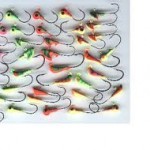
Top 5 most popular jigs for saltwater
Fishing using jigs will help you have better chances of landing a bigger fish as compared to using other types of bait. Jigging is done in both freshwater and saltwater alike, though it works better in areas that offer some type of obstruction.
Different anglers will surely have different preferences and favorites in terms of the jigs they choose in fishing. Also, different fish species will be attracted to different forms of jigs. Still, based on sales and usage, there really are jigs that stand out from all the rest, in terms of popularity. Whether this is because they are effective or because a lot of people are trying to fish the same fish species, it is difficult to determine but the following are the top 5 most popular jigs for saltwater.
1. Jig with a round head
The jig with a round head is quite popular because it easily sinks and moves in the direction and speed that the angler wants it to take.
2. Bucktail jig
The bucktail jig comes in different colors and shapes. What is so great about this jig is that it attracts a wide range of fish species. It is also better to use a tapered head bucktail.
3. The jig that closely resembles live bait (such as holographic live jig)
If the jig resembles live bait, there is a higher chance of tricking the fish in thinking that this is real fish or fly – effectively increasing your chances of hooking a big one.
4. Football-shaped jig
This jig is especially popular for bass fishing and was so-named because the head resembles that of a football.
5. Flipping jig
Although the flipping jig is great for seasoned anglers, many claims that this is difficult to use. Still, with technique, the jig will help you catch that elusive trophy fish.
Bottom Fishing, Drift Fishing, Grouper Fishing, iOutdoors Blog, Party Boat Fishing
What is deep jigging?
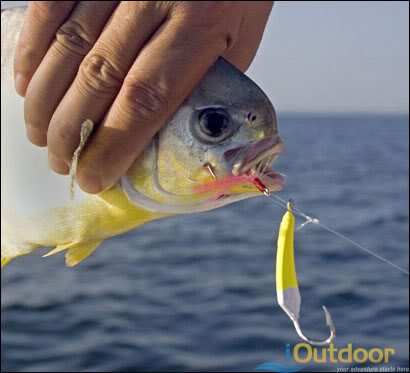
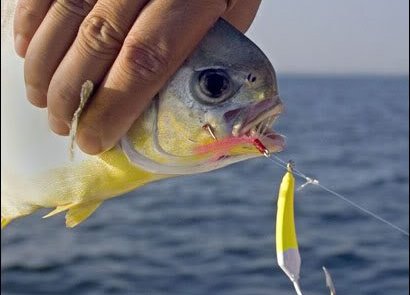
Deep jigging is the term used for fishing using jigs in a deepwater setting, usually more than 100 feet deep. This fishing technique is often employed to catch husky bottoms fish species such as mutton snapper, amberjack, and grouper. However, this can also be used of pelagic species such as cero mackerel, Spanish mackerel, and kingfish. Deep jigging is also great for catching wahoo and dolphin fish.
The Jigs
There are many different types of jigs you can use for deep jigging. These jigs were designed to imitate bait; thus, it comes in various shapes, sizes, and colors. You’ll find feathered jigs, bucktail jigs, feathered jigs, and many others. The rule of thumb is: the deeper you fish, the heavier the jig you should use.
Getting the Technique Right
As with any other fishing technique, you might not get it right the first time but you’ll soon master the technique with constant practice. Also, you’ll learn from trial and error – pretty soon, you’ll be catching that monstrous fish.
The best day to go deep jigging is when the winds and currents are not too strong but there has to be wind and current to make the jig move as it drifts over the bottom. The idea is to make the jig act like a real fish, make sure to limit the up and down movements in just one place – that is unnatural and easily spotted by the fish you are trying to lure.
Deep jigging requires strength and stamina – after all, you are hoping to catch that big pompano or whatever large fish species you are targeting. This is the best time to employ fast upward jerks and to use heavy-duty lines and rods that can handle heavy weights.
Bottom Fishing, Charter Head Boat, Grouper Fishing, iOutdoors Blog, Snapper Fishing
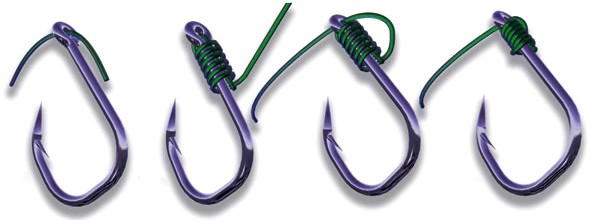
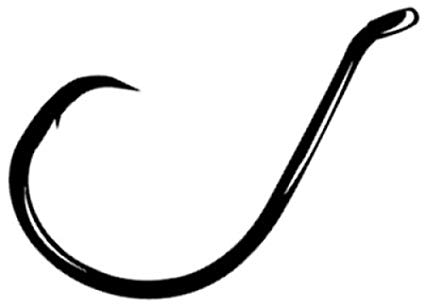
A circle hook is a fish hook which is sharply curved back to form a circular shape. It is rarely swallowed by the fish, though if swallowed, it can be easily pulled back. What is so great about this type of hook is that it hooks the fish in the corner of its mouth and not harm the gills or the internal organs. Believe it or not, when the fish swallows the bait along with the hook, all you have to do is slowly reel it in and it will not harm the internal organs but will just catch the corner of the mouth.
The Bait
When using a circle hook, hook the bait at its fleshy part, away from the bones. This way, the bait won’t be stuck on the hook and defeat the purpose of using a circle hook as the bones might gut-hook the fish or lacerate the internal organs of the fish. Most anglers that use Circle Hooks are using live bait. All live bait is great to use with circle hooks including pilchards, google-eyes, sardines, croakers, grunts and much more while Saltwater Fishing in Florida!
Uses
A circle hook is, perhaps, the greatest tool for catch-and-release fishing.
Also, if you have tried fishing even once, chances are you might have hooked a fish that is below the allowed limits for that species and must be released. If you were using a regular hook, then you must have cut the leader so as not to do further damage to the fish. However, biologists say that these hooks often slash at or damage the internal organs, gut, or gills of the fish so that its chances of survival are slim even when released immediately.
What is so great about the circle hook is that it works well on unattended lines – the fish eats the bait with the hook, tries to swim away, and is hooked in the mouth.
Whether you are fishing on a catch-and-release system or just fishing for any kind of fish that is you might release for not meeting the standards, you should try using a circle hook. You’ll find it quite useful in catching a lot of fish and improving their survival rate upon release.
Common fish that are caught with circle hooks include Sailfish, Tarpon, Marlin, Snook, and many more. The most practical uses and most common uses come from Florida Offshore Fishing. Learn and Know Your Fish and equipment before you go!


 Long shanks can be used for live bait fishing where finesse isn’t critical, or to match a longer profile of an artificial bait.


